The Definitive Guide to the Best Amazon Affiliate WordPress Plugins (Tested & Ranked)

Introduction & Quick Verdict: The Top 5 Tools to Increase Amazon Commissions

The landscape of affiliate marketing WordPress tools is fierce, and to truly succeed today, you can’t rely on manual processes. The difference between a struggling affiliate site and a seven-figure machine is often a single, powerful piece of software: the best Amazon affiliate WordPress plugin. This tool transforms simple text links into high-converting, dynamic displays, handles mandatory Amazon API integration, and ensures compliance with ever-changing TOS.

AAWP

  • Core Strength: Automation, Conversion & Compliance
  • Price: $299 Lifetime
  • Geo-Targeting: Yes
  • Comparison Tables: Yes
  • API Required: Yes
  • Verdict: Our top pick for serious affiliates. It’s the ultimate Amazon Associates compliant plugin for power and customization.

Check AAWP Price & Trial Now

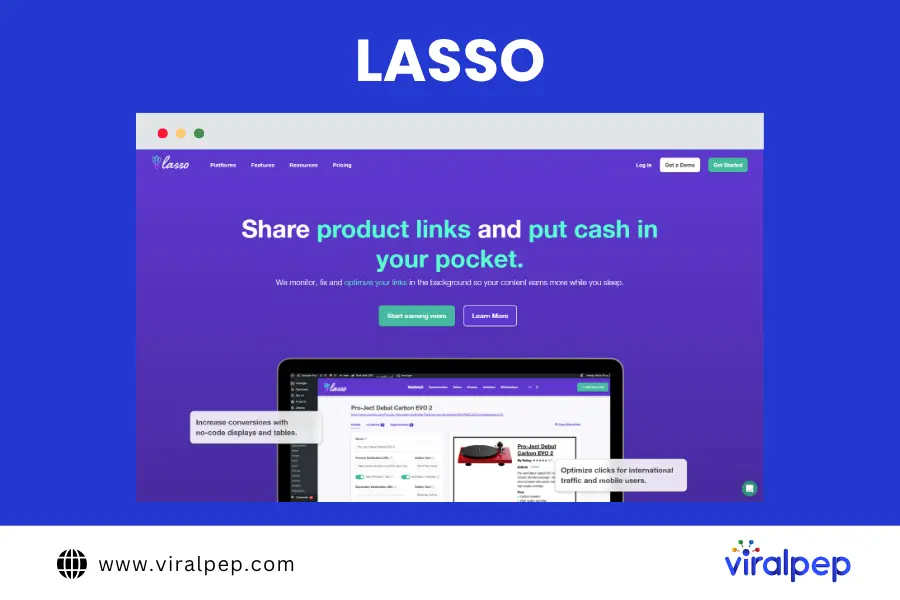
Lasso

  • Core Strength: Link Management & Optimization
  • Price: Freemium (starts at $4/mo to $24/mo)
  • Geo-Targeting: Yes
  • Comparison Tables: Limited
  • API Required: No (but supports API)
  • Verdict: Best for Affiliate Link Management and finding new revenue opportunities in existing content.

See Lasso Features

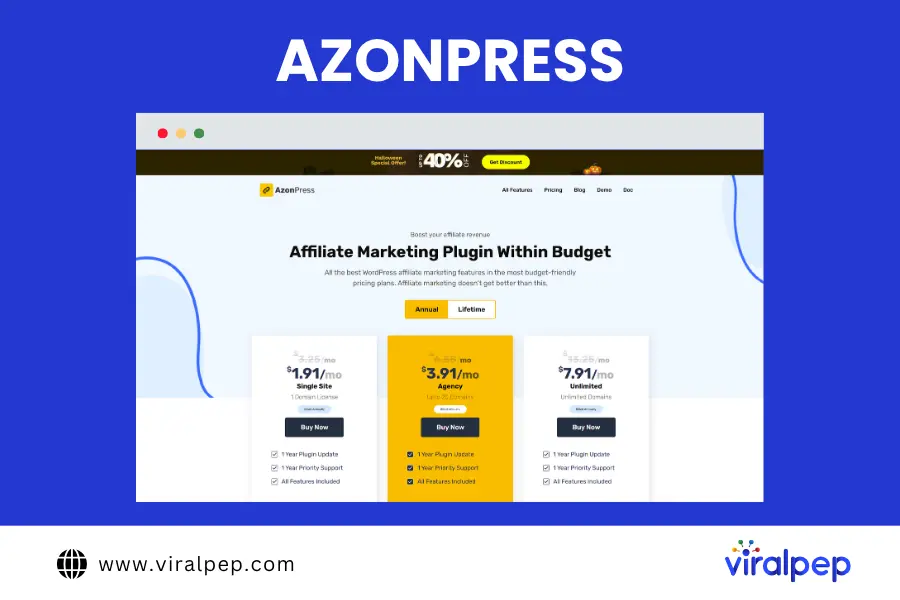
AzonPress

  • Core Strength: Ease of Use & Presentation
  • Price: Starts at $1.91/mo
  • Geo-Targeting: Yes
  • Comparison Tables: Yes
  • API Required: Yes
  • Verdict: Competes closely with AAWP, especially for beginners focused on beautiful product comparison tables.

Get Pricing here

ThirstyAffiliates

  • Core Strength: Cloaking & CTR Tracking
  • Price: Starts at $99.60 Yearly
  • Geo-Targeting: No
  • Comparison Tables: No
  • API Required: No
  • Verdict: Best for Affiliate Link Cloaking and management across all networks (not just Amazon).

ThirstyAffiliates Pricing

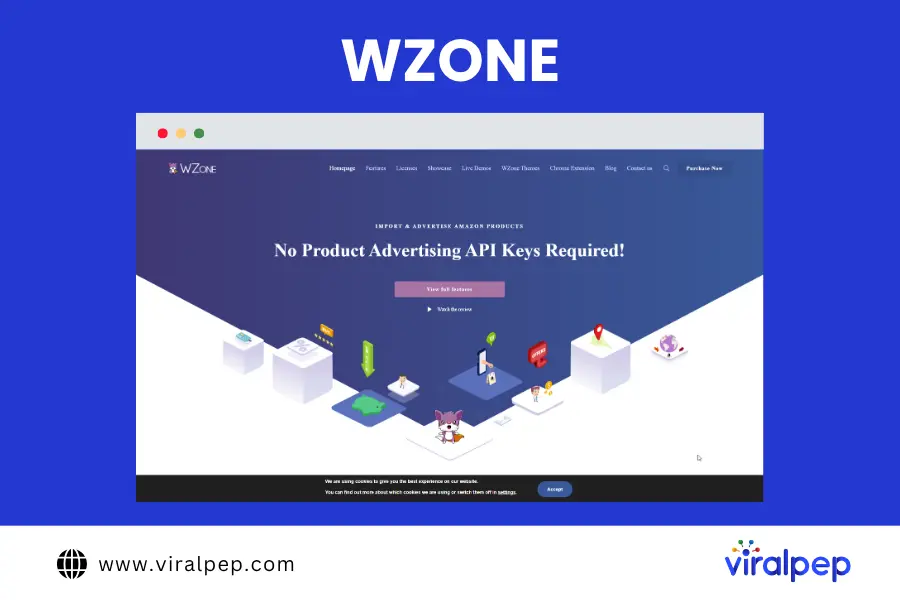
WZone

  • Core Strength: WooCommerce Integration
  • Price: $49 Lifetime
  • Geo-Targeting: Yes
  • Comparison Tables: Limited
  • API Required: Yes
  • Verdict: Excellent choice if you use WooCommerce Amazon Affiliates for dropshipping or virtual products.

WZone Plugin

Based on our rigorous testing, AAWP stands out as the definitive best Amazon Affiliate WordPress plugin, particularly for those serious about maximizing Amazon affiliate earnings via automated content displays.

The Definitive Comparison Table: How the Top 5 Plugins Stack Up
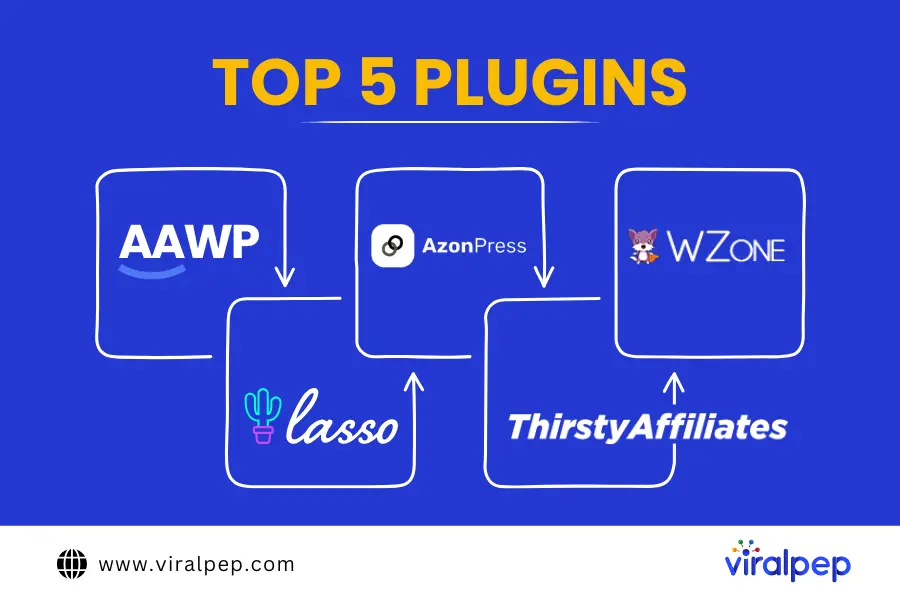
Top 5 Plugins

The difference in commission rates often comes down to advanced, revenue-driving features. This detailed list breaks down the essential factors needed to select the best Amazon Affiliate WordPress plugin for your needs.

AAWP
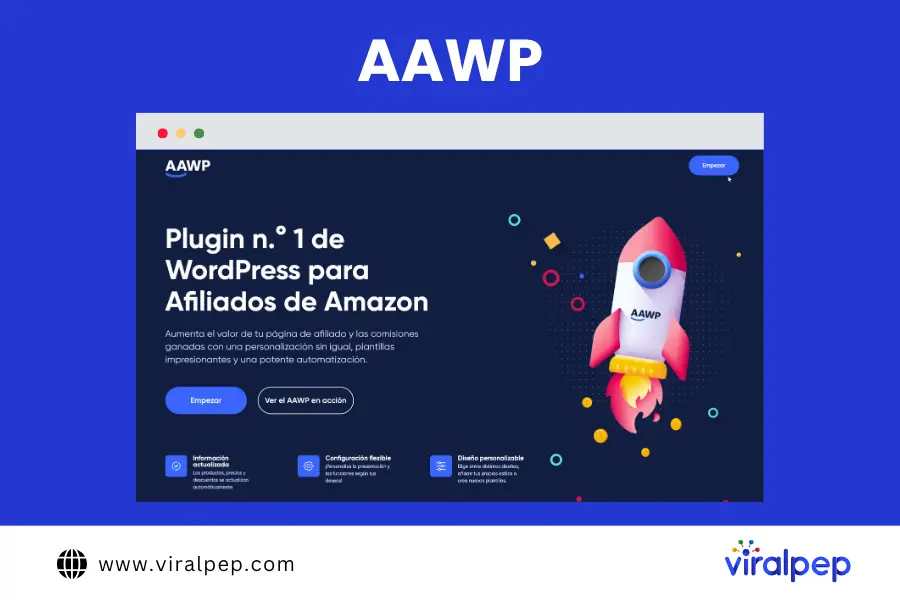
AAWP

  • Core Value: Automation & CRO
  • Amazon API Integration: Required
  • Automatic Price Updates: Yes
  • Geo-Targeting: Yes (Premium)
  • Product Comparison Tables: Advanced
  • Affiliate Link Cloaking: Built-in
  • Bestseller Lists Generation: Yes
  • Custom Amazon Product Boxes: Yes (Templates)
  • Affiliate Link Tracking: Basic Clicks
  • Gutenberg Amazon Affiliate Blocks: Yes
  • TOS Compliance Focus: High
  • Auto-Link Keywords: Yes

Lasso

Lasso

  • Core Value: Link Centralization
  • Amazon API Integration: Optional/Supported
  • Automatic Price Updates: Yes
  • Geo-Targeting: Yes (Premium)
  • Product Comparison Tables: Limited (Display Boxes)
  • Affiliate Link Cloaking: Core Feature
  • Bestseller Lists Generation: No
  • Custom Amazon Product Boxes: Yes (Display Boxes)
  • Affiliate Link Tracking: Advanced (Monetization)
  • Gutenberg Amazon Affiliate Blocks: Yes
  • TOS Compliance Focus: High
  • Auto-Link Keywords: Yes

AzonPress

AzonPress

  • Core Value: Design & Display
  • Amazon API Integration: Required
  • Automatic Price Updates: Yes
  • Geo-Targeting: Yes (Premium)
  • Product Comparison Tables: Advanced
  • Affiliate Link Cloaking: Built-in
  • Bestseller Lists Generation: Yes
  • Custom Amazon Product Boxes: Yes (Templates)
  • Affiliate Link Tracking: Basic Clicks
  • Gutenberg Amazon Affiliate Blocks: Yes
  • TOS Compliance Focus: High
  • Auto-Link Keywords: No

ThirstyAffiliates
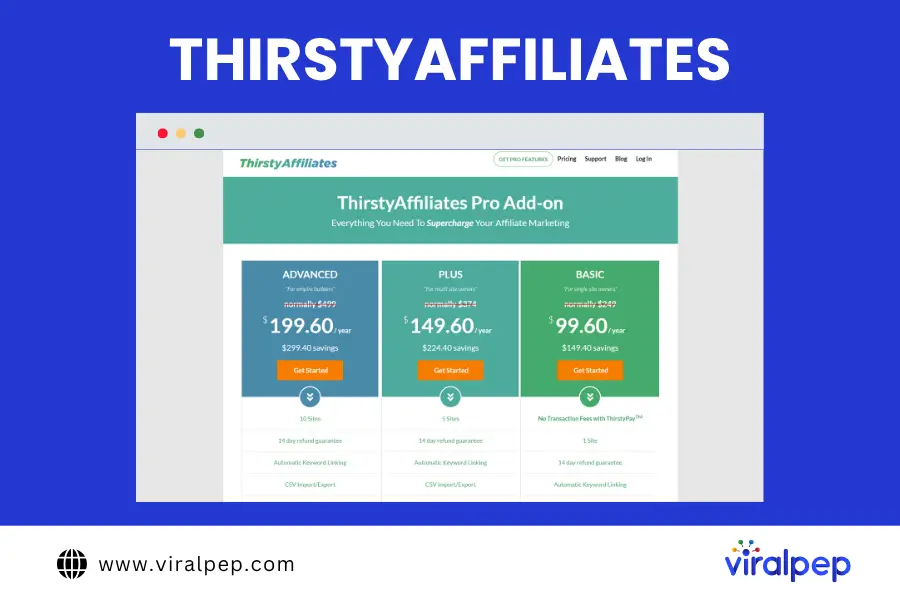
ThirstyAffiliates

  • Core Value: Link Organization
  • Amazon API Integration: No
  • Automatic Price Updates: No
  • Geo-Targeting: No
  • Product Comparison Tables: No
  • Affiliate Link Cloaking: Core Feature
  • Bestseller Lists Generation: No
  • Custom Amazon Product Boxes: No
  • Affiliate Link Tracking: Advanced (Pro)
  • Gutenberg Amazon Affiliate Blocks: No
  • TOS Compliance Focus: Low (General)
  • Auto-Link Keywords: Yes

WZone

WZone

  • Core Value: WooCommerce Integration
  • Amazon API Integration: Required
  • Automatic Price Updates: Yes
  • Geo-Targeting: Yes
  • Product Comparison Tables: No
  • Affiliate Link Cloaking: Built-in
  • Bestseller Lists Generation: No
  • Custom Amazon Product Boxes: Yes
  • Affiliate Link Tracking: Sales Data
  • Gutenberg Amazon Affiliate Blocks: No
  • TOS Compliance Focus: High
  • Auto-Link Keywords: No

In-Depth Reviews (Tier 1 – Premium)
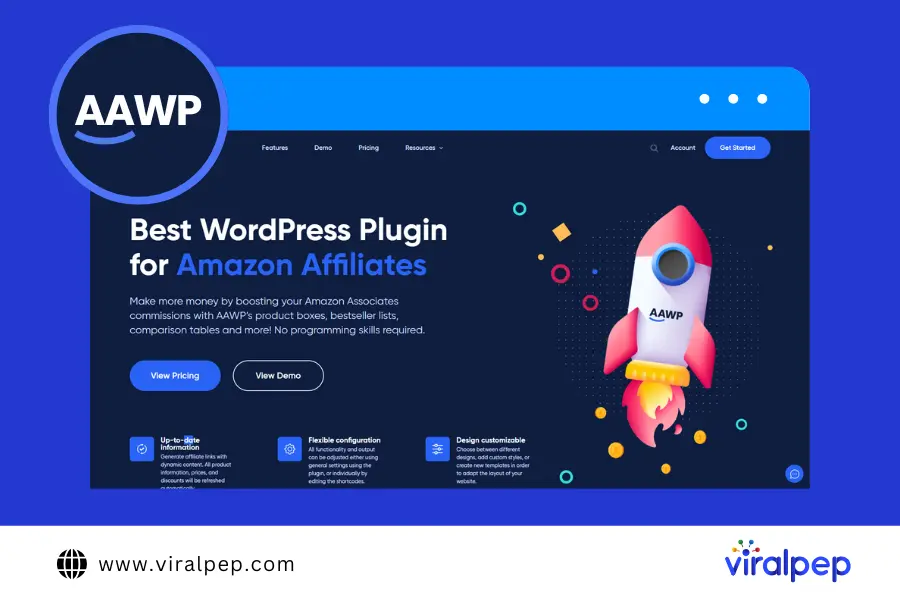
The Ultimate Tool for Automated Affiliate Linking and Conversion

AAWP Review: The Ultimate Tool for Automated Affiliate Linking and Conversion

AAWP (Amazon Affiliate WordPress Plugin) is the unchallenged heavyweight champion for serious Amazon affiliates. Its reputation as the best Amazon Affiliate WordPress plugin is rooted in its ability to generate dynamic, high-converting content with minimal effort. If your goal is to have the most reliable Amazon Associates compliant plugin that offers maximum customization, this is your tool.

Key Features and Why They Matter:

  1. Dynamic Data: Using the Amazon API integration, AAWP instantly pulls titles, images, and, most critically, automatic price updates. This is non-negotiable for TOS compliance and building visitor trust.
  2. Four Conversion-Focused Display Types: You can deploy powerful A-B tested formats: clean Product Boxes, high-conversion Bestseller Lists (dynamic top 10 lists for any category), detailed Product Comparison Tables, and simple text links.
  3. Shortcode Flexibility: The plugin uses simple shortcodes, meaning you can inject the same product box into a page, a post, or even a custom widget effortlessly. It also offers dedicated Gutenberg Amazon affiliate blocks for modern editing.
  4. Auto-Link Keywords: This feature is gold for passively generating revenue. It automatically converts specific keywords in your content (e.g., “best coffee maker”) into an affiliate link to the relevant Amazon product. This is true automated affiliate linking.

Pros: Unmatched flexibility in design; perfect Amazon Associates compliant plugin; highly reliable API for price updates; powerful geo-targeting feature.

Cons: Requires an Amazon API key (which can be a hurdle for brand new Associates accounts).

Best Use Case: Large niche sites, established bloggers, and any affiliate focused on high conversion rates and high-volume content.

Boost Affiliate Revenue Now: Start your 15-day trial and see why AAWP is the Best Amazon Affiliate WordPress Plugin.

Advanced Features Deep Dive: The Secrets to Boost Affiliate Revenue

To increase Amazon commissions, you must deploy advanced features that go beyond basic text links. The best Amazon Affiliate WordPress plugin makes these powerful tools accessible via simple shortcodes or Gutenberg Amazon affiliate blocks.

Maximizing Global Revenue with Geo-Targeting

Is your traffic 100% from the US? Probably not. If a user from the UK clicks an Amazon US link, you earn zero. Geo-targeting automatically detects the user’s location and redirects them to their nearest local Amazon storefront (e.g., Amazon.co.uk or Amazon.ca), ensuring you get the commission from their purchase.

Expert Tip: Plugins like AAWP (the best Amazon Affiliate WordPress plugin) and Lasso offer robust geo-targeting. Implementing this is the single fastest way to boost affiliate revenue from international visitors—often resulting in a 10%-20% lift in global earnings.

The Conversion Power of Product Comparison Tables

Users who are ready to buy often skip paragraphs and head straight for the table. The ability to create dynamic, mobile-friendly product comparison tables is the single most important CRO feature. The best Amazon Affiliate WordPress plugin allows you to dynamically populate these tables with:

  • Up-to-date pricing (automatic price updates).
  • Current review ratings.
  • Custom pros/cons cells.
  • High-contrast CTA buttons.

This feature is why AAWP dominates the market for product review sites.

The Non-Negotiable: Automatic Price Updates and API Compliance
The Non-Negotiable: Automatic Price Updates and API Compliance

Amazon strictly forbids manual, outdated pricing. If your price is wrong, you risk suspension, making an Amazon Associates compliant plugin essential.

The best Amazon Affiliate WordPress plugin utilizes a stable Amazon API integration to ensure your prices, stock, and descriptions are updated hourly (or more frequently, depending on the plugin’s caching), thereby saving you time and keeping your account safe. This is the core function of an automated affiliate linking system.

Essential Compliance and Management

The TOS Shield: Being an Amazon Associates Compliant Plugin

For any WordPress plugin for Amazon associates, compliance is the foundation. The key rules are:

  1. Price Accuracy: Managed via automatic price updates through the API.
  2. Disclosure: Clearly stating your use of affiliate links.
  3. Link Cloaking: Amazon requires that the actual amazon.com or amzn.to link be visible when the user hovers over it. The best Amazon Affiliate WordPress plugin handles this “semi-cloaking” correctly, unlike generic tools that might hide the domain completely.

Centralized Affiliate Link Tracking and Cloaking

While Amazon-specific tools are great, you still need to manage other links. Tools like Pretty Links for affiliate marketing and the premium version of ThirstyAffiliates for Amazon specialize in affiliate link cloaking by transforming long URLs into clean, brandable links (e.g., yoursite.com/go/product). Lasso excels by centralizing all of these links, offering superior affiliate link tracking and management for both Amazon and non-Amazon programs.

If you are using WooCommerce Amazon Affiliates (like WZone), the sales data is typically tracked via WooCommerce itself, adding another layer of complexity that advanced plugins simplify.

Final Verdict and Recommendation

After comparing everything from link tracking to API stability, the verdict is clear: The best Amazon Affiliate WordPress plugin for affiliates focused on scale, CTR, and long-term earnings is AAWP.

AAWP’s seamless integration of the most critical revenue-driving features—Amazon API integration, dynamic content, geo-targeting, and product comparison tables—provides the ultimate foundation to maximize Amazon affiliate earnings while remaining an Amazon Associates compliant plugin. The price is an investment, but it pays for itself quickly by generating reliable, automated commissions.

Our Final Recommendation for the Best Amazon Affiliate WordPress Plugin:

Overall Best & Most Powerful

  • Recommended Plugin: AAWP
  • Reason: Unmatched automation, CRO features, and full TOS compliance. This is the true Best Amazon Affiliate WordPress Plugin.

👉 Get AAWP Now

Best Link Management

  • Recommended Plugin: Lasso
  • Reason: Ideal for affiliate link tracking and monetizing existing content across multiple networks.

Best Budget & Tables

  • Recommended Plugin: AzonPress
  • Reason: The top choice for quick and beautiful product comparison tables for the budget-conscious.

This gives a clear, actionable list with direct links for quick decisions and plugin access.
The Best Marketing Automation Tools Available in 2024

In today’s competitive landscape, cold email tools are more important than ever and necessary to automate your sales campaigns. These not only help save time, but they also increase efficiency and drive much better results.

This article understands the need to keep up to date on this topic, and on that note, it is here to consider the top marketing automation tools available in 2024. Read on to learn about what marketing automation tools are, what they do, and what makes the best of them!

Along the way, we’ll also recommend our personal favorite and a one-stop wonder: Snov.io, the most comprehensive solution to all your marketing needs. Why hesitate? Jump in today.

What are Marketing Automation Tools?

Simply, marketing automation technologies happen to be software platforms designed to automate continually repetitive marketing tasks (especially the ones that get so annoying you make a mistake). They also help to streamline workflows, manage marketing processes, and help evaluate the efficacy of marketing campaigns.

In light of the foregoing, marketing automation solutions frequently do email marketing, social media posting, lead creation, consumer segmentation, and analytics.

If you’re interested in the topic more, check out here how sales and marketing automation can drive growth.

What Makes the Best Marketing Automation Tool?

Of course, even if you need a particular tool, it must be hard to choose from the endless options on the internet. It’s here we suggest covering a basic criteria to narrow your search:

  • Integration: The tool should be able to easily integrate with your existing systems. This includes CRM, social media, and other marketing platforms.

  • Ease of Use: Secondly, it must have a user-friendly interface because that allows your team to use the tool without extensive training.

  • Customization: Thirdly, the ability to tailor the tool to your specific needs is vital for maximizing its effectiveness, which means the tool needs that, too.

  • Analytics: Finally, reporting and analytics capabilities are irreplaceable since they help you measure the success of your campaigns and make data-driven decisions. Make sure your chosen tool has them.

The Best Automated Marketing Tools

Having narrowed down the possibilities using the criteria mentioned previously, here are some of the top shortlisted options:

  1. Viralpep

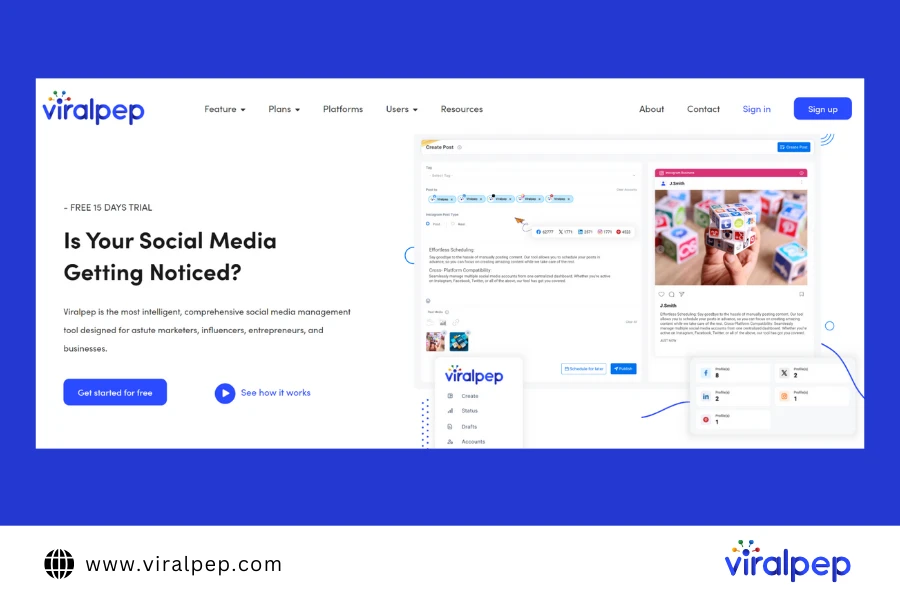
    Viralpep stands out as an outstanding social media marketing tool. It seamlessly schedules, manages, and analyzes social media posts across various platforms, making it indispensable for businesses aiming to enhance their social media presence.

    Viralpep ensures that your social media marketing efforts are both efficient and effective. You can easily monitor your brand’s performance and engagement across different social media platforms, helping you to refine your strategies and boost your online presence. Viralpep offers the below outstanding features as a leader in the social media management industry.

    • Create

      At Viralpep, we make it easy to seamlessly schedule, manage, and analyze your social media posts across various platforms. Our user-friendly interface empowers you to effortlessly create engaging content tailored to your audience, ensuring that your posts resonate and drive meaningful engagement. With our tools, social media content creation becomes a breeze, allowing you to consistently produce and share high-quality posts.

    • Schedule

      Planning and scheduling your social media posts has never been easier. With Viralpep’s intuitive social media scheduling tool, you can set up your posts in advance, ensuring a consistent and timely presence across all your social media platforms. Spend less time on manual posting and more time focusing on creating quality content.

    • Analytics

      Gain deep insights into your social media performance with Viralpep’s robust social media analytics tool. Monitor your brand’s performance and engagement across different social media platforms, helping you to refine your strategies and boost your online presence. With detailed reports and real-time data, you can make informed decisions to optimize your social media marketing efforts.

    • Collaborate

      Collaboration is seamless with Viralpep. Whether you’re working with a team or managing multiple clients, our platform offers features that enable smooth collaboration. As one of the best social media collaboration tools, Viralpep allows you to assign tasks, share content ideas, and ensure everyone is on the same page with clear communication and streamlined workflows.

      Start your 15-day free trial today and discover how Viralpep can transform your social media marketing efforts!

      viralpep-tool

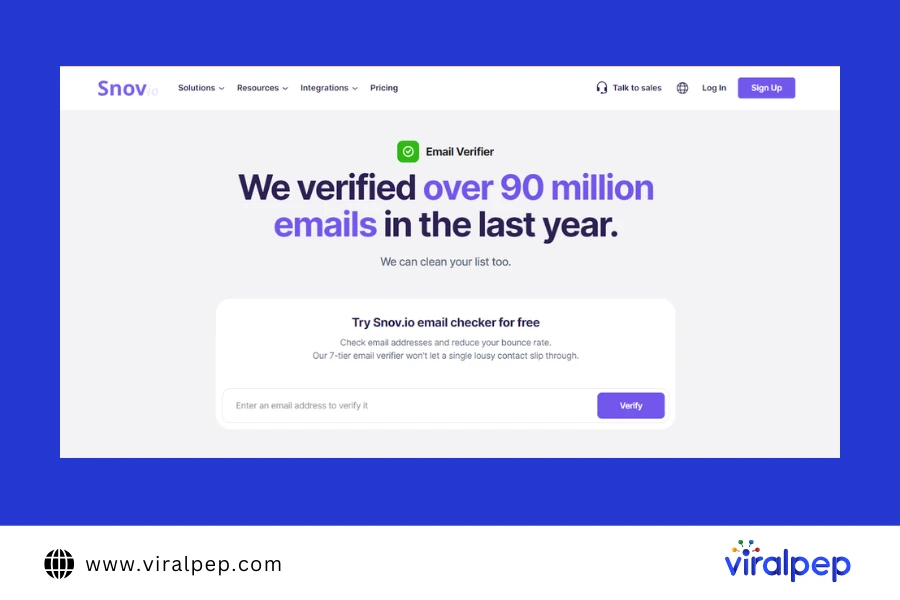
  2. Snov.io

    Snov.io is a robust marketing automation solution that focuses on email marketing and lead generation. It offers a wide range of capabilities, including email verification, drip marketing, email tracking, and lead management.

    The platform’s email verification tool ensures that your email list is clean and up-to-date, reducing bounce rates and improving deliverability. Drip marketing campaigns allow you to nurture leads with automated email sequences, while email tracking provides insights into open rates and click-through rates.

    Snov.io also integrates with popular CRM systems, making it easy to manage your leads and streamline your sales process. Its user-friendly interface and effective cold email capabilities make it the top choice for businesses looking to enhance their email outreach.

    Snov.io-tool

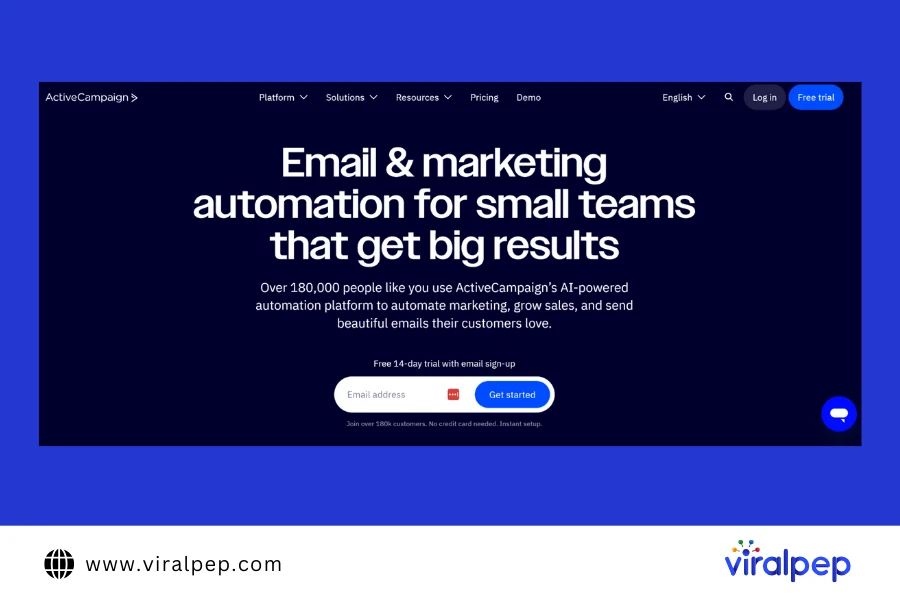
  3. ActiveCampaign

    ActiveCampaign combines email marketing, marketing automation, and CRM technologies into one powerful platform. It offers advanced segmentation and targeted messaging, allowing you to deliver personalized content to your audience.

    The multi-channel marketing capabilities enable you to reach your audience through email, SMS, social media, and more. ActiveCampaign’s automation workflows help you automate repetitive tasks and create complex marketing sequences with ease.

    Users praise its automated procedures and customer service, which provide excellent support and guidance. The detailed analytics and reporting tools help firms fine-tune their marketing efforts, optimize campaigns, and track ROI.

    ActiveCampaign-tool

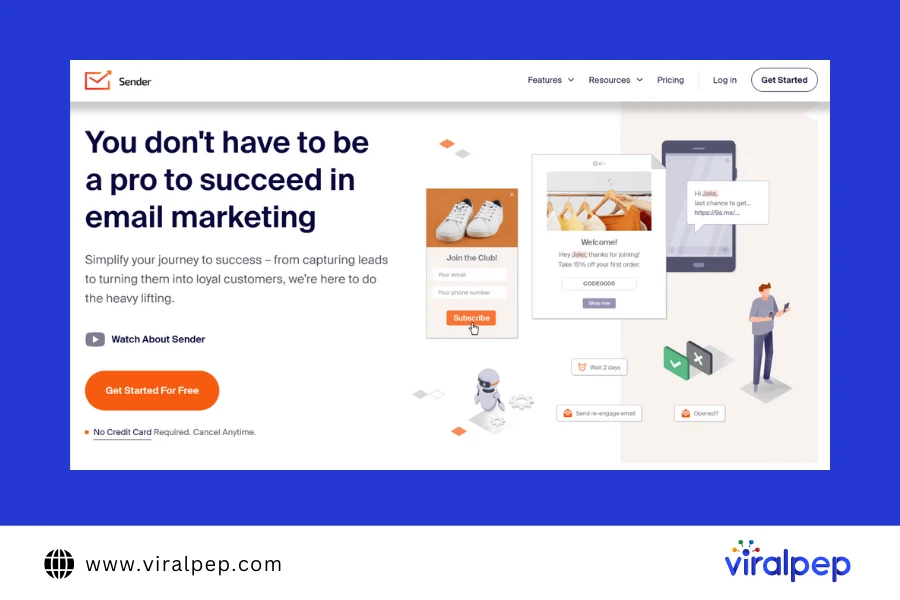
  4. Sender

    Sender is known for its simplicity and affordability, making it an excellent choice for small businesses and startups. It offers features like email marketing, SMS campaigns, and automation workflows.

    Sender’s high deliverability rate ensures that your messages reach your audience’s inbox, while the easy-to-use drag-and-drop editor allows you to create beautiful emails without any coding skills. The platform also provides real-time analytics and reporting, so you can track the performance of your campaigns and make data-driven decisions.

    Sender’s automation workflows enable you to set up automated email sequences based on user behavior, ensuring that your audience receives timely and relevant content.

    Sender-tool

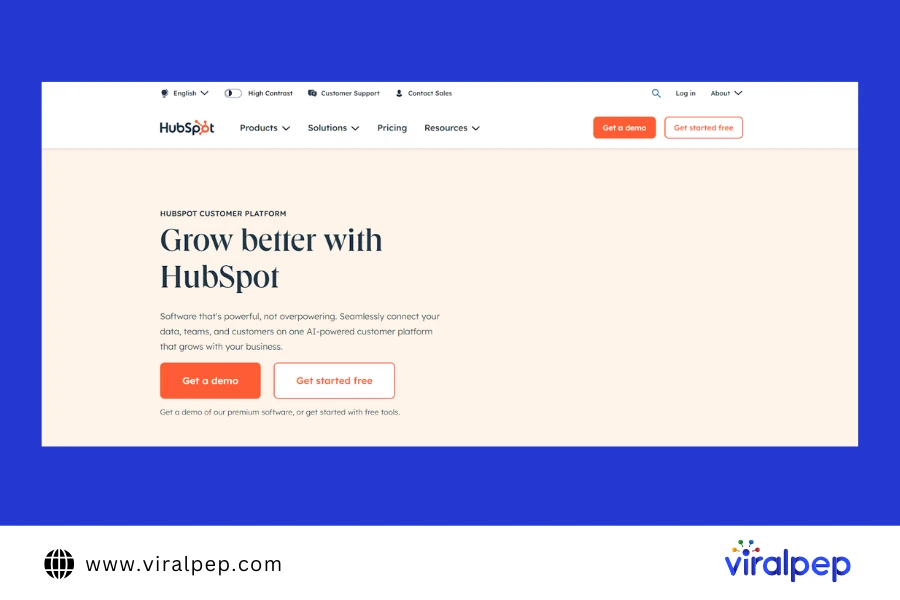
  5. Hubspot

    Hubspot is a comprehensive inbound marketing, sales, and service software that is popular worldwide. It offers a wide range of tools for email marketing, social media management, content creation, and CRM integration.

    Hubspot’s all-in-one platform integrates separate marketing efforts, providing a seamless experience for users. The email marketing tool includes customizable templates, A/B testing, and detailed analytics to track the performance of your campaigns. The social media management tool allows you to schedule, publish, and analyze your social media posts from one place.

    Hubspot’s CRM integration ensures that all your customer data is centralized, making it easy to manage your contacts and track interactions. The reporting features help businesses track and optimize their campaigns, providing insights into key metrics like conversion rates and customer engagement.

    Hubspot-tool

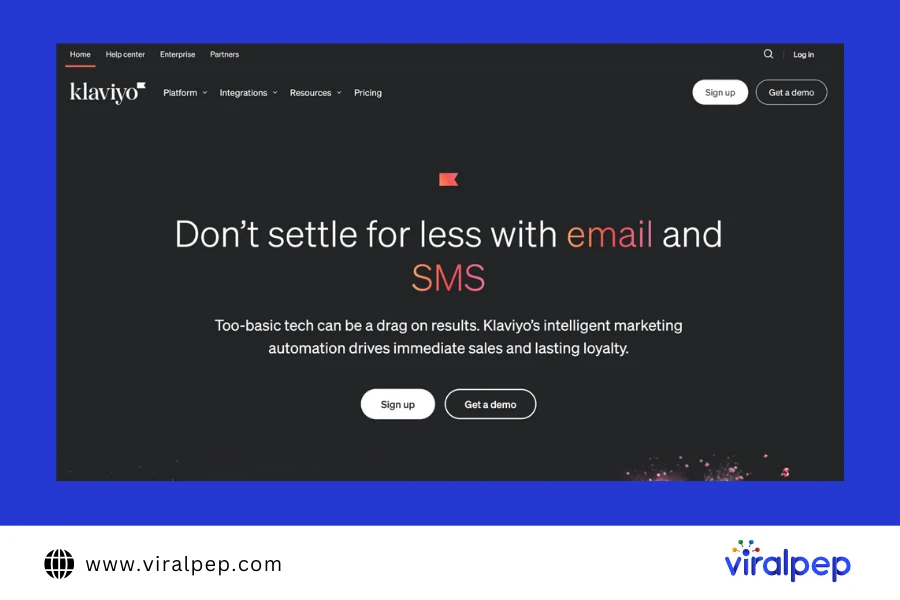
  6. Klaviyo

    Klaviyo excels in e-commerce marketing with superior segmentation and customization capabilities. It integrates smoothly with popular e-commerce platforms like Shopify, Magento, and WooCommerce.

    Klaviyo’s powerful segmentation tools allow you to create highly targeted email campaigns based on customer behavior, purchase history, and other data points. The platform’s automation features enable you to set up automated email sequences, such as welcome series, abandoned cart reminders, and post-purchase follow-ups.

    Klaviyo also offers robust built-in analytics, providing insights into your campaign performance and customer behavior. The platform’s user-friendly interface and extensive library of pre-built templates make it easy to create professional-looking emails that resonate with your audience.

    Klaviyo-tool

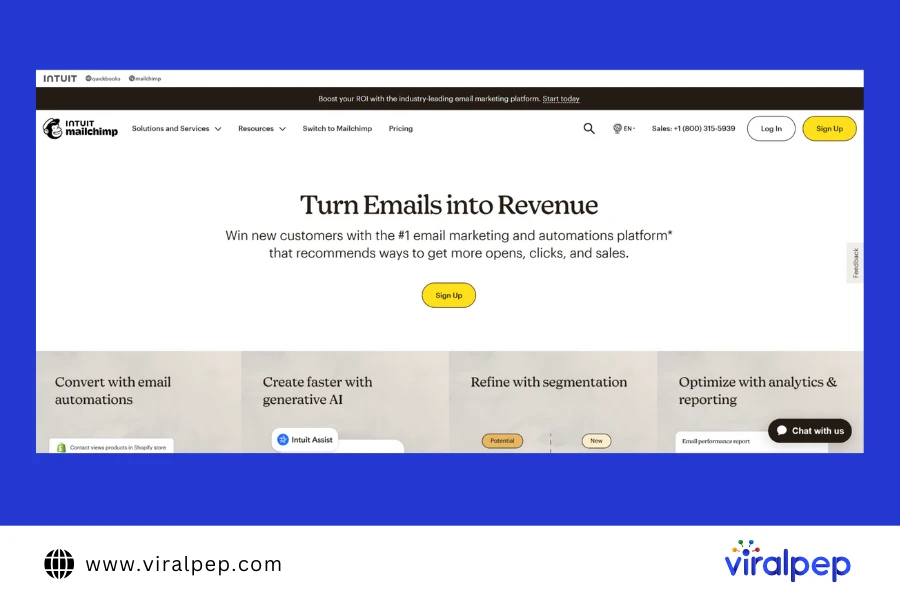
  7. MailChimp

    MailChimp is well-known for automating email marketing and is perhaps one of the most recognized names on the list. It offers a wide range of features, including customizable email templates, automation workflows, and detailed analytics. MailChimp’s drag-and-drop editor makes it easy to create visually appealing emails without any coding skills.

    The platform’s automation workflows allow you to set up automated email sequences, such as welcome series, birthday emails, and re-engagement campaigns. MailChimp also provides robust analytics and reporting tools, helping you to track the performance of your campaigns and make data-driven decisions.

    The free tier of MailChimp increases its accessibility for smaller businesses, while the premium tiers offer additional features like advanced segmentation, multivariate testing, and custom branding.

    MailChimp-tool

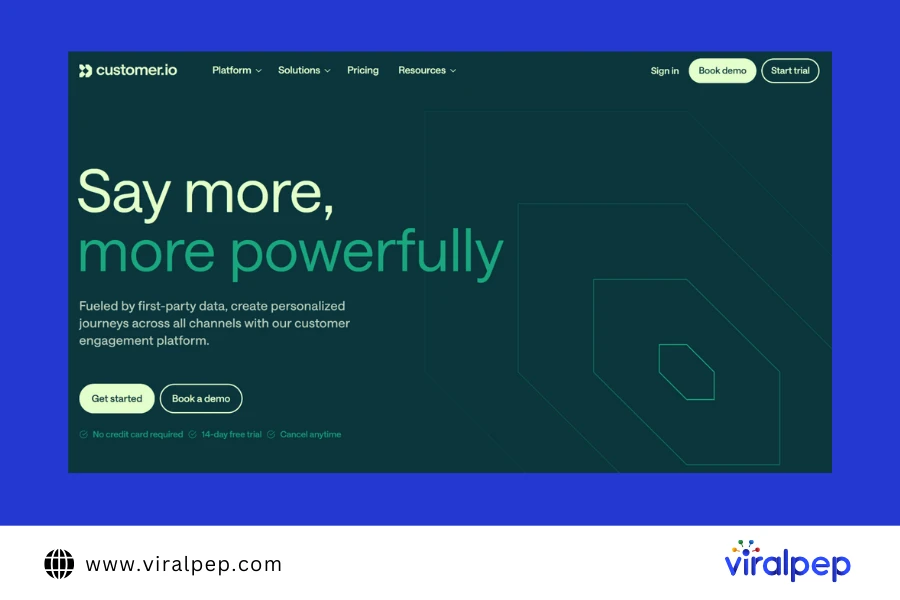
  8. Customer.io

    Customer.io focuses on customer engagement and messaging with powerful workflow automation. It allows businesses to send personalized messages based on user behavior, ensuring that your audience receives relevant and timely content.

    Customer.io’s trigger-based automation lets you set up automated workflows that are triggered by specific actions, such as signing up for a newsletter, making a purchase, or abandoning a cart. The platform’s segmentation tools enable you to create highly targeted email campaigns based on customer data and behavior.

    Customer.io also provides real-time analytics and reporting, giving you insights into your campaign performance and helping you to optimize your marketing efforts. The user-friendly interface and extensive documentation make it easy to set up and manage your automated workflows.

    Customer.io-tool

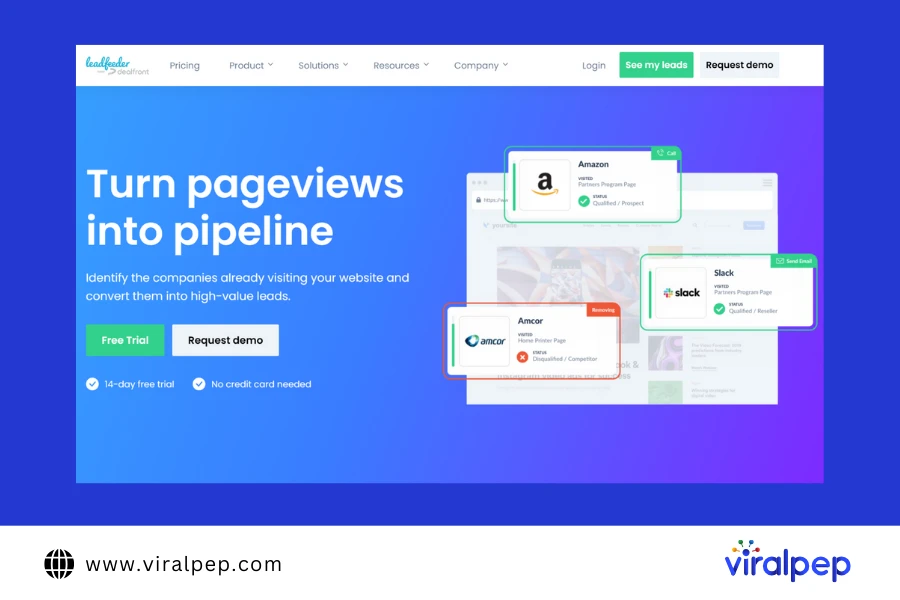
  9. Leedfeeder

    Leedfeeder is a powerful tool for lead generation and sales automation. It identifies the companies visiting your website and provides detailed information about them, including contact details and behavioral data.

    Leedfeeder’s integration with CRM systems like Salesforce and Hubspot ensures that your lead data is automatically synced with your sales pipeline. The platform’s automation features allow you to set up lead scoring, assign leads to sales reps, and create automated follow-up sequences.

    Leedfeeder’s in-depth reporting capabilities provide insights into your website traffic, lead sources, and conversion rates, helping you to optimize your lead generation efforts. The user-friendly interface and accessible support make it easy for businesses of all sizes to implement and use Leedfeeder effectively.

    Leedfeeder-tool

  10. Brevo

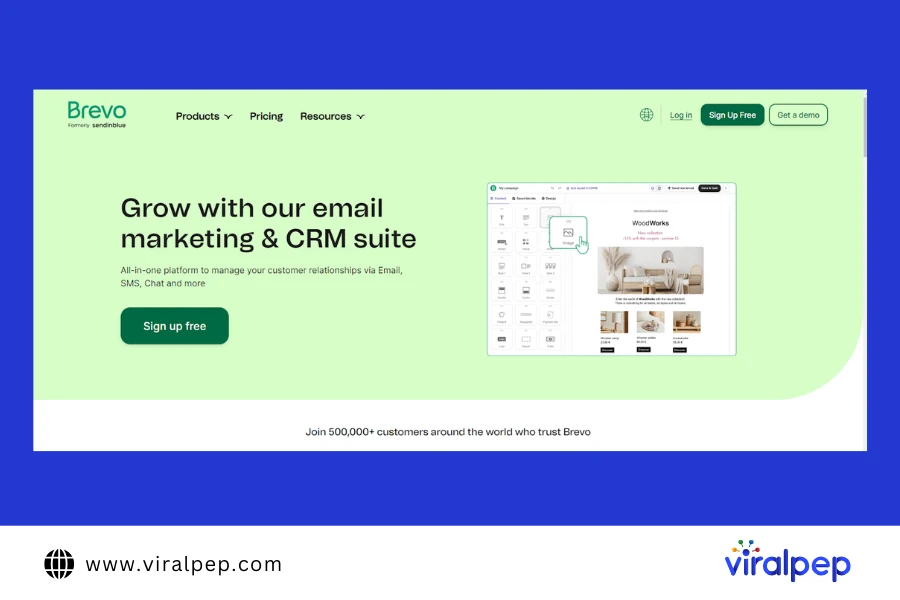
    Brevo (formerly Sendinblue) is an affordable all-in-one solution with a comprehensive suite of marketing tools. It offers email marketing, SMS marketing, automation workflows, and detailed analytics.

    Brevo’s email marketing tool includes customizable templates, A/B testing, and advanced segmentation capabilities, allowing you to create highly targeted email campaigns. The SMS marketing tool enables you to send personalized text messages to your audience, ensuring that your messages reach them wherever they are.

    Brevo’s automation workflows allow you to set up complex marketing sequences based on user behavior, such as welcome series, abandoned cart reminders, and re-engagement campaigns. The platform’s strong emphasis on deliverability ensures that your messages reach your audience’s inbox. Brevo’s user-friendly interface and extensive documentation make it easy to set up and manage your marketing campaigns.

    Brevo-tool

Conclusion

Marketing automation tools are essential for businesses aiming to streamline their marketing efforts and improve campaign outcomes. At Viralpep, our social media management tool automate repetitive tasks, freeing up valuable time and resources so marketers can focus on strategy and creativity.

Whether you’re a small business owner or part of a large company, Viralpep’s marketing automation tools can transform your marketing performance. In 2024, choose Viralpep to help you achieve your marketing goals with ease and efficiency.

10 Best Social Media Scheduling Tools To Save Time

Ever feel like you’re living in a social media vortex? You’re constantly bouncing between social media platforms, managing multiple accounts, scrambling to create content, and constantly checking for engagement? Yeah, we’ve all been there. 

Previously, social media managers created elaborate schedules using Excel, analyzing data to find the best times to post manually under each profile.

The truth is, managing social media can be a real-time suck, especially when you’re handling several accounts at once. But fear not, fellow social media warriors! Social media scheduling tools are here to save the day.

These powerful platforms allow you to:

  • Schedule Posts In Advance

    No more scrambling to create content in real-time. Schedule your posts for optimal publishing times and ensure a consistent presence across all your channels.

  • Customize Content For Each Platform

    Tailor your message to fit the specific nuances of each social media network. Maximize engagement by using the right language, tone, and visuals for each audience.

  • Collaborate With Your Team

    Share a unified calendar with your team, allowing everyone to stay on the same page regarding content planning and publishing.

  • Track Analytics

    Gain valuable insights into your social media performance and see what content resonates best with your audience.

Using a social media scheduling tool simplifies post management across multiple accounts and provides a shared team calendar. This makes it easier for social media managers to plan, publish, and track analytics seamlessly.

Pretty amazing, right? Keep reading to ditch the social media struggle bus.

Top 10 Social Media Scheduling Tools For 2024

With many social media tools on the market, choosing the right one can feel overwhelming. To help you navigate this crowded space, we’ve compiled a list of the top 10 social media scheduling tools for 2024. Stay tuned for the next section, where we’ll delve into these powerful platforms and help you find the perfect fit for your needs!

  1. Viralpep

    If you’re in search of a comprehensive social media scheduling tool, Viralpep is an excellent choice.

    Viralpep’s customers, ranging from small businesses to large enterprises and agencies, praise the platform for its ease of use in planning, organizing, and executing content and campaigns across various social networks.

    Switching between multiple social networks can be time-consuming. Many brands publish content across several platforms, and Viralpep simplifies this by allowing you to publish your latest Facebook posts, Instagram photos, and tweets all at once.

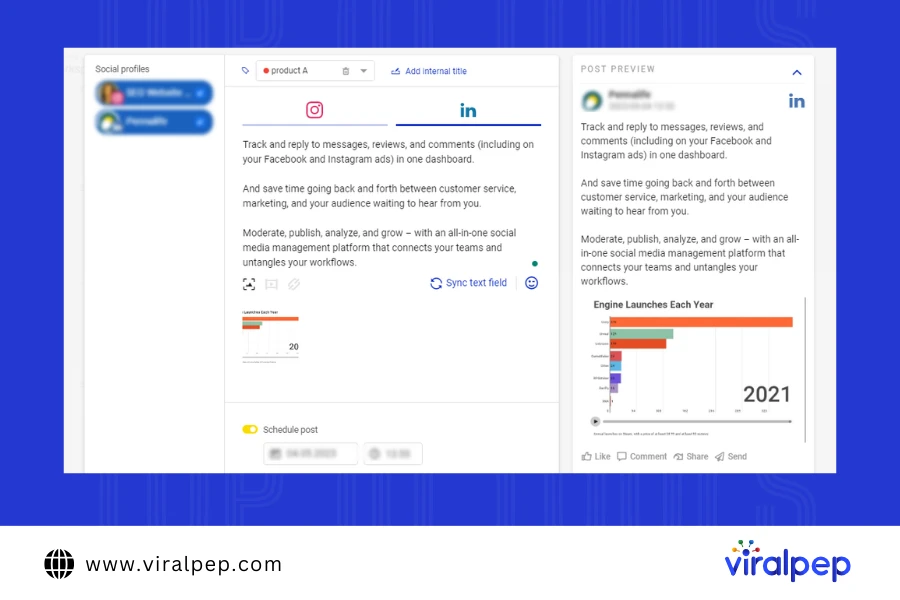
    Viralpep Social Media Scheduling Tool

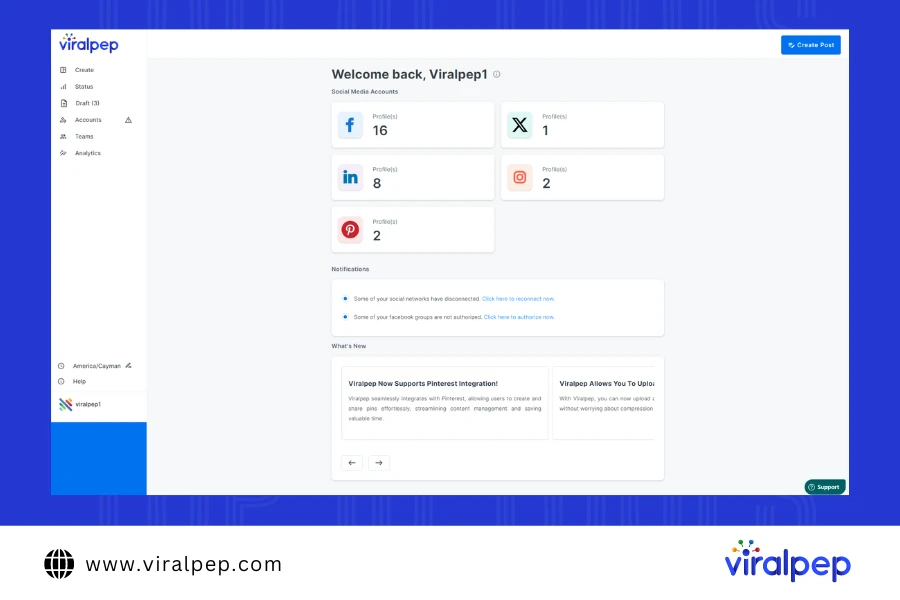
    Beyond its advanced scheduling tools, Viralpep offers an interactive analytics dashboard and a dedicated team management space, making collaboration easier. User-level permissions enable marketing managers, writers, and other team members to contribute effectively to your publishing strategy.

    After your content is scheduled and published, Viralpep provides tools to measure your success and adjust your strategy as needed.

    You can create groups to organize social campaigns more effectively and use Viralpep’s user-friendly social media analytics to track impressions, engagement, follower growth, and more.

    Viralpep Social Media Scheduling Tool

    From analyzing hashtags to identifying top-performing content, Viralpep is the ultimate optimization tool for brands aiming to enhance their social media presence and streamline content scheduling.

    Viralpep not only gives you the flexibility to plan your publishing strategy but also makes it easy to automate the process for maximum results.

    Viralpep’s scheduling technology helps you determine the best posting times for your audience, replacing guesswork with data-driven engagement.

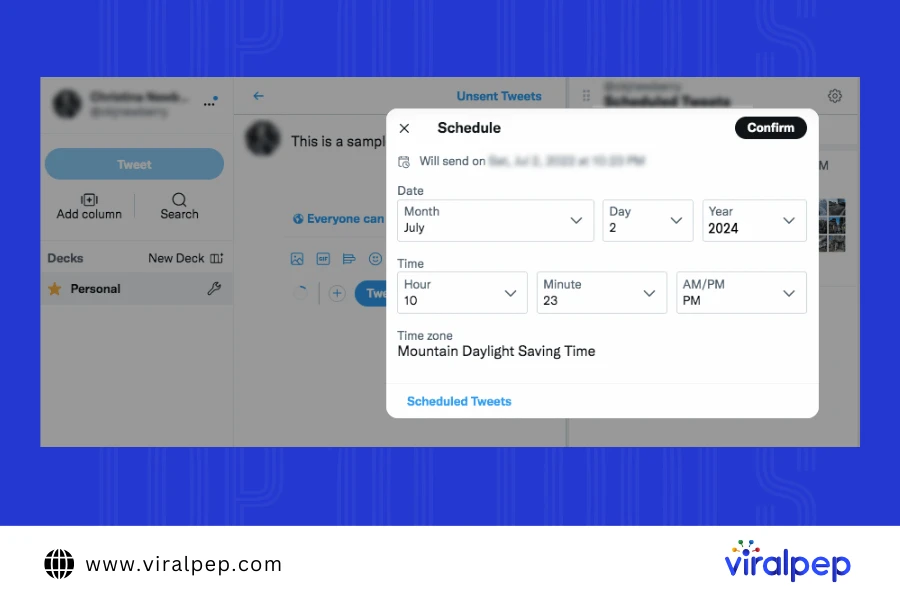
  2. Tweetdeck

    Tweetdeck is a free social media scheduling tool focused on Twitter. Its simple interface allows you to manage multiple Twitter accounts efficiently.

    Tweetdeck Social Media Scheduling Tool

    Tweetdeck integrates seamlessly with Twitter, offering a straightforward scheduling tool for queuing tweets across multiple accounts. Set up your tweet, choose a time, and watch it go live. It’s a simple yet effective tool.

    Despite its simplicity, Tweetdeck offers a comprehensive Twitter dashboard. You can view your live feed, notifications, mentions, and other activities all in one place. You can save tweets for future posting, and Tweetdeck allows you to customize the view of your pages.

    Tweetdeck is a free enhancement for your Twitter account. Even if you use another tool for scheduling Twitter posts, you might want to experiment with Tweetdeck for its simplicity and functionality.

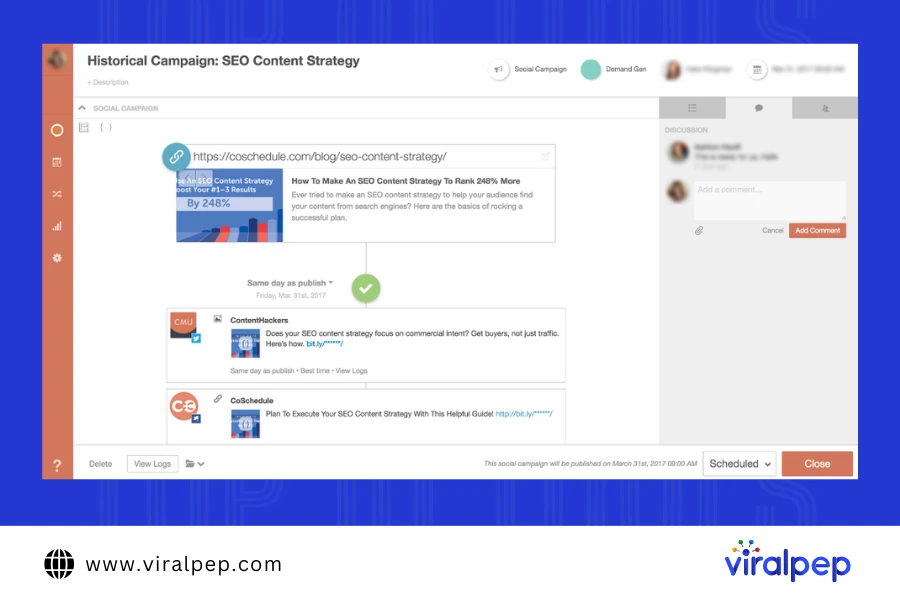
  3. CoSchedule

    CoSchedule is designed for efficiency, catering to both marketing teams and individuals. The platform integrates with company blogs via WordPress, allowing brands to publish and distribute content to social media simultaneously.

    Coscheduel Social Media Tool

    A standout feature of CoSchedule is the “Top Content Report,” which tracks social shares and engagement. This is particularly useful for social media content creators who want to understand which pieces resonate most with their audience.

    You can also attach items from Google Drive, your computer, and CoSchedule’s Headline Studio.

    Unlike other social media scheduling tools, CoSchedule emphasizes content creation alongside social performance. Features like the “ReQueue” Bucket enable teams to automatically recycle and schedule their best messages, ensuring a steady flow of fresh content in your brand’s feed.

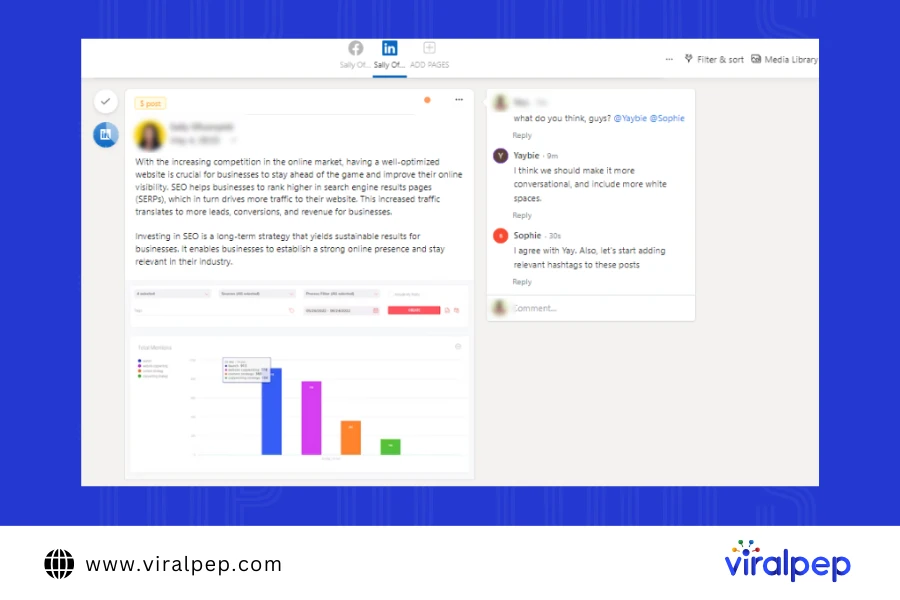
  4. Planable

    Planable offers many features typical of modern social media scheduling tools, focusing on teamwork and social media collaboration.

    Planable Social Media Scheduling Tool

    One standout feature is Planable’s commenting and approval system for scheduled social media posts. Team members can collaborate through comments to refine scheduled content before it goes live. Users can internally approve posts or await client approval, particularly useful for agency teams.

    Roles and permissions enable different departments to collaborate effectively, ensuring smooth transitions from content creation to publication. Planable also includes labels for content organization and an AI tool for brainstorming social media content ideas.

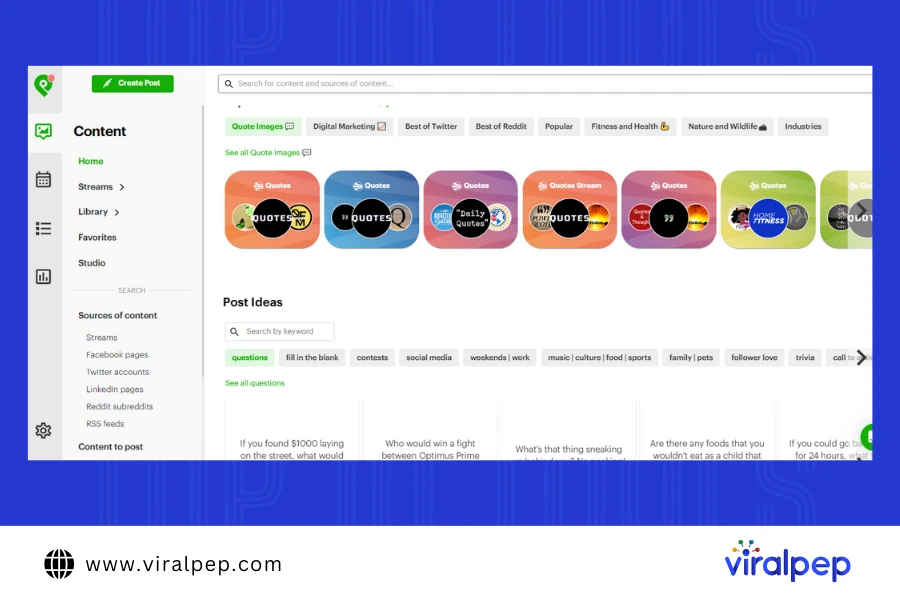
  5. Post Planner

    Post Planner aids in content creation and scheduling, emphasizing the importance of diverse content to grow your following.

    Post Planner Content Creation and Scheduling Tool

    Users can discover and schedule content ideas directly within Post Planner from sources like Reddit subreddits, RSS feeds, and content suggestions.

    Post Planner curates top-rated content based on engagement metrics, optimizing post times based on audience insights.

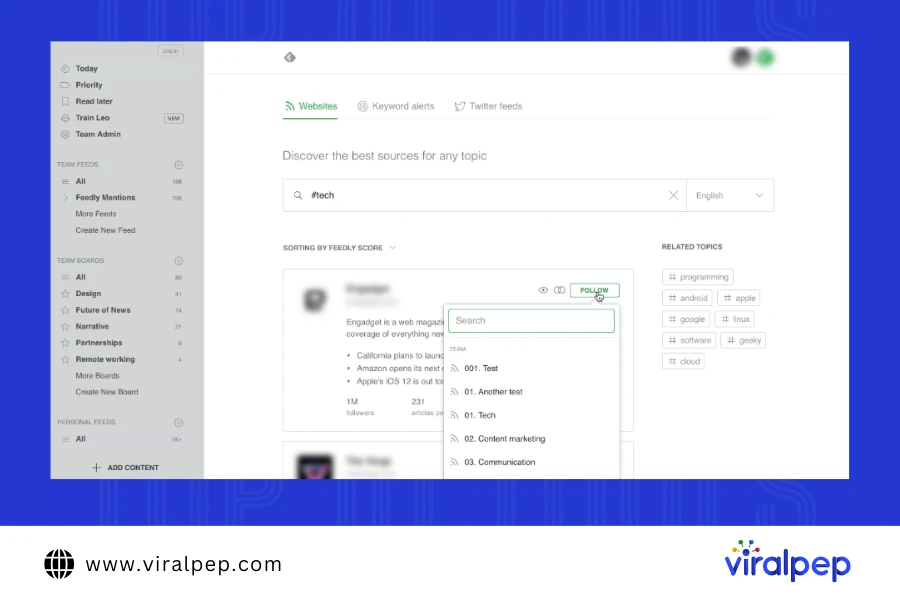
  6. Feedly

    Feedly is a scheduling tool that focuses on content curation.

    Many brands struggle with knowing what to post to grow their online presence. Finding fresh content can be time-consuming and tiring, and you don’t want to post your own material repeatedly.

    This is where Feedly comes in.

    Feedly Scheduling Tool

    Feedly’s platform curates content for your social media calendar automatically. Instead of scouring the internet for news or relevant pieces to share with your audience between your own posts, Feedly does the work for you.

    Managing your social feeds shouldn’t take up all your time. Tools like Feedly relieve the pressure on marketers to save constantly and bookmark content for future sharing.

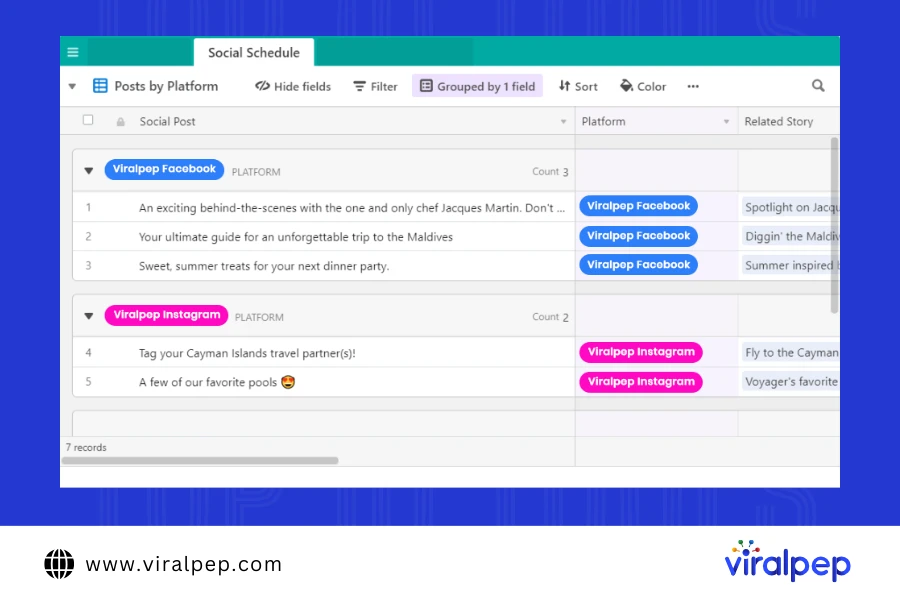
  7. Airtable

    Airtable combines content planning and social media scheduling. Teams or individuals can use it to plan future content and determine how it will be promoted across various social media platforms.

    It’s clear that social media scheduling and content creation go hand in hand.

    Airtable Social Media Scheduling Tool

    When you sit down to write a blog post, you’re likely thinking about your audience and how to craft content that will be widely shared. You want to maximize the reach of your content through social sharing.

    This involves planning your content strategically.

    Airtable’s asset manager is another great feature, providing consistency across your campaigns and ads before they go live. In short, Airtable helps you stay ahead by allowing you to preview your social media posts before they are published. Being prepared is always beneficial.

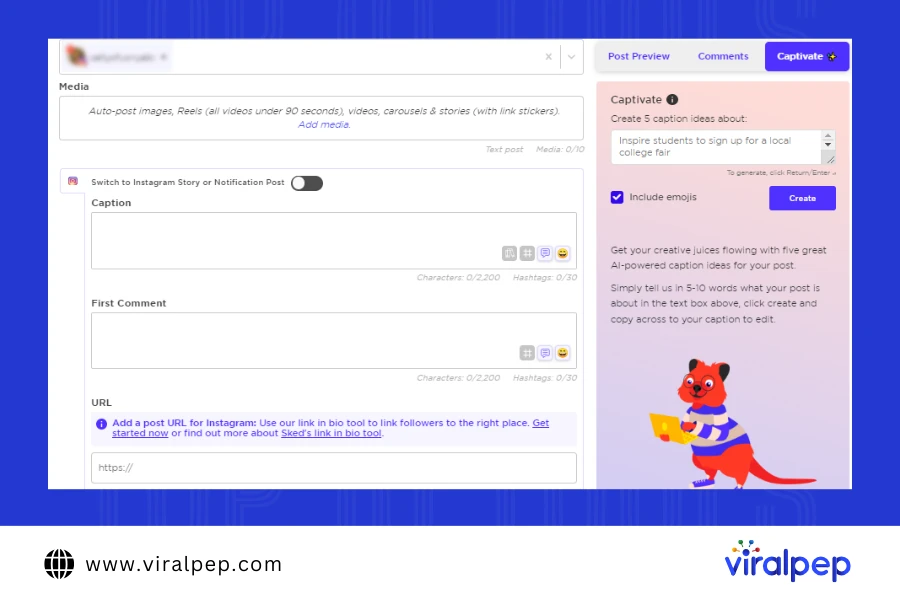
  8. Sked Social

    Sked Social is primarily an Instagram scheduling tool but supports scheduling for other social networks as well.

    Sked Social Platform Tool

    The platform’s content queue allows users to prepare photos, captions, and hashtags for reuse. A real-time, drag-and-drop preview of Instagram posts before publishing allows for quick adjustments to aesthetic preferences.

    Built-in post templates and various photo editing filters enhance creativity, especially beneficial for managing visual content on Instagram.

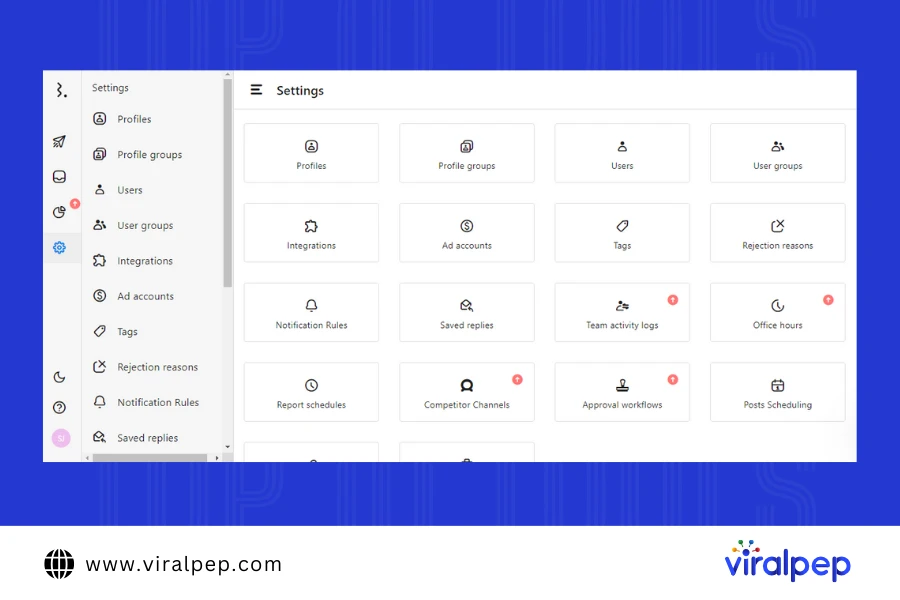
  9. StatusBrew

    StatusBrew offers a comprehensive dashboard for teams to schedule social media content.

    StatusBrew Schedule Social Media Content

    Users can group profiles and users, establish approval workflows, and tag posts. The platform includes features for tracking campaigns, competitor accounts, and content engagement.

  10. NapoleonCat

    NapoleonCat is a social media scheduling tool enabling teams to categorize and label content.

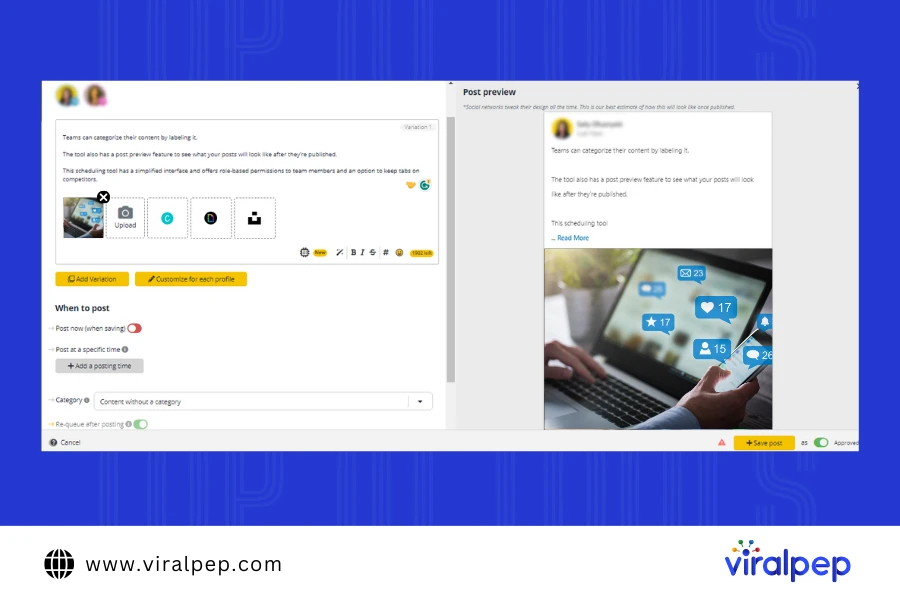
    NapoleonCat Social Media Scheduling Tool

    It features a post preview function to visualize posts before publishing, with a user-friendly interface. Role-based permissions ensure secure collaboration among team members, including the ability to monitor competitors.

  11. SocialBee

    SocialBee features a user-friendly interface designed for seamless scheduling.

    Socialbee Scheduling Tool

    Its category feature allows users to group content based on usage patterns. A/B testing capabilities enable testing of different post variations to optimize performance. Users can generate reports to refine their social media strategies.

Why Use Social Media Scheduling Tools?

Social media scheduling tools offer a myriad of benefits that can significantly streamline your social media management. Here’s why incorporating them into your strategy is a smart move:

  • Save Time

    Plan and schedule your social media posts in advance, freeing up time and simplifying management across multiple accounts.

  • Maintain Consistency

    Automate your posting to keep your social media presence active and consistent, building a strong brand image.

  • Optimize Posting Times

    Use analytics to post when your audience is most engaged, maximizing your content’s reach and impact.

  • Collaborate Efficiently

    Easily coordinate with team members on a single platform, streamlining workflows and boosting productivity.

  • Track Performance

    Gain insights into your content’s performance with analytics, helping you refine your strategy.

  • Manage Multiple Networks

    Control and post to various platforms like Facebook, Instagram, and Twitter from one centralised tool.

  • Access From Anywhere

    With both web and mobile apps available, you can manage your social media content on the go from any device, giving you the flexibility to stay on top of your social media schedule from anywhere.

  • Pocket Friendly

    Using scheduling tools can be a cost-effective alternative to hiring a dedicated social media manager or an agency. They provide a comprehensive solution for efficiently managing your social media accounts without incurring high costs.

All in all, integrating the right social media scheduling tool into your workflow can lead to significant time and cost savings while enhancing the effectiveness of your social media efforts. The increased efficiency and optimization these tools offer are invaluable for today’s busy marketers looking to boost their brand’s online presence.

Tips for Making Social Media Scheduling a Breeze

Using social media scheduling tools can really simplify your life. But there are a few extra steps you can take to make the whole process even easier and more efficient. Check out these tips to upgrade your social media presence!

  • Keep Your Hashtags Handy

    Save a list of your go-to hashtags so you can quickly add them to your posts without having to search every time. This little trick can save you a lot of time and help you stay consistent with your hashtag strategy.

  • Spice Up Your Social Strategy

    Don’t just stick to what’s always worked—mix in some new and experimental content too. Scheduling tools are great because you can queue up your evergreen favorites and new, trending topics. It’s like having a content buffet at your fingertips!

  • Keep an Eye on Your Content’s Performance

    Posting and walking away is a thing of the past. Keep track of how your posts are doing by looking at engagement levels and what your audience is interested in. This way, you can keep creating content that really hits the mark with your followers.

Final Verdict

Now that you’ve explored the top social media scheduling tools for 2024, did any of our picks catch your eye?

While there are numerous paid and free social media scheduling tools available, only a handful truly stand out. Some paid options may be overly expensive or lack the features your platform requires, while others might not deliver the performance you expect.

That’s why we’re confident in recommending Viralpep. It allows you to effortlessly publish across all social media channels without wasting time. Collaborate seamlessly with your team and clients to make an immediate impact.

If you’re ready to elevate your social media strategy, start your trial with the scheduler that best fits your needs. With the right tool at your disposal, you’ll save time, boost engagement, and achieve your social media objectives more effectively than ever before.

Ready to streamline your social media management? Start your 15-day trial with Viralpep and enhance your social media presence in no time!

FAQs

What’s the Easiest Social Media Scheduling Tool to Use?

When managing your social media, ease of use is key. Many scheduling tools work just like calendar apps like Google Calendar, offering a familiar and intuitive interface. However, Viralpep takes simplicity to the next level. It’s designed with user-friendly navigation that makes scheduling a breeze. The best part? There’s a free option available, so you can try it out without any commitment.

Why Do I Need a Social Media Scheduling Tool?

Posting content across various social media platforms can feel like a juggling act. Logging in and out of different accounts, posting one update at a time—it’s a hassle that eats up your day.

That’s where Viralpep comes in, allowing you to manage and schedule all your posts from one central dashboard. This means you can plan your content, set it, and forget it, giving you more time to focus on creating engaging content and connecting with your audience.

Do Scheduled Posts Get Fewer Views?

You might wonder if a scheduling tool could impact the reach of your posts. The short answer is no. Whether you’re posting directly on Facebook, Instagram, Twitter, LinkedIn, Pinterest, or using a scheduler like Viralpep, it won’t affect the number of views or the engagement your posts receive. Scheduled posts are treated the same as any other, so you can rest easy knowing your content will reach your audience just as effectively.

Top Marketing Tools That Can Leverage Your Business Growth

Nowadays, in a fast-moving business world, companies have amped up marketing games with a variety of marketing tools coupled with AI. These digital tools bring a new stance to marketing by simplifying tasks, collecting useful user information, providing insights, and helping increase reach to foster impactful relationships with clients. In this article, we’ll understand the top 10 marketing tools that you can leverage for your business growth and next-level exposure.

What are Marketing Tools?

Marketing tools are digital tools or software for advertising, research, lead generation, increased sales, etc. that help companies effectively reach their target audience. It also helps them get better insight into their user behavior and market to design their campaigns. From social media to maintaining customer relations, these tools help businesses deliver hyper-personalized services and stay ahead of the competition.

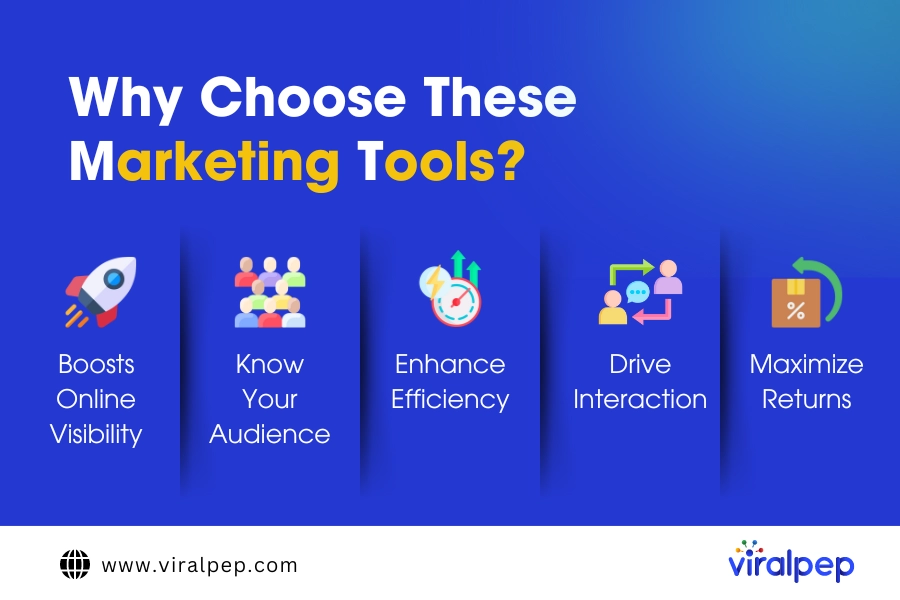
Why Choose These Marketing Tools?

Harnessing these digital marketing tools gets you benefits like: choose marketing tools

  • Boosts Online Visibility:

    These marketing tools are SEO-friendly, cover many platforms, are feature-rich, and are engaging, increasing your presence online.

  • Know Your Audience:

    It helps understand the audience’s preferences and personalize their approach to conversion.

  • Enhance Efficiency:

    Automate workflow, plan content, and analyze data for smoother operation.

  • Drive Interaction:

    Create content that attracts customer engagement and track metrics.

  • Maximize Returns:

    Real-time analysis, data-driven methods, and optimized strategies result in increased ROI.

So, let’s look at the top marketing tools that you can use for your growth.

Top Marketing Tools to Leverage for Your Business

  1. Viralpep

    An efficient, results-oriented, feature-rich social media management tool with a focus on efficiency and reliability. It is designed to simplify social media scheduling and posting across various platforms. Trusted by thousands of businesses to maximize their user engagement, it streamlines marketing efforts, ensuring a consistent social media presence.

    Key Features:

    • Comprehensive features for content and analytics.
    • Content calendar for better organization.
    • Post-preview functionality.
    • Performance analytics for tracking engagement.
    • User-friendly interface for seamless navigation.

    Pros:

    • Simplified, intuitive management of social media content.
    • Collaboration and performance analytics.

    Cons:

    • Starting up may get a little complex.
    • Advanced integration limitations.

    Pricing:

    Starts at $25 per month.

  2. SEMrush

    SEMrush is an SEO and SEM tool used and trusted by 7 million global marketers. Easy to use, it is a holistic digital platform for businesses to rule SERPs, increasing visibility and visitors for ROI.

    Key Features:

    • Comprehensive SEO with keyword research
    • Competitor analysis and content optimization
    • Backlink monitoring for site optimization
    • Domain-specific content analysis.
    • Tailored data reporting and market research.

    Pros:

    • A large database for more accurate results.
    • Comfortable UI with a high level of functionality.

    Cons:

    • Starting up may get a little complex.
    • Costly add-ons for more features

    Pricing:

    Free and paid plans starting at $129.95 per month.

  3. Mailchimp

    Mailchimp, a leading email marketing tool also used for advertising, is trusted by millions worldwide for its user-friendly interface and features to streamline email campaigns. With 300+ integrations. Mailchimp helps all types of businesses plan their email marketing campaigns to drive conversions and nurture leads.

    Key Features:

    • Drag-and-drop features to customize email templates
    • Advanced audience segmentation options
    • Triggered events to automate emails
    • Detailed campaign analytics for revenue generation
    • Integration with e-commerce platforms

    Pros:

    Cons:

    • Limited customization options for the free plan.
    • Email scheduling is not available on the free plan.

    Pricing:

    One-month free trial and paid plans start at ₹385/month for 12 months.

  4. Google Analytics

    Google Analytics is a data and analytics tool, with nearly 50 million websites in the world using it. Backed by Google, it works wonders for small businesses, providing deeper insight into website traffic and user behavior to increase their conversion ratios.

    Key Features:

    • Real-time website data tracking
    • Audience demographics and interests
    • Behavior flow analysis
    • Conversion tracking and traffic
    • Customizable reporting and dashboards

    Pros:

    • Full reports about website performance, especially with WordPress and Wix.
    • Enjoying utmost efficiency with plenty of functionalities.

    Cons:

    • Steep learning curve for beginners.
    • Data overload results in complex navigation.

    Pricing:

    Free to use.

  5. Hotjar

    Hotjar is widely embraced by marketers as an e-commerce marketing tool for in-depth user behavior analysis and bounce rate reduction. Its capabilities include collecting direct feedback and other data to enable customer interaction, enhance service quality, and boost conversion rates. Businesses rely on features such as these to drive improvements in their operations.

    Key Features:

    • Heatmaps with visualization for user interactions.
    • Session recordings to follow users’ behavior.
    • Interacting with customers through questionnaires.
    • User-friendly interface to navigate the website with ease.
    • Advanced analytics for in-depth understanding.

    Pros:

    • Enables conversion funnels and behavior logic.
    • Offers real-time session recordings.

    Cons:

    • Excessive user data increases complexity.
    • It is difficult to set up.

    Pricing:

    Free-to-use and paid plans start at $32 per month.

  6. Canva

    Canva is a very well-known design and marketing tool that is best for small businesses and freelancers to help create amazing graphic materials meant for marketing without a background in graphic design. With more than 170 million users around the world, Canva is the must-have solution for myriad marketing content with user-friendly yet professional tools.

    Key Features:

    • Intuitive drag-and-drop interface.
    • Thousands of customizable templates for business cards, banners, e-books, presentations, etc.
    • Access to countless images and graphics.
    • The brand kit is to define branding.

    Pros:

    • Collaboration features for team projects.
    • Extensive templates and graphics library.

    Cons:

    • IP rights remain with Canva.
    • You cannot move a design to another design.
    • Some templates come with a cost.

    Pricing:

    Limited free version and paid plans start at ₹3,999/year for one person.

  7. Google Trends

    A popular SEO tool backed by Google is Google Trends, which helps track the popularity of search queries over time. With millions of users worldwide, it provides useful information regarding trending topics and search patterns, enabling marketers to roll out timely and relevant content strategies.

    Key Features:

    • Nowcasting of the internet searches in real-time.
    • Comparison of keyword popularity.
    • Regional interest insights.
    • Related queries and topics.
    • Historical data for trend analysis.

    Pros:

    • Know about trending topics for content generation.
    • See which keyword is popular during a certain period.

    Cons:

    • Insufficient information on particular age groups and gender features.
    • Trends can originate from and change due to various external factors.

    Pricing:

    Free to use.

  8. BuzzSumo

    BuzzSumo is a social media analytics platform for content marketing. Started in 2014, nearly 52% of businesses in the US are leveraging its vast data from over 6 social media platforms. Significantly, BuzzSumo caters to content creators, marketers, PR agencies and professionals, media managers, and publishers worldwide.

    Key Features:

    • Discover top-performing content, trendy topics, and keywords.
    • Analyze metrics of social media engagement.
    • Get influencers from your field in contact with your organization.
    • Conduct backlink analysis.

    Pros:

    • Supports creating effective content strategies.
    • Gives insights into competitor performance.

    Cons:

    • Can be intimidating for newcomers.
    • Some of its latest tools are hard to learn.

    Pricing:

    Plans start at $199 per month.

  9. LinkedIn Sales Navigator

    LinkedIn Sales Navigator is a popular B2B sales tool used by many professionals as a way to find and contact the right prospects and decision-makers on LinkedIn. With 50 million users all over the world, it’s the place where any type or size of business can get the best results in digital marketing.

    Key Features:

    • Refined lead and business search.
    • Real-time suggestions for leads.
    • Direct outreach using InMail messaging.
    • CRM integration to ensure smooth operations.
    • Tools for sales teams for collaboration.

    Pros:

    • Unlimited reach to the desired audience.
    • Accelerated tracking guarantees proper lead management.

    Cons:

    • High subscription cost.
    • A deeper learning path for new users.

    Pricing:

    Plans start at $99 per month.

  10. Salesforce

    Salesforce is a popular all-in-one customer relationship management (CRM) suite that offers a variety of cloud-based tools for your endless marketing needs. It helps in centralizing customer data, coordinating sales processes, and tailoring marketing for your specific audience.

    Key Features:

    • High integration with over 1000 platforms and third-party apps.
    • Large ecosystem of pre-built components and apps.
    • Real-time analytics and reporting.
    • Resolves ineffective sales processes and lead management, limited analytics, scalability, and flexibility.

    Pros:

    • Simple setup and functionalities.
    • It is easy to find tech support due to its vast popularity.

    Cons:

    • No control over its downtime or updates.
    • Costly plans make it unaffordable for small- and mid-size businesses.

    Pricing:

    Starts at $24 per month.

  11.  Uniqode

    Uniqode offers a modern alternative to traditional paper business cards, helping marketing teams and professionals share contact details instantly at events, meetings, or client visits. Uniqode’s business card combines QR codes, NFC, and digital links so your contact information is always up-to-date and trackable.

    Key Features:
    • Customizable digital cards with branding, logos, and media.
    • QR code and NFC integration for one-scan sharing.
    • Real-time updates without reprinting.
    • Analytics on views, scans, and engagement.
    • Integrations with CRMs for seamless contact management.

    Pros:
    • Eco-friendly and cost-effective compared to print cards.
    • Enhances professional image at networking events.
    • Easy to distribute across devices and platforms.

    Cons:
    • Relies on recipient scanning or saving details.
    • Analytics features are more valuable on higher plans.

    Pricing:
    Plans vary based on features, with affordable options for individuals and scalable solutions for teams. Starts with free and $6 plans.

    Best For:
    Professionals and marketing teams who attend networking events, trade shows, or client meetings and need a smart, trackable way to exchange contact information.

Conclusion

These top 10 marketing tools meet various marketing demands of the time, providing valuable solutions that drive business success. They have become crucial in the digital world for wider business reach, effective marketing, and assured ROI. Additionally, opting to upscale your engagement with your target audience by hosting webinars can significantly add to your advantage. Choose automated webinar services to save time and ensure a smooth-sailing audience engagement. With all these, improve your sales with a personal touch and effective engagement.

8 Top Reasons Why Is Social Media an Important Part of Inbound Marketing

Introduction

Nowadays, where virtual connections bridge gaps and information travels at lightning speed, social media has emerged as a transformative force in the realm of marketing. Social media platforms have revolutionized the way individuals interact, communicate, and consume content, making them an essential component of organizations' inbound marketing strategies.

You have a never-before-seen chance to interact directly with your target market through them, increase brand recognition, and develop deep connections. This blog post will examine the eight main reasons that have made social media so important to inbound marketing.

What is an Inbound Marketing?

Inbound marketing is a digital marketing strategy that primarily focuses on attracting and engaging users by designing and creating valuable content per your niche. A customer-centric approach aims to provide helpful and relevant information to the target audience, drawing them towards the brand or business.

Inbound marketing often contrasts with traditional outbound marketing, which typically involves interruptive tactics like cold calling, direct mail, or television advertisements. Instead of pushing messages out to a broad audience, inbound marketing seeks to pull people in by addressing their needs and interests.

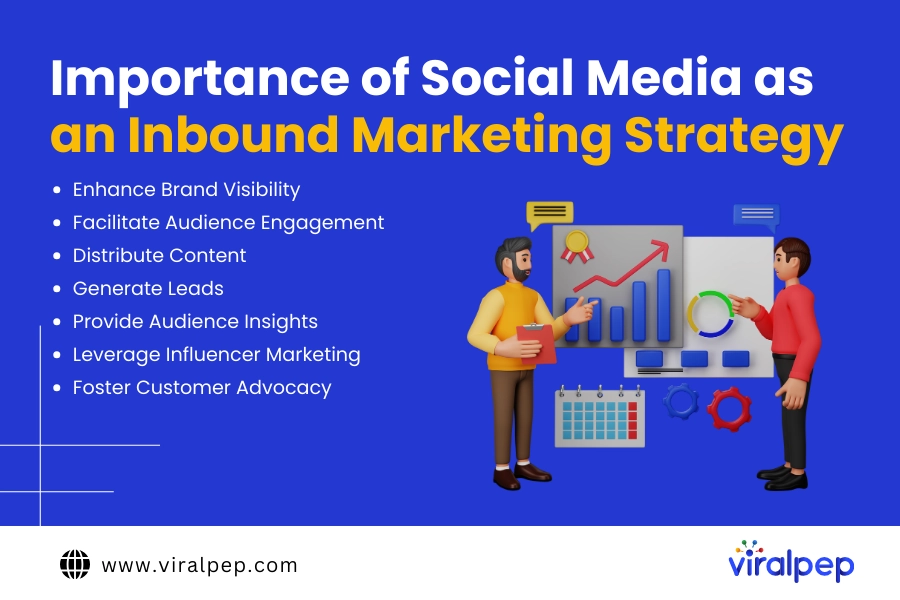
8 Key Reasons Why Is Social Media an Important Part of Inbound Marketing

Social media plays a crucial role in inbound marketing strategies. Here are eight key reasons social media is an important part of inbound marketing:

Importance of social media inbound marketing strategy

  • You Can Easily Enhance Your Brand Visibility

    Incorporating social media into your inbound marketing strategy offers a key benefit: the opportunity to expand your reach and increase brand awareness. With billions of active users on platforms like Facebook, Instagram, Twitter, and LinkedIn, you have a significant chance to connect with a vast audience.

    To gain a broader demographic and boost brand visibility, one effective approach is to create captivating content and distribute it across multiple social media platforms.

    Moreover, social media platforms allow users to share, like, and comment on posts. This organic sharing allows businesses to extend their reach as their content is circulated within users' networks.

  • You Can Smoothly Handle and Perform Perfect Audience Engagement

    Engage directly with your target audience using social media platforms. Moreover, you can build relationships, provide customer support, and gather feedback through comments, likes, shares, and direct messages. This engagement fosters a sense of community and enhances brand loyalty.

  • Easily Deal With an Efficient Content Distribution Process

    Inbound marketing relies on creating valuable content that attracts and engages potential customers.

    Social media platforms give you the best options to broadcast your content, like blog posts, videos, infographics, etc., per your niche. Moreover, you can even share the content on social media; businesses can amplify their reach and generate more inbound traffic.

  • You Can Effectively Work Out On Lead Generation

    Social media offers various tools and techniques to capture leads and generate conversions. By strategically placing lead capture forms, utilizing call-to-action buttons, and running targeted advertising campaigns, businesses can drive traffic to their website and capture valuable leads for further nurturing and conversion.

  • Gain Adequate Audience Insights on Your Brand

    Social media platforms provide valuable analytics and insights into audience behavior, interests, and demographics. This data enables businesses to refine their inbound marketing strategies, create more targeted content, and tailor their offerings better to meet the needs and preferences of their audience.

  • Influencer Marketing

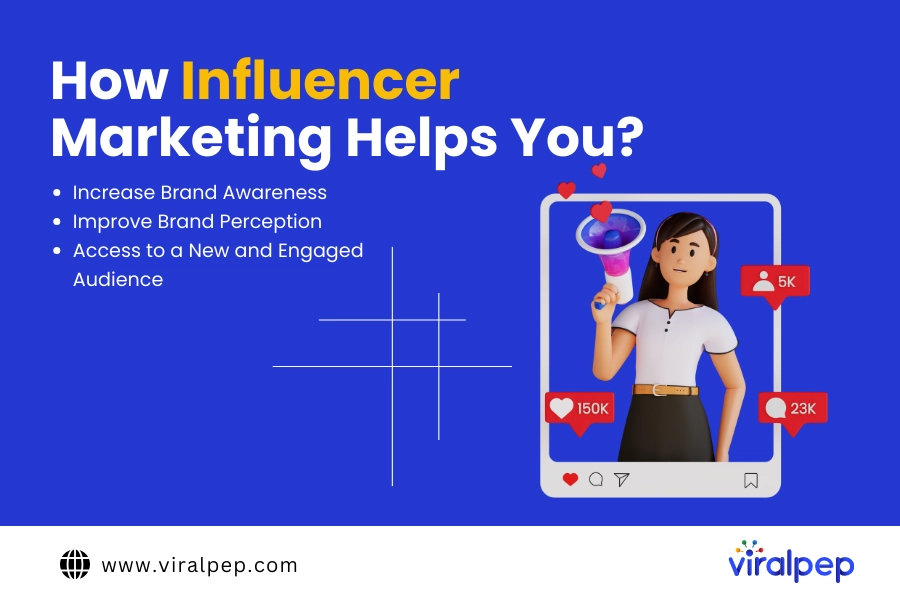
    Influencer marketing has emerged as a highly effective strategy for businesses to reach their target audience through influential individuals on social media. These individuals, known as influencers, have amassed large followings and enjoy high levels of trust and engagement from their audience.

    How influencer marketing helps

    By partnering with relevant influencers in their industry, businesses can leverage their reach, credibility, and influence to promote their products or services.

  • Building a Community and Engaging with Customers

    You can use social media to create an online business community and interact directly with your customers. By actively engaging in conversations, replying to messages and comments, and sharing insightful information, you can create a feeling of community and develop deep connections with your clients.

    Through regular interactions, businesses can gain insights into their customers' needs, preferences, and pain points. This information can then be used to tailor marketing strategies, create relevant content, and develop products or services that better meet customer expectations.

  • Leveraging User-Generated Content

    User-generated content (UGC) refers to any content consumers create about a brand or its products. With the help of leading Social media platforms, you can efficiently provide the ideal environment for users to share their experiences, reviews, and recommendations.

    By encouraging and showcasing UGC, businesses can harness the power of social proof, where the positive experiences of existing customers influence potential customers. Sharing UGC increases credibility and helps generate authentic content that resonates with the target audience.

Conclusion

So, what are you waiting for? You can now plan to incorporate social media into your inbound marketing strategy and prepare to yield numerous business benefits.

From expanding reach and building brand awareness to driving website traffic, fostering community engagement, and leveraging user-generated content and influencer marketing, social media offers are the best option for you to connect with your target audience with only one aim to achieve your marketing goals.

However, it's important to remember that successful social media marketing requires thoughtful planning, consistent effort, and continuous evaluation. By staying updated on social media trends, refining your strategies, and adapting to the evolving digital landscape, you can maximize the potential of social media as an essential component of your inbound marketing efforts.

FAQs

What is the ultimate goal of Inbound Marketing?

Inbound marketing aims to convert these prospects into leads, customers, and ultimately brand promoters. This is achieved by nurturing relationships, providing personalized experiences, and guiding individuals through the buyer’s journey with relevant content at each stage.

How does social media contribute to brand awareness in inbound marketing?

Social media contributes to brand awareness in inbound marketing by amplifying reach, building a brand personality, encouraging user engagement, facilitating content distribution, and harnessing the power of influencer marketing.

Can social media help in building customer relationships and loyalty in inbound marketing?

Social media platforms offer businesses a powerful toolset to build customer relationships and foster loyalty in the context of inbound marketing. By engaging with customers, providing valuable content, facilitating community interactions, and leveraging customer feedback, businesses can create meaningful connections and establish themselves as trusted and customer-centric brands.

What role does social media analytics play in inbound marketing?

Social media analytics is one of the major prospects in inbound marketing by providing valuable insights into audience behavior, content performance, and campaign effectiveness. It involves collecting and analyzing data from social media platforms to inform marketing strategies and improve engagement with the target audience.

Which social media platforms should I use for inbound marketing?

The choice of social media platforms depends on your target audience and the nature of your business. However, some popular platforms that are often used for inbound marketing include:

  • Facebook
  • Instagram
  • Twitter
  • LinkedIn
  • YouTube
  • Pinterest

How can I effectively use social media for inbound marketing?

Here are some tips to make the most of social media for inbound marketing:

  • Define your goals
  • Understand your audience
  • Share valuable content
  • Engage with your audience
  • Use visual content
  • Leverage hashtags
  • Analyze and optimize

Email Marketing vs. Facebook Ads: Choosing the Perfect Strategy for Your Business

Introduction

In this competitive and fast-paced digital world, you’ll come across multiple options for marketing your products or services. Two popular choices are email marketing and Facebook ads, which provide you with effective ways to reach and engage your target audience.

But the main question: Which strategy is right for your business? How do they stack up against each other? Which one should you choose to maximize your marketing efforts and boost your business?

To make it easier, we have crafted an article that depicts the key differences between email marketing and Facebook ads to help you make an informed decision. Whether you’re a seasoned marketer or a business owner navigating the complex world of online advertising, understanding the differences and advantages of these two strategies is crucial for making informed decisions.

What is Email Marketing?

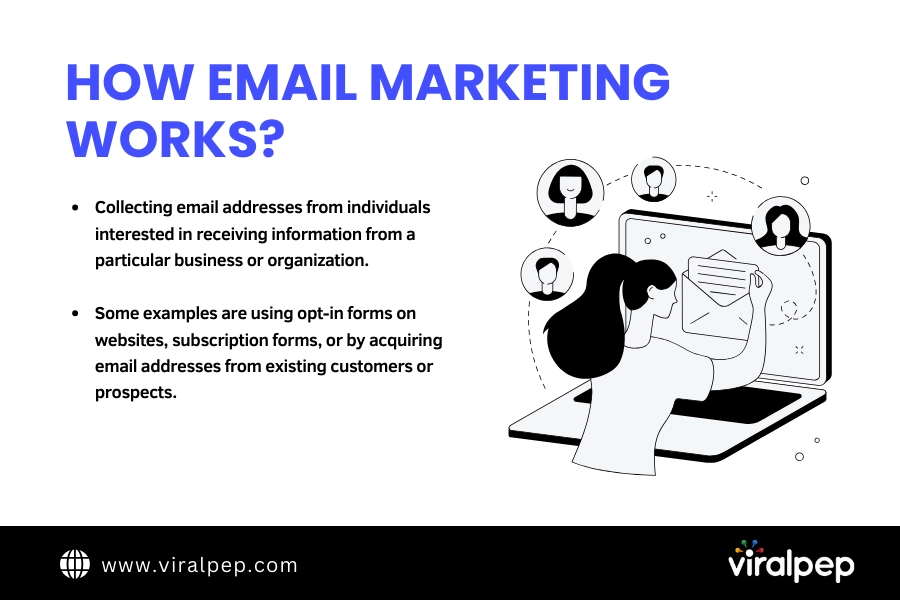
Email marketing is a digital marketing strategy that allows you to send commercial messages or promotional content to your multiple connections via email. It’s one direct form of marketing that will enable you to easily communicate with your target audience, build relationships, and promote their products, services, or brand. Utilizing a newsletter platform can streamline the process, making it even more efficient and effective.

How email marketing works

What is Facebook Ads?

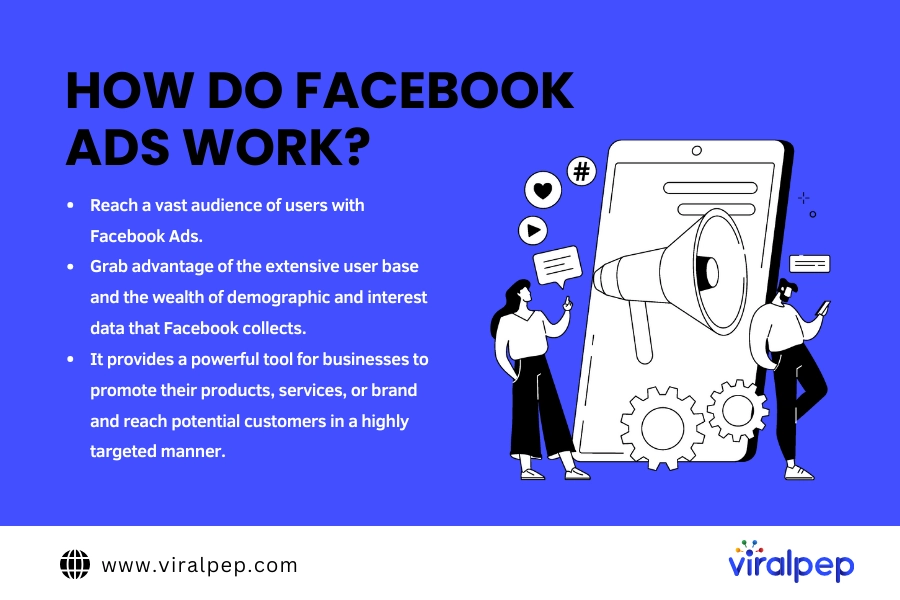
Facebook Ads is an advertising platform provided by Facebook that allows businesses and individuals to create and run targeted ad campaigns on the Facebook platform and its related properties, including Instagram, Messenger, and the Audience Network. These advertisements can take various formats, including images, videos, carousels, slideshows, and more, allowing businesses to showcase their products or services in a visually engaging manner. These advertisements can take various formats, including images, videos, carousels, slideshows, reel you’ve watched and more, allowing businesses to showcase their products or services in a visually engaging manner.

How do facebook ads work

Facebook Ads vs Email Marketing: Detailed Comparison

Let’s deep dive into the exciting world of Email Marketing and Facebook Ads, including strategies for effective organic Facebook marketing, uncovering the strategies to propel your business to new heights in today’s competitive digital landscape.

Reach and Targeting

When it comes to reaching, Facebook has the upper hand with its massive user base of over 2.8 billion monthly active users. Facebook ads enable you to target specific demographics, interests, and behaviors, tailoring your message to a highly relevant audience. This precision targeting can be invaluable, especially if you’re looking to target a specific niche or demographic.

On the other hand, email marketing allows you to reach an audience that has willingly provided their contact information and expressed interest in your brand. This opt-in nature of email marketing ensures that your messages are delivered to an already engaged audience with your business. While the reach of email marketing may not be as extensive as Facebook, the engagement quality tends to be higher.

Cost-Effectiveness

When it comes to cost-effectiveness, email marketing often has the edge. While Facebook ads can offer excellent targeting capabilities, they can also be more expensive, especially if you’re targeting a highly competitive audience.

With email marketing, you can reach your subscribers at a fraction of the cost, particularly if you have a substantial email list. This digital marketing strategy allows you to send regular updates and promotions without significant expenses.

Engagement and Conversion

Facebook ads excel in generating initial engagement and can be particularly effective in increasing Facebook engagement. The platform offers various ad formats, such as image ads, video ads, and carousel ads, which can capture users’ attention and drive them to take action. Additionally, Facebook’s interactive features, like comments, likes, and shares, can help increase brand visibility with social media.

However, regarding conversion rates, email marketing often outperforms Facebook ads. Emails have a personal touch and can be customized to deliver highly relevant content to individual subscribers. Studies consistently show that email marketing has higher conversion rates than other marketing channels. People tend to trust emails from brands they have subscribed to, making them more likely to purchase or take the desired action.

Relationship Building

Email marketing shines when it comes to nurturing relationships with your audience. Regularly sending valuable content, exclusive offers, and personalized messages can build trust and loyalty with your subscribers. Email marketing allows for more one-on-one interaction, fostering a sense of connection and familiarity with your brand.

Facebook ads, on the other hand, are more suitable for creating initial brand awareness and attracting new leads. While building deep relationships solely through Facebook ads can be challenging, they can be a valuable tool for expanding your reach and introducing your brand to a wider audience.

Tracking and Analytics

Both email marketing and Facebook ads provide robust tracking and analytics tools that allow you to measure the success of your campaigns smoothly. Facebook’s Ads Manager offers detailed insights into impressions, clicks, conversions, and other metrics, helping you optimize your ads and target the right audience.

Email marketing platforms also offer comprehensive analytics, allowing you to track open rates, click-through rates, and conversions. Additionally, email marketing platforms often provide A/B testing capabilities, enabling you to experiment with different subject lines, content, and call-to-actions to optimize your campaigns further.

Daily Usage

While email marketing focuses on directly communicating with subscribers via their email inbox, Facebook Ads leverage the vast user base of the Facebook platform to deliver targeted advertisements. The daily usage of email marketing revolves around managing email lists, creating engaging campaigns, setting up automation, and analyzing performance.

On the other hand, Facebook Ads require activities such as campaign setup, ad creation, audience targeting, monitoring, optimization, budget management, and A/B testing. Both channels require continuous monitoring and optimization to maximize their effectiveness in reaching and engaging the intended audience.

Click-Through Rate (CTR)

Click-Through Rate (CTR) in Email Marketing and Facebook Ads refers to the measurement of the percentage of users making the click on a specific link or call-to-action (CTA) within an email or Facebook ad, respectively.

In Email Marketing, CTR measures the success of email campaigns by analyzing the number of users clicking on a link within an email. Email marketers often include various CTAs, such as product links, blog articles, landing pages, or subscription forms. The CTR helps gauge the relevance and appeal of the email content to the recipients. A higher CTR suggests that the email content was engaging and successfully prompting recipients to act.

On the other hand, Facebook Ads employ CTR as a crucial performance indicator. It measures the rate at which users click on the ad, whether it is a link to an external website, a landing page, or a specific action within Facebook itself. A higher CTR for Facebook Ads generally indicates that the ad copy, visual elements, and targeting were effective in capturing users’ attention and compelling them to click on the ad.

Email Marketing vs Facebook Ads: The Comparison Table

Aspect Email Marketing Facebook Ads
Reach Limited to subscribers who have opted in to receive emails Wider reach potential based on targeting and ad placement
Targeting Limited targeting options based on subscriber data Extensive targeting options based on demographics and interests
Cost Generally lower cost per contact Costs can vary widely based on targeting and competition
Engagement Higher potential for personalized and direct communication Lower engagement rates compared to email due to ad format
Conversion Rate Typically higher conversion rates due to direct communication Conversion rates can vary based on ad quality and targeting
Content Format Primarily text-based with limited visual elements Supports various formats, including images, videos, and carousels
Customer Relationship Supports ongoing communication and relationship building Limited interaction beyond ad interaction and landing page visit
Tracking and Metrics Provides detailed metrics on open rates, click-through rates, etc. Offers metrics on impressions, clicks, conversions, and more
Lifecycle Marketing Effective for nurturing leads throughout the customer lifecycle It can be used at different stages of the customer lifecycle
Dependence on Platform Relies on an email service provider or marketing automation tool Relies on the Facebook Ads platform and its policies
Regulation Subject to email marketing regulations (e.g., CAN-SPAM Act) Subject to Facebook’s advertising policies and guidelines

Email Marketing vs Facebook Ads: Who’s the Ultimate Winner?

The effectiveness of Email Marketing versus Facebook Ads depends on various factors, including your specific goals, target audience, industry, and budget. Both channels have their advantages and can be effective in their own right.

Ultimately, the “ultimate winner” between Email Marketing and Facebook Ads depends on your specific circumstances and objectives. It’s important to test and evaluate the performance of each channel, monitor key metrics, and adapt your strategy accordingly to achieve the best results for your business.

In conclusion, while both Facebook Ads and Email Marketing offer distinct advantages, integrating them strategically within your marketing strategy can yield powerful results. By harnessing the visual storytelling capabilities of Facebook Ads in Reels and leveraging the personalized approach of email marketing, you can engage your audience across multiple touchpoints and drive meaningful interactions that ultimately lead to business growth.

FAQs

Which one is more effective: email marketing or Facebook Ads?

The effectiveness of email marketing versus Facebook Ads depends on various factors, including your specific goals, target audience, and industry. Both channels have their advantages. Email marketing allows for direct communication and personalized messaging, while Facebook Ads provide extensive targeting options and broad reach. Using both in a coordinated marketing strategy to maximize results is often beneficial.

Which channel offers better audience targeting capabilities?

Facebook Ads provide extensive audience targeting options based on robust user data, allowing advertisers to target audiences based on demographics, interests, behaviors, location, and more. In contrast, email marketing targeting may have limited granularity due to the reliance on voluntary user-provided information.

What are the costs associated with email marketing and Facebook Ads?

Email marketing and Facebook Ads have varying costs. Email marketing entails fees for an email service provider (ESP) and potentially additional charges based on subscriber or email volume. On the other hand, Facebook Ads employ a bidding system, with costs influenced by audience size, ad placement, targeting choices, and industry competitiveness.

Which channel provides better conversion rates?

Conversion rates can vary depending on various factors, such as the quality of your email list or the effectiveness of your Facebook Ad campaign. However, research suggests that email marketing has higher conversion rates than Facebook Ads. This could be because email marketing targets an audience that has already expressed interest or has an existing relationship with the business.

Can I integrate email marketing with Facebook Ads?

You can integrate email marketing with Facebook Ads to create a more cohesive and effective marketing strategy. For example, you can use email lists to create custom audiences for Facebook Ads, allowing you to target your email subscribers with ads on Facebook. Conversely, you can also use Facebook Ads to promote your email newsletter or capture leads for your email list.

Which channel is better for building customer relationships?

Both email marketing and Facebook Ads can contribute to building customer relationships, but email marketing is particularly effective in this regard. Email allows for personalized and direct communication, enabling businesses to nurture relationships, deliver valuable content, and engage with customers on a more personal level. However, Facebook Ads can help increase brand awareness and reach new audiences, indirectly contributing to relationship-building efforts.

Are there any legal considerations for email marketing and Facebook Ads?

Yes, both email marketing and Facebook Ads have legal considerations. For email marketing, you need to comply with laws such as the CAN-SPAM Act (in the United States) or the GDPR (in the European Union) by obtaining consent, providing clear opt-out options, and respecting users’ privacy rights. Facebook Ads also have specific advertising policies that you must adhere to, including restrictions on certain content, targeting practices, and data usage.

How can I measure the success of email marketing and Facebook Ads?

Both channels offer various metrics to measure success. You can track email marketing metrics like open rates, click-through rates, conversion rates, and unsubscribe rates. Email marketing platforms often provide detailed analytics. Facebook Ads provide metrics such as reach, impressions, click-through rates, conversions, and return on ad spend (ROAS). You can track these metrics using Facebook Ads Manager or other analytics tools.

How to Provide Value and Build Connections with Social Media Power

In today’s digital age, social media has become a powerful platform to connect, share information, and build communities. However, with the oceans of information available, providing value to stand out from the crowd is essential. This blog post explores the significance of delivering value on social media and how it can build meaningful connections to achieve your goals.

Understand Your Target Audience

Understanding your target audience is crucial when providing value on social media. Take the time to define their characteristics, preferences, and pain points. Are millennials or baby boomers primarily interested in health and wellness, fashion, and personal development? Identifying these factors can let you tailor your content to meet their expectations. Age range, gender, and specific demographics: Determine the age range and gender of your target audience. Consider their geographic location, language, and cultural background to create content that resonates with them.

  • Common aesthetic concerns and goals

    Understand the common aesthetic concerns and goals of your target audience. Are they interested in anti-aging treatments, body contouring, or facial rejuvenation? This understanding will help you create content that addresses their specific needs.

  • Conduct market research on your target audience’s social media habits and preferences

    Use social media analytics tools and surveys to gather insights on your target audience’s social media habits. Determine which platforms they use most frequently, the type of content they engage with, and their preferred communication style.

  • Tailor your social media strategy to reach and engage your specific audience effectively

    Based on your research, develop a social media strategy that aligns with your target audience’s preferences. Determine the best times to post, their preferred content formats (such as videos or infographics), and the tone and language that resonates with them.

Research Relevant Topics and Trends

Staying relevant and engaging with your audience is essential to researching relevant industry topics and trends. Explore what’s currently popular or trending and find ways to incorporate those topics into your content strategy. Social media tools and platforms can help you identify trending topics and hashtags, allowing you to join conversations and provide valuable insights. Explore tomorrow trends

  • Explore industry-related topics that are currently popular or trending

    Keep an eye on industry news, blogs, and social media platforms to identify topics generating buzz. Stay informed about your field’s latest advancements, controversies, or discussions.

  • Discuss the importance of staying up-to-date with the latest trends

    Explain to your audience that staying updated with the latest trends demonstrates your expertise and relevance. You position yourself as a knowledgeable resource by providing content that addresses current trends.

  • Provide tips on using social media tools or platforms to identify trending topics

    Share tips and tricks on leveraging social media tools like Google Trends, Twitter trending topics, or Facebook Insights to identify and capitalize on trending topics. This empowers your audience to stay current and join relevant conversations.

Create Engaging and Informative Content

Engaging and informative content is crucial in providing value on social media. Develop high-quality content that educates, entertains, or inspires your audience. Consider different content formats like articles, videos, infographics, or podcasts. Use storytelling techniques, visuals, and interactive elements to captivate your audience.

  • Emphasize the value of creating content that is both engaging and informative

    Explain to your audience that content should go beyond promotional material. It should provide valuable information, solve problems, or entertain them.

  • Provide guidelines for creating high-quality content, such as articles, videos, or infographics

    Share tips on creating well-researched articles, producing professional social media videos specs, or designing visually appealing infographics. Offer guidance on structure, tone, and style to ensure your content is easily digestible and engaging.

  • Suggest incorporating storytelling, visuals, or interactive elements to captivate the audience

    Encourage the use of storytelling techniques to make the content relatable and memorable. To enhance engagement, advocate for including visuals, such as images, graphics, or videos. Consider interactive elements like quizzes, polls, or infographics to create an immersive experience for your audience.

Establish Thought Leadership

Explain the concept of thought leadership in the context of social media. Share strategies for establishing yourself or your brand as a trusted authority. Encourage sharing insights, expertise, and industry knowledge to build credibility. Lead the way Establish thought dominance

  • Explain the concept of thought leadership in the context of social media

    Define thought leadership as sharing unique insights, expertise, and perspectives that establish you or your brand as an authority in your industry. Emphasize the importance of becoming a go-to resource for valuable information.

  • Share strategies for establishing yourself or your brand as a trusted authority

    Provide actionable steps for establishing thought leadership, such as regularly sharing industry insights, participating in industry events, and contributing to reputable publications or blogs.

  • Encourage sharing insights, expertise, and industry knowledge to build credibility

    Stress the significance of sharing valuable insights and expertise with your audience. Encourage the dissemination of industry knowledge through blog posts, videos, or social media updates. Emphasize the value of building trust and credibility with your audience.

Encourage Interaction and Engagement

Discuss the importance of fostering two-way communication with your audience. Provide tips for encouraging comments, likes, and shares on social media posts. Mention the significance of responding promptly and thoughtfully to audience feedback.

  • Discuss the importance of fostering two-way communication with your audience

    Explain that social media is about broadcasting messages and conversing with your audience. Encourage the building of relationships and connections.

  • Provide tips for encouraging comments, likes, and shares on social media posts

    Share strategies for increasing engagement, such as asking thought-provoking questions, conducting polls or surveys, or running contests. Encourage your audience to actively participate in discussions and share your content with their networks.

  • Mention the significance of responding promptly and thoughtfully to audience feedback

    Emphasize listening to your audience and promptly responding to their comments, questions, or concerns. Show appreciation for their engagement and provide helpful and meaningful responses.

Offer Exclusive Promotions or Discounts

Highlight the benefits of offering exclusive promotions or discounts to your social media followers. Share creative ideas for incentivizing engagement through giveaways or contests. Explain how limited-time offers can create a sense of urgency and drive conversions Offer Exclusive promotions and discounts

  • Highlight the benefits of offering exclusive promotions or discounts to your social media followers

    Explain that exclusive promotions or discounts make your social media followers feel special and valued. It incentivizes their engagement and encourages them to take action.

  • Share creative ideas for incentivizing engagement through giveaways or contests

    Provide examples of engaging giveaways or contests that encourage your audience to participate and share your content. This can include photo contests, caption contests, or user-generated content campaigns.

  • Explain how limited-time offers can create a sense of urgency and drive conversions

    Discuss the psychological effect of scarcity and urgency in motivating people to take action. Explain that limited-time offers create a fear of missing out (FOMO) and can lead to increased conversions and sales.

Collaborate with Influencers or Industry Experts

Explain the value of collaborating with influencers or industry experts. Guide identifying relevant influencers or experts in your niche. Discuss collaboration opportunities, like guest posts, interviews, or joint campaigns.

  • Explain the value of collaborating with influencers or industry experts

    Describe the benefits of partnering with influencers or industry experts, such as expanding your reach, gaining credibility, and tapping into your established audience.

  • Guide identifying relevant influencers or experts in your niche

    Share tips on identifying influencers or experts who align with your brand values and target audience. Emphasize the importance of social media to researching their audience, engagement metrics, and authenticity.

  • Discuss different collaboration opportunities, such as guest posts, interviews, or joint campaigns

    Provide examples of collaboration opportunities, such as guest posting on an influencer’s blog, interviewing an industry expert, or co-creating content for a joint campaign. Explain the mutual benefits and how it can enhance your credibility and reach.

Analyze and Optimize Your Social Media Strategy

Discuss the importance of tracking and analyzing social media metrics. Share popular social media analytics tools and their key features. Explain leveraging data to optimize your content and strategy for better results. Boost Your Brand Master Social Media Strategies

  • Discuss the importance of tracking and analyzing social media metrics

    Explain the significance of monitoring social media metrics to understand the effectiveness of your efforts. Emphasize the need to track metrics such as engagement, reach, conversion rates, and audience demographics.

  • Share popular social media analytics tools and their key features

    Introduce popular social media analytics tools such as Google Analytics, Facebook Insights, or Instagram analytic. Highlight their key features, such as audience insights, content performance tracking, and competitor analysis.

  • Explain how to leverage data to optimize your content and strategy for better results

    Guide using data insights to make informed decisions and improve your social media strategy. Discuss strategies like A/B testing, content optimization based on performance data, and identifying trends or patterns in audience behavior.

Conclusion

In conclusion, providing value on social media is essential for building strong connections with your audience and achieving your goals. By understanding your target audience, researching relevant topics, creating user-generated engaging content, establishing thought leadership, encouraging interaction, offering exclusive promotions, collaborating with influencers, and analyzing your strategy, you can effectively provide value and differentiate yourself in the crowded social media landscape. Implement these strategies, adapt them to your unique brand and audience, and watch your social media presence thrive.

FAQs

Why is it essential to provide value on social media?

Providing social media value helps build trust, credibility, and relationships with your audience. It positions you as an expert in your industry, attracts followers, and encourages engagement and loyalty.

How can I identify what type of content would provide value to my audience?

Conduct audience research, analyze their interests and pain points, and engage with them through surveys, polls, or direct conversations. This will help you understand their needs and tailor your content accordingly.

What examples of valuable content can I provide on social media?

Valuable content can include educational articles, how-to guides, industry insights, tips and tricks, case studies, behind-the-scenes content, and inspirational stories. It should focus on solving problems or providing helpful information to your audience.

How often should I post valuable content on social media?

Consistency is vital. Aim to post valuable content regularly, but quality should always precede quantity. Providing less precious and relevant content is better than overwhelming your audience with mediocre content.

How can I encourage engagement and interaction with my valuable social media content?

Encourage your audience to comment, ask questions, and share their opinions. Respond to their comments promptly and thoughtfully. Use call-to-actions, polls, and contests to encourage active participation and make your content more interactive.

Can I repurpose my valuable content across different social media platforms?

Repurposing content is a smart strategy. Adapt your valuable content to suit each platform’s format and audience preferences. For example, turn a blog post into a video, create infographics or quote graphics from key points, or share bite-sized tips on Twitter.

How can I measure the impact of my valuable content on social media?

Use social media analytics tools to track engagement, reach, click-through rates, and conversions. Monitor comments, shares, and feedback to gauge audience response and adjust your strategy accordingly.

Can I collaborate with others to provide even more value on social media?

Yes, collaborations can amplify the value you provide. Partner with influencers, industry experts, or complementary brands to create joint content, host webinars or live sessions, or cross-promote each other’s valuable content for mutual benefit.

Christmas Sale: Grab Upto 50% Off On Viralpep’s Annual Plans!

As the festive season approaches, it’s time to amp up your social media game! Whether you’re a solo influencer, a dynamic business, or a sprawling enterprise, Viralpep is here to make your social media management not just easier but also more affordable with our special Christmas offer!

Viralpep is offering an amazing discount of up to 50% off on Annual plans starting from 20th December to 5th January 2024.

Exploring the Joy of Savings

This holiday season, we’re giving you up to 50% off on our annual plans!

Choose the one that fits your needs:

Don’t just stick with the trial upgrade now and lock in these incredible prices before January 1st! You will never get a deal this good.

Viralpep Social Media Plans

Grab the Deal Now

How to Avail the Discounts?

Getting your hands on these discounts is as easy as pumpkin pie:

  • Choose the plan that best fits your needs.
  • Enter the promo code.
  • Enjoy the benefits of Viralpep at a fraction of the cost!
  • Don’t miss out—these discounts are available for a limited time only!

Testimonials

Viralpep has been a game-changer for our social media strategy. The ease of scheduling posts and analyzing our performance has saved us countless hours. Our engagement rates have soared! – Emily Nguyen, Founder

I’ve been using Viralpep for over a year, and it’s integral to our digital marketing success. The analytics are insightful, and the user interface is incredibly user-friendly. I highly recommend Viralpep to anyone serious about their online presence. – Marcus Johnson, Digital Marketing Manager
Managing multiple accounts across different platforms can be overwhelming. Viralpep’s Enterprise Plan has simplified this for us. Our team loves the advanced features and the responsive customer support. Viralpep is not just a tool; it’s a partner in our growth. – Sophia Rodriguez, Social Media Director

Don’t Miss Out!

Make sure to take advantage of this opportunity before January 5, 2024.

Sign up today and let Viralpep be a part of your digital success story.

Merry Christmas from all of us at Viralpep!

Social Media Presence to the Next Level this Christmas

FAQs

What is the Viralpep Christmas Sale?

The Viralpep Christmas Sale is a limited-time offer providing up to 50% discount on all our annual social media management plans. This special promotion is our way of celebrating the festive season with our customers.

Which plans are included in the Christmas Sale?

All our annual plans are included: the Professional Plan, the Business Plan, and the Enterprise Plan. Each plan has unique features and benefits, now available at a significantly reduced price.

How much discount is offered on each plan?

The Professional Plan is available at $300, the Business Plan at $588, and the Enterprise Plan at $960. This represents a substantial saving from their original prices.

Are there any specific promo codes to use for this sale?

Yes, each plan has a specific promo code:

  • Professional Plan: Use PROF50
  • Business Plan: Use BUSS50
  • Enterprise Plan: Use ENTR50

When does the Viralpep Christmas Sale end?

The sale is available from 20 December 2023 and will end on 5 January 2024. Make sure to take advantage of these discounts before the offer expires.

Will my renewal next year be at a discounted price?

Next year you need to pay the full amount but do not have to worry, Viralpep always makes such offers so our clients can take advantage of it.

Who can avail of this Christmas Sale offer?

This offer is open to both new and existing customers who are looking to purchase or upgrade to any of our annual plans.

How can I avail of the discount?

Simply choose your desired plan and apply the promo code at checkout to enjoy the discounted price.

Is there a limit to the number of plans I can purchase with this discount?

No, there is no limit. You can purchase as many plans as you need for your business or personal use within the offer period.

Despite the discounted price, will I get all the usual features of the plan I choose?

Absolutely! You will have access to all the standard features and benefits of your chosen plan, with no limitations.

What happens to my plan after the first year?

After the first year, your plan will renew at the standard rate unless you choose to change or cancel your subscription.

Elevate Your Social Media Game With Viralpep’s Pinterest Integration

In today’s digital landscape, social media has become a powerful tool for businesses to connect with their target audience, build brand awareness, and drive sales.

The automotive industry is no exception, as car dealerships and sales professionals are discovering the immense potential of using social media platforms to sell cars effectively.

Whether you’re a small independent dealership or a prominent automotive brand, leveraging social media can significantly impact your sales by reaching a wider audience, showcasing your inventory, and fostering meaningful customer engagements.

10 Powerful Marketing Strategies To Use Social Media For Selling Cars

Want to sell cars successfully using social media? Here are some effective strategies and practical tips for driving your automotive sales:

Know Your Target Audience

Before diving into social media marketing, defining your target audience is essential. Identify the demographics, preferences, and buying behaviors of your potential customers. This knowledge will guide your content creation and ensure your messages resonate with the right people.

Choose the Right Social Media Platforms

Not all social media platforms are created equal. Focus on the platforms that align with your target audience to maximize your impact.

Supercharge Sales Choose the Perfect Social Platforms

Facebook, Instagram, and YouTube are popular for automotive sales, offering diverse advertising options, engagement features, and a vast user base. LinkedIn can be valuable for connecting with business professionals and fleet managers.

Create Engaging Content

Social media content plays a vital role in grabbing the attention of your audience and generating leads. Consider the following content ideas:

Tips For Crafting Compelling Content

  • High-Quality Visuals: Showcase your inventory through captivating photos and videos. Highlight each vehicle’s unique features and benefits, making potential customers envision themselves behind the wheel.
  • Customer Testimonials: Share positive reviews and testimonials from satisfied customers. Authentic feedback builds trust and social proof, making it easier to convert leads into buyers.
  • Educational Content: Provide valuable information about car maintenance, industry trends, and tips for making informed purchasing decisions. Establish yourself as a trusted resource, which can lead to increased credibility and customer loyalty.
  • Interactive Features: Encourage audience engagement through contests, polls, quizzes, or live Q&A sessions. Interactive content sparks conversations and helps build a community around your brand.

Utilize Social Advertising

Social media advertising allows you to target specific demographics, interests, and behaviors, ensuring your ads reach the right people.

Experiment with different ad formats, such as carousel ads, video ads, or lead generation forms, to drive traffic to your website or dealership.

Leverage Influencer Marketing

Collaborating with influencers in the automotive industry can expand your reach and boost brand awareness.
Influence the Sales Game

Look for influencers with a significant following and a genuine interest in cars. They can help showcase your vehicles, provide reviews, and share their experiences, influencing their followers’ purchasing decisions.

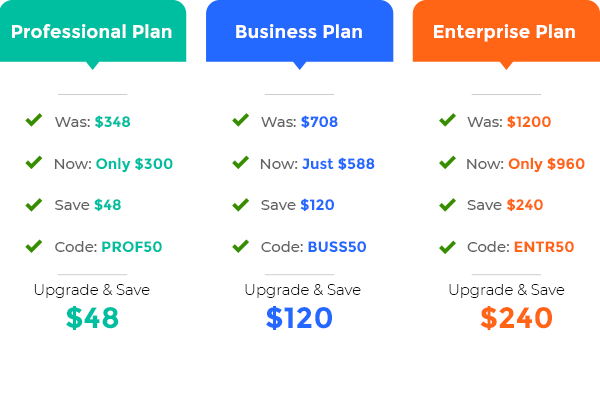
Showcase Your Inventory

Utilize high-quality visuals, including captivating photos and videos, to showcase your cars’ unique features and benefits. Make potential customers envision themselves behind the wheel.

Engage and Respond to Customers

Social media is a two-way communication channel. Regularly monitor your social media accounts for comments, messages, and mentions.

Customer Engagement

Promptly respond to inquiries, provide helpful information, and address any concerns. Building a responsive and customer-centric online presence can significantly impact your reputation and drive sales.

Create an Inspiring Introduction Video

You can customize and adapt it to suit your dealership’s branding, target audience, and specific inventory.

Use captivating visuals, dynamic transitions, and an engaging voiceover to make a lasting impression on your audience and ignite their excitement for finding their dream car through your social media channels.

Use Twitter For Driving Sales Conversions

Twitter plays a significant role in driving sales conversions for businesses, including car dealerships. Here are some key reasons why Twitter is essential for driving sales conversions:

  • Real-Time Engagement
  • Targeted Advertising
  • Promotional Campaigns and Offers
  • Influencer Marketing and Partnerships
  • Customer Testimonials and Social Proof
  • Hashtag Campaigns and Trending Topics
  • Analytics and Measurement

Twitter’s real-time engagement, targeted advertising capabilities, promotional opportunities, influencer partnerships, social proof, trending topics, and analytics make it an essential platform for driving sales conversions.

By leveraging Twitter effectively, car dealerships can increase brand awareness, engage with potential customers, and ultimately convert them into satisfied buyers.

Do Posting on Instagram Regularly

Regular posting on Instagram is crucial for businesses, including car dealerships, for several important reasons:

  • Consistent Presence
  • Audience Engagement
  • Algorithm Favorability
  • Showcase Inventory and Brand Identity
  • Storytelling and Storytelling
  • Stay Ahead of Competitors
  • Data Analysis and Optimization

So, regular posting on Instagram is vital for maintaining a consistent presence, engaging with your audience, gaining algorithm favorability, showcasing your inventory and brand, storytelling, staying competitive, and optimizing your strategies.

By making regular posting a priority, you can leverage the power of Instagram to drive brand awareness and customer engagement and ultimately increase sales conversions for your car dealership.

Analyze and Optimize

Track the performance of your social media campaigns using analytics tools provided by the platforms or third-party software.

Monitor key metrics such as reach, engagement, click-through rates, and conversions. Use this data to identify what works best for your audience and refine your strategies accordingly.

Conclusion

Social media has transformed how businesses market their products; the automotive industry is no exception.

By understanding your target audience, creating engaging content, leveraging social advertising, collaborating with influencers, and engaging with customers, you can effectively utilize social media to sell cars.

Stay up-to-date with the latest trends and adapt your strategies to stay ahead in this ever-evolving digital landscape. Start your engines and embrace the power of social media to accelerate your car sales like never before.

FAQs

How effective are social media campaigns in selling cars compared to traditional marketing methods?

Social media campaigns have proven highly effective in selling cars, often outperforming traditional marketing methods in several key aspects.

  • Reach and Targeting: Social media campaigns offer unparalleled reach and targeting capabilities. Traditional marketing methods often have limited space and may not provide the same targeting precision.
  • Cost-effectiveness: Social media campaigns are more cost-effective than traditional marketing. Traditional marketing methods like TV or print ads are more expensive and may not provide the same detailed performance tracking and optimization opportunities.
  • Engagement and Interaction: Social media campaigns excel in driving engagement and interaction with potential car buyers. Traditional marketing methods are often one-way communication channels, lacking social media’s immediate and interactive nature.

What common mistakes to avoid when using social media to sell cars?

When using social media to sell cars, it’s essential to avoid common mistakes that can hinder your success. Here are some errors to be aware of and avoid:

  • Focusing on Quantity over Quality
  • Neglecting to Define Your Target Audience
  • Lack of Consistency
  • Ignoring Customer Interactions
  • Overlooking Analytics and Data
  • Being Overly Promotional
  • Neglecting Visual Quality

How can smaller car dealerships with limited resources effectively utilize social media for their marketing efforts?

Smaller car dealerships with limited resources can still effectively utilize social media for marketing. Here are some strategies tailored to smaller dealerships:

  • Define Clear Goals
  • Choose the Right Platforms
  • Develop a Content Strategy
  • Leverage User-Generated Content
  • Collaborate with Local Influencers
  • Utilize Targeted Advertising
  • Engage with Your Audience

Which social media platforms should I focus on for selling cars?

The choice of social media platforms depends on your target audience. Facebook, Instagram, and YouTube are popular for automotive sales due to their extensive user base and diverse advertising options. LinkedIn can be valuable for connecting with business professionals and fleet managers.

What type of content should I create for social media?

Creating engaging content is crucial. Showcase your inventory with high-quality photos and videos, share customer testimonials, provide educational content about car maintenance and industry trends, and incorporate interactive features like contests or live Q&A sessions.

How can I target my ads effectively on social media?

Social media platforms offer robust advertising tools that allow you to target specific demographics, interests, and behaviors. Take advantage of these features to ensure your ads reach the right people and drive traffic to your website or dealership.

Should I collaborate with influencers in the automotive industry?

Collaborating with influencers can expand your reach and boost brand awareness. Look for influencers with a significant following and a genuine interest in cars. They can help showcase your vehicles, provide reviews, and influence their followers’ purchasing decisions.

How important is engaging with customers on social media?

Engaging with customers is essential for building relationships and trust. Respond promptly to inquiries, provide helpful information, and address any concerns. This customer-centric approach can significantly impact your reputation and drive sales.

How can I measure the effectiveness of my social media campaigns?

Utilize analytics tools provided by social media platforms or third-party software to track key metrics such as reach, engagement, click-through rates, and conversions. Analyze this data to identify what works best for your audience and optimize your strategies accordingly.

Unlock Upto 50% Off Viralpep This Cyber Monday – Limited Time Offer!

Cyber Monday is synonymous with spectacular deals and irresistible offers, and this year, Viralpep is proud to be part of the celebration. As the digital landscape buzzes with excitement, we at Viralpep are excited to unveil exclusive Cyber Monday discounts from 27 November to 1 December that promise to transform your social media management experience.

Unbeatable Cyber Monday Discounts

Our regular prices are already competitive, but this Cyber Monday, we’re going all out. Whether you’re a seasoned marketer or just starting, Viralpep’s upto 50% off deal is an opportunity you shouldn’t miss. Trusted by thousands and loved for its simplicity and effectiveness, it’s the best deal you’ll find this year.

Enjoy substantial discounts on all our subscription plans for a limited time – 27 November to 1 December. It’s our way of saying thank you for entrusting us with your social media journey.

Save Big, Grow Bigger

Whether you’re a solo powerhouse, a thriving business, or a large-scale enterprise, our tailor-made plans are now within reach:

  • Professional Plan:

    • Price: $348 $300
    • Use Promo Code: PROF50
    • Buy Now
    • Expiry Date: December 1, 2023
  • Business Plan:

    • Price: $708 $588
    • Use Promo Code: —BUSS50
    • Buy Now
    • Expiry Date: December 1, 2023
  • Enterprise Plan:

    • Price: $1200s $960
    • Use Promo Code: —ENTR50
    • Buy Now
    • Expiry Date: December 1, 2023

Hear from Our Happy Clients

Don’t just take our word for it; hear what our satisfied customers have to say:

“Viralpep has revolutionized the way we approach social media. The ability to plan and schedule content across multiple platforms has streamlined our operations and boosted our online engagement.” – Social Media Manager, Acme Corp.

“Last Cyber Monday, I seized the opportunity to invest in Viralpep’s plan at an incredible discount. This savvy decision was a game-changer for us at Jane’s Boutique. The savings not only allowed us to enhance our digital presence significantly but also freed up resources to be allocated wisely elsewhere in our business. It’s investments like these that make a world of difference for small businesses like ours.” – Jane Doe, Owner of Jane’s Boutique

Get Started Today!

Ready to dive in? Click here to grab this once-a-year deal. Elevate your social media strategy with Viralpep – where quality meets affordability.

Join us this Cyber Monday and see why thousands have chosen Viralpep as their go-to social media marketing tool. It’s more than a deal; it’s an investment in your digital success.

Happy Cyber Monday Shopping!

Your Viralpep Team.

Cyber Monday Deal Upto 50% Off

FAQs

What kind of discounts can I expect from Viralpep this Cyber Monday?

This Cyber Monday, Viralpep is offering upto 50% discounts on all our annual subscription plans.

How do I avail of the Cyber Monday discounts?

To avail of our Cyber Monday deals, simply visit our website and choose the subscription plan that best fits your needs. The discounts will be applied by applying the following promo codes at checkout during the Cyber Monday promotional period.

  • Professional Plan:

    • Price: $348 $300
    • Use Promo Code: PROF50
    • Buy Now
    • Expiry Date: December 1, 2023
  • Business Plan:

    • Price: $708 $588
    • Use Promo Code: —BUSS50
    • Buy Now
    • Expiry Date: December 1, 2023
  • Enterprise Plan:

    • Price: $1200s $960
    • Use Promo Code: —ENTR50
    • Buy Now
    • Expiry Date: December 1, 2023

Are the discounts available for both new and existing customers?

Yes, our Cyber Monday discounts are available for new and existing customers. Existing customers can upgrade their plans at discounted rates, while new customers can enjoy reduced prices on their initial subscription.

Will my renewal next year be at a discounted price?

Next year you need to pay the full amount but do not have to worry, Viralpep always makes such offers so our clients can take advantage of it

How long are the Cyber Monday deals valid?

Our Cyber Monday deals are available for a limited time only from 27th November to 1st December.