7 Signs Your Social Media Strategy Is Not Working

Introduction

Social media marketing continues to evolve rapidly in 2026, making it more important than ever for businesses to have a clear and effective strategy. Simply posting content regularly is no longer enough to build engagement, attract customers, or grow a strong online presence.

Many businesses remain active across multiple platforms but still struggle to achieve meaningful results. Low engagement, slow audience growth, weak brand visibility, and declining reach are often signs of deeper strategic issues rather than a lack of effort or consistency.

In many cases, businesses continue publishing content without understanding what their audience actually responds to. Others rely on repetitive posting, inconsistent branding, or outdated tactics that no longer perform well on modern social media platforms.

A successful social media strategy should help businesses create valuable content, connect with the right audience, improve engagement, and support larger marketing goals. Without a clear strategy, even consistent posting can become ineffective over time.

Recognizing the warning signs early can help businesses adjust their approach before performance declines further. In this article, we’ll cover 7 signs your social media strategy is not working and what businesses can do to improve their results in 2026.

1. Your Engagement Rates Keep Dropping

Declining engagement is one of the clearest signs that a social media strategy is not performing effectively. Many businesses continue posting consistently but notice fewer likes, comments, shares, saves, and overall interactions over time.

In 2026, engagement remains one of the strongest indicators of content quality and audience relevance. Social media platforms prioritize content that generates meaningful interaction, making engagement essential for improving visibility and reach.

A drop in engagement can happen for several reasons. Businesses often rely on repetitive content formats, overly promotional messaging, or generic posts that fail to connect with their audience. In some cases, the content may no longer match current audience interests or platform trends.

Another common issue is inconsistent audience targeting. Businesses sometimes create content for everyone instead of focusing on a specific audience segment. This makes it harder to build strong engagement and long-term audience loyalty.

Low engagement can also result from poor posting times, weak visuals, or lack of audience interaction. Brands that publish content without responding to comments or participating in conversations often struggle to maintain active communities.

Regularly reviewing analytics helps businesses identify which content performs best and where engagement is declining. Monitoring engagement trends allows brands to refine their strategy, improve content quality, and better understand audience behavior.

2. You Are Posting Consistently but Not Seeing Growth

Consistency is important in social media marketing, but posting regularly does not automatically guarantee audience growth or better results. Many businesses publish content daily or weekly yet continue struggling with stagnant follower counts, low reach, and limited brand visibility.

One of the biggest reasons for slow growth is content that lacks value or differentiation. Audiences in 2026 are exposed to a large amount of content every day, making it harder for repetitive or low-quality posts to stand out. Businesses that publish content without a clear purpose often fail to attract long-term audience interest.

Another common issue is focusing too heavily on quantity instead of quality. Posting more frequently without improving content relevance, creativity, or audience targeting can lead to content fatigue and reduced engagement over time.

In some cases, businesses continue using outdated content formats or trends that no longer perform well on modern platforms. Social media algorithms now prioritize content that encourages interaction, watch time, saves, and meaningful engagement rather than simple posting frequency.

Lack of growth can also indicate weak brand positioning. If businesses are not communicating a clear identity, value proposition, or content niche, audiences may have little reason to follow or engage consistently.

Businesses experiencing slow growth should focus on improving content quality, audience targeting, and platform-specific strategies instead of simply increasing posting frequency. A strong social media strategy should prioritize relevance, engagement, and audience value rather than content volume alone.

3. Your Content Looks the Same Across Every Platform

Many businesses still use the same content, captions, and creative formats across every social media platform without making any adjustments. While this approach may save time, it often leads to weaker engagement and reduced content performance.

Each platform has its own audience behavior, content style, and engagement patterns. Content that performs well on LinkedIn may not connect with Instagram users, while short-form conversational posts on X may feel ineffective on Facebook or Pinterest.

Audiences also expect different types of communication depending on the platform. Instagram users typically prefer visually engaging and concise content, while LinkedIn audiences respond more positively to educational, professional, or industry-focused insights.

Copy-pasting the same content everywhere can also make a brand appear less intentional and less connected to each platform’s audience. Over time, this reduces content effectiveness and limits opportunities for growth.

Another common issue is failing to optimize content formats. Vertical videos, carousel posts, short captions, long-form insights, hashtags, and call-to-actions all perform differently depending on the platform being used.

Businesses with strong social media strategies customize their content for each platform while maintaining consistent branding and messaging. Small adjustments in tone, visuals, captions, and formatting can significantly improve engagement and audience connection across different platforms.

4. You Have No Clear Content Goals

Many businesses publish content regularly without defining what they actually want to achieve through social media marketing. Posting without clear goals often leads to inconsistent messaging, weak performance, and content that lacks direction.

A successful social media strategy should support specific business objectives such as brand awareness, audience engagement, website traffic, lead generation, or customer retention. Without measurable goals, it becomes difficult to evaluate whether the strategy is actually working.

Businesses without clear content goals often create random posts based on trends, promotions, or short-term ideas without considering how the content supports long-term growth. This results in a fragmented social media presence that feels inconsistent to audiences.

Another common issue is using the same content approach for every objective. Content designed to improve engagement may not work effectively for lead generation, while promotional content alone may struggle to build audience trust and loyalty.

Clear goals also help businesses make better decisions about content formats, posting frequency, audience targeting, and platform selection. A strategy built around defined objectives creates stronger consistency and more focused communication.

In 2026, effective social media marketing requires intentional planning and measurable outcomes. Businesses that define clear goals are better positioned to create content that supports both audience growth and overall business success.

5. Your Audience Is Not Interacting With Your Brand

A lack of audience interaction is another strong indicator that a social media strategy is not connecting effectively with users. Businesses may continue publishing content consistently, but if followers rarely comment, reply, share posts, or participate in conversations, engagement quality is likely suffering.

Social media platforms are designed around interaction and community engagement. Brands that only broadcast promotional content without encouraging communication often struggle to build meaningful audience relationships.

Low interaction can happen for several reasons. Content may feel overly sales-focused, repetitive, or disconnected from audience interests. In some cases, businesses fail to create opportunities for engagement through discussions, educational content, relatable messaging, or interactive formats.

Another common issue is neglecting community management. Businesses that rarely respond to comments, direct messages, or audience feedback often appear inactive or uninterested in communication. This can reduce trust and discourage future engagement.

In 2026, audiences expect brands to communicate authentically and participate actively in conversations. Social media success now depends heavily on relationship-building rather than simply publishing content at scale.

Businesses that prioritize audience interaction are more likely to improve engagement, increase brand loyalty, and strengthen long-term community growth across their social media platforms.

6. You Rarely Check Analytics or Performance Data

Many businesses spend significant time creating and publishing content but rarely analyze how that content actually performs. Ignoring analytics makes it difficult to identify what is working, what needs improvement, and where the overall strategy is falling short.

Social media performance data provides valuable insights into audience behavior, engagement trends, and content effectiveness. Businesses that do not regularly review analytics often continue repeating ineffective strategies without realizing why growth has slowed.

Key metrics such as engagement rate, reach, impressions, click-through rates, saves, shares, and follower growth help businesses understand how audiences interact with their content. These insights allow brands to make smarter decisions about content formats, posting times, and messaging strategies.

Another common issue is focusing only on vanity metrics such as follower counts while ignoring deeper engagement indicators. A large audience does not necessarily translate into strong engagement, conversions, or brand loyalty.

Social media analytics also help businesses identify platform-specific performance patterns. Content that performs well on Instagram may not generate the same results on LinkedIn, Facebook, or X. Reviewing performance data regularly helps businesses optimize content for each platform individually.

In 2026, data-driven decision-making is essential for long-term social media growth. Businesses that consistently review analytics and adjust their strategy based on performance insights are more likely to improve engagement, reach, and overall content effectiveness.

7. Your Competitors Are Growing Faster Than You

Competitor growth can often reveal weaknesses in a social media strategy. If similar businesses in the same industry are consistently gaining more engagement, followers, visibility, or audience interaction, it may indicate that your content strategy is no longer competitive.

In 2026, social media platforms evolve quickly, and businesses that adapt faster often see stronger results. Competitors may be using newer content formats, better audience targeting, stronger branding, or more effective engagement strategies that align better with current platform trends.

Another common difference is content quality and positioning. Businesses that clearly communicate their value, maintain consistent branding, and publish audience-focused content are more likely to attract attention and retain followers over time.

Competitor growth can also highlight gaps in content consistency, posting strategy, or platform optimization. Brands that actively review analytics, monitor trends, and experiment with new content ideas often improve faster than businesses relying on outdated strategies.

Monitoring competitors does not mean copying their content. Instead, businesses should analyze what types of content perform well within their industry and identify opportunities to improve their own approach.

Businesses that regularly benchmark their social media performance against competitors are better able to identify weaknesses, adapt to industry trends, and improve their long-term growth strategy.

How to Fix a Weak Social Media Strategy

Improving a weak social media strategy starts with identifying what is not working and making consistent, data-driven adjustments. Businesses that regularly review and refine their approach are more likely to improve engagement, audience growth, and overall content performance over time.

One of the most important steps is defining clear content goals. Businesses should understand whether their focus is on brand awareness, engagement, website traffic, lead generation, or customer retention. Clear objectives help create more focused and effective content strategies.

Reviewing analytics regularly is equally important. Performance data helps businesses understand which content formats, topics, and posting times generate the best results. These insights allow brands to make informed improvements instead of relying on assumptions.

Businesses should also focus on creating platform-specific content rather than posting identical content everywhere. Adapting captions, visuals, formats, and messaging for different platforms helps improve relevance and audience engagement.

Audience interaction should become a consistent priority as well. Responding to comments, participating in conversations, and engaging with followers helps strengthen community relationships and improve brand trust.

Consistency remains important, but quality and relevance should always come first. Businesses that focus on valuable, engaging, and audience-centered content are more likely to build long-term social media growth.

Using scheduling, collaboration, and analytics tools can also help businesses organize workflows more effectively while maintaining consistent publishing and performance tracking across platforms.

Conclusion

A successful social media strategy requires more than consistent posting and active accounts. Businesses need a clear direction, audience-focused content, performance tracking, and meaningful engagement to achieve long-term growth in 2026.

Many brands continue struggling with declining engagement, slow audience growth, weak interaction, and inconsistent results because their strategy is no longer aligned with current platform trends or audience expectations. Identifying these warning signs early helps businesses make smarter improvements before performance declines further.

Strong social media strategies are built on clear goals, platform-specific content, regular analytics reviews, and authentic communication with audiences. Businesses that continuously refine their approach are more likely to improve visibility, engagement, and brand loyalty over time.

Social media platforms will continue evolving, making flexibility and adaptability essential for long-term success. Businesses that focus on strategy instead of simply increasing content volume are better positioned to build stronger and more sustainable social media growth.

Frequently Asked Questions

How do I know if my social media strategy is failing?

Common signs of a weak social media strategy include declining engagement, slow audience growth, low interaction, inconsistent branding, and poor content performance. Businesses that post regularly but fail to improve reach, engagement, or visibility may need to reevaluate their strategy.

Why is my engagement dropping on social media?

Engagement often declines when content becomes repetitive, overly promotional, or disconnected from audience interests. Poor posting times, lack of audience interaction, and using the same content across every platform can also negatively affect engagement rates.

How often should I review my social media strategy?

Businesses should review their social media performance regularly, ideally every month. Frequent analytics reviews help identify content trends, audience behavior changes, and areas that require improvement before performance declines further.

What metrics matter most in social media marketing?

Some of the most important social media metrics include engagement rate, reach, impressions, click-through rate, saves, shares, follower growth, and conversions. These metrics help businesses understand how audiences interact with their content and overall brand presence.

Can social media automation improve performance?

Social media automation can improve consistency, scheduling efficiency, analytics tracking, and workflow management. However, automation works best when combined with strong content strategy, audience engagement, and regular performance analysis.

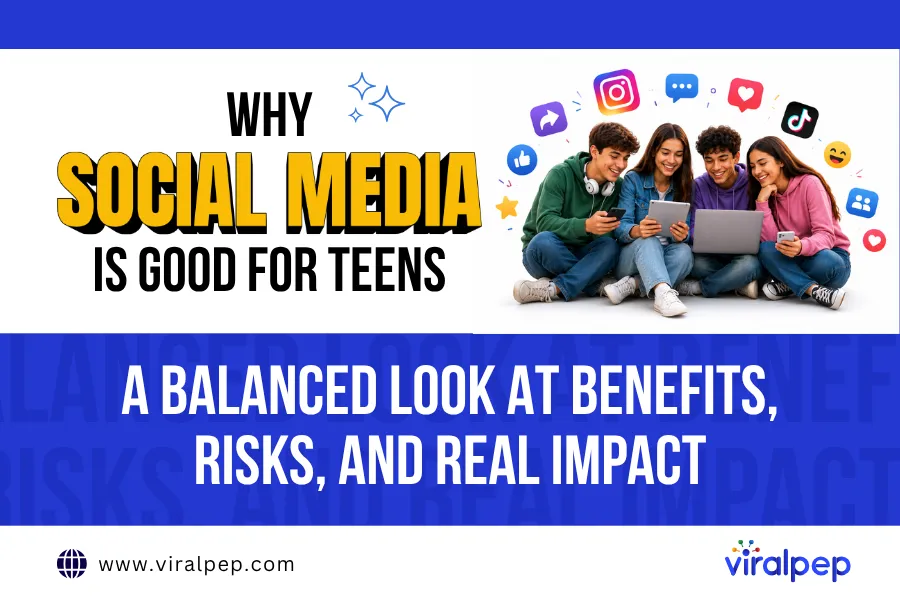
10 Social Media Automation Mistakes Businesses Still Make in 2026

Introduction

Social media automation has become an essential part of digital marketing in 2026. Businesses now rely on automation tools to schedule posts, manage multiple platforms, organize content calendars, monitor analytics, and maintain consistency across their social media presence.
As brands continue to publish more content across Instagram, Facebook, LinkedIn, X, Pinterest, and other platforms, manual social media management has become difficult to sustain. Automation helps businesses save time, improve workflow efficiency, and stay active online without managing every task manually.

However, many businesses still struggle to use automation effectively. Some brands rely too heavily on automated content and lose their brand personality. Others schedule content without reviewing performance data, audience behavior, or platform-specific strategies. In many cases, automation is being used to increase output without improving content quality or engagement.

Modern social media marketing requires a balance between automation, creativity, and real audience interaction. Businesses that use automation strategically are able to improve consistency while still maintaining authentic communication with their audience.

In this article, we’ll cover 10 social media automation mistakes businesses still make in 2026 and how to avoid them for better engagement, stronger branding, and more effective social media growth.

1. Automating Everything Without a Human Touch

Social media automation is designed to simplify repetitive tasks, not replace human interaction completely. Many businesses still make the mistake of automating every part of their social media presence, including captions, replies, comments, and direct messages, without adding any personal involvement.

While automation improves efficiency, excessive automation often makes content feel generic and disconnected from the audience. Users can easily recognize repetitive captions, templated replies, and robotic interactions. This reduces trust and weakens brand identity over time.

In 2026, audiences expect brands to communicate naturally and respond authentically. Social media platforms also continue prioritizing meaningful engagement, which means businesses that rely entirely on automation may struggle to maintain visibility and engagement rates.

Automated scheduling works best when paired with active community management. Businesses should still monitor comments, participate in conversations, respond thoughtfully to messages, and adapt content based on audience behavior and current trends.

Automation should handle repetitive workflows such as post scheduling, content organization, and publishing consistency. Brand voice, storytelling, and customer interaction should still involve human creativity and decision-making.

Businesses that successfully combine automation with authentic engagement are far more likely to build long-term audience trust and stronger social media communities.

2. Posting the Same Content Across Every Platform

One of the most common automation mistakes businesses still make in 2026 is publishing identical content across every social media platform without any customization. While cross-posting saves time, using the exact same caption, format, and creative on every platform often leads to weaker engagement.

Each social media platform attracts different audience behaviors and content preferences. A post that performs well on LinkedIn may not work effectively on Instagram. Similarly, short-form conversational content on X may feel out of place on Facebook or Pinterest.

Audiences also consume content differently depending on the platform. Instagram users typically prefer visually engaging and concise content, while LinkedIn audiences respond better to educational or professional insights. Pinterest focuses heavily on searchable visual content, while Facebook still favors community-driven engagement.

Businesses that automate content distribution without platform-specific optimization often miss opportunities to improve reach and engagement. Generic cross-posting can also make a brand appear less intentional and less connected to each audience segment.

A better approach is to use automation tools for scheduling and workflow management while customizing content for each platform. Small adjustments such as changing captions, hashtags, image formats, posting times, or call-to-actions can significantly improve performance.

In 2026, effective social media automation is not about publishing more content everywhere. It is about delivering the right content in the right format for the right audience on each platform.

3. Ignoring Analytics and Performance Data

Many businesses automate their social media publishing process but fail to regularly review performance data. Scheduling content without analyzing results often leads to repeated mistakes, declining engagement, and missed growth opportunities.

Automation makes it easier to maintain posting consistency, but consistency alone does not guarantee results. Businesses need to understand which content performs well, which platforms generate the most engagement, and what type of posts their audience actually responds to.

In 2026, social media algorithms continue evolving rapidly, making performance tracking more important than ever. Audience behavior, engagement patterns, and content trends can change quickly across platforms. Businesses that ignore analytics often continue publishing ineffective content simply because it is already scheduled and automated.

Key metrics such as engagement rate, reach, impressions, saves, shares, click-through rates, and audience growth provide valuable insight into content performance. Reviewing this data helps businesses refine their content strategy and improve future campaigns.

Analytics also help businesses identify the best posting times, strongest content formats, and highest-performing topics for each platform. Without these insights, automation becomes a repetitive publishing system instead of a growth strategy.

Businesses should regularly review their social media analytics and adjust their automation workflows accordingly. Automation works best when it is guided by real performance data instead of assumptions.

4. Scheduling Content Too Far in Advance

Scheduling content in advance helps businesses stay organized and maintain posting consistency. However, many brands still make the mistake of planning and automating large volumes of content too far ahead without leaving room for flexibility.

Social media trends move quickly in 2026. Audience interests, platform algorithms, industry news, and online conversations can shift within days. Content that felt relevant a month ago may no longer connect with audiences by the time it gets published.

Over-scheduling also increases the risk of posting outdated promotions, irrelevant messaging, or content that conflicts with current events. Businesses that automate months of content without regular reviews often struggle to maintain relevance and engagement.

Another common issue is missing opportunities to participate in trending conversations or timely topics. Brands with rigid automated schedules may find it difficult to react quickly to viral moments, seasonal trends, or audience feedback.

A smarter approach is to maintain a structured content calendar while leaving room for updates and real-time content adjustments. Businesses should regularly review scheduled posts, refresh outdated messaging, and keep space available for trend-driven or reactive content.

Automation should improve consistency without making content feel disconnected from what is currently happening online. Flexible scheduling allows businesses to stay organized while still remaining relevant and responsive.

5. Overusing AI-Generated Captions Without Editing

AI-generated content has become a major part of social media automation in 2026. Many businesses now use AI tools to create captions, generate ideas, write hashtags, and speed up content production. While AI can significantly improve efficiency, relying entirely on unedited AI-generated captions often creates repetitive and low-quality content.

One of the biggest problems with raw AI-generated content is the lack of brand personality. Captions generated without human editing often sound generic, overly formal, or similar to content used by countless other brands. Over time, this weakens brand identity and reduces audience connection.

AI-generated captions may also miss important context, platform-specific tone, or audience expectations. Some captions become unnecessarily long, filled with vague marketing language, or disconnected from the actual visual content being posted.

Businesses that use AI effectively typically treat it as a starting point rather than a final solution. Human editing helps refine tone, improve clarity, add personality, and ensure the content aligns with the brand voice.

In 2026, audiences value authenticity more than volume. Businesses that publish high quantities of generic AI-generated content often experience lower engagement compared to brands that prioritize relatable and well-edited messaging.

AI should support creativity and productivity, not replace thoughtful communication. Businesses that combine AI efficiency with human creativity are more likely to create content that feels engaging, relevant, and authentic.

6. Neglecting Real-Time Engagement

Automation can help businesses maintain a consistent posting schedule, but it cannot replace real-time audience interaction. Many brands still focus heavily on automated publishing while spending very little time engaging directly with their audience.

Social media platforms continue prioritizing active engagement in 2026. Responding to comments, participating in conversations, replying to direct messages, and interacting with trending discussions all contribute to stronger visibility and audience relationships.

Businesses that only publish automated content without engaging with their community often appear inactive or disconnected. Audiences are far more likely to trust and support brands that communicate naturally and respond consistently.

Real-time engagement also helps businesses better understand their audience preferences, feedback, and concerns. Comments and conversations often provide valuable insights that can improve future content strategies and customer experience.

Another major advantage of active engagement is improved brand loyalty. Quick responses, thoughtful replies, and genuine interaction help businesses build stronger relationships with their audience over time.

Automation should support content management and workflow efficiency, while human interaction should remain a core part of the social media strategy. Businesses that balance both are more likely to maintain healthy engagement and long-term audience growth.

7. Using Automation Without a Content Strategy

Many businesses invest in social media automation tools without building a clear content strategy first. While automation can improve efficiency, it cannot fix inconsistent messaging, unclear goals, or weak content planning.

A common mistake in 2026 is treating automation as the entire social media strategy instead of using it as a support system. Scheduling content regularly does not automatically lead to audience growth or better engagement if the content itself lacks direction and purpose.

Businesses often publish random promotional posts, inconsistent visuals, or unrelated topics simply to maintain activity. This creates a fragmented social media presence that makes it difficult for audiences to understand the brand identity or value.

A strong content strategy should define content pillars, target audience preferences, posting goals, platform priorities, and brand messaging. Businesses should also plan content based on specific objectives such as brand awareness, engagement, lead generation, or customer retention.

Automation becomes far more effective when it supports a structured strategy. Content calendars, scheduling workflows, and automated publishing should all align with broader marketing goals and audience expectations.

In 2026, successful social media marketing depends on consistency, relevance, and strategic planning. Businesses that combine automation with a clear content strategy are more likely to build stronger engagement and long-term brand growth.

8. Not Optimizing Posting Times

Posting time continues to play an important role in social media performance, even with the growth of automation tools and algorithm-driven feeds. Many businesses still schedule content without analyzing when their audience is actually most active online.

Different platforms attract different user behaviors and engagement patterns. A posting schedule that works well on Instagram may not perform effectively on LinkedIn, Facebook, or X. Audience activity can also vary depending on industry, location, and content type.

Businesses that ignore posting time optimization often experience lower reach and weaker engagement, even when the content quality is strong. Publishing content when the target audience is inactive reduces the chances of immediate interaction, which can negatively impact overall performance.

Modern automation tools make it easier to schedule content strategically based on audience insights and engagement trends. Reviewing analytics regularly helps businesses identify the best time windows for publishing content on each platform.

Another common mistake is using the same posting schedule throughout the year without adjusting for audience behavior changes. Seasonal trends, holidays, campaign periods, and shifting platform usage patterns can all influence optimal posting times.

In 2026, effective social media automation requires more than simply filling a content calendar. Businesses that combine scheduling automation with performance-driven timing strategies are more likely to maximize reach, engagement, and visibility.

9. Forgetting About Team Collaboration and Approval Workflows

As businesses grow, social media management often involves multiple team members handling content creation, design, scheduling, approvals, and reporting. Many brands still use automation tools without establishing proper collaboration and approval workflows, which can lead to avoidable mistakes and inconsistent communication.

Without a structured review process, businesses may publish content with incorrect information, inconsistent branding, design issues, or messaging that does not align with campaign goals. These problems become more common when several people manage multiple social media accounts simultaneously.

Approval workflows are especially important for social media management agencies, growing businesses, and larger marketing teams. Content often needs to be reviewed by managers, clients, designers, or legal teams before publication. Without organized collaboration, delays and miscommunication can disrupt the entire content schedule.

Modern social media automation tools now offer shared calendars, content approvals, role management, and collaborative publishing features that help teams stay aligned. These systems improve workflow efficiency while reducing the risk of publishing errors.

Strong collaboration also improves content quality. Teams that communicate effectively are better able to maintain consistent branding, coordinate campaigns, and respond quickly to feedback or content changes.

In 2026, social media automation is not only about scheduling posts efficiently. It is also about creating smoother workflows that allow teams to collaborate effectively while maintaining quality and consistency across every platform.

10. Choosing Complicated Tools That Slow Teams Down

Many businesses assume that using more features and more complex automation systems will automatically improve their social media performance. In reality, overly complicated tools often create confusion, slow down workflows, and reduce overall productivity.

In 2026, businesses manage content across multiple platforms, campaigns, and team members. When automation tools are difficult to navigate or require complicated processes for basic tasks, teams often spend more time managing the software than creating effective content.

Complex dashboards, disconnected workflows, excessive integrations, and difficult approval systems can create unnecessary friction in daily operations. This becomes especially challenging for small businesses, startups, and growing teams that need fast and efficient content management.

Another common issue is poor tool adoption within teams. If social media automation platforms are too technical or difficult to learn, team members may avoid using important features altogether. This leads to inconsistent workflows and reduced efficiency across the organization.

The most effective automation tools focus on simplicity, organization, and ease of use. Businesses benefit more from centralized scheduling, clear collaboration systems, streamlined analytics, and intuitive dashboards than from overly complicated feature lists.

Automation should reduce workload and improve efficiency, not create additional operational challenges. Businesses that choose user-friendly and scalable automation platforms are more likely to maintain consistent workflows and stronger long-term social media performance.

How to Use Social Media Automation the Right Way in 2026

Social media automation delivers the best results when it is used to support strategy, creativity, and consistency instead of replacing them entirely. Businesses that approach automation strategically are able to save time while still maintaining authentic audience engagement and high-quality content.

The most effective approach is to automate repetitive tasks such as scheduling posts, organizing content calendars, tracking analytics, and managing publishing workflows. This allows marketing teams to focus more on content quality, creative campaigns, and audience interaction.

Businesses should also regularly review performance data to improve their automation strategy over time. Analytics help identify what content performs best, when audiences are most active, and which platforms generate the strongest engagement.

Flexibility is equally important. Automated schedules should leave room for trend-based content, seasonal updates, and real-time engagement opportunities. Brands that remain adaptable are more likely to stay relevant in fast-changing social media environments.

Maintaining a strong brand voice is another critical factor. Even when using AI tools or automated workflows, content should still feel personal, intentional, and aligned with the brand identity.

In 2026, successful social media automation is built on balance. Businesses that combine automation with creativity, audience engagement, performance tracking, and strategic planning are more likely to build sustainable growth across their social media platforms.

Conclusion

Social media automation continues to be one of the most valuable tools for businesses in 2026. It helps brands save time, maintain consistency, manage multiple platforms efficiently, and streamline content workflows at scale.

However, automation alone does not guarantee strong engagement or long-term growth. Businesses that rely too heavily on automated publishing, generic AI-generated content, or rigid scheduling often struggle to maintain authenticity and audience connection.

The most successful brands use automation as a support system rather than a replacement for strategy and creativity. They combine scheduling tools with active engagement, data-driven decisions, platform-specific content, and strong brand communication.

Avoiding these common automation mistakes can help businesses improve content performance, strengthen audience relationships, and create more effective social media strategies overall.

With the right balance of automation, creativity, and flexibility, businesses can build a more organized and impactful social media presence in 2026 and beyond.

Frequently Asked Questions

Is social media automation still effective in 2026?

Yes, social media automation remains highly effective in 2026 when used strategically. Automation helps businesses save time, maintain consistent posting schedules, organize content workflows, and manage multiple social media platforms more efficiently. However, businesses still need to combine automation with authentic engagement, creative content, and performance analysis for the best results.

Can social media automation reduce engagement?

Social media automation can reduce engagement if businesses rely too heavily on generic automated content or avoid real audience interaction. Automated publishing without personalization, community engagement, or platform-specific optimization often leads to lower audience connection and weaker performance.

What should businesses automate on social media?

Businesses should automate repetitive tasks such as post scheduling, content calendars, publishing workflows, analytics tracking, and reporting. Creative storytelling, audience engagement, customer communication, and brand voice should still involve human input and oversight.

How often should automated social media content be reviewed?

Businesses should review automated content regularly to ensure it remains relevant, accurate, and aligned with current trends or audience behavior. Weekly or bi-weekly content reviews help prevent outdated messaging and improve content performance over time.

What are the biggest social media automation mistakes businesses make?

Some of the biggest mistakes include posting identical content across all platforms, ignoring analytics, overusing unedited AI-generated captions, scheduling content too far in advance, and neglecting real-time audience engagement. Businesses that balance automation with strategy and authenticity typically achieve better results.

Why Social Media Is Good for Teens: A Balanced Look at Benefits, Risks, and Real Impact

Introduction

For years, social media has been at the center of debates around teenage behavior. Concerns about screen time, distraction, and mental health often dominate the conversation, shaping a largely negative perception among parents, educators, and caregivers.
But this perspective, while valid in parts, is incomplete.

Social media is not a single, uniform experience. For teenagers, it functions as a communication tool, a learning environment, a creative outlet, and increasingly, a space for identity-building. Reducing it to a source of harm overlooks the ways in which it is actively contributing to how young people connect, learn, and grow.

The more useful question, then, is not whether social media is good or bad for teens, but under what conditions it becomes beneficial.

When used with some level of awareness and balance, social media can support skill development, expand access to information, and create opportunities that were not available to previous generations at the same age. At the same time, it introduces challenges that require guidance rather than avoidance.

This article takes a closer look at how teenagers are actually using social media today, and why, in many cases, it can play a constructive role in their development—academically, socially, and creatively.

Understanding How Teens Actually Use Social Media Today

Any discussion about the impact of social media on teenagers has to begin with a simple point. Not all usage is the same.

A common mistake is to treat social media as a single activity, usually associated with passive scrolling or entertainment. In reality, teenagers use these platforms in very different ways, and each type of use leads to a different outcome. Existing research on social media and adolescent development shows that teens use these platforms for communication, identity-building, and information sharing, not just entertainment.

For many teens, social media is first a communication tool. It is how they stay in touch with friends, coordinate activities, and maintain relationships outside school hours. Messaging, sharing updates, and participating in group conversations have become a normal extension of social interaction.

At the same time, social media is also a content platform. Teenagers consume videos, posts, and discussions that range from entertainment to education. A student might spend time watching short-form videos, but in the same session, they could also come across study tips, career advice, or explanations of complex topics.

Another important aspect is creation. A growing number of teenagers are not just consuming content but producing it. They create videos, write captions, design visuals, or share opinions. This shift from passive consumption to active participation changes the role social media plays in their lives.

There is also a learning dimension that is often underestimated. Many teens use social platforms to explore interests that are not covered in school. Whether it is learning a new skill, understanding a topic in more depth, or discovering potential career paths, social media often acts as an informal learning environment.

Understanding these different patterns of use is important because the benefits of social media are closely tied to how it is used. A teenager who uses it only for passive consumption will have a very different experience from one who uses it to communicate, learn, and create.

Before labeling social media as positive or negative, it is necessary to recognize this distinction. It sets the foundation for a more balanced and realistic conversation about its role in the lives of teenagers.

Communication and Social Development

Communication is one of the most immediate ways social media influences teenagers, and it is often misunderstood.

There is a tendency to assume that digital interaction weakens real-world communication skills. In practice, it often does the opposite. Teenagers today are in constant interaction with their peers, just through different mediums. Messaging, commenting, and sharing require them to express thoughts clearly, respond quickly, and adapt their tone depending on the situation.

These small, frequent exchanges build familiarity with communication in a way that is continuous rather than occasional. This ongoing interaction is also what helps teenagers improve social media engagement, as they learn what kind of communication encourages responses and builds connections. A teenager is not waiting for a face-to-face interaction to express an idea or maintain a friendship. Instead, conversations happen throughout the day, creating a steady flow of social engagement.

Social media also plays an important role in maintaining relationships. School friendships are no longer limited to classroom hours. Students stay connected after school, collaborate on assignments, and remain socially involved even when they are physically apart. This can strengthen bonds rather than weaken them.

For teenagers who are naturally reserved or introverted, digital platforms can lower the barrier to participation. Speaking up in a classroom or a large group setting can be difficult, but typing a response or sharing a thought online often feels more manageable. Over time, this can help build confidence that carries into offline interactions.

At the same time, social media introduces a layer of awareness about audience and context. Teenagers learn that the way they communicate in a private chat is different from how they present themselves in a public post. This ability to adjust tone and message based on context is a valuable communication skill, especially in a digital-first world.

This does not mean that online interaction should replace face-to-face communication. Both forms serve different purposes. What social media does is extend the space in which communication happens, giving teenagers more opportunities to practice and refine how they connect with others.

When viewed this way, social media is not reducing communication. It is reshaping it, and in many cases, strengthening it.

Access to Information and Informal Learning

One of the most significant advantages of social media for teenagers is how easily it provides access to information. Unlike traditional learning environments, where content is structured and limited by curriculum, social media offers a continuous stream of ideas, explanations, and perspectives.

Teenagers are no longer dependent only on textbooks or classroom instruction to understand a topic. If something is unclear, they can find multiple explanations within minutes, often presented in simpler and more engaging formats. Short videos, visual breakdowns, and step-by-step guides make complex subjects easier to approach. A large part of this shift is driven by the rise of educational content on social media, which makes learning more accessible and engaging for younger audiences.

This has led to the growth of informal learning. Students are picking up skills and knowledge outside formal education systems, often driven by curiosity rather than obligation. A teenager might start by watching a few videos out of interest and gradually develop a deeper understanding of a subject over time.

Another important shift is the role of self-directed learning. Social media allows teens to explore topics at their own pace. They can revisit content, follow creators who specialize in specific areas, and build a personalized learning environment that suits their interests and needs. Learning how to provide value on social media also helps teens understand what meaningful and useful content looks like.

It also exposes them to areas that may not be covered in school. Skills such as basic coding, design principles, communication techniques, or even financial awareness are increasingly being learned through social platforms. This broadens their understanding beyond academic requirements and helps them discover potential interests early.

However, access to information alone is not enough. The quality of content varies, and not everything shared online is accurate. This is where guidance becomes important. When teenagers learn to question sources, compare viewpoints, and verify information, social media becomes more than just a source of content. It becomes a tool for developing independent thinking.

In this sense, social media does not replace traditional education. It complements it by making learning more accessible, flexible, and aligned with individual curiosity.

Creativity, Identity, and Self-Expression

Adolescence is a stage where individuals begin to form a clearer sense of identity. They explore interests, test ideas, and look for ways to express who they are. Social media has become one of the primary spaces where this process unfolds.

Unlike traditional settings, where opportunities for expression may be limited, social platforms allow teenagers to create and share content in multiple formats. They can write, record videos, design visuals, or simply share opinions. This flexibility gives them room to experiment with different forms of expression and discover what resonates with them.

Creation also changes the role they play online. Instead of being passive consumers, teens become active participants. They make decisions about what to post, how to present it, and how to engage with responses. This process encourages reflection and builds a sense of ownership over their voice.

Another important aspect is the ability to explore interests without immediate pressure. A teenager interested in art, music, writing, or any niche subject can find an audience or a community that shares that interest. This reduces the fear of judgment that sometimes exists in offline environments and makes it easier to experiment.

At the same time, feedback plays a role in shaping confidence. Positive engagement can reinforce a teenager’s willingness to express themselves, while constructive responses can help them improve. Over time, this interaction contributes to both creative development and self-awareness.

It is also worth noting that identity formation on social media is not always straightforward. There can be pressure to present a certain image or gain approval. This is where balance becomes important. When used with awareness, social media can support self-expression. When used without it, it can lead to comparison or self-doubt.

Overall, social media provides a space where teenagers can explore who they are, what they enjoy, and how they want to communicate that to others. Research on the benefits of social media for teens also highlights its role in identity formation, creativity, and finding supportive communities. This makes it a significant tool in both creative growth and personal development.

Early Exposure to Digital Skills and Career Paths

One of the less discussed but highly practical benefits of social media is the early exposure it gives teenagers to real-world digital skills.

What may begin as casual usage often develops into hands-on experience with tools and practices that are directly relevant in today’s economy. Creating a post, editing a video, writing a caption, or managing a page involves a combination of creative and technical decisions. These activities are closely tied to content creation for social media, a skill that is increasingly relevant across industries. Over time, teenagers start to understand what works, what attracts attention, and how audiences respond. In many ways, they are already developing social media marketing skills without formal training, simply through consistent use and experimentation.

This naturally introduces them to areas such as content creation, branding, and communication. Without formal training, they begin to learn how to present ideas clearly, maintain consistency, and engage with an audience. These are foundational skills in fields like marketing, media, and communication.

Some teenagers take this a step further by building their own pages or profiles around specific interests. Whether it is art, fitness, education, or entertainment, maintaining a focused presence requires planning, discipline, and adaptability. They learn to think about content strategy, timing, and audience preferences, even if they do not use those terms explicitly.

There is also increasing awareness of career possibilities linked to digital platforms. Roles related to social media management, content production, and online business are no longer distant concepts. Teenagers are exposed to them early, which can influence their academic choices and long-term goals.

In some cases, this exposure leads to practical opportunities. A teenager who develops strong skills in content creation or communication may begin freelancing, collaborating, or contributing to small projects. Even when it does not lead to immediate income, the experience itself has value.

It is important to note that not every teenager will pursue a digital career, and that is not the point. The real benefit lies in familiarity. Social media provides an environment where essential digital skills are learned informally and applied in real time.

As the workplace continues to evolve, this early exposure becomes increasingly relevant. Teenagers are not just preparing for exams. They are, in many cases, gaining a basic understanding of how digital systems, audiences, and communication work in practice.

Community, Belonging, and Emotional Support

A less visible but important role of social media in teenage life is the sense of community it can create.

Adolescence can be a period where individuals feel uncertain about where they fit in. Interests, opinions, and experiences do not always align with immediate surroundings such as school or local social circles. Social media expands the range of connections available to them.

Teenagers can find communities built around shared interests, whether those are academic, creative, or personal. These communities often provide a sense of belonging that may be difficult to find offline. Being part of a group that understands and shares similar interests can reduce feelings of isolation. In many cases, these interactions also help teens understand how people build trust using social media through consistent and meaningful communication.

This is particularly relevant for teens who feel socially disconnected in their immediate environment. Online spaces can offer support, encouragement, and a place to express thoughts without the pressure that sometimes exists in face-to-face settings.

There is also an emotional support aspect. Teenagers often use social media to talk about their experiences, seek advice, or simply feel heard. When interactions are positive and respectful, this can contribute to emotional well-being.

However, the quality of these interactions matters. A supportive community can have a positive impact, while negative or toxic environments can have the opposite effect. This again highlights the importance of guidance and awareness in how social media is used.

Social media does not replace real-world relationships, but it can complement them. It creates additional spaces where teenagers can connect, share, and feel included. When used thoughtfully, it can strengthen a sense of belonging during a stage of life where that need is particularly strong.

Awareness, Perspective, and Critical Thinking

Social media has significantly changed how teenagers are exposed to information and viewpoints. Unlike traditional media, where content is filtered and limited, social platforms present a wide range of perspectives in real time.

For teenagers, this means early exposure to social, cultural, and global issues. They are not only consuming information but also seeing how others react to it. Discussions, debates, and differing opinions are part of the everyday content they encounter.

This environment, when approached thoughtfully, can contribute to the development of critical thinking. Teenagers begin to notice that not all information is presented in the same way, and that different sources may interpret the same issue differently. Over time, this can lead to a more questioning approach to content rather than passive acceptance.

They also learn to evaluate credibility. Deciding which sources to trust, which opinions to consider, and which claims to question becomes an important skill. While this does not happen automatically, regular exposure creates opportunities to develop this ability.

Another aspect is perspective. Social media allows teenagers to see experiences beyond their immediate environment. They come across viewpoints shaped by different cultures, backgrounds, and circumstances. This can broaden understanding and encourage a more informed outlook.

At the same time, there are challenges. The broader impact of social media on teens is complex, with research showing both positive and negative effects depending on how platforms are used. Misinformation, biased content, and echo chambers are real concerns. Without awareness, it is easy to accept information at face value or remain within a limited perspective.

This is why guidance and digital literacy are important. When teenagers are encouraged to question what they see, verify information, and consider multiple viewpoints, social media becomes a space for learning rather than confusion.

In this way, social media can play a role in shaping how teenagers think, not just what they see. It introduces complexity early, but it also provides the tools to navigate that complexity with greater awareness.

The Conditions That Make Social Media “Good”

Up to this point, the benefits of social media may seem clear. However, these outcomes are not automatic. The same platforms that support learning, communication, and creativity can also lead to distraction or negative experiences if used without awareness.

What makes the difference is not the platform itself, but the conditions under which it is used.

One of the most important factors is intent. Teenagers who use social media with a purpose, whether it is to learn, connect, or create, tend to have a more positive experience than those who use it purely out of habit. Passive and unstructured usage often leads to excessive scrolling without meaningful engagement.

Time management also plays a role. Without some level of control, usage can become excessive and interfere with other activities such as studies, sleep, or offline interaction. Setting reasonable limits helps maintain balance without completely restricting access.

Another key condition is the type of content being consumed. Social media feeds are shaped by what users choose to follow and engage with. When teenagers are encouraged to follow educational, creative, or informative content, the overall experience becomes more valuable. On the other hand, constant exposure to low-quality or negative content can reduce the potential benefits.

Digital literacy is equally important. Understanding how platforms work, recognizing misleading information, and being aware of online behavior all contribute to a safer and more productive experience. These are skills that need to be developed over time, often with guidance from parents or educators.

Environment also matters. Open conversations about social media use, rather than strict control or complete freedom, tend to lead to better outcomes. When teenagers feel they can discuss what they see and experience online, they are more likely to use platforms responsibly.

In simple terms, social media becomes “good” when it is used with structure, awareness, and balance. Without these, its value is reduced. With them, it can support multiple aspects of a teenager’s development in a meaningful way.

Practical Guidance for Parents, Schools, and Teens

Understanding the benefits of social media is only one part of the conversation. The more important question is how to ensure that teenagers actually experience those benefits in practice.

This requires a shared approach involving parents, schools, and the teens themselves.

For Parents

For many parents, the instinctive response to social media is restriction. While concerns are valid, complete control or strict bans often lead to resistance rather than responsible behavior.

A more effective approach is involvement.

Parents who take the time to understand the platforms their children use are better positioned to guide them. This does not mean monitoring every activity, but having enough awareness to discuss how these platforms work and what kind of content is being consumed.

Open conversation is critical. When teenagers feel they can talk about their online experiences without immediate judgment, they are more likely to share concerns or ask questions. This creates opportunities to guide rather than react.

It is also helpful to set clear but reasonable boundaries. Instead of focusing only on screen time, parents can encourage purposeful use. The goal is not to eliminate social media, but to help teenagers use it in a way that adds value.

For Schools and Educational Institutions

Schools have an important role in shaping how teenagers engage with social media, but this role is often underutilized.

Rather than treating social media as a distraction, institutions can incorporate it into the learning process. This can include using digital platforms to share resources, encourage discussions, or showcase student work.

Teaching digital literacy should be a priority. Students need to understand how to evaluate information, recognize credible sources, and engage responsibly online. These are essential skills that go beyond academic knowledge.

Schools can also create structured opportunities for students to use social media productively. For example, projects that involve research, content creation, or collaboration can help students apply what they learn in a practical context.

By integrating social media into education in a controlled and purposeful way, schools can help students develop healthier usage habits.

For Teens

Ultimately, teenagers themselves play the most direct role in how social media affects them.

One of the most important habits to develop is intentional use. Instead of opening an app out of habit, it helps to have a clear reason, whether it is to learn something, connect with someone, or create content.

Content selection also matters. Following accounts that provide useful, educational, or inspiring content can significantly change the overall experience. Over time, this shapes what appears in their feed.

Balance is another key factor. Social media should complement daily life, not replace it. Making time for offline activities, studies, and in-person interactions ensures that usage remains healthy.

Finally, being aware of how social media affects mood and focus is important. If certain types of content lead to comparison or distraction, recognizing that pattern is the first step toward changing it.

When parents, schools, and teens approach social media with awareness and shared responsibility, the likelihood of positive outcomes increases significantly. It becomes less about control and more about creating an environment where responsible use can develop naturally.

Where Platforms and Tools Fit In

As social media becomes more integrated into communication and learning, the way it is managed also starts to matter. Unstructured usage often leads to inconsistency, missed opportunities, or unnecessary time spent without clear outcomes.

This is where platforms and tools begin to play a role.

For schools, daycare centers, and even small educational communities, managing communication across multiple channels can become difficult. Sharing updates, educational content, or important announcements requires consistency and planning. Without a system, this process can quickly become irregular or ineffective.

Structured tools help bring clarity to this process. Instead of posting randomly or reacting at the last moment, institutions can plan content in advance, maintain a steady flow of communication, and ensure that the information being shared is useful and relevant.

This also applies to individuals who are using social media more intentionally. Teenagers who are exploring content creation or building a focused presence benefit from understanding how to organize their efforts. Planning posts, maintaining consistency, and reviewing engagement are all part of using social media with purpose rather than habit.

For organizations and educators, tools like Viralpep are designed to support this kind of structured approach. They allow users to schedule posts, manage multiple accounts, and maintain consistency without needing to be constantly active online.

The value of such tools is not limited to efficiency. They also encourage more thoughtful usage. When content is planned and reviewed, it tends to be more intentional, more relevant, and more aligned with the goals of communication or learning.

In the broader context, tools do not change what social media is, but they can influence how it is used. By introducing structure and reducing randomness, they help individuals and institutions make better use of the time and attention invested in these platforms.

Conclusion

The conversation around teenagers and social media is often framed in extremes. It is either seen as harmful or dismissed as harmless entertainment. In reality, it sits somewhere in between.

Social media is a tool, and like any tool, its impact depends on how it is used.

For teenagers, it offers clear advantages. It supports communication, provides access to information, encourages creativity, and introduces skills that are increasingly relevant in a digital world. It also creates opportunities for connection and self-expression that were not as easily available in the past.

At the same time, these benefits do not exist by default. They depend on awareness, balance, and guidance. Without these, the same platforms can lead to distraction or unproductive habits.

This is why the role of parents, educators, and institutions is important. The focus should not be on limiting access alone, but on helping teenagers understand how to use social media in a way that adds value to their lives.

For teens themselves, the shift is simple but significant. Moving from passive consumption to intentional use changes the entire experience. It turns social media from a source of distraction into a tool for learning, connection, and growth.

As digital platforms continue to evolve, one thing remains clear. Social media is not going away. Learning how to use it effectively is no longer optional. It is part of preparing for the world teenagers are growing into.

Frequently Asked Questions

Is social media good for teenagers?

Social media can be beneficial for teenagers when used responsibly. It helps with communication, provides access to educational content, supports creativity, and allows them to explore interests. The key factor is how it is used rather than the platform itself.

What are the benefits of social media for teens?

Some of the main benefits include improved communication, exposure to new ideas, access to learning resources, creative expression, and early development of digital skills. It also helps teenagers connect with communities and maintain relationships.

How much social media is healthy for teens?

There is no single fixed number that applies to everyone. What matters more is balance. Social media should not interfere with studies, sleep, or offline activities. Setting reasonable limits and focusing on meaningful usage is generally more effective than strict time restrictions.

How can parents make social media safer for teens?

Parents can make social media safer by staying involved, understanding the platforms their children use, and encouraging open conversations. Instead of strict control, guidance and awareness tend to lead to better long-term habits.

How Social Media Affects Relationships: A Realistic Look at the Pros and Cons

Introduction

Social media has become a central part of how people connect, communicate, and maintain relationships. Whether it is friendships, family bonds, or romantic relationships, much of the interaction that once happened in person now continues online.
This shift has led to a common concern. Many believe that social media is damaging relationships by reducing meaningful interaction, creating misunderstandings, and encouraging comparison. While these concerns are not without merit, they only tell part of the story.

Social media does not affect all relationships in the same way. Its impact depends largely on how it is used. For some, it strengthens connections by making communication easier and more consistent. For others, it introduces challenges that can strain trust and emotional balance.

The key is to move beyond a one-sided view. Social media is neither entirely harmful nor entirely beneficial. It is a tool that can support or disrupt relationships depending on habits, boundaries, and intent.

This article explores how social media affects relationships in a practical and balanced way. It looks at both the positive and negative influences, and what individuals can do to ensure that their use of social media supports healthier, more meaningful connections.

How Social Media Has Changed the Way We Connect

The way people build and maintain relationships has changed significantly with the rise of social media. Communication is no longer limited by time or location. Instead of waiting to meet in person or speak at a specific time, interactions now happen continuously throughout the day. Research on the impact of social media on friendships shows that constant connectivity has become a defining part of how relationships are maintained today.

This constant connectivity has created a new normal. Friends, partners, and family members can stay updated on each other’s lives in real time. A message, a comment, or even a simple reaction can keep a connection active without requiring a full conversation.

At the same time, social media has introduced new forms of interaction. Sharing updates, posting stories, and reacting to content have become part of everyday communication. These actions may seem small, but they contribute to how relationships are maintained over time.

Another change is the visibility of relationships. Moments that were once private are now often shared publicly. This can create a sense of closeness, but it also introduces external influence, where others can see, react to, and sometimes shape how relationships are perceived.

There is also a shift in expectations. Because communication is always possible, there can be an assumption that responses should be immediate. Delays in replying or reduced interaction can sometimes be misinterpreted, even when there is no negative intent.

These changes do not necessarily weaken relationships, but they do alter how they function. Social media has made connections more immediate and visible, while also adding layers of complexity that did not exist before.

Understanding this shift is important before evaluating whether social media is helping or harming relationships. It sets the context for how modern relationships are experienced and maintained.

Strengthening Relationships Through Communication

One of the most immediate ways social media affects relationships is through communication. At its best, it makes staying connected easier, more consistent, and less dependent on physical proximity.

For friends and family members who live in different cities or have busy schedules, social media helps maintain regular contact. A quick message, a shared post, or a short conversation can keep the relationship active without requiring significant time or effort. This continuity helps prevent relationships from fading due to distance or routine.

It also supports ongoing interaction in smaller ways. Not every conversation needs to be long or deeply structured. Responding to a story, reacting to a post, or sending a brief update allows people to stay involved in each other’s lives without formal communication. Over time, these small touchpoints build a sense of familiarity and presence. This becomes more effective when individuals focus on creating meaningful content online rather than just reacting passively.

In romantic relationships, social media can help maintain connection throughout the day. Checking in, sharing moments, or simply staying aware of each other’s activities can create a sense of closeness, especially in long-distance situations.

Another important aspect is accessibility. Social media gives people multiple ways to communicate, whether through text, voice, or visual content. This flexibility allows individuals to choose how they express themselves, which can improve the overall quality of interaction.

However, the benefit comes from how these tools are used. When communication is intentional and respectful, social media strengthens relationships by making interaction more consistent and accessible. It does not replace meaningful conversation, but it supports it by keeping connections active between those moments.

In this way, social media acts as an extension of communication rather than a substitute for it.

The Role of Social Media in Building New Relationships

Social media has not only changed how existing relationships are maintained, but also how new ones are formed. It has expanded the ways in which people meet, interact, and connect with others beyond their immediate environment.

In the past, most relationships developed through shared physical spaces such as schools, workplaces, or social circles. Social media removes many of these limitations. People can now connect based on shared interests, ideas, or experiences rather than just location. Communities built around user-generated content on social media often create stronger connections because they are based on shared participation rather than passive interaction.

This makes it easier to find like-minded individuals. Whether someone is interested in a specific hobby, subject, or perspective, there are communities built around it. Engaging in these spaces often leads to conversations, collaborations, and eventually, meaningful connections.

Another important factor is accessibility. Starting a conversation online can feel less intimidating than approaching someone in person. This lowers the barrier for interaction, especially for individuals who may be more reserved. Over time, repeated interactions can lead to familiarity and trust.

Social media also allows relationships to develop gradually. Instead of immediate, direct interaction, people can observe, engage lightly, and build comfort before forming a stronger connection. This can lead to more intentional and interest-based relationships.

However, the quality of these connections depends on how they are developed. Superficial interactions may not lead to meaningful relationships, but consistent and genuine engagement often does.

In many cases, online connections extend beyond the digital space. Friendships and professional relationships that begin on social media can move into real-world interactions, creating a blend of online and offline connection.

Overall, social media has expanded the scope of relationship building. It provides more opportunities to connect, but it also requires awareness and effort to turn those opportunities into meaningful relationships.

Where Social Media Creates Distance

While social media can make communication easier, it can also create a sense of distance in relationships when interaction becomes more surface-level than meaningful.

One of the most common shifts is the replacement of direct conversation with passive interaction. Instead of talking about experiences, people may rely on viewing updates, liking posts, or sending brief reactions. These actions create a sense of connection, but they do not always lead to deeper understanding.

Over time, this can reduce the quality of communication. A relationship may appear active because of frequent online interaction, but the actual exchange of thoughts and emotions may become limited. This creates what can be described as an illusion of connection, where people feel involved in each other’s lives without truly engaging.

Another factor is distraction. When communication is constantly interrupted by notifications, multitasking, or switching between conversations, it becomes harder to give full attention to any one interaction. This can make conversations feel incomplete or less meaningful.

Social media can also reduce the need for intentional effort. Since it is easy to stay loosely connected, individuals may invest less time in planning conversations or spending time together in person. As a result, relationships that rely only on digital interaction may lack depth over time.

There is also the issue of misalignment. One person may view regular likes or short messages as sufficient interaction, while the other may expect more direct and meaningful communication. This difference in expectations can lead to dissatisfaction even when both individuals are active online.

These effects do not mean that social media damages relationships by default. However, when it replaces rather than supports meaningful communication, it can create distance instead of reducing it.

Comparison, Jealousy, and Misunderstandings

One of the more subtle ways social media affects relationships is through comparison and interpretation. Unlike direct communication, social platforms present curated snapshots of people’s lives, often highlighting positive moments while leaving out context.

This creates an environment where individuals may begin to compare their own relationships with what they see online. Photos, posts, and public interactions can give the impression that others are experiencing more meaningful or fulfilling connections. Over time, this can lead to unrealistic expectations and dissatisfaction, even when there is no actual problem in the relationship. Studies on social media and relationship dynamics suggest that curated content often contributes to comparison and emotional misinterpretation.

Jealousy can also emerge from how interactions are perceived. Studies on social media jealousy and relationship behavior show that online monitoring and uncertainty can influence how partners communicate and react to each other. A like, a comment, or a new connection may seem insignificant to one person but carry meaning for another. Without clear communication, these small actions can be misinterpreted and create unnecessary tension.

Another challenge is the lack of tone and context in digital communication. Messages can be read in different ways depending on the reader’s mood or assumptions. A short reply might be seen as disinterest, while a delayed response could be interpreted as avoidance. These misunderstandings can escalate if they are not clarified.

Public visibility adds another layer. When parts of a relationship are shared online, they are open to observation and reaction from others. External opinions, even when unintended, can influence how individuals perceive their own relationships.

It is important to recognize that these issues are not caused by social media alone, but by how information is interpreted within it. When individuals rely heavily on assumptions rather than direct communication, the likelihood of misunderstanding increases.

Clear and honest conversation remains the most effective way to address these challenges. Social media may introduce new triggers, but the way they are handled determines their impact on the relationship.

Trust Issues and Privacy Concerns

Trust is a central part of any relationship, and social media can both support and challenge it depending on how it is used.

One of the main concerns is increased visibility. Social platforms make it easy to see who someone interacts with, what they engage with, and how they present themselves publicly. While this transparency can create openness, it can also lead to overanalysis. Small actions such as liking a post or following someone new may be interpreted in ways that were never intended. Research on social media and romantic relationship dynamics shows that increased visibility can sometimes lead to jealousy, validation-seeking, and trust concerns.

This often leads to overchecking behavior. Constantly monitoring a partner’s or friend’s activity can create unnecessary doubt and anxiety. Instead of building trust, it shifts the focus toward suspicion and validation.

Privacy is another important aspect. Not all parts of a relationship are meant to be public, but social media can blur these boundaries. Differences in comfort levels around sharing can lead to conflict. One person may prefer to keep things private, while the other may be more open about posting personal moments.

There is also the question of boundaries. Social media creates access, but it does not define limits. Without clear understanding, individuals may feel obligated to share more than they are comfortable with or respond more quickly than they would prefer.

Misunderstandings can arise when expectations are not aligned. For example, one person may see online transparency as a sign of honesty, while the other may see it as unnecessary exposure. These differences are not always discussed directly, which can lead to tension over time.

At its core, trust is not built through constant visibility, but through consistent and honest behavior. Social media does not replace this foundation. It simply introduces more situations where trust can either be reinforced or questioned.

When boundaries are clear and communication is open, social media is less likely to create issues around trust. Without these, even small interactions can become sources of concern.

Social Media and Emotional Dependency

Another way social media affects relationships is through the role it plays in emotional validation. Many interactions on these platforms are tied to responses such as likes, comments, and replies. Over time, these signals can begin to influence how individuals feel about themselves and their relationships.

When communication becomes closely linked to these forms of feedback, there is a risk of developing dependency. For example, the absence of a response or a delay in interaction may be interpreted as disinterest, even when that is not the case. This can create unnecessary concern or tension.

In relationships, this dependency can shift expectations. Instead of focusing on the quality of interaction, attention may move toward the frequency of responses or visible engagement. A message left unanswered for a short time or a lack of public interaction can carry more weight than it should.

There is also the influence of public validation. When aspects of a relationship are shared online, the response from others can affect how it is perceived internally. Positive reactions may reinforce a sense of connection, while limited engagement may lead to doubt, even if the relationship itself is stable.

Over time, relying too heavily on digital signals can reduce emotional independence. Instead of direct communication, individuals may look for reassurance through online activity. This can make relationships more sensitive to small changes in behavior.

It is important to recognize that social media interactions are only a small part of a relationship. They do not fully represent feelings, intentions, or commitment. When individuals maintain this perspective, it becomes easier to avoid placing too much importance on digital responses.

Developing awareness around these patterns helps reduce dependency. By focusing on direct communication and real interaction, relationships are less likely to be influenced by fluctuations in online engagement.

The Positive Side When Used Intentionally

Despite the challenges discussed, social media can have a positive impact on relationships when it is used with intention and awareness.

One of the most valuable aspects is consistency in communication. Staying in touch does not always require long conversations. Regular check-ins, shared updates, and simple interactions can help maintain a sense of connection, especially when people are busy or physically apart.

This is particularly important in long-distance relationships. Social media allows individuals to remain involved in each other’s daily lives, even when they cannot meet frequently. Sharing moments, thoughts, or experiences helps reduce the feeling of distance and keeps the relationship active. Learning to provide value on social media also improves how individuals communicate and engage meaningfully with others online.

It can also strengthen bonds through shared experiences. Watching the same content, discussing posts, or engaging with similar interests creates common ground. These shared interactions can lead to deeper conversations beyond the platform itself.

Another benefit is the ability to express thoughts more comfortably. Some individuals find it easier to communicate certain ideas or emotions through messages rather than in person. When used thoughtfully, this can improve understanding and reduce hesitation in communication.

Social media can also act as a reminder to stay connected. In busy routines, it is easy to lose touch, but platforms provide opportunities to check in, acknowledge important moments, and maintain relationships over time.

The key difference lies in how these tools are used. When social media supports communication rather than replacing it, it adds value. When it is used to complement real interaction, it strengthens relationships instead of weakening them.

Intentional use shifts the focus from passive scrolling to meaningful engagement. In doing so, it allows social media to play a constructive role in maintaining and improving relationships.

What Makes Social Media Healthy or Harmful in Relationships

By this point, it becomes clear that social media itself is not the deciding factor in whether relationships improve or decline. The outcome depends on how it is used and the habits that develop around it. Even in personal contexts, applying a basic social media strategy can help individuals use platforms more intentionally rather than reactively.

One of the most important factors is intention. When social media is used to communicate, stay connected, or share meaningful experiences, it tends to support relationships. When it is used out of habit or without awareness, it often leads to passive interaction and reduced engagement.

The quality of communication also matters. Frequent interaction does not automatically mean strong communication. Short responses, delayed replies, or distracted conversations can create misunderstandings if they replace more thoughtful exchanges. Relationships benefit more from clarity and consistency than from constant but shallow interaction.

Boundaries play a key role as well. Every relationship has different comfort levels when it comes to sharing, privacy, and availability. Without clear boundaries, expectations can become unclear. This can lead to frustration when one person expects immediate responses or more openness than the other is comfortable with.

Another factor is content exposure. The type of content individuals engage with influences how they perceive their own relationships. Constant exposure to idealized or curated content can lead to comparison, while balanced and realistic content helps maintain perspective.

Self-awareness is equally important. Recognizing how social media affects mood, attention, and expectations allows individuals to adjust their behavior. Without this awareness, it is easy to fall into patterns that negatively affect communication and trust.

In simple terms, social media becomes harmful when it replaces meaningful interaction, creates unrealistic expectations, or leads to overdependence. It becomes beneficial when it supports communication, respects boundaries, and is used with intention.

The difference is not in the platform, but in the approach.

Practical Guidance for Individuals and Couples

Understanding the impact of social media on relationships is useful, but the real value comes from applying that understanding in daily behavior. Small adjustments in how social media is used can significantly improve communication and reduce unnecessary tension.

For Individuals

The first step is awareness. Paying attention to how social media affects mood, expectations, and reactions can help identify patterns that may not be obvious at first. For example, noticing whether certain content leads to comparison or whether delayed responses create anxiety can provide useful insight.

Intentional use is equally important. Instead of opening social media out of habit, it helps to have a clear purpose, whether it is to connect with someone, share something meaningful, or engage with useful content. This reduces passive scrolling and makes interactions more focused.

Managing expectations also plays a role. Not every message requires an immediate response, and not every interaction needs to happen online. Understanding this helps reduce pressure and prevents unnecessary misunderstandings.

It is also helpful to maintain balance. Social media should complement real-life interaction, not replace it. Making time for direct conversation and in-person connection ensures that relationships are not limited to digital communication.

For Couples and Close Relationships

Clear communication is essential. Discussing how each person views social media use can prevent confusion later. This includes preferences around response time, privacy, and what is shared publicly.

Setting boundaries helps maintain comfort and trust. These boundaries do not need to be restrictive, but they should be clear. For example, agreeing on what aspects of the relationship remain private can reduce potential conflicts.

It is also important to avoid assumptions. Social media interactions can be easily misinterpreted, so it is better to ask directly rather than draw conclusions based on limited information.

Focusing on quality over quantity improves interaction. Instead of constant short exchanges, meaningful conversations create stronger connections. Social media can support communication, but it should not replace deeper discussions.

Finally, maintaining independence within the relationship is important. Relying too heavily on digital interaction for reassurance can create unnecessary dependency. A healthy relationship benefits from both connection and individual space.

When individuals and couples approach social media with clarity and balance, it becomes easier to avoid common pitfalls. Instead of creating tension, it can support communication and strengthen relationships over time.

Where Tools and Structure Help

As social media becomes a constant part of communication, one of the challenges is not access, but how that access is managed. Without structure, it is easy for usage to become reactive, inconsistent, or overwhelming, which can indirectly affect relationships.

One common issue is overuse. Constant notifications and frequent checking can interrupt conversations, reduce attention, and create a sense of being always available. Over time, this can affect how present individuals are, both online and offline.

Structure helps address this. Setting specific times for checking social media or responding to messages can reduce distraction and improve focus during conversations. It also creates more predictable communication patterns, which can reduce misunderstandings around delayed responses.

For individuals who use social media more actively, whether for content creation or regular communication, planning becomes important. Instead of engaging randomly throughout the day, organizing when and how content is shared allows for more intentional use.

This is where tools designed for social media management can be useful. They allow users to plan posts, schedule updates, and manage activity without needing to be constantly active on the platform. This reduces the need for continuous engagement while maintaining consistency.

For example, platforms like Viralpep provide ways to organize and automate parts of social media usage. This can help individuals and organizations maintain a structured presence without letting it interfere with personal interaction or relationships.

The goal of using such tools is not to increase activity, but to make it more controlled and purposeful. When social media is managed rather than constantly checked, it becomes less likely to disrupt communication and more likely to support it.

In this way, structure and the right tools can help create a healthier balance. They allow individuals to stay connected without letting social media take over the time and attention that relationships require.

Conclusion

Social media has become deeply embedded in how relationships are formed and maintained. It has made communication faster, more accessible, and more consistent, while also introducing new challenges that did not exist before.

Its impact is not one-dimensional. On one hand, it helps people stay connected across distance, maintain regular interaction, and build new relationships based on shared interests. On the other hand, it can create misunderstandings, encourage comparison, and shift attention away from meaningful communication when used without awareness.

The key difference lies in how it is used.

When social media supports communication, respects boundaries, and is used with intention, it can strengthen relationships. It becomes a tool that keeps connections active and relevant. When it replaces direct interaction, creates unrealistic expectations, or leads to dependency, it can have the opposite effect.

For individuals and couples, the focus should not be on avoiding social media, but on using it in a way that aligns with the needs of the relationship. Clear communication, mutual understanding, and balance are more important than the platform itself.

As digital interaction continues to grow, relationships will continue to evolve with it. Learning how to manage this shift is essential. Social media will remain part of everyday communication, but its role in relationships will always depend on the choices people make while using it.

Frequently Asked Questions

How does social media affect relationships?

Social media affects relationships by changing how people communicate and interact. It can strengthen connections through regular communication, but it can also create misunderstandings, comparison, and dependency if not used carefully.

Can social media improve relationships?

Yes, social media can improve relationships when used intentionally. It helps people stay connected, especially over distance, and supports ongoing communication through small but consistent interactions.

Does social media cause problems in relationships?

It can contribute to problems such as jealousy, miscommunication, or trust issues, especially when there is a lack of clarity or excessive reliance on online interaction. However, these issues are often related to usage patterns rather than the platform itself.

How can couples use social media in a healthy way?

Couples can use social media in a healthy way by setting clear boundaries, communicating openly about expectations, and focusing on meaningful interaction rather than constant online presence.

Healthcare Marketing and Social Media: Strategies, Benefits, and Best Practices

Introduction

Healthcare marketing has changed significantly over the past decade. Patients no longer rely only on referrals or traditional advertising when choosing healthcare providers. Before booking an appointment, many people now search online, read reviews, compare services, and look for information that helps them feel informed and confident. Research published in the National Institutes of Health database shows that patients increasingly rely on online health information when evaluating healthcare providers and making medical decisions.
This shift has made digital presence an important part of healthcare communication, and social media has become one of its most visible components.

Platforms that were once used mainly for entertainment are now being used by hospitals, clinics, doctors, wellness brands, and healthcare organizations to educate patients, share updates, and build trust. From preventive care awareness to answering common health questions, social media has created new ways for healthcare providers to connect with the public.

At the same time, healthcare marketing comes with responsibilities that are different from many other industries. Accuracy, credibility, and patient trust are critical. A healthcare brand is not simply promoting a product. It is communicating information that can directly influence decisions related to health and well-being.

This is why social media marketing in healthcare requires a thoughtful approach. When used strategically, it can improve visibility, strengthen patient relationships, and make healthcare information more accessible. When used carelessly, it can lead to misinformation, privacy concerns, or reduced trust.

This article explores how healthcare marketing and social media work together, the benefits and challenges involved, and the strategies organizations can use to build a stronger and more trustworthy digital presence.

Why Social Media Matters in Healthcare Marketing

The role of social media in healthcare marketing has grown because patient behavior has changed. People are more informed, more digitally connected, and more likely to research healthcare options before making decisions.

For many patients, the first interaction with a healthcare provider now happens online rather than in person. A clinic’s website, social media presence, reviews, and educational content all contribute to how trustworthy and credible that provider appears.

This shift has made visibility increasingly important. Healthcare organizations that maintain an active and professional social media presence are often easier for patients to discover and engage with. Regular communication also helps organizations remain visible in a highly competitive environment where patients have multiple options to choose from.

Social media also improves accessibility. Instead of relying only on appointments or phone calls, healthcare providers can share updates, answer common questions, and communicate important information quickly. This creates a more direct line of communication between organizations and the communities they serve.

Another reason social media matters is the growing importance of patient education. Many individuals turn to social platforms to learn about symptoms, treatments, wellness practices, or preventive care. Healthcare organizations that provide accurate and easy-to-understand information can position themselves as reliable sources of guidance.

Trust plays a central role in healthcare decisions, and trust is often built through consistency and familiarity. A provider that regularly shares useful information and communicates clearly is more likely to feel approachable and credible to potential patients.

At the same time, social media is not only about promotion. In healthcare, it functions as a communication and relationship-building tool. The goal is not simply to attract attention, but to create confidence and long-term engagement with patients.

As healthcare continues to become more digitally driven, social media is no longer optional for organizations that want to remain accessible, competitive, and trusted.

How Patients Use Social Media Before Choosing Healthcare Providers

Before choosing a healthcare provider, many patients now spend time researching online. Social media has become part of this decision-making process because it offers a quick way to evaluate credibility, communication style, and public perception.

One of the first things patients often look for is trustworthiness. An active social media presence can signal that a healthcare organization is professional, accessible, and engaged with its audience. Profiles that appear outdated or inactive may create uncertainty, even if the quality of care itself is strong.

Patients also use social media to gather information. They may look for educational posts, explanations of treatments, wellness advice, or updates about services. Content that is clear and informative helps people feel more confident before making contact or scheduling an appointment.

Reviews and public interaction also influence perception. Comments, patient feedback, and the way an organization responds to questions all contribute to how approachable and reliable it appears. Even small interactions can shape a patient’s first impression.

Another important factor is comparison. Social media allows people to evaluate multiple healthcare providers quickly. They may compare communication quality, content style, responsiveness, or overall professionalism before deciding who to trust.

Visual presentation also matters. Photos of facilities, staff introductions, awareness campaigns, and behind-the-scenes content help humanize healthcare organizations. This can make patients feel more comfortable and familiar with a provider before visiting in person.

In many cases, social media acts as an extension of the patient experience before any direct interaction takes place. It helps people decide whether a provider feels credible, approachable, and aligned with their expectations.

Because of this, healthcare organizations are no longer being evaluated only by the services they offer, but also by how effectively they communicate and present themselves online.

Building Trust Through Consistent Communication

Trust is one of the most important factors in healthcare marketing, and social media plays a growing role in how that trust is established and maintained. Principles of building trust through social media are especially important in healthcare, where credibility directly impacts patient decisions.

Unlike many industries where marketing is primarily focused on visibility or sales, healthcare communication directly affects how safe, informed, and confident people feel. Patients are more likely to trust providers who communicate clearly, consistently, and professionally over time.

Consistency is especially important. An active and reliable social media presence signals that an organization is engaged and attentive. Regular updates, educational posts, and timely responses help reinforce credibility and make healthcare providers appear more approachable.

Social media also gives healthcare organizations an opportunity to communicate in a more human and accessible way. Sharing health awareness campaigns, staff introductions, patient education content, or community involvement helps reduce the distance that patients sometimes feel toward healthcare institutions.

Educational communication is another major trust-building factor. When providers explain medical topics in a simple and understandable way, patients are more likely to view them as reliable sources of information. This becomes increasingly important in an environment where misinformation spreads quickly online.

Transparency also matters. Patients appreciate organizations that communicate openly about services, procedures, updates, or public health concerns. Honest and informative communication helps build confidence and strengthens long-term relationships with patients.

Another important aspect is responsiveness. While social media should not replace professional medical consultation, responding respectfully to general questions or directing users to appropriate resources can improve public perception and patient engagement.

Over time, these interactions contribute to familiarity. Patients are more comfortable engaging with healthcare organizations that they recognize, hear from regularly, and perceive as helpful. This familiarity often influences decision-making when choosing healthcare providers.

In healthcare marketing, trust is not built through aggressive promotion. It is built through consistent, useful, and credible communication, and social media has become one of the primary channels where this communication happens.

Educational Content as a Marketing Tool

One of the most effective ways healthcare organizations use social media is through educational content. Unlike traditional promotional marketing, educational communication provides immediate value to audiences while also strengthening credibility and trust.

Patients today actively search for health-related information online. They want to better understand symptoms, treatments, preventive care, and overall wellness before speaking with a healthcare professional. Social media allows healthcare providers to make this information more accessible in a format that is easier to consume and share.

Short-form educational content has become especially effective. Simple explanations, health tips, awareness posts, and visual breakdowns of medical topics help audiences engage with information quickly without feeling overwhelmed. This is particularly important on platforms where attention spans are limited.

Educational content also helps position healthcare organizations as reliable sources of information. When providers consistently share accurate and practical guidance, they become more than just service providers. They become trusted voices within their community.

Preventive care campaigns are another strong example. Topics such as vaccination awareness, mental health education, nutrition, fitness, or early symptom recognition often perform well on social media because they are directly relevant to everyday concerns. These campaigns not only increase engagement but also contribute positively to public health awareness.

Another advantage is accessibility. Medical information is often complex, but social media allows healthcare organizations to simplify communication without losing clarity. Explaining procedures, addressing common misconceptions, or answering frequently asked questions can make patients feel more informed and less anxious.

Educational marketing also tends to create stronger long-term engagement than purely promotional content. People are more likely to follow, trust, and return to healthcare accounts that consistently provide useful information rather than focusing only on advertising services.

In healthcare marketing, educational content serves two purposes at the same time. It supports public awareness while also helping organizations build authority, visibility, and patient trust in a more meaningful way. Understanding creating valuable content on social media helps healthcare brands communicate complex medical information in a simpler and more engaging way.

Social Media Platforms That Work Best for Healthcare

Not every social media platform serves the same purpose in healthcare marketing. Different platforms attract different audiences and support different types of communication. Choosing the right platform depends on the goals of the healthcare organization and the type of content being shared.

Instagram

Instagram works well for visual and educational content. Healthcare providers often use it to share wellness tips, short health awareness videos, infographics, and behind-the-scenes content that helps humanize their brand.

The platform is especially effective for clinics, wellness brands, fitness-related healthcare services, dermatology practices, and organizations focused on preventive care. Features such as stories and short-form videos also make it easier to communicate information in a quick and engaging format.

Facebook

Facebook remains one of the most widely used platforms for healthcare communication because of its broad audience reach. Hospitals, clinics, and healthcare organizations frequently use it to share updates, educational articles, event information, and patient-focused announcements.

Community engagement is one of Facebook’s strongest advantages. Patients can interact through comments, reviews, and direct messages, making the platform useful for building familiarity and maintaining ongoing communication.

It is also effective for local healthcare marketing, especially for organizations trying to reach families and community-based audiences.

LinkedIn

LinkedIn is more suitable for professional healthcare communication. Hospitals, healthcare companies, medical technology firms, and healthcare leaders often use it to share industry insights, research updates, professional achievements, and organizational announcements.

For healthcare brands focused on recruitment, partnerships, or professional credibility, LinkedIn provides a more formal and business-oriented environment.

It is particularly useful for building authority within the healthcare industry rather than directly targeting patients.

YouTube

Healthcare information is often easier to understand through video, which makes YouTube a valuable platform for patient education.

Organizations can use longer-form videos to explain procedures, discuss health conditions, answer common questions, or provide expert insights. Video content also tends to build stronger trust because audiences can directly see and hear healthcare professionals explaining topics.

YouTube is especially effective for educational healthcare marketing because people frequently search the platform for medical explanations and wellness guidance.

The most effective healthcare social media strategies usually do not rely on a single platform. Instead, organizations choose platforms based on audience behavior, communication goals, and the type of content they can consistently create.

The key is not to be present everywhere, but to communicate effectively where the target audience is most active and engaged.

Challenges and Risks in Healthcare Social Media Marketing

While social media offers significant opportunities for healthcare organizations, it also comes with challenges that require careful management. Unlike many industries, healthcare communication involves sensitive information, public trust, and ethical responsibility, which means mistakes can have serious consequences.

One of the biggest concerns is misinformation. Health-related content spreads quickly on social media, and inaccurate information can easily confuse audiences or influence poor health decisions. Healthcare organizations must ensure that the content they publish is accurate, clear, and supported by reliable sources.

Another major challenge is patient privacy. Healthcare providers must be careful not to share confidential information or communicate in ways that compromise patient trust. Even unintentional disclosures can create legal and reputational issues. This makes privacy awareness and internal communication guidelines essential for social media teams.

Compliance is also important. Healthcare marketing is subject to regulations that vary depending on location and type of organization. Promotional messaging, patient testimonials, and medical claims often require additional caution to ensure communication remains ethical and legally appropriate.

There is also the risk of overpromotion. Social media marketing in healthcare should not feel overly commercial or manipulative. Patients are generally more responsive to informative and trustworthy communication than aggressive advertising. Excessive promotional content can reduce credibility and make organizations appear less patient-focused.

Another challenge is managing public interaction. Comments, reviews, and discussions on social media are visible to others, which means organizations need to handle criticism professionally and carefully. Poor responses or lack of responsiveness can negatively affect public perception.

Healthcare organizations also face the challenge of consistency. Maintaining an active and professional social media presence requires time, planning, and reliable communication processes. Inconsistent posting or outdated information can make organizations appear less engaged or trustworthy.

Finally, there is the issue of balancing accessibility with professionalism. Healthcare brands need to communicate in a way that feels approachable without oversimplifying important medical information or reducing professional credibility.

These challenges do not mean healthcare organizations should avoid social media. Instead, they highlight the importance of strategy, oversight, and responsible communication. When managed carefully, social media can strengthen healthcare marketing while still protecting trust, privacy, and accuracy.

Best Practices for Healthcare Social Media Strategy

A strong healthcare social media strategy is not built on posting more content, but on posting the right content in a consistent, responsible, and patient-focused way. Since healthcare communication directly influences trust and decision-making, strategy matters more than frequency.

Prioritize Accuracy and Clarity

In healthcare, accuracy is non-negotiable. Every post should be fact-checked and easy to understand. Medical topics should be explained in simple language without losing meaning. Clear communication helps reduce confusion and builds confidence among patients.

Maintain Consistency

Consistency is one of the strongest signals of reliability. A clear social media marketing strategy helps healthcare organizations maintain consistency across platforms and communication channels. Regular posting helps healthcare organizations stay visible and familiar to their audience. It also reassures patients that the organization is active, responsive, and engaged.

Focus on Educational Value

Educational content should be at the core of any healthcare social media strategy. Informative posts about prevention, wellness, common conditions, and treatment awareness help patients make better decisions and position the organization as a trusted source of information.

Keep Communication Patient-Centric

Healthcare content should always focus on patient needs rather than institutional promotion. Instead of emphasizing services alone, content should address real concerns, questions, and challenges that patients face.

Engage Responsibly

Engagement is important, but it must be handled carefully. Responding to general queries, acknowledging feedback, and guiding users to appropriate resources can improve trust. However, medical advice should always remain within professional and ethical boundaries.

Use a Balanced Content Mix

A healthy strategy includes a mix of content types such as educational posts, awareness campaigns, patient stories (with consent), updates, and behind-the-scenes insights. This balance helps maintain interest while reinforcing credibility.

Monitor and Improve Performance

Tracking performance helps healthcare organizations understand what content resonates with their audience. Metrics such as engagement, reach, and audience feedback can guide future content decisions and improve effectiveness over time.

Maintain Ethical Standards

Ethics are central to healthcare communication. Content should avoid exaggeration, misleading claims, or unrealistic expectations. Transparency and responsibility should guide every message shared on social media.

A well-planned healthcare social media strategy is not just about visibility. It is about building long-term trust, improving patient understanding, and supporting better health communication through consistent and responsible engagement.

The Role of Social Media Management Tools

As healthcare organizations expand their presence on social media, managing content across multiple platforms becomes increasingly complex. From maintaining consistency to ensuring accuracy and timely communication, manual handling alone is often not enough.

This is where social media management tools become valuable. They help healthcare teams organize, schedule, and monitor content in a more structured way, reducing the chances of missed updates or inconsistent messaging.

One of the key benefits of these tools is scheduling. Healthcare organizations can plan posts in advance, ensuring a steady flow of educational content, updates, and awareness messages without needing to publish manually every day. This is especially useful for maintaining consistency, which is critical for building trust.

Another important function is centralized management. Instead of switching between multiple platforms, teams can manage different social media accounts from a single dashboard. This improves efficiency and allows better coordination between team members.

Analytics is another major advantage. These tools provide insights into how content is performing, including engagement levels, reach, and audience behavior. For healthcare marketers, this data helps identify what type of educational content or communication style resonates most with patients.

Collaboration also becomes easier. Healthcare organizations often involve multiple stakeholders such as marketing teams, administrators, and medical professionals. Social media management tools allow structured workflows, approvals, and content review processes, which help maintain accuracy and compliance.

In healthcare marketing, where misinformation or errors can have serious consequences, having a controlled publishing process is especially important. These tools help ensure that content is reviewed and approved before it goes live, reducing risks related to compliance and communication errors.

For example, platforms like Viralpep help healthcare teams plan, schedule, and manage social media presence more efficiently, allowing them to focus more on content quality and patient communication rather than manual posting.

Overall, social media management tools do not replace strategy, but they strengthen it. They provide the structure needed to maintain consistency, improve collaboration, and ensure that healthcare communication remains accurate, timely, and effective. A reliable social media management platform helps healthcare organizations streamline communication and maintain a professional digital presence.

Future Trends in Healthcare Marketing and Social Media

Healthcare marketing is evolving quickly as technology, patient behavior, and digital platforms continue to change. Social media is no longer just a communication channel; it is becoming a key part of how healthcare organizations educate, engage, and build trust with patients.

Rise of Short-Form Educational Video

Short-form video content is becoming one of the most effective formats for healthcare communication. Patients prefer quick, clear explanations over long text-based content. As a result, healthcare providers are increasingly using short videos to explain symptoms, preventive care tips, and basic medical information in a simple way.

This trend is likely to grow as platforms continue to prioritize video-based content and users demand faster, more digestible information.

Increased Use of AI in Content Creation and Support

Artificial intelligence is starting to play a role in healthcare marketing workflows. From content planning to audience insights, AI tools help healthcare teams understand what topics patients are searching for and how to communicate more effectively.

However, in healthcare, AI is expected to support communication rather than replace expert input. Accuracy and professional oversight will remain essential.

Growth of Telehealth Integration with Social Media

Telehealth services are becoming more common, and social media is increasingly being used to support awareness and access. Many healthcare organizations use platforms to educate patients about virtual consultations, appointment booking, and remote care options.

This integration helps reduce barriers to healthcare access and makes services more convenient for patients.

Personalized Patient Communication

Another emerging trend is personalization. Instead of generic messaging, healthcare organizations are moving toward more targeted and relevant communication based on patient interests, demographics, and behavior patterns.

Personalized content helps improve engagement and makes information feel more relevant to individual needs.

Stronger Focus on Trust and Transparency

As misinformation continues to spread online, trust will become even more important in healthcare marketing. Patients are expected to prioritize organizations that communicate clearly, responsibly, and transparently.

This means healthcare brands will need to focus more on credibility, verified information, and ethical communication practices.

Community-Based Healthcare Engagement

Social media is also shifting toward community building. Patients are not just looking for information; they are looking for support and connection. Healthcare organizations that build online communities around wellness, awareness, and shared experiences will likely see stronger engagement.

Overall, the future of healthcare marketing on social media will be shaped by a combination of technology and trust. While tools and platforms will continue to evolve, the core focus will remain the same: clear communication, patient education, and building long-term credibility.

Conclusion

Healthcare marketing has moved far beyond traditional channels, and social media is now an essential part of how healthcare organizations communicate with patients. It influences how people discover providers, evaluate credibility, and access health-related information.

When used effectively, social media helps healthcare organizations build trust, improve patient education, and maintain consistent communication. It allows providers to share valuable information in accessible formats and engage with communities in ways that were not possible before digital platforms.

At the same time, healthcare communication requires a higher level of responsibility than most industries. Accuracy, privacy, and ethical considerations must guide every piece of content shared online. Without these, even well-intended communication can create confusion or reduce trust.

The most effective healthcare social media strategies are built on clarity, consistency, and patient-focused communication. Instead of prioritizing promotion, successful organizations focus on education, transparency, and meaningful engagement.

As digital behavior continues to evolve, social media will play an even larger role in healthcare decision-making. Organizations that adapt thoughtfully will not only improve their visibility but also strengthen their relationships with patients over the long term.

Frequently Asked Questions

Why is social media important in healthcare marketing?

Social media is important in healthcare marketing because it helps organizations communicate directly with patients, share educational content, build trust, and improve visibility in an increasingly digital decision-making process.

Which social media platform is best for healthcare marketing?

There is no single best platform. Instagram and Facebook are commonly used for patient education and engagement, LinkedIn is useful for professional communication, and YouTube is effective for detailed educational videos.

Can healthcare providers use social media for patient education?

Yes, healthcare providers can use social media to educate patients about preventive care, treatments, wellness practices, and general health awareness, as long as the information is accurate and responsibly communicated.

What are the risks of healthcare social media marketing?

The main risks include misinformation, patient privacy concerns, compliance issues, and loss of trust due to inaccurate or overly promotional content.

How can healthcare organizations build trust on social media?

Trust can be built through consistent communication, accurate information, transparency, educational content, and responsible engagement with patient queries and feedback.

Mac Workflow for Social Media Managers: Best Tools for Multi-Platform Posting

Managing social media across five or six platforms simultaneously is not as straightforward as it sounds. There are competing image dimensions, varying character limits by channel, and audience tones that shift from LinkedIn formality to TikTok spontaneity.
Add that to a Mac that crawls under the weight of browser tabs, or preview windows, and your workflows won’t be as efficient as you’d like. Most social media managers have notably experienced that mid-campaign freeze precisely when a time-sensitive post needs to go live.

Building a reliable Mac workflow is not just about adding more apps to the mix. You have to pick the right tools, use them smartly, and keep the machine underneath it all running at full strength.

The best Mac workflow for multi-platform social posting is built around a few focused tool categories that excel at what they do. Here is a breakdown of what works:

1.System optimization & Mac clean up: Mackeeper

Mac system optimization tools improve performance and free up disk space by cleaning junk files, managing startup apps, freeing up RAM, and finding duplicate files. They are the foundation to build on if you want an efficient workflow for your multi-platform social posting.

A Mac clean-up tool like MacKeeper handles exactly what social media professionals need handled before a busy posting day: freeing up disk space, clearing junk files, removing app leftovers, and cleaning out RAM so everything else runs smoothly.

On average, this may help you recover up to 7.5GB of disk space in a first scan, which is significant when large video files and high-resolution graphics are part of the daily workflow.

The best Mac clean-up tools also clear logs, caches, mail attachments, and localization files without putting personal files at risk. For anyone juggling multiple scheduling tools, browser extensions, and design apps simultaneously, this kind of background maintenance keeps the Mac responsive throughout a full workday.

2.Core management & scheduling: Buffer

Once the Mac is running cleanly, the central scheduling hub is the next priority. Buffer handles multi-platform scheduling from a single dashboard, supporting Instagram, Facebook, X, LinkedIn, Pinterest, and TikTok.

The platform is queue-based: you load batches of content, and it automatically distributes them according to your schedule, so you don’t have to work on each post manually.

Buffer runs smoothly in Safari with minimal system resources. The Buffer browser extension makes it easy to add content from any webpage into your queue quickly.

It also has a built-in analytics dashboard that lets teams managing multiple brand accounts see how posts are performing across accounts in real time, without using a separate reporting tool.

3.Graphic design and content creation: Canva

Every platform has different image dimensions, and manually resizing graphics for each one is one of the fastest ways to burn time in a social media workflow. Canva eliminates that problem with platform-specific templates built directly into the interface.

An Instagram square can be resized into a LinkedIn banner, a Facebook cover, and a Story format within the same project. The Brand Kit feature stores fonts, colors, and logos centrally so every piece of content stays consistent regardless of who on the team created it.

On Mac, Canva runs in the browser or as a desktop app, and the desktop version in particular stays responsive even when other memory-intensive tools are open alongside it. For teams producing high volumes of content weekly, the ability to build templates that can be populated quickly is one of the most time-saving capabilities in this entire stack.

4.Social media posting: Viralpep

Viralpep is a social media workflow tool that makes it easy to manage multiple platforms from a single location. You can schedule and publish posts to multiple networks without having to switch back and forth between apps.

The tool is used by creators and marketers as a way to post on a consistent schedule with less manual effort. This makes it easy to be organized and helps increase overall content reach and engagement.

Viralpep includes automation features that help reduce repetitive tasks for a multi-platform Mac workflow. This means that marketers can focus more on the content strategy than the daily posting logistics.

5.Video editing: Final Cut Pro

Short-form video is now a core content format across Instagram Reels, TikTok, and YouTube Shorts. Final Cut Pro video editor takes full advantage of Apple Silicon, delivering faster exports and a more responsive timeline than browser-based or cross-platform alternatives.

The native integration with Photos and iCloud Drive keeps source footage accessible without manual file transfers between locations.

In the Mac workflow, Final Cut Pro’s practical advantage is speed. A 60-second Reel can be cut, captioned, color-graded, and exported at platform-ready resolution in a fraction of the time it takes other editors on the same machine. That speed compounds meaningfully across a full week of content production.

6.Workflow and content planning: Notion

Every tool in this stack needs a central space where the strategy lives and the planning happens. Notion fills that role without adding unnecessary complexity to the workflow.

A content calendar built in Notion holds briefs, approved copy, hashtag sets, posting schedules, and platform-specific notes all in one shared space. The platform sits entirely at the start and end of each posting cycle within the Mac workflow.

The day begins by checking the calendar for what is due and confirming what is ready to schedule. It closes with a quick log of what went live and any performance notes worth tracking.

Keeping that layer in Notion rather than scattered across email threads or disconnected spreadsheets is what makes the workflow repeatable across weeks and months, not just manageable on a single busy day.

How the full workflow runs day to day


A Social media management workflow.Source

Each tool connects to the next in a consistent daily rhythm. Here is how a productive multi-platform posting day flows when the Mac workflow is fully in place:

  • Start the week with a Mac clean-up tool until the full tool stack is available. Clearing your system helps you to work on everything else more quickly for the rest of the day.
  • Open Notion to check your content calendar, ensure what’s due is being published, and grab any approved copy that needs to go in today’s scheduled posts for all platforms.
  • Build or resize graphics in Canva, make sure each channel has the right dimensions, and export to a folder, organized by platform, before you load a thing into your scheduler.
  • On video content days, edit and export from Final Cut Pro. When it’s ready to launch, upload to your scheduling tool if you can or schedule directly on the platform.

The rhythm often works because each tool has a defined role, and the Mac supporting all of it stays clean and fast. Nothing overlaps, and nothing is left to chance.

Final thoughts

The best Mac workflow for multi-platform social posting isn’t built on a single app or a single clever trick. You need to build it on a deliberate stack where each layer covers a specific part of the process, starting with the Mac itself.

A dedicated Mac clean-up tool keeps the machine fast and RAM available so every creative and distribution tool above it can run without friction. Core management and scheduling tools manage scheduling across channels, while tools like Canva and Final Cut Pro produce the content. A workflow and content planning tool like Notion ties the strategy together.

When each part of that stack is doing its job properly, multi-platform posting stops feeling like daily chaos and becomes a system that runs consistently. The content goes out on time, the Mac stays responsive, and the workflow holds up as volume and complexity grow.

Social Media for Dental Clinics: Proven Strategies to Get More Patients

Let’s be honest: most dental clinics are wasting time on social media.

They’re posting consistently, chasing likes, maybe even running a few boosted posts. But when you ask, “How many new customers came from social media last month?” The room goes quiet.
The truth is that not all social media strategies are created equal. Posting generic oral hygiene tips or occasional before-and-after photos is not enough. What truly drives revenue is a deliberate, data-informed approach. One that builds trust, showcases expertise, and guides potential patients from discovery to decision.

This playbook cuts through the noise to focus on what actually works. From high-converting content formats to platform-specific strategies and patient acquisition funnels, we will break down how dental clinics can turn their social presence into a regular stream of patient bookings.

What is Social Media for Dental Clinics?

Social media for dental clinics is a core growth channel used to attract new patients, build trust, and drive consistent revenue. It enables clinics to showcase treatments, highlight real patient results, and convert online attention into booked appointments.

It covers:

  • Patient education and authority building
  • Before and after treatment showcases
  • Testimonials and social proof
  • Clinic branding and team visibility
  • Promotions and appointment generation
  • Lead generation through ads and funnels
  • Direct messaging and patient inquiries
  • Reputation management and reviews
  • Local targeting and community engagement
  • Retention through ongoing content and reminders

Best Social Media Strategies For Dental Practices

Here are the top social media marketing tactics for oral care centers and dental hospitals: 

1. Stop Chasing Vanity Metrics

Likes, followers, and impressions feel good. But for dental care centers, none of those metrics pay the bills.

A dental practice with 300 Instagram followers that books 10 new patients a month from social media is outperforming a practice with 10,000 followers that can’t trace a single appointment back to a post.

What to measure instead:

  • Website clicks from social profiles and posts
  • Direct messages that turn into inquiries
  • Phone calls or bookings driven by social content
  • Review volume generated through social prompts

Pro tip: Set up UTM parameters on every link you share from social. If you can’t track it to a conversion, you can’t optimize it.

2. Use Social to Build Trust, Not Just Awareness

For oral health clinics, social media’s biggest value isn’t reach. It’s trust.

When a potential customer Googles your business, finds your website, and then checks your social profiles, they’re looking for one thing: does this clinic look real, active, and trustworthy?

That’s why the content that actually drives revenue for local businesses isn’t polished branded graphics. It’s the stuff that makes your business feel human.

Content that builds trust:

  • Team photos and behind-the-scenes moments. Let people see who they’ll be working with.
  • Patient or customer stories. Real testimonials and before-and-after results (with permission) are more convincing than any ad.
  • Short educational videos. A dentist explaining what to expect during a procedure builds more confidence than a stock photo ever will.
  • Community involvement. Sponsoring a local event? Volunteering? Share it. People want to support businesses that invest in their community.

Pro tip: Your social feed is a trust audit. Before a prospect calls, they’ll scroll your last 9–12 posts. Make sure those posts answer the question: “Would I feel comfortable walking into this business?”

3. Pair Social With Search: They’re Not Competing Channels

Here’s where most dental practices get the strategy wrong: they treat social media and SEO as separate efforts. In reality, they reinforce each other.

Social media drives brand awareness and keeps your business top of mind. But when someone is ready to buy, they go to Google. If your oral health clinic doesn’t show up in search results when that moment hits, all the social engagement in the world won’t help.

How they work together:

  • Social builds familiarity. People see your posts, recognize your brand, and remember your name when they need your service.
  • SEO captures intent. When that same person searches “dentist near me” or “plumber in [city],” your SEO investment is what puts you in front of them at the exact moment they’re ready to act.
  • Paid social accelerates both. Running targeted dental Facebook ads alongside organic content lets you reach the right local audience faster—while your organic presence and SEO compound in the background.
  • Reviews bridge everything. Generating reviews through social prompts strengthens your Google Business Profile, which improves your local search rankings.

Pro tip: Use social media to drive traffic to your highest-converting website pages: service pages, booking pages, and educational content that ranks well in search. This creates a loop where social feeds SEO, and SEO captures what social started.

4. Be Consistent, Not Everywhere

Dental surgery clinics and smile studios don’t need to be on every platform. They need to be consistent on the right ones.

For most dentists, that means Facebook and Instagram. These are the platforms where local customers are most active, where review and recommendation features are built in, and where your content has the best chance of being discovered by people in your area.

What consistency actually looks like:

  • 3–4 posts per week with a mix of trust-building content, educational tips, and community-focused updates
  • Responding to every comment and DM within 24 hours
  • Posting and engaging at consistent times using a scheduling tool to stay on track
  • Sharing Google review links in stories and posts monthly to keep review volume growing

Pro tip: Batch your content. Spend two hours once a week creating and scheduling posts for the entire week. Consistency beats perfection every time; a good post published on Tuesday beats a perfect post that never goes live.

5. Turn Your Best Customers Into Your Best Marketers

The most underused social media strategy for cosmetic dentistry studios is absurdly simple: get your happy customers to talk about you.

User-generated content, like reviews, check-ins, tagged photos, story mentions, carries more weight than anything you post from your own account. It’s social proof, and it’s free.

How to make it happen:

  • Ask for reviews at the point of highest satisfaction. For dental practices, that’s right after a successful procedure. For other service businesses, it’s immediately after delivering a great result.
  • Make it easy to tag you. Have your social handles visible in your office, on receipts, and in follow-up emails.
  • Reshare everything. When a customer tags you in a story or posts a review, share it. This rewards the behavior and encourages others to do the same. Tools like Viralpep make this easier by helping you track mentions, schedule reposts, and stay consistent without missing opportunities. Its analytics also help you identify which patient-generated content performs best, so you can double down on what drives engagement and inquiries. This turns simple reshares into a structured system for building credibility and attracting new patients.

Pro tip: A steady stream of customer-generated content signals to both social algorithms and prospective customers that your business is active, trusted, and worth choosing.

The Bottom Line

Social media works for local dental clinics. But only when it’s connected to a real growth strategy.

Stop measuring likes. Start measuring leads. Build trust through real content. Pair social with search so you’re covered at every stage of the patient journey. Stay consistent on the platforms that matter. And turn your happiest patients into your most powerful marketing channel.

That’s the playbook. It’s not complicated. The businesses that actually run it are the ones that win.

Frequently Asked Questions (FAQs)

Why do short-form videos work so well for dental clinics?

Short-form videos capture attention quickly and align with how modern audiences consume content. They make it easy to showcase treatments, transformations, and quick tips in a highly engaging format. Platforms also prioritize video content, which increases reach, visibility, and the chances of attracting new patients.

What kind of short-form videos actually bring patients?

Videos that show clear results and real experiences perform the best. Before-and-after transformations, patient reactions, treatment walkthroughs, and quick educational clips help viewers understand outcomes and build trust. Content that is simple, visual, and outcome-focused drives the highest conversions.

Which advanced Facebook features should dental clinics use?

Facebook offers powerful tools like targeted ads, lead forms, retargeting, and local awareness campaigns. These features allow clinics to reach the right audience, capture leads directly, and stay visible to potential patients. Using these tools strategically turns Facebook into a strong patient acquisition channel.

How does social media actually convert viewers into patients?

Social media works by building trust before the first visit. Consistent content showcases expertise, real results, and patient experiences, which reduces hesitation and increases confidence. When paired with clear calls to action, it guides users from scrolling to booking appointments.

What type of content works best for dental clinics?

Content that is visual, proof-driven, and easy to understand performs the best. Transformations, testimonials, FAQs, and short educational videos consistently generate higher engagement and inquiries. Content that focuses on results and patient benefits drives stronger outcomes.

What does not work on social media for dentists?

Generic posts, inconsistent activity, and overly promotional content fail to engage audiences. Content without clear value or real proof does not build trust or drive action. Clinics that treat social media casually often see little to no results.

How important is consistency in social media marketing?

Consistency is essential for building visibility and trust over time. Regular posting keeps the clinic relevant, improves algorithm performance, and strengthens audience connection. Inconsistent activity leads to low engagement and missed opportunities.

Can social media replace traditional marketing for dentists?

Social media has become a primary growth channel because it combines visibility, trust-building, and direct communication. While traditional methods still have value, social media delivers more measurable and scalable results when used strategically.

Top 5 Background Removers That Make Your Social Posts Pop Instantly

Let’s face it: a messy background can ruin even the perfect shot. Whether you’re snapping pics for your small business or just trying to up your Instagram game, the background often distracts from the main event, you or your product. Thankfully, you don’t need a fancy studio or expensive software to fix it. We’ve rounded up the top five background removers that act like magic erasers for your photos, helping you create clean, professional images in seconds.
This guide will walk you through the best tools available, starting with our top pick, Wixel, and comparing it against four other popular options. We’ll break down what makes each one tick, their pros and cons, and help you decide which one fits your workflow best. Get ready to turn those cluttered snapshots into polished gems that stop the scroll.

Why Background Removal Matters for Your Brand

Removing a background isn’t just a technical trick; it’s a branding strategy. It focuses attention, increases versatility, and creates a consistent visual identity across all your channels.

When you use a background remover to strip away a busy or irrelevant background, you make the viewer’s eye land exactly where you want it: on your product or your face. This is super important for small screens, where a cluttered image can look confusing. Plus, a transparent background makes your images reusable. A photo of you can be placed on a website banner today, a flyer tomorrow, and an Instagram Story next week, all with different colored backgrounds to match the context. This consistency builds recognition. People will start to associate that clean, professional look with your brand, building trust before they even read your caption.

Key Takeaways

  • Clean images focus viewer attention on what matters.
  • Removing backgrounds makes your visual assets versatile and reusable.
  • Consistent, professional imagery builds brand trust and recognition.

Tips for Achieving the Best Results in Your Social Activity

Even the best AI tools work better with a little human help. To get the cleanest cutout possible when removing a background, pay attention to how you take the original photo. A great initial shot makes the editing process much smoother and gives you a professional-looking image you can use anywhere.

Once you have your perfectly edited image, you can use a social media scheduler to schedule posts across multiple platforms. This saves you time and keeps your content calendar full, making sure your great visuals are seen by your audience at the best possible times.

Here are a few tips to ensure your AI tool gets it right the first time:

  1. Create Contrast: Ensure your subject stands out from the background. If you are wearing a black shirt, don’t stand against a dark wall. The AI needs to see where you end and the wall begins.
  2. Good Lighting: Shadows can confuse background removers. Try to use soft, even lighting so the edges of your subject are sharp and defined.
  3. Keep it Simple: Avoid backgrounds with textures that look similar to the subject (like hair against a leafy bush). A plain wall is always the best starting point.
  4. Resolution Matters: Upload high-quality images. If the original photo is blurry or pixelated, the cutout will look jagged no matter how good the software is.

Best Background Removal Tools

1. Wixel

Wixel stands out as the ultimate choice because it combines powerful AI removal with a full suite of editing tools. It’s not just about taking things away; it’s about what you can create afterward.

When you use Wixel, you aren’t just getting a background remover; you’re stepping into a complete creative studio. The AI is incredibly smart, capable of handling tricky details like hair, fur, or complex edges without leaving those jagged, amateur-looking lines. Once the background is gone, Wixel doesn’t leave you hanging. You can immediately drop in a new color, add a shadow, or layer your image onto a completely different scene. It’s built for people who want speed without sacrificing quality. Best of all, it integrates directly with your website builder or social media manager, meaning you can go from raw photo to published post in one smooth motion.

Pros and Cons

  • Pros: Integrated with website builders and social media managers saves time and simplifies workflows, making it ideal for professionals and creators on tight schedules.
  • Cons: At some point Wixel may require a subscription, which could be a drawback for those with limited budgets or who only need occasional use.

2. Remove.bg

Remove.bg is famous for doing one thing and doing it incredibly fast. It’s a dedicated tool designed solely for automatic background removal.

If your only goal is to get a transparent PNG in under five seconds, this is a strong contender. You upload an image, and before you can even blink, the background is gone. It’s incredibly straightforward with zero learning curve. The tool focuses entirely on automation, so there are very few manual controls to fiddle with. However, this speed comes with a trade-off. While excellent for people and simple objects, it sometimes struggles with lower-resolution images or very busy backgrounds where the subject isn’t clearly defined. It’s perfect for quick tasks where you need a transparent cutout to use elsewhere, but it lacks the built-in design features found in more comprehensive tools like Wixel.

Pros and Cons

  • Pros: unparalleled speed; extremely simple interface; great for bulk processing.
  • Cons: lower resolution on free plans; limited editing capabilities after removal.

3. Canva

Canva is a graphic design platform that includes a background remover as part of its Pro subscription. It’s ideal for users who are already building social media graphics and need an integrated workflow.

Canva’s background remover is a social media manager’s best friend because it’s built right into the design editor. You can upload a photo, click a button, and the background disappears. Just like that, your subject is ready to be dropped into a new design or used to repost on Instagram. The quality is solid, and since you’re already in Canva, you have tons of elements, fonts, and stock photos ready to go. The only thing is, this feature is part of the paid “Pro” subscription, so you won’t be able to use it on the free plan.

Pros and Cons

  • Pros: excellent integration with design templates; easy to layer with text and graphics.
  • Cons: requires a paid subscription; manual refinement tools can be a bit clunky compared to dedicated photo editors.

4. Adobe Express

Adobe Express brings the power of Photoshop into a simplified, browser-based app. It offers high-quality removal backed by Adobe’s industry-leading imaging technology.

For those who trust the Adobe name but find Photoshop too intimidating (or expensive), Express is a fantastic middle ground. The background removal tool is robust, often handling lighting and shadows better than lighter-weight competitors. It allows you to refine the cutout using quick actions, which is handy if the AI misses a spot. Once the background is removed, you can tap into Adobe’s vast library of assets and fonts. It’s a solid choice if you need high-resolution results and plan to do more heavy-duty editing or branding work on the image afterwards. While it has a free version, many of the premium assets and advanced resizing features require a subscription.

Pros and Cons

  • Pros: high-quality edge detection; access to Adobe fonts and assets; reliable performance.
  • Cons: interface can be slower than simpler tools; some best features are gated behind a paywall.

5. PhotoRoom

PhotoRoom is a mobile-first app designed specifically for online sellers and creators who need studio-quality product images. It excels at scanning objects and placing them on professional backdrops.

If you are running an online store or selling on marketplaces like eBay or Depop, PhotoRoom is a lifesaver. You snap a picture of your product, and the app instantly strips the background. What makes it unique is its “templates” approach. Instead of just giving you a transparent background, it suggests instant “scenes”, like a white studio background, a wooden table surface, or a splash of color. It automatically centers your object and adds realistic shadows. While it has a web version, it’s primarily designed as a phone app, which might not fit every desktop workflow, but for mobile-first creators, it’s incredibly efficient.

Pros and Cons

  • Pros: amazing for product photography; instant “studio” templates; very fast on mobile.
  • Cons: desktop version is less robust than mobile; free version adds a watermark.

How to Choose the Right Tool for You

Selecting the best background remover depends on your specific needs and workflow. You need to weigh factors like speed, cost, and what you intend to do with the image after the background is gone.

Here is a quick breakdown to help you decide:

For the All-Rounder: If you need a tool that not only removes backgrounds seamlessly but also helps you create a full website or brand assets around that image, there are platforms designed to bridge the gap between editing and publishing.

For Pure Speed: If you’re looking for a quick way to get a transparent background without needing further editing, go for a fast and straightforward tool.

For Social Media Managers: If your work revolves around templates for quote graphics or flyers, an all-in-one platform that simplifies design and keeps everything organized is a great choice.

For Quality Seekers: If high-resolution output is a priority and you prefer trusted, professional-grade tools, consider options that deliver premium quality without added complexity.

For E-commerce Sellers: Whether you’re showcasing products like shoes or crafts, consider tools designed to streamline editing and save time. When deciding between 360 video vs. images, choose the option that best highlights your products and enhances the customer experience.

Key Takeaways

  • Wixel offers the best balance of power, integration, and creativity.
  • Remove.bg is best for quick, one-off tasks.
  • Canva is ideal if you already pay for their Pro plan.
  • Adobe Express brings pro-level quality to the browser.
  • PhotoRoom rules the mobile product photography space.

Summary

In the visual world of social media, clean and professional images are your currency. Background removers have democratized design, allowing anyone to produce studio-quality visuals from their phone or laptop. While tools like Remove.bg, Canva, Adobe Express, and PhotoRoom each have their strengths, Wixel shines as the most comprehensive solution for creators who want to do more than just delete a background. It empowers you to take that clean image and instantly apply it to your broader goals, whether that’s a stunning website header or a viral social post. By choosing the right tool and following a few simple photography tips, you can transform your visual content and make your brand pop instantly.

FAQ: Background Removers

  1. Is Wixel free to use?
    Wixel offers various plans to suit different needs. Many of its core features are accessible, allowing you to try out the magic for yourself. It’s designed to scale with you, so as your creative needs grow, the tool is ready to support you with more advanced options.
  2. Can I use these tools on my phone?
    Yes! Most modern background removers, including Wixel and PhotoRoom, are optimized for mobile use. They understand that content creation happens on the go, so you can snap, edit, and post directly from your device without needing a computer.
  3. Do I need to know Photoshop to use these tools?
    Absolutely not. That’s the beauty of this new generation of AI tools. They are built for everyone. You don’t need to know about “lassos” or “magic wands.” You just upload your image, and the technology handles the heavy lifting for you.

4. Will removing the background lower my image quality?
Generally, no. However, some free versions of tools like Remove.bg might limit the download resolution. Tools like Wixel prioritize maintaining the quality of your original upload so that your final image looks crisp and professional, whether it’s on a phone screen or a desktop monitor. Once your image is ready, you can further enhance its impact by scheduling and managing it effectively through platforms like Viralpep to ensure it reaches your audience at the right time.

How AI Is Transforming Social Media Content Creation

Artificial intelligence is fundamentally reshaping how brands develop and deploy content across social platforms. By automating tasks like ideation, visual design, caption writing, and performance analysis, AI enables marketers to produce more relevant, timely, and engaging material with far less manual effort. This shift not only accelerates workflows but also enhances personalization and strategic decision-making – making AI social media content creation faster, smarter, and increasingly indispensable for staying competitive in today’s digital landscape.
Picture this: a construction site in the middle of a bustling Canadian neighbourhood. While crews work behind the scenes, the surrounding barriers quietly broadcast a vision – of innovation, community, and what’s to come. Just as Hoarding Construction Advertising turns physical boundaries into storytelling opportunities, artificial intelligence is redefining the boundaries of digital expression.

In an era where audiences scroll past generic posts in milliseconds, standing out demands more than creativity – it requires precision, speed, and deep insight. That’s where AI in social media marketing shines. From small agencies to national brands, Canadian marketers are turning to intelligent systems to craft content that doesn’t just capture attention but sustains it. This article explores how AI tools for content creation are transforming everything from brainstorming to analytics – and why understanding how AI transforms social media is no longer optional, but essential.

How AI Is Transforming Social Media Content Creation

Gone are the days when social media success hinged solely on catchy captions and well-lit photos. Today, AI social media content creation is a multidimensional process where data, automation, and creativity converge to produce content that’s not only visually compelling but also strategically optimized. From ideation to analytics, artificial intelligence is redefining every phase of the content lifecycle – making it faster, more adaptive, and deeply aligned with audience behaviour.

Automating Content Ideation and Planning

One of the most time-consuming stages of content creation is deciding what to post. AI tools now analyze millions of data points – trending hashtags, competitor performance, seasonal patterns, and even regional conversations across Canada – to suggest high-potential topics. Platforms like Predis.ai or Lately scan your past top-performing posts and auto-generate a 30-day content calendar that balances brand voice with algorithmic preferences. This means less guesswork and more confidence that your content will resonate before you even hit “publish”.

Generating Visuals and Copy at Scale

Creating platform-specific visuals used to require design skills or outsourcing. Now, AI tools for content creation like Canva’s Magic Studio or Adobe Firefly let marketers generate on-brand graphics, carousels, and short videos in minutes. Need a Reel thumbnail that matches your campaign palette? Done. Want a bilingual caption for English and French Canadian audiences? AI can draft both versions while maintaining tone and intent. These capabilities are especially valuable for teams managing multiple accounts or regional campaigns without dedicated creative staff.

Enhancing Personalization and Audience Targeting

Generic posts get scrolled past. As a guest on Viralpep, I’ve seen firsthand how AI-driven personalization is changing the game for marketers. Personalized ones get saved, shared, and acted on. AI excels at segmenting audiences not just by age or location, but by behaviour – such as how long they watch videos, which links they click, or what time of day they’re most active. This enables dynamic content delivery: for example, showing eco-conscious messaging to users who engage with sustainability content, while highlighting speed and convenience to others. The result? Artificial intelligence social media posts that feel tailor-made, even at scale.

Optimizing Posting Times and Platform Algorithms

Algorithms change constantly – sometimes weekly. What worked on Instagram last month might now be deprioritized. AI monitors these shifts in real time and adjusts recommendations accordingly. Tools like Buffer or Sprout Social use machine learning to predict not just when your audience is online, but when they’re most receptive to specific content types. Post a carousel at 11 a.m. on Tuesday? AI might suggest switching to a short-form video at 7 p.m. on Thursday for better reach. This proactive optimization is key to staying visible without constant manual tweaking.

Measuring Performance with Predictive Analytics

Traditional analytics tell you what already happened. AI tells you what’s about to happen. By analyzing engagement velocity, sentiment signals, and cross-platform behaviour, AI can forecast whether a post will trend, plateau, or underperform – often within the first few hours of publishing. Marketers can then pivot quickly: boost a surging post, tweak a lagging caption, or pause a campaign before budget is wasted. This shift from reactive to predictive analytics is one of the most powerful ways how AI transforms social media from a guessing game into a precision discipline.

AI Capabilities Across Social Media Functions: A Quick Comparison

Function

Traditional Approach

AI-Enhanced Approach

Content Ideation

Manual brainstorming, trend watching

Real-time trend analysis + predictive topic scoring

Visual Creation

Hiring designers or using static templates

Instant AI-generated, brand-compliant visuals

Caption & Hashtag Writing

Drafted by copywriters

Context-aware, tone-matched copy with multilingual support

Scheduling

Fixed calendar based on past data

Dynamic scheduling using live engagement signals

Performance Review

Weekly or monthly reports

Continuous predictive insights + auto-optimization

Real-World Applications Beyond Digital: Integrating Offline and Online Branding

While much of the conversation around AI focuses on digital feeds and algorithmic performance, the most forward-thinking Canadian brands are using these insights to bridge the gap between online engagement and physical-world presence. The synergy between digital intelligence and tangible marketing surfaces – like construction site hoardings – offers a powerful, often underutilized opportunity.

Consider a mixed-use development rising in a mid-sized Canadian city. Social listening tools powered by AI might reveal that local residents are particularly interested in green spaces, walkability, or local art integration. These insights don’t just inform Instagram captions – they can directly shape the visual narrative on the site’s perimeter. Instead of generic renderings, the hoarding could feature community-inspired design elements, QR codes linking to interactive project timelines, or even rotating digital panels that reflect real-time updates based on social sentiment.

This isn’t about slapping a logo on plywood. It’s about using artificial intelligence social media posts and audience data to craft a cohesive, responsive brand story that lives both online and on the street. For instance, if AI detects rising interest in sustainability among followers, the physical hoarding might highlight eco-friendly building materials or energy-efficient design – reinforcing consistency across channels and building trust through alignment.

Moreover, offline touchpoints like hoarding advertising can feed back into digital strategies. A QR code on a construction barrier might lead to a landing page where user behaviour is tracked, allowing AI to refine future social content based on who scanned it, what they clicked, and how long they stayed. In this loop, physical and digital marketing inform each other in real time – creating a dynamic, omnichannel presence that feels unified, intentional, and locally relevant.

For Canadian developers, real estate firms, or infrastructure projects, this integration turns a regulatory requirement into a strategic asset. The hoarding becomes more than a fence – it’s a conversation starter, a brand ambassador, and a data-generating interface, all while meeting safety and municipal standards.

Final Thoughts: Embracing AI Without Losing Authenticity

As AI social media content creation becomes increasingly sophisticated, a common concern emerges: Will automation strip away the human connection that makes social media meaningful? The answer lies not in resisting AI, but in using it wisely. Artificial intelligence excels at processing data, spotting patterns, and executing repetitive tasks – but it doesn’t understand community values, cultural nuance, or the quiet pride Canadians take in local identity. Those elements remain firmly human.

The most effective strategies treat AI as a collaborator, not a replacement. For example, while AI might suggest posting about “urban innovation,” a human marketer knows to frame it through the lens of inclusive design, environmental stewardship, or support for local artisans – themes that resonate deeply across provinces. Similarly, how AI transforms social media is less about flashy tech and more about enabling brands to listen better, respond faster, and show up more thoughtfully.

Top 10 Social Media Marketing Challenges (And How Scheduled Content Solves Them)

Introduction

Social media marketing continues to evolve rapidly, and in 2026, brands face more pressure than ever to stay consistent, engaging, and competitive across multiple platforms. Businesses are no longer competing only for visibility — they are competing for attention, authenticity, and meaningful engagement. While platforms like Instagram, LinkedIn, TikTok, and Facebook offer huge marketing potential, managing them efficiently has become increasingly complex.

Many brands struggle with Social Media Marketing challenges such as inconsistent posting, declining engagement, content burnout, and difficulty managing multiple client accounts. These challenges not only impact brand visibility but also affect long-term marketing ROI and audience trust.

Modern marketers are now turning to automation and scheduling strategies to maintain consistency and improve performance. Platforms like Viralpep’s social media management solution help businesses streamline publishing workflows and manage multiple accounts efficiently. You can explore more social media strategies and insights on the Viralpep blog:

In this article, we will explore the most critical Social Media Marketing challenges businesses face in 2026 and how scheduled content provides effective, scalable solutions.

Why Social Media Marketing Challenges Are Increasing in 2026

Social media platforms are constantly changing algorithms, introducing new formats, and increasing competition. According to industry research by HubSpot, brands must now publish consistent, personalized, and data-driven content to maintain visibility.

The increasing complexity of digital marketing makes it difficult for brands to stay organized, especially when managing multiple campaigns and platforms simultaneously. Scheduled content has emerged as one of the most effective solutions to overcome these challenges.

Social Media Marketing Challenges

1. Inconsistent Posting Frequency

The Challenge

One of the biggest Social Media Marketing challenges brands face is maintaining a consistent posting schedule. Many businesses post actively during campaign launches but become inactive afterward. Inconsistent posting reduces visibility and signals poor brand reliability to audiences.

Social media algorithms favor brands that post regularly. When posting becomes irregular, reach and engagement naturally decline.

How Scheduled Content Solves It

Scheduled social media content ensures posts are published consistently, even during busy business periods. Automation tools allow marketers to prepare content in advance and maintain posting frequency across all platforms.

Scheduled content allows brands to:

  • Maintain regular posting cadence
  • Avoid last-minute content stress
  • Improve algorithm visibility
  • Build audience expectations and trust

Businesses can use automation tools like Viralpep’s scheduler to manage consistent publishing across channels.

2. Managing Multiple Client or Brand Accounts

The Challenge

Agencies and growing businesses often manage multiple social media profiles simultaneously. Tracking posting schedules, engagement, and analytics across various accounts is one of the most demanding Social Media Marketing challenges today.

Without proper planning, teams experience workflow confusion and missed posting opportunities.

How Scheduled Content Solves It

Scheduled social media content allows agencies to manage multiple accounts through centralized dashboards. Teams can organize content calendars, assign tasks, and track publishing timelines efficiently.

Automation also helps reduce human errors and ensures clients receive consistent campaign delivery.

Platforms such as Sprout Social emphasize centralized scheduling as an effective approach for simplifying multi-account management.

3. Content Creation Burnout

The Challenge

Creating high-quality content daily is exhausting for marketing teams. Content fatigue is becoming one of the most common Social Media Marketing challenges, especially with rising demands for video, carousel posts, and interactive formats.

Marketers often struggle to maintain creativity while meeting tight deadlines.

How Scheduled Content Solves It

Scheduled content allows marketers to batch create posts during creative brainstorming sessions. Instead of daily content pressure, teams can design weekly or monthly campaigns in advance.

Benefits include:

  • Better content quality
  • Reduced stress and burnout
  • More strategic campaign planning
  • Stronger brand storytelling

Content batching also allows teams to align marketing themes with seasonal campaigns and product launches.

4. Difficulty Tracking Performance Metrics

The Challenge

Many brands struggle to track and analyze social media performance effectively. Without data insights, marketing teams cannot measure ROI or optimize campaigns. This is a major Social Media Marketing challenge affecting growth.

Marketers must monitor engagement rates, reach, impressions, and conversion data to improve results.

How Scheduled Content Solves It

Scheduled social media content tools often include built-in analytics dashboards. These tools track campaign performance automatically and provide actionable insights.

According to Statista, businesses using automation tools see improved campaign performance and data accuracy

Automation tools help marketers:

  • Identify top-performing content
  • Adjust posting time strategies
  • Optimize audience targeting
  • Improve long-term ROI

5. Managing Multiple Platform Algorithms

The Challenge

Each social media platform uses different algorithms and content ranking factors. Adapting content strategies for Instagram, LinkedIn, Facebook, and TikTok is a significant Social Media Marketing challenge.

Platform updates require constant monitoring and adaptation.

How Scheduled Content Solves It

Scheduled social media content allows marketers to customize posts for each platform while maintaining unified campaign messaging.

Advanced scheduling tools provide platform-specific optimization features such as:

  • Recommended posting times
  • Content format adjustments
  • Hashtag performance insights
  • Audience engagement tracking

This ensures brands stay relevant across all platforms.

6. Time Zone and Audience Timing Issues

The Challenge

Global businesses often struggle with posting content at the right time for international audiences. Posting at incorrect times reduces visibility and engagement, making it one of the overlooked Social Media Marketing challenges.

How Scheduled Content Solves It

Automation tools allow brands to schedule posts according to audience time zones. This ensures content reaches users when they are most active.

Scheduled posting improves:

  • Engagement rates
  • Content reach
  • Audience retention
  • Campaign effectiveness

7. Lack of Content Strategy Planning

The Challenge

Many businesses publish random content without long-term planning. Lack of structured content strategy is one of the major Social Media Marketing challenges that affects brand positioning.

Without strategic planning, brands struggle to deliver consistent messaging.

How Scheduled Content Solves It

Scheduled social media content encourages structured content calendars. Marketing teams can plan campaigns based on business goals, seasonal promotions, and audience interests.

To build strong content strategies, businesses can follow structured social media planning techniques.

Content calendars help brands maintain balanced content formats including educational, promotional, and engagement-focused posts.

8. Difficulty Maintaining Brand Voice Consistency

The Challenge

When multiple team members manage social media, maintaining consistent brand tone becomes difficult. This inconsistency creates confusion among audiences and weakens brand identity.

Brand voice inconsistency is becoming a major Social Media Marketing challenge for growing businesses.

How Scheduled Content Solves It

Scheduled content allows teams to review posts before publishing. This ensures messaging aligns with brand tone and marketing objectives.

Content approval workflows help businesses maintain professional and unified communication across platforms, and team management tools like Viralpep make this process smoother by enabling teams to collaborate, review, and approve content efficiently before publishing.

9. Managing Campaign Deadlines and Promotions

The Challenge

Marketing campaigns require precise scheduling for product launches, events, and promotional offers. Missing deadlines is a costly Social Media Marketing Challenges that impacts revenue opportunities.

How Scheduled Content Solves It

Scheduled social media content helps marketers plan promotional campaigns in advance. Teams can prepare entire campaign series before launch dates.

Scheduling helps brands:

  • Maintain campaign consistency
  • Avoid last-minute publishing errors
  • Coordinate cross-platform promotions
  • Improve campaign timing accuracy

Businesses can streamline promotional scheduling and automate marketing campaigns more effectively with the advanced features offered by Viralpep, allowing teams to plan, execute, and optimize campaigns while maintaining consistent brand communication across multiple platforms.

10. Limited Team Productivity and Workflow Efficiency

The Challenge

Manual content publishing consumes valuable marketing time. Teams spend hours switching between platforms, reducing overall productivity. This is one of the most operational Social Media Marketing challenges companies face today.

How Scheduled Content Solves It

Automation improves marketing efficiency by reducing manual workload. Scheduled social media content allows teams to focus on creative strategy, audience engagement, and campaign optimization.

According to Gartner marketing research, automation significantly improves productivity and marketing ROI.

Automation tools help streamline marketing workflows and enhance collaboration among team members.

Best Practices for Implementing Scheduled Social Media Content

To overcome Social Media Marketing challenges, businesses should follow these scheduling best practices:

Create Monthly Content Calendars

Planning content monthly improves campaign consistency and marketing alignment.

Use Data-Driven Posting Strategies

Analyze audience behavior to schedule posts during peak engagement times.

Maintain Content Variety

Include educational, promotional, and interactive content formats.

Monitor Performance Analytics

Regular performance reviews help improve scheduling strategies.

Use Professional Scheduling Tools

Reliable automation platforms simplify content management and improve results.

Future Trends in Scheduled Social Media Content

Scheduled social media content is evolving with AI-driven optimization, predictive analytics, and personalized automation. Future tools will provide smarter scheduling recommendations based on audience behavior and real-time performance data.

Businesses adopting automation early will gain competitive advantages in social media marketing performance and customer engagement.

Conclusion

The digital marketing landscape in 2026 presents multiple Social Media Marketing Challenges that businesses cannot ignore. From inconsistent posting and content burnout to algorithm complexity and workflow inefficiencies, managing social media successfully requires strategic planning and advanced automation.

Scheduled social media content provides a powerful solution to these challenges by improving consistency, enhancing productivity, and delivering data-driven marketing performance. Businesses that adopt scheduling tools can focus more on creativity, engagement, and growth rather than manual publishing tasks.

If you want to simplify your social media workflow and improve marketing results, explore the advanced automation solutions offered by Viralpep. You can start with a free trial to experience its powerful scheduling, collaboration, and automation features firsthand. To unlock full capabilities, including advanced campaign management and team workflow tools, you can also explore the platform’s pricing page to find a plan that best fits your business needs.

Frequently Asked Questions (FAQs)

What are the biggest social media marketing challenges businesses face in 2026?

The biggest challenges include maintaining consistent posting schedules, managing multiple social media platforms, tracking performance metrics, adapting to changing algorithms, and preventing content creation burnout. Businesses also struggle with managing approval workflows, maintaining brand voice consistency, and scheduling content for global audiences. These challenges can reduce engagement, limit reach, and negatively impact marketing ROI if not managed strategically.

How does scheduled content help solve social media marketing challenges?

Scheduled content allows businesses to plan, create, and automate social media posts in advance. This helps maintain consistent posting frequency, reduces manual workload, and ensures campaigns are published at optimal times. Scheduling also improves workflow organization, enhances content quality through better planning, and provides analytics insights that help marketers optimize performance.

Why is consistency important in social media marketing?

Consistency helps brands stay visible to their audience and maintain trust. Social media algorithms prioritize accounts that publish regularly and engage consistently with users. When brands post inconsistently, engagement rates often decline, and audience interest may drop. Scheduled content ensures brands maintain regular posting schedules without daily manual effort.

Can social media scheduling tools improve marketing productivity?

Yes, scheduling tools significantly improve productivity by automating repetitive publishing tasks. Instead of manually posting content across multiple platforms, marketers can manage campaigns from a single dashboard. Advanced tools like Viralpep allow teams to automate posting, manage multiple client accounts, collaborate on content approval, and track performance metrics efficiently.

How far in advance should businesses schedule social media content?

Most marketing experts recommend scheduling content at least 2–4 weeks in advance. This allows businesses to plan campaigns strategically, maintain content consistency, and adjust posts based on performance insights. Larger campaigns, seasonal promotions, and product launches may require even longer planning timelines.

Does scheduled content reduce content quality or audience engagement?

No, scheduled content actually improves content quality when implemented correctly. Scheduling allows marketers to batch create posts during creative planning sessions, resulting in more thoughtful and engaging content. It also helps brands post during peak audience activity times, which can increase engagement and reach.

Are scheduling tools suitable for agencies managing multiple clients?

Yes, scheduling tools are especially beneficial for agencies handling multiple client accounts. They help agencies organize content calendars, assign tasks to team members, track campaign deadlines, and streamline approval workflows. This reduces confusion, improves client communication, and ensures consistent campaign delivery.