Highly Addictive Social Media Apps That’s Taking the World by Storm

Social media has become integral to modern society, captivating millions of users worldwide. Its allure and impact are undeniable, with platforms constantly vying for our attention and consuming a significant portion of our daily lives. As we immerse ourselves in the digital realm, it becomes crucial to recognize the addictive behaviors associated with social media usage and understand their profound effects on our well-being.

In this blog, we will unveil the most addictive social media app and delve into the fascinating world of digital engagement. We will explore the psychological factors that contribute to the addictive pull of these platforms, shedding light on the mechanisms that keep users glued to their screens. Furthermore, we will examine the impact of excessive social media usage on mental health and provide insights into responsible use.

Throughout this journey, we will navigate the digital landscape with a critical eye, aiming to understand the allure while maintaining a healthy relationship with social media. Let’ explore addictive social media, its impact, and the importance of responsible digital engagement.

Addiction and Social Media: A Complex Relationship

Complex Relationship of Addiction to Social Media

Social media has become an integral part of our lives in today’ digital age. We rely on platforms like Facebook, Instagram, and Twitter for communication, entertainment, and staying updated with the world. However, there is growing concern about the addictive nature of social media and its impact on our well-being.

In this blog, we will explore the complex relationship between addiction and social media, shedding light on the defining characteristics of addiction and the psychological and neurological factors that contribute to addictive behaviors.

Defining addiction in the context of social media

When we think of addiction, we often associate it with substance abuse. However, addiction takes on a different form in social media, known as behavioral addiction. It refers to the compulsive and excessive use of social media platforms, resulting in negative consequences on one’ mental, emotional, and even physical health.

The defining characteristics of addiction, such as loss of control, withdrawal symptoms, and negative impact on daily life, can manifest in social media usage.

Exploring the psychological and neurological factors contributing to addictive behavior

Several psychological and neurological factors contribute to addictive behaviors on social media. One key factor is social validation. We are wired to seek approval and verification from others, and social media provides a platform where we can receive instant feedback in the form of likes, comments, and shares.

This constant validation can reinforce addictive behaviors as individuals seek to maintain a sense of acceptance and social connectedness.

Another significant factor is dopamine release. Dopamine is a neurotransmitter associated with pleasure and reward. When we receive social media notifications, likes, or positive feedback, our brain releases dopamine, creating a sense of happiness and reinforcing behavior. This neurological mechanism can contribute to repetitive and compulsive social media usage.

Understanding the role of social validation, dopamine release, and fear of missing out (FOMO)

Social validation plays a crucial role in addictive behaviors on social media. The desire to be liked, accepted, and acknowledged by others drives us to continuously seek confirmation through our posts, photos, and updates. This need for social validation can become addictive, as individuals may develop a constant need for attention and approval from their online peers.

Dopamine release further fuels addictive behaviors on social media. Each notification, like, or comment triggers a dopamine release, creating a reward loop that keeps us engaged and returning for more. The anticipation of receiving these rewards and the pleasure derived from them can make social media usage addictive and difficult to resist.

Additionally, the fear of missing out (FOMO) plays a significant role in social media addiction. Seeing others’ experiences and activities on social media can evoke a fear of being left out or not being part of the social scene. This fear drives individuals to check their feeds and stay connected constantly, afraid that they might miss something important or exciting.

By understanding these psychological and neurological factors, we can begin to comprehend the complex relationship between addiction and social media. Recognizing the impact of social validation, dopamine release, and FOMO on our behaviors and overall well-being is essential.

Facebook: The Pioneering Social Media Platform

Facebook Pioneer of Social Media

Facebook, the pioneering social media platform, has revolutionized the way we connect, share, and interact with others online. With its user-friendly interface and expansive features, Facebook has garnered billions of users worldwide. However, along with its widespread popularity, there are concerns about the addictive nature of the platform. In this section, we will examine the addictive features of Facebook and their impact on users.

Examining Facebook’ addictive features

Facebook is designed to keep users engaged and coming back for more. One of its most addictive features is the endless scrolling news feed. The infinite stream of updates, posts, and content can captivate users, leading to hours of mindless scrolling and consumption. This continuous flow of information can make it difficult to disengage and can contribute to addictive behaviors.

The impact of likes, comments, and shares

One of the driving forces behind Facebook addiction is the desire for social validation. Likes, comments, and shares serve as feedback and affirmation. When we receive positive interactions on our posts, it boosts our self-esteem and sense of social acceptance. This validation can become addictive as individuals seek constant engagement and recognition from online connections.

The addictive nature of Facebook groups and event notifications

Facebook groups provide a sense of community and belonging, which can be highly engaging and addictive. Being part of a group with shared interests or hobbies can lead to a continuous desire to participate, contribute, and stay up to date with the group’ activities.

Additionally, event notifications on Facebook can create a fear of missing out (FOMO) and a sense of urgency to join and attend various events, further contributing to addictive behaviors.

It’ important to recognize the addictive nature of these features and understand their impact on our well-being. While Facebook offers numerous benefits regarding connection and information sharing, it’ crucial to strike a balance and maintain control over our usage.

Instagram: The Visual Temptation

Instagram the Visual Temptation

Instagram, a platform known for its visually-driven content, has captivated millions of users with its stunning images and engaging features. However, behind its allure lies the potential for addictive behaviors. This section will explore Instagram’ addictive elements and their impact on users.

Analyzing Instagram’ addictive elements

Instagram’ appeal lies in its emphasis on aesthetically pleasing visuals. The carefully curated feeds, beautiful filters, and creative photography can be captivating, leading users to spend significant time scrolling through endless streams of eye-catching images. The visually stimulating nature of the platform can make it addictive, as users constantly seek out new content to admire and engage with.

The Role of Likes, Followers, and Influencers

Likes and followers play a significant role in creating addictive behavior on Instagram. The validation and social acceptance derived from receiving likes and gaining followers can become addictive as users seek constant affirmation and attention from their online peers.

Additionally, the influence of Instagram influencers and their carefully curated lifestyles can contribute to the addictive nature of the platform, as users strive to emulate these idealized images of success and beauty.

The psychological effects of comparison

Instagram’ abundance of idealized images can have psychological effects on users. Constant exposure to seemingly perfect lifestyles, bodies, and experiences can lead to feelings of inadequacy, low self-esteem, and an urge to compare oneself to others.

The relentless pursuit of obtaining the same level of perfection showcased on Instagram can drive addictive behaviors as users seek to measure up to the idealized images they encounter.

It is important to recognize and navigate these addictive elements mindfully to maintain a healthy relationship with Instagram. In the following sections of this blog, we will explore strategies for managing Instagram usage responsibly and fostering a positive digital experience.

We will discuss tips for practicing self-care, setting boundaries, and promoting authentic connections on the platform. Stay tuned to learn how to navigate the visual temptation of Instagram while preserving your well-being.

TikTok: The Power of Short-Form Content

TikTok the Power of Short-Form Content

TikTok, the popular video-sharing platform, has taken the digital world by storm with its addictive and entertaining nature. With its algorithm-driven endless scrolling and bite-sized videos, TikTok has become a powerhouse of addictive content. In this section, we will delve into the addictive aspects of TikTok and its impact on users.

Exploring TikTok’ addictive aspects

TikTok’ algorithm is designed to keep users engaged and hooked. The endless scrolling feature, driven by personalized recommendations, makes getting lost in a never-ending content stream easy. Users are exposed to various short videos with each swipe, from comedy sketches and dance challenges to DIY tutorials and viral trends.

This addictive browsing experience can lead users to spend hours on the platform, engrossed in the captivating content.

The quick, engaging nature of bite-sized videos

TikTok’ format of short, bite-sized videos is inherently addictive. These concise and attention-grabbing videos provide a quick entertainment fix, perfectly suited for our fast-paced digital lives. The instant gratification of consuming one video after another releases dopamine in our brains, creating a pleasurable and addictive experience.

TikTok challenges and trends

TikTok’ challenges and trends have become major drivers of addictive participation. Users are constantly exposed to new challenges and trends, and the desire to be part of the latest viral sensation can be compelling. Participating in these challenges fosters a sense of community and allows users to showcase their creativity and gain recognition from their peers.

While TikTok offers a fun and engaging experience, it is important to be mindful of the addictive nature of the platform. Setting boundaries and practicing responsible usage can help maintain a healthy relationship with TikTok.

Snapchat: The Ephemeral Appeal

Snapchat Captures Attention with Its Ephemeral Appeal

Snapchat, the popular multimedia messaging app, has captured the attention of millions with its unique and addictive features. From disappearing messages to Stories that vanish after 24 hours, Snapchat offers a distinct experience that taps into the ephemeral nature of digital communication. In this section, we will explore the addictive aspects of Snapchat and its impact on users.

Examining Snapchat’ addictive features

Snapchat’ disappearing messages and Stories create a sense of urgency and exclusivity. The fleeting nature of the content encourages users to engage with it immediately, fearing they might miss out on something important or entertaining. This addictive aspect keeps users constantly checking their phones for new updates and messages.

The fear of missing out (FOMO) and the constant need to stay connected

Snapchat’ real-time and in-the-moment nature can trigger the fear of missing out (FOMO). Users may feel compelled to stay connected and engaged to avoid feeling left out of conversations, events, or shared experiences. This fear drives addictive behaviors as individuals strive to maintain their social presence and stay in the loop.

The addictive allure of streaks

Snapchat streaks, which represent consecutive days of exchanging snaps with a friend, can create an addictive sense of commitment and competitiveness. Users may feel compelled to maintain their streaks, fearing that breaking them will result in disappointment or a loss of social connection. This pressure to keep streaks alive can contribute to addictive usage patterns on the platform.

It’ important to be aware of these addictive features and their potential impact on our well-being. Setting boundaries, practicing digital detoxes, and prioritizing real-life connections can help mitigate the addictive nature of Snapchat.

Twitter: The Real-Time Information Overload

Twitter the Real-Time Information Overload

Twitter, the popular microblogging platform, offers a unique and addictive experience driven by its real-time nature and concise format. With its rapid-fire tweets and a constant stream of information, Twitter can become an addictive platform for users. In this section, we will explore the addictive qualities of Twitter and their impact on users.

Analyzing Twitter’ addictive qualities

Twitter’ fast-paced, real-time nature is key to its addictive appeal. The platform provides constant information, news updates, and conversations that can be difficult to keep up with. The need to stay informed and not miss out on the latest happenings can drive users to spend significant time scrolling through their Twitter feeds.

The dopamine rush from retweets likes, and the viral potential of tweets

Twitter’ engagement metrics, such as retweets and likes, can trigger a dopamine rush, creating a sense of user validation and reward. The desire to gain more retweets, likes, and followers can become addictive as individuals seek social validation and recognition through their tweets.

Additionally, the potential for a tweet to go viral and reach a large audience adds an element of excitement and drives users to engage with the platform continually.

The addictive pull of engaging in debates, discussions, and trending topics

Twitter’ platform encourages public conversations, debates, and discussions. The addictive pull lies in the desire to contribute, share opinions, and engage with others. The allure of being part of trending topics, hashtags, and viral conversations can lead to addictive behaviors as users seek to stay relevant and participate in the ongoing discourse.

It’ essential to approach Twitter mindfully and establish healthy boundaries to prevent information overload and maintain a balanced digital experience.

YouTube: The Rabbit Hole of Video Content

YouTube Explore the Visual Wonderland

YouTube, the world’ largest video-sharing platform, has captivated audiences with its vast library of content and addictive features. With its autoplay function and personalized recommendations, YouTube can lead users down a rabbit hole of video consumption. In this section, we will delve into the addictive elements of YouTube and their impact on users.

Exploring YouTube’ addictive elements

YouTube’ autoplay feature automatically plays suggested videos based on a user’ viewing history and preferences. This seamless transition from one video to another can create a continuous loop of content consumption, making it easy to get lost in a seemingly endless stream of videos. The allure of discovering new and interesting content fuels the addictive nature of YouTube.

The allure of binge-watching

YouTube’ extensive library of videos, ranging from entertainment and educational content to vlogs and tutorials, makes it an ideal platform for binge-watching. The ability to indulge in hours of diverse content tailored to individual interests provides a sense of gratification and escapism. The instant availability of engaging videos and the desire to explore further contribute to the addictive pull of YouTube.

The addictive appeal of content creators

YouTube’ platform is home to many talented content creators who have amassed dedicated fan communities. The personal connection and engagement with these creators can be addictive as users become invested in their videos, personalities, and ongoing series. The sense of belonging to a community and the opportunity to interact with favorite creators fosters a strong attachment to the platform.

While YouTube offers an abundance of entertainment and educational value, it’ important to maintain a healthy relationship with the platform. Setting limits on viewing time, diversifying content consumption, and balancing offline activities help prevent excessive reliance on YouTube.

Gaming and Social Media Integration: Unveiling the Addictive Connection

Uncover Truth of Gaming and Social Media Addiction

The intersection of gaming and social media has created a powerful and addictive synergy, captivating players worldwide. In this section, we will explore the addictive nature of social media integration within gaming platforms and its impact on users.

Investigating the addictive nature of social media integration

Gaming platforms have seamlessly integrated social media features, allowing players to connect, share, and compete with friends and online communities. The instant access to social media within gaming environments creates a continuous loop of engagement, blurring the boundaries between gaming and social networking.

The addictive pull lies in the desire for social validation, the need to showcase achievements, and the fear of missing out (FOMO) on gaming-related conversations.

The impact of in-game rewards, leaderboards, and social interactions

In-game rewards, such as achievements, virtual currency, and unlockable content, fuel addictive behavior by providing a sense of accomplishment and progression. Leaderboards and competitive rankings intensify the addictive nature of gaming as players strive to climb the social ladder and outperform their peers.

Social interactions, such as in-game chats, guilds, and multiplayer features, enhance the social experience and foster community, contributing to the addictive appeal.

The phenomenon of “game socialization” and its impact on overall social media addiction

“Game socialization” refers to the phenomenon where gaming becomes the primary platform for social interactions, surpassing traditional social media channels. The immersive nature of gaming and integrating social features can lead to excessive gaming time and neglect of other social activities.

This can contribute to an overall addiction to social media as the boundaries between gaming and social networking become blurred.

Individuals must be mindful of gaming and social media usage, set healthy boundaries, and maintain a balanced lifestyle. Finding a balance between gaming, social interactions, and offline activities is key to preventing excessive reliance on the addictive nature of gaming and social media integration.

Coping with Social Media Addiction: Regaining Control of Your Digital Life

Celebrating Social Media Detox

Social media has become integral to our daily lives in today’ hyper-connected world. However, excessive use of social media can lead to addiction, negatively impacting our mental and emotional well-being. This section will explore coping strategies for social media addiction, empowering you to regain control of your digital life.

Recognizing the signs of social media addiction and its potential consequences

It’ important to know the signs of social media addiction. These may include constantly checking social media platforms, feeling anxious or irritable when unable to access social media, neglecting real-life responsibilities, and experiencing a decline in mental health. Recognizing potential consequences, such as reduced productivity, strained relationships, and decreased self-esteem, can motivate you to act.

Strategies for reducing social media usage and establishing healthier digital habits

Reducing social media usage requires conscious effort and self-discipline. Start by setting goals and designating social media-free periods. Use app blockers or screen time tracking tools to monitor and control your usage. Engage in alternative activities such as hobbies, exercise, and spending quality time with loved ones.

The importance of setting boundaries, practicing self-care, and seeking support when needed

Establishing clear boundaries is essential in managing social media addiction. Define specific times and situations when you will refrain from using social media, such as during meals or before bedtime. Practice self-care by prioritizing activities that nourish your physical, mental, and emotional well-being by practicing mindfulness, exercising regularly, and fostering face-to-face social connections.

If needed, seek support from trusted friends, family members, or professional counselors who can provide guidance and encouragement throughout your journey.

Remember, coping with social media addiction is a personal process, and everyone’ path to recovery will be unique. Be patient with yourself and celebrate small victories along the way. By taking proactive steps to reduce social media usage and prioritize your overall well-being, you can reclaim control of your digital life and cultivate a healthier relationship with social media.

Conclusion

In conclusion, social media addiction is pervasive in today’ digital age. The allure of constant connection, validation, and entertainment can lead to excessive usage and negative consequences on our well-being. However, by recognizing the signs of addiction, implementing strategies for healthier digital habits, and seeking support, we can regain control and establish a more beneficial relationship with social media.

It is essential to be mindful of the impact of social media on our mental health, self-esteem, and overall quality of life. Setting boundaries and practicing self-care is crucial to reducing excessive social media usage. By setting specific goals, limiting screen time, and engaging in alternative activities, we can break free from the addictive pull of social media and find fulfillment in offline experiences.

Remember, seeking support is not a sign of weakness but a courageous step toward healing. Whether confiding in trusted friends and family or seeking guidance from professional counselors, support systems can provide valuable insights, accountability, and encouragement on our journey to overcome social media addiction.

As we navigate the digital landscape, it’ important to remember that social media can be a powerful tool when used mindfully and in moderation. By harnessing its positive aspects, such as staying connected with loved ones, sharing meaningful content, and seeking inspiration, we can create a balanced approach to social media usage.

Ultimately, our well-being should always be the priority.

Cultivating a healthy relationship with social media involves:

  • Constant self-reflection.
  • Adaptability to evolving trends.
  • The courage to make conscious choices that align with our values and goals.

Let us embrace the power of self-awareness, resilience, and self-care as we strive to find harmony in our digital lives. Taking control of social media usage and nurturing our well-being can create a healthier and more fulfilling existence in the digital age.

Thank you for joining us to understand and address social media addiction. May you find the strength and inspiration to navigate the digital world with intention, balance, and joy.

FAQs (Frequently Asked Questions) about social media addiction

What is social media addiction?

Social media addiction is a compulsive and excessive use of social media platforms that interferes with daily functioning, relationships, and overall well-being. It is characterized by an intense preoccupation with social media, difficulty controlling usage, withdrawal symptoms when not using it, and negative consequences in various areas of life.

How can I recognize if I’ addicted to social media?

Some signs of social media addiction include spending excessive time on social media, neglecting other responsibilities and activities, experiencing anxiety or irritability when unable to access social media, difficulty concentrating on tasks, and using social media as a coping mechanism for negative emotions.

What are the potential consequences of social media addiction?

Social media addiction can have several negative consequences, including decreased productivity, strained relationships, poor mental health, sleep disturbances, low self-esteem, and reduced real-life social interactions. It can also contribute to feelings of loneliness, envy, and comparison.

Are certain social media platforms more addictive than others?

While addiction can vary from person to person, some social media platforms are designed to be more engaging and addictive than others. Platforms focusing on endless scrolling, personalized content recommendations, and instant gratification through likes and comments tend to be more addictive. Examples include Facebook, Instagram, TikTok, and Snapchat.

Can social media addiction affect my mental health?

Yes, social media addiction can have a significant impact on mental health. Excessive social media use has increased depression, anxiety, loneliness, and poor self-esteem. The constant exposure to curated images and idealized lifestyles can contribute to feelings of inadequacy and negatively impact mental well-being.

What strategies can I implement to reduce my social media usage?

To reduce social media usage, you can try setting specific time limits for social media, using productivity apps that track and limit screen time, removing social media apps from your phone’ home screen, practicing mindfulness and being present at the moment, engaging in offline activities, and finding alternative ways to connect with others.

How do I establish healthier digital habits and set boundaries with social media?

Setting boundaries with social media involves establishing clear rules for yourself, such as designating specific times or days for social media use, avoiding social media during certain activities (e.g., meals, bedtime), turning off notifications, and creating a physical or digital space free from social media distractions. It’ important to be consistent and hold yourself accountable.

Is it possible to overcome social media addiction without completely disconnecting from social media platforms?

Yes, it is possible to overcome social media addiction without completely disconnecting. It often involves developing a healthier relationship with social media, such as using it consciously and purposefully, setting boundaries, and engaging in activities that promote well-being and real-life connections. Finding a balance that works for you is key.

When should I seek professional help for social media addiction?

If social media addiction significantly impacts your daily life, relationships, and mental health, it may be beneficial to seek professional help. A mental health professional can provide guidance, support, and specialized interventions tailored to your needs, helping you navigate and overcome social media addiction.

Creating a Powerful Social Media Plan for Launching a Book

Introduction

A book launch is crucial for authors to generate excitement and attract readers to their work. In today’s digital age, social media is pivotal in reaching a wide audience and creating a buzz around your book. This blog post will delve into the importance of social media for book launches, highlighting the benefits of having a well-planned social media strategy.
Whether you’re a self-published author or working with a traditional publishing house, harnessing the power of social media can significantly impact your book’s success. By understanding the value of social media and implementing a strategic approach, you can effectively engage readers, increase visibility, and maximize your book launch potential.

Harness the power of social media to reach a wider audience, build author-reader connections, generate buzz, and amplify word-of-mouth marketing for your book launch.

A well-planned strategy ensures targeted audience engagement, brand cohesion, effective time and resource management, and the ability to measure results and optimize your social media efforts.

This blog post aims to guide authors in crafting an effective social media strategy for their book launch, emphasizing the importance of social media, highlighting the benefits of a well-planned strategy, and providing actionable insights and tips for success.

Define Your Target Audience

Define Your Target Audience

  1. Identify the ideal readers for your book

    Identifying your ideal readers is essential to crafting an effective social media strategy. Consider their demographics, such as age, gender, location, and any specific characteristics that align with the themes or genre of your book. Understand their interests, hobbies, and reading preferences to understand what attracts and resonates with them.

  2. Conduct market research on your target audience

    Conduct thorough market research to understand your target audience truly. Dive into online behaviors and social media usage patterns. Determine which platforms they use most frequently and how they engage with content.

    This research will help you tailor your strategy to the platforms and content types that your audience prefers.

  3. Tailor your social media strategy to reach and engage your specific audience

    Once you understand your target audience, tailor your social media strategy accordingly. Choose the right social media platforms based on their preferences and engagement patterns. Create content that aligns with their interests, such as excerpts from your book, behind-the-scenes insights, or related content that sparks their curiosity.

    Use language, visuals, and messaging that resonate with your audience to establish a genuine connection.

    By defining your target audience and customizing your social media strategy, you can effectively reach and engage the readers most likely to be interested in your book. With a focused approach, you can build anticipation, generate buzz, and ultimately drive book sales during your launch and beyond.

Read also: Viralpep Launches New Powerful Features for Social Media Management

Set Clear Goals and Objectives

Set Clear Goals and Objectives

  1. Determine the goals for your book launch campaign

    Launching a book is a significant milestone, and having clear goals for your launch campaign is essential. These goals will serve as the guiding force behind your social media strategy. Here are three common goals for a book launch campaign:

    Increase book sales and visibility

    Your primary objective may be boosting book sales and enhancing its market visibility. This goal focuses on reaching a broader audience and converting them into readers and buyers.

    Build a strong author brand and online presence

    Building your author brand is crucial for long-term success. Establishing yourself as a reputable and recognizable author can lead to increased readership and more opportunities in the future. Social media strategy can help shape your author brand and create a strong online presence.

    Read also: Build Brand Trust Using Social Media

    Generate buzz and excitement around the book

    Creating a sense of anticipation and excitement among your target audience is vital for a successful book launch. By generating buzz, you can create a buzzworthy campaign that captures the attention and interest of readers, leading to increased curiosity and anticipation.

  2. Set measurable objectives for your social media strategy

    To effectively track the progress of your social media strategy and evaluate its success, it’s crucial to set measurable objectives. These objectives will allow you to monitor your performance and make necessary adjustments. Here are three quantifiable objectives for your social media strategy:

    Increase follower count and engagement

    Growing your social media following is a tangible way to expand your reach and increase your book’s visibility. Set a specific target for increasing your follower count on Instagram, Twitter, or Facebook. Additionally, enhance engagement by encouraging likes, comments, and shares on your posts.

    Read also: Simple Ways to Increase Facebook Engagement

    Drive traffic to your book’s landing page or online retailers

    A key objective for your social media strategy is to direct potential readers to your book’s landing page or online retailers where they can purchase. Measure the effectiveness of your process by tracking the number of clicks and conversions generated from your social media posts.

    Encourage user-generated content and reviews

    User-generated content and reviews can significantly impact your book’s credibility and visibility. Set a goal to encourage readers to share their thoughts, reviews, and experiences with your book on social media.

    This can be achieved by creating dedicated hashtags, Running contests and giveaways are effective strategies to engage your audience and incentivize participation.

    Setting clear and measurable goals and objectives allows you to effectively align your social media strategy with your book launch campaign and track your progress. These objectives will help you stay focused, evaluate your success, and make necessary adjustments to maximize the impact of your social media efforts.

Choose the Right Social Media Platforms

Choose the Right Social Media Platforms

  1. Research and analyze which social media platforms are popular among your target audience

    Before diving into your social media strategy, studying and understanding which platforms are popular among your target audience is crucial. Each platform has its user demographics and preferences, so identifying the platforms where your audience spends their time will help you effectively reach them.

    Consider the following steps

    Identify your target audience

    Determine the characteristics of your ideal readers, including their age range, interests, and online behaviors. This information will guide your research.

    Conduct market research

    Explore social media platforms and analyze user demographics, engagement levels, and content preferences. Look for platforms where your target audience is most active and engaged.

    Study platform analytics

    Many social media platforms provide analytics tools that offer valuable insights into the demographics and behaviors of your followers. Utilize these analytics to understand which platforms resonate best with your audience.

  2. Select platforms that align with your book’s genre and content

    Once you have a clear understanding of your target audience and their preferred platforms, it’s important to select the social media platforms that align with your book’s genre and content.

    Consider the following factors

    Content compatibility

    Evaluate whether your book’s content and genre suit specific platforms well. For example, visual-heavy platforms like Instagram and Pinterest may be ideal for books with stunning visuals. At the same time, Twitter may be more suitable for books that require concise, text-based discussions.

    Community presence

    Research whether active communities or groups on certain platforms specifically focus on your book’s genre or related topics. Engaging with these communities can help you reach a more targeted audience.

    Platform features

    Consider the unique features and functionalities of each platform. For instance, platforms like YouTube or TikTok may be worth exploring if your book includes multimedia elements.

  3. Initially, focus your efforts on two to three platforms to maximize your impact and resources.

    You should focus on two to three platforms to effectively manage your social media strategy. This approach allows you to allocate your resources efficiently and maintain a consistent presence.

    Consider the following tips

    Prioritize platforms with the highest audience engagement

    Focus on platforms where your target audience is most active and engaged. This will ensure that your efforts are reaching the right people.

    Consider your bandwidth and resources

    Managing multiple social media platforms requires time and effort. Assess your available resources and choose platforms you can consistently maintain and engage with.

    Quality over quantity

    It’s better to have a strong presence and meaningful engagement on a few platforms rather than spreading yourself thin across numerous platforms. Concentrate on building a loyal and engaged following on your chosen platforms.

    By conducting thorough research, selecting platforms aligned with your target audience and book’s content, and focusing your efforts on a manageable number of platforms, you can maximize the impact of your social media strategy and effectively connect with your readers.

Content Creation and Planning

Content Creation and Planning

  1. Develop a content calendar for your book launch campaign

    Creating a content calendar is essential to stay organized and consistent with your social media posts throughout your book launch campaign. Here’s how you can develop an effective content calendar:

    Determine the duration of your campaign

    Decide on the timeline for your book launch campaign, including the pre-launch, launch day, and post-launch period.

    Set key milestones

    Identify important dates such as cover reveals, pre-order dates, release day, author events, and other promotional activities.

    Allocate content types

    Plan the types of content you will share during each campaign phase. This will help you maintain variety and engage your audience effectively.

  2. Create a mix of engaging content types

    You can offer a variety of content types to keep your audience engaged and excited about your book launch. Consider incorporating the following:

    Teasers and excerpts from the book

    Share snippets or teasers from your book to pique interest and create anticipation among your audience.

    Behind-the-scenes insights into your writing process

    Give your audience a glimpse into your writing journey, such as your inspirations, challenges, and interesting anecdotes.

    Author interviews or Q&A sessions

    Collaborate with other authors or conduct live Q&A sessions to provide valuable insights and foster connections with your audience.

    Interactive polls, quizzes, or challenges related to the book: Encourage audience participation by organizing polls, quizzes, or challenges directly related to your book’s theme or characters.

  3. Incorporate visually appealing graphics and images to capture attention

    In today’s visually driven social media landscape, it’s crucial to incorporate visually appealing graphics and images to capture your audience’s attention. Consider the following tips:

    Use high-quality visuals

    Invest in professional or visually striking images that align with your book’s genre and theme. This will help create a cohesive visual identity for your book.

    Design attention-grabbing graphics

    Utilize design tools like Canva or Adobe Spark to create eye-catching graphics for quotes, book covers, promotional banners, or event announcements.

    Leverage multimedia content

    Experiment with video content, such as book trailers or short author readings, to engage your audience in a dynamic and immersive way.

    Read also: Different Social Media Video Specs Requirements

  4. Plan content showcasing the book’s unique selling points and benefits for readers

    Your social media content should highlight the unique selling points and benefits to attract and engage potential readers. Consider the following strategies:

    Share reviews and testimonials

    Feature positive reviews or testimonials from readers, influencers, or early reviewers to build credibility and generate interest in your book.

    Offer exclusive content

    Provide exclusive content, such as bonus chapters, character profiles, or deleted scenes, to reward your audience and create a sense of exclusivity.

    Provide value-added content

    Create content that offers value to your audience, such as book recommendations, writing tips, or book-related resources. This positions you as an authority in your genre and strengthens your author brand.

    By developing a comprehensive content calendar, incorporating a mix of engaging content types, utilizing visually appealing graphics, and highlighting the unique selling points of your book, you can effectively capture the attention of your target audience and build excitement around your book launch.

Engage with Your Audience

Engage with Your Audience

  1. Regularly respond to comments, messages, and mentions

    Engaging with your audience is crucial for building relationships and fostering community around your book. Make it a priority to respond promptly and thoughtfully to comments, messages, and mentions on your social media platforms. Show genuine interest in your readers’ thoughts and questions to create a positive and interactive environment.

  2. Encourage discussions and conversations around your book

    Initiate and encourage discussions related to your book to generate buzz and interest. Pose open-ended questions, share thought-provoking quotes or excerpts, or ask for opinions on specific topics or characters. Create a space where readers can share their thoughts and connect, fostering a sense of belonging and loyalty.

  3. Run contests or giveaways to reward and engage your followers

    Contests and giveaways are effective strategies to engage your audience and incentivize participation. Consider hosting contests where participants can win signed copies of your book, merchandise, or exclusive experiences related to your story.

    Encourage participants to share their entries and involve their friends, increasing the reach and visibility of your book launch.

  4. Collaborate with book bloggers, influencers, and book clubs to expand your reach

    Collaborating with influential individuals or groups in the book community can greatly expand your reach and attract new readers. Reach out to book bloggers, influencers, or clubs aligning with your book’s genre and audience.

    Offer them advanced reader copies, guest posting opportunities, or exclusive content to review and share with their followers, leveraging their influence and credibility.

Leverage Hashtags and Trending Topics

  1. Research relevant hashtags and use them strategically in your posts

    Hashtags are powerful tools for increasing the discoverability of your content. Research popular and relevant hashtags related to your book’s genre, themes, and target audience. Incorporate these hashtags strategically in your posts to attract users’ attention searching for content within those topics.

  2. Monitor trending topics or discussions about your book’s genre or themes

    Stay informed about trending topics and discussions within your book’s genre or related themes. Keep an eye on social media platforms, forums, and online communities where readers discuss and share recommendations. Stay engaged in these conversations; you can contribute valuable insights, connect with potential readers, and increase your visibility.

  3. Participate in conversations and engage with users using relevant hashtags

    Actively participate in conversations where relevant hashtags are being used. Share your perspectives, answer questions, and engage with users interested in topics related to your book. This allows you to establish yourself as an expert and connect with potential readers.

  4. Create branded hashtags specific to your book launch campaign

    Create branded hashtags that are unique to your book launch campaign. These hashtags should be catchy, memorable, and related to your book’s title, theme, or promotional campaign. Encourage your audience to use these hashtags when sharing content related to your book, fostering a sense of community and increasing brand awareness.

Read also: How to Use Instagram Hashtags to Grow Your Business?

Utilize Visuals and Multimedia

Utilize Visuals and Multimedia

  1. Share visually appealing graphics, book covers, and promotional images

    Visual content is highly engaging and can captivate your audience’s attention. Share visually appealing graphics, including book covers, promotional banners, quotes, and images related to your book. Ensure the visuals are professional, high-quality, and aligned with your book’s branding and theme.

  2. Create book trailers or video teasers to generate excitement

    Videos are an effective way to generate excitement and intrigue around your book. Create book trailers or video teasers that glimpse your book’s story, characters, and atmosphere. Use captivating visuals, compelling narration, and an engaging soundtrack to captivate your audience and leave them wanting more.

  3. Conduct live video sessions for author readings, Q&A, or virtual book launches

    Live video sessions offer an interactive and personal way to connect with your audience. Conduct live author readings, Q&A sessions, or virtual book launches where readers can directly engage with you. This allows for real-time interactions, provides insights into your writing process, and deepens the connection between you and your readers.

  4. Incorporate multimedia content to enhance engagement and storytelling

    To enhance engagement and storytelling, consider incorporating other multimedia content, such as podcasts, audiobook samples, or interactive elements. Explore different formats that resonate with your target audience and provide additional ways for them to connect with your book and author brand.

Collaborate with Influencers and Book Communities

Collaborate with Influencers and Book Communities

  1. Identify relevant influencers, book bloggers, or reviewers in your genre

    Research and identify influencers, book bloggers, or reviewers who cater to your book’s target audience. Look for individuals or groups with a significant following and a strong presence in your genre. Pay attention to their content, engagement levels, and alignment with your book’s themes and values.

  2. Approach them for collaboration or guest posting opportunities

    Contact influencers and book bloggers to explore collaboration or guest posting opportunities. Offer them exclusive content, such as interviews, guest articles, or sneak peeks, that they can share with their audience.

    Collaborating with influential individuals allows you to tap into their established communities and gain exposure to new readers.

  3. Engage with book communities, forums, or Facebook groups to promote your book

    Join relevant book communities, forums, or Facebook groups where readers and authors can discuss books and share recommendations. Engage actively in these communities by participating in discussions, providing valuable insights, and sharing updates about your book launch. However, be mindful of each community’s rules and etiquette.

  4. Offer exclusive discounts or early access to influencers or community members

    To incentivize engagement and create a sense of exclusivity, offer exclusive discounts or early access to influencers or members of book communities who actively support your book.

    This rewards their support and encourages them to share their positive experiences, spreading the word about your book to their networks.

Monitor and Measure Performance

Monitor and Measure Performance

  1. Track and analyze the performance of your social media posts and campaigns

    Monitoring and analyzing the performance of your social media posts and campaigns is essential for understanding what resonates with your audience and what strategies yield the best results. Utilize social media analytics tools to track metrics such as reach, engagement, click-through rates, and conversions.

  2. Monitor engagement metrics, reach, and conversion rates

    Pay close attention to engagement metrics such as likes, comments, shares, and mentions to gauge how well your content resonates with your audience. Additionally, track your reach to understand the visibility and reach of your social media efforts.

    Measure conversion rates by monitoring the number of users who take desired actions, such as visiting your book’s landing page or purchasing.

  3. Adjust your strategy based on insights and feedback from your audience

    Use the insights and feedback from monitoring your social media performance to fine-tune your strategy. Identify patterns, trends, and content types that perform well and replicate them in future campaigns.

    Similarly, learn from posts that didn’t generate the desired response and adjust accordingly. Continuously optimize your strategy based on the preferences and behaviors of your audience.

    By engaging with your audience, leveraging hashtags and trending topics, utilizing visuals and multimedia, collaborating with influencers and book communities, and monitoring and measuring your social media performance, you can maximize your reach, engagement, and, ultimately, the success of your book launch.

Conclusion

Crafting an Effective Social Media Strategy for a Book Launch requires careful planning and execution to ensure maximum reach, engagement, and success. This blog post explored key elements and strategies to help authors create a compelling social media presence during their book launch.

Let’s recap the important points discussed and provide final tips for a successful book launch through social media.

  1. Recap the key elements of an effective social media strategy for a book launch

    This blog post covered several key elements of an effective social media strategy for a book launch. We started by emphasizing the importance of defining your target audience and conducting market research to understand their preferences and behaviors.

    Setting clear goals and objectives, such as increasing book sales and visibility, building a strong author brand, and generating buzz around the book, is crucial. Choosing the right social media platforms that align with your target audience and book’s genre is essential for reaching the right readers.

    Content creation and planning involve developing a content calendar and creating engaging content types like teasers, behind-the-scenes insights, author interviews, and interactive polls.

    Engaging with your audience, leveraging hashtags and trending topics, utilizing visuals and multimedia, and collaborating with influencers and book communities further enhance your social media strategy. Lastly, monitoring and measuring your social media performance allow you to make data-driven adjustments and optimize your strategy.

  2. Encourage authors to plan their strategy well before the launch date

    It is crucial to plan before your book launch date to maximize the impact of your social media strategy. Start early to build anticipation and excitement among your audience. Planning your content calendar, researching your target audience, and identifying the right platforms take time and effort.

    Starting as planned helps you establish a consistent online presence, build relationships with your audience, and gradually increase your reach. It also provides ample time to collaborate with influencers and book communities, create engaging content, and fine-tune your strategy based on audience feedback and performance data.

  3. Share final tips for a successful book launch through social media

    To conclude, here are some final tips for a successful book launch through social media:

    • Be authentic and engage genuinely with your audience. Respond promptly to comments, messages, and mentions, fostering a sense of connection and community.
    • Foster discussions and conversations around your book to create a buzz and encourage reader engagement.
    • Run contests or giveaways to reward and engage your followers, incentivizing them to participate and share your book with their networks.
    • Leverage hashtags strategically by researching relevant ones and using them in your posts to increase discoverability.
    • Utilize visuals and multimedia content to capture attention and enhance storytelling.
    • Collaborate with influencers, book bloggers, and book communities to expand your reach and tap into their established networks.
    • Monitor your social media performance regularly, analyze metrics, and adjust your strategy based on insights and feedback from your audience.

    By implementing these tips and incorporating the key elements discussed in this blog post, you can craft an effective social media strategy that drives book sales, builds your author brand, and creates a buzz around your book launch.

    Remember, social media is a powerful tool that can significantly impact the success of your book. Embrace its potential, stay consistent, and connect with your audience authentically to create a strong online presence that resonates with readers. Good luck with your book launch, and may your social media strategy bring you the visibility and success you deserve.

FAQs

Why is social media important for a book launch?

Social media provides a powerful platform to reach a wide audience, build anticipation, generate buzz, and engage with readers directly, increasing visibility and book sales.

How far in advance should I start planning my social media strategy for a book launch?

It is recommended to start planning your social media strategy at least 3-6 months before the book launch to allow ample time for content creation, audience engagement, and building a strong online presence.

Which social media platforms should I focus on for my book launch?

It depends on your target audience and genre. Research and analyze platforms popular among your readers, and focus on 2-3 platforms initially to maximize your impact and resources.

How can I engage with my audience effectively on social media?

Regularly respond to comments and messages, encourage discussions and conversations around your book, run contests or giveaways, and collaborate with book bloggers or influencers to expand your reach.

How can I leverage hashtags and trending topics for my book launch?

Research relevant hashtags, use them strategically in your posts, monitor trending topics or discussions related to your book’s genre, and participate in conversations using relevant hashtags to increase visibility and engagement.

What types of content should I create for my book launch social media strategy?

Create a mix of engaging content, including teasers and excerpts from the book, behind-the-scenes insights into your writing process, author interviews or Q&A sessions, and interactive polls, quizzes, or challenges related to the book.

How can visuals and multimedia enhance my social media strategy for a book launch?

Incorporate visually appealing graphics, book covers, and promotional images; create book trailers or video teasers. Conduct live video sessions for author readings or Q&A sessions, and use multimedia content to enhance engagement and storytelling.

How can I measure the success of my social media strategy for a book launch?

Track and analyze the performance of your social media posts and campaigns using built-in analytics or third-party tools. Monitor engagement metrics, reach, and conversion rates, and adjust your strategy based on insights and audience feedback.

Social Media Management Tool for Businesses of All Sizes

In the digital age, an effective social media presence is essential for businesses looking to thrive and succeed. Whether you’re a small startup or a large corporation, managing multiple social media accounts can be a daunting task. This is where tools like Viralpep come into play, offering comprehensive solutions for businesses of all sizes to streamline their social media management processes.
Streamlining Social Media Management

Viralpep is a robust social media management tool designed to simplify the complexities of managing various social media platforms. With its user-friendly interface and powerful features, businesses can efficiently schedule posts, analyze performance metrics, engage with their audience, and much more, all from a single dashboard. One of the standout features of Viralpep is its intuitive scheduling capabilities. Businesses can plan and schedule posts across multiple platforms in advance, ensuring a consistent and timely presence online. Whether it’s Facebook, Twitter, LinkedIn, or Instagram, Viralpep makes it easy to create and schedule posts tailored to each platform’s unique audience and requirements.

Maximizing Efficiency with Automation

Automation is another key aspect of Viralpep that sets it apart from other social media management tools. By automating repetitive tasks such as post scheduling, content curation, and audience engagement, businesses can save valuable time and resources while maintaining an active and engaging social media presence. Viralpep’s advanced automation features allow users to set up predefined workflows and triggers, ensuring that their social media accounts remain active and relevant even when they’re not actively managing them. Whether it’s automatically reposting evergreen content, responding to customer inquiries, or monitoring brand mentions, Viralpep’s automation capabilities empower businesses to stay connected with their audience 24/7.

Comprehensive Analytics and Insights

Understanding how your social media efforts are performing is crucial for optimizing your strategy and achieving your business goals. Viralpep offers comprehensive social media analytics and insights that provide valuable data on engagement, reach, demographics, and more, allowing businesses to track their progress and make informed decisions. With Viralpep’s analytics dashboard, businesses can easily monitor key metrics such as likes, comments, shares, and click-through rates across all their social media channels. This valuable data can help identify trends, pinpoint areas for improvement, and measure the impact of your social media campaigns, ultimately leading to better outcomes and ROI.

Collaboration and Team Management

For businesses with multiple team members involved in their social media collaboration and team management are essential. Viralpep offers robust collaboration features that allow team members to collaborate effectively, share ideas, and coordinate their efforts seamlessly. With Viralpep’s team management tools, businesses can assign roles and permissions to team members, ensuring that everyone has the appropriate level of access and control. Whether it’s assigning tasks, reviewing drafts, or providing feedback, Viralpep’s collaboration features streamline the workflow and enhance productivity, enabling teams to work together efficiently towards common goals.

Conclusion: Empowering Businesses to Succeed on Social Media

In conclusion, Viralpep is a powerful social media management tool that caters to the needs of businesses of all sizes. With its intuitive interface, advanced features, and comprehensive analytics, Viralpep empowers businesses to streamline their social media efforts, maximize efficiency, and achieve their business objectives. Whether you’re a small startup looking to build brand awareness or a large corporation aiming to enhance customer engagement, Viralpep provides the tools and resources you need to succeed on social media. By simplifying the complexities of social media management and providing actionable insights, Viralpep helps businesses unlock their full potential and thrive in today’s competitive digital landscape.

Social Media Management Tool for Businesses of All Sizes

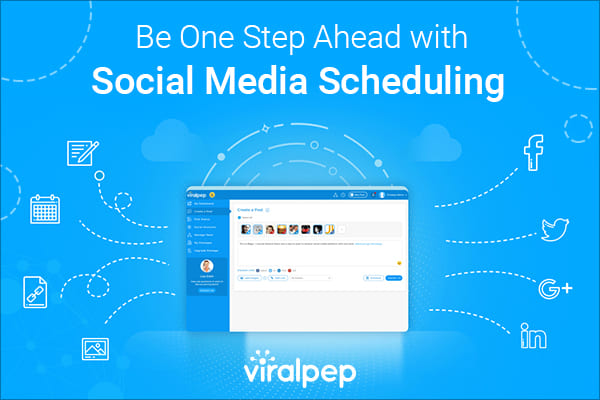
Be One Step Ahead with Social Media Scheduling – You Can Thank Us Later

In today’s fast-paced digital landscape, staying ahead of the game is essential for any business or brand aiming to make an impact. With the prevalence of social media platforms as primary channels for reaching and engaging with audiences, effective social media management has become a cornerstone of success. However, managing multiple social media accounts simultaneously can be overwhelming and time-consuming. That’s where social media scheduling tools like ViralPep come in, offering a solution to streamline and optimize your social media presence.
The Power of Social Media Scheduling

Time Efficiency

One of the most significant advantages of using a social media scheduling tool like ViralPep is the time it saves. Instead of logging in and out of various platforms multiple times a day to post content, users can schedule their posts in advance, freeing up valuable time to focus on other aspects of their business. Whether you’re a solopreneur or part of a larger marketing team, this time-saving feature can significantly increase productivity and efficiency.

Consistency

Consistency is key when it comes to social media marketing. Regular posting helps maintain audience engagement, keeps your brand top of mind, and signals reliability and professionalism. However, manually posting content at optimal times throughout the day can be challenging, especially if you have a global audience or operate in different time zones. With ViralPep’s scheduling capabilities, you can ensure a consistent posting schedule without being tethered to your devices 24/7.

Strategic Planning

Effective social media marketing requires strategic planning and execution. With ViralPep, users can plan their content calendar in advance, allowing for strategic campaigns, promotions, and themed posts. By aligning your social media efforts with your overall marketing strategy, you can maximize engagement, drive traffic to your website, and ultimately, achieve your business objectives.

Features and Benefits of ViralPep

Multi-Platform Compatibility

ViralPep supports all major social media platforms, including Facebook, Instagram, Twitter, LinkedIn, and Pinterest. This versatility allows users to manage all their social media accounts from a single dashboard, streamlining their workflow and ensuring consistent branding and messaging across channels.

Advanced Scheduling Options

ViralPep offers a range of scheduling options to suit every need. From scheduling individual posts for specific dates and times to creating recurring schedules for ongoing campaigns, users have the flexibility to customize their posting strategy according to their unique requirements. Additionally, ViralPep’s intuitive interface makes it easy to view and manage scheduled posts, ensuring smooth execution and minimal errors.

Analytics and Insights

Understanding how your social media posts are performing is essential for optimizing your strategy and maximizing ROI. With ViralPep’s built-in social media analytics and reporting tools, users can track key metrics such as engagement, reach, and click-through rates across all their social media accounts. This data-driven approach enables informed decision-making and allows users to identify trends, measure the effectiveness of their content, and make adjustments as needed.

Collaboration and Team Management

For businesses with multiple team members involved in social media management, collaboration and communication are crucial. ViralPep offers robust collaboration features, allowing users to invite team members, assign roles and permissions, and collaborate on social media content creation and scheduling. With built-in approval workflows and centralized communication channels, teams can work together seamlessly to execute their social media strategy effectively.

Conclusion: Simplify Your Social Media Strategy with ViralPep

In an increasingly competitive digital landscape, staying ahead of the curve is essential for business success. With ViralPep’s comprehensive suite of social media scheduling tools, users can streamline their workflow, maintain consistency, and achieve their marketing objectives with ease. Whether you’re a small business owner, a social media manager, or part of a marketing team, ViralPep offers the features and functionality you need to take your social media presence to the next level. So why wait? Join the thousands of satisfied users who have already discovered the power of ViralPep and take your social media strategy to new heights today!

Post effortlessly on social media with viralpep

How to Go Global with Your Social Media Marketing

If your company operates internationally, you need to know how to effectively reach a global market with your social media marketing. First, you must develop an international social media campaign and make sure you are posting content on the appropriate social media networks for the countries you desire to reach.
First of all, conduct a social media audience research to ensure you know whom your content is targeting and map out the most effective social media strategy to reach that audience. Keep in mind that you may need to have your content translated into another language or languages. Since there are many tools and services available for translation, consider which can best work for you.

Next, get insights into different social media platforms of respective countries whose population you wish to reach. It is important because the popularity of different social media platforms varies from country to country. You’d want to ensure that you are using the most effective one. Furthermore, keep yourself aware of the differences and the cultural nuances to avoid embarrassing – or disastrous – gaffes.

Global social media marketing

Your social media marketing will only be effective if you are addressing what is relevant to people in the countries you are targeting. Do your research to find out if the country uses social media that primarily seeks out content via videos, music, text or casual blogs. Understanding global vs. local social media is critical: Make sure your content addresses the needs of people in the specific country you are targeting, and be aware of events in the country that might affect your service (i.e, any recent economic situations or turmoil such as hurricanes, etc.) While some of your content may be broad and global in nature, much of your content should be specific to the local area.

Social media management

By periodically evaluating your social media presence, you can determine whether a specific social media platform still suits your business, whether it is the appropriate platform to deliver your content to your target audience in a given country, and whether it is meeting your need for brand engagement globally. It may be time to alter your preferences or priorities for certain social media platforms in favor of others. Your international content needs to be widely distributed over social media, depending on the appropriate social media platforms in the countries you wish to reach with your message.

Social media scheduling

Savvy business owners prefer to use a social media content scheduling tool to ensure their message gets out on a regular basis, published at the appropriate time and in the correct time zone of the targeted countries. Using such a tool frees business owners from managing the time to consistently and effectively post global content across social media platforms in the most consistent way. Shop around and compare pricing and plans of various social media scheduling options to find the best one for you. It’s the easiest way to effectively manage all of the social channels for your international content, and effectively achieve the global social media marketing you desire for your company.

manage your social media marketing with viralpep

Social Media Marketing – How to Write Meaningful and Clickable Content?

Content marketing is a hot topic these days, and it is important for every business to know what it is and how to use it to its advantage. Combine that with a social media marketing strategy, and you have the ingredients for greater recognition and presence in the digital sphere and, ultimately, for increased financial success as you draw more customers.
What is content marketing?

Content marketing is the process of sharing content (blogs, videos, and social media posts) relevant to your services or products online. This is basically done to stimulate the interest of your target audience in your products or services and increase your virtual credibility, which gradually leads to conversion.

Hence, giving serious consideration to what you want to convey about your business and how you can best present it to your potential customers, is essential. Will your content be delivered only in text, or will there be photos and videos as well? Will you be telling a story or pitching the unique advantages of the services/products you are selling? Next, make sure that your content is clickable.

What is clickable content?

To ensure that potential customers click on your posted content, it must be of value to them and speak to them directly. Does your content start with a headline or a title that draws readers in? That is the very first element required to engage readers, as there is plenty of competition out there, and a reader’s first impression is critical.

This may sound too obvious, but content should be written in a simple, direct style, in the active voice. No overblown, flowery descriptions or “big words” are necessary, much less desirable. Keep the content straightforward, clear and concise, as that is the best way to speak to readers.

Don’t give everything away in the first couple of sentences. Make your content intriguing and insightful with enough information to give readers a thorough understanding of your business/services/products.

Use social media networks

Create your content with specific social media platforms in mind. The kind of content you post on Facebook will be different in style than what you post on LinkedIn or Twitter, of course, so be mindful of style (and length!) of your posts.

Social media content marketing is critical to attracting new business. Make sure your content is shareable, as research has found that the majority of clicks on any post typically come from friends and connections. Make it easy for followers to share your content.

Once you have determined what your content will be and how your brand and/or message are to be presented, then it is time to work on the best way to get your message out to your desired audience.

Consider using a social media content scheduling tool to manage and consistently post your content on the platforms you prefer. This is the most cost-effective and efficient way for you to get your message out in a timely, accurate manner, and it takes the burden off of your daily schedule. Search for the plans that best suit your needs and your budget, and you’re off to a great start!

manage your social media marketing with viralpep

How To Manage Multiple Social Media Accounts

How much time do you spend on average switching between Facebook, Instagram, LinkedIn, Google, and other social media tools? Don’t you think that it would be more beneficial to align all of them on a single platform and accommodate the time spent on them to something more productive? Well, yes. An average person spends 11 minutes an hour switching between social media platforms. However, managing social media accounts for a cause makes one do the same thing two to three times for the sake of making it to the audience present on every different platform. This consumes much more time as compared to those 11 minutes. With the advancement in technology and the launch of social media management tools, handling all of your social media accounts at once has become easier. Here’s how:
All-in-one

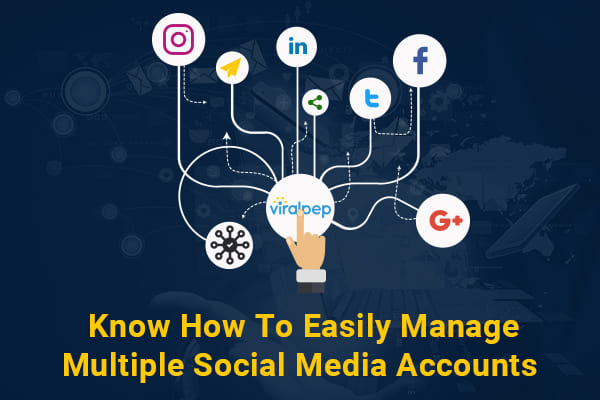
Social media management tools help people connect to all the major networks, i.e. Facebook, Twitter, LinkedIn, Google+ and more using a dashboard. All the accounts are linked to the tool and are simultaneously managed using single window.

Plan, organize and deliver

Social media tools help people save time by enabling them to post their content for distinct social media platforms in a click.

Support

Social media tools are equipped with features as follows:

  • GIF
  • Hashtags
  • Link Previews
  • Video share
  • Bulk image sharing
  • Mobile application to work on-the-go

Team management

Collaborate with your team more productively using social media management tools. These tools allow the administration to manage social media easily by working with hierarchies and accepted work flow as well as control the content posted by anyone in the team.

Scheduled publishing

This is the best way a business can manage its important postings on different social media accounts at the peak hours when the traffic on social media is highest. These tools enable social media manager to schedule the upcoming posts and get them posted at the right time.

Cost-effective

Managing your social media accounts with social media tools is not as expensive as you think of it. In fact, much less than setting up a team for the same task.

Conclusion

Forget the old school methods of managing multiple social accounts. Employ the contemporary technologies that are designed keeping in mind the contemporary difficulties. Boost your productivity with Viralpep for we are equipped with what you need to manage multiple social media accounts efficiently. If you don’t believe us try our 15 days-free package and experience our top-notch service yourself.

social media marketing efforts

How To Create A Social Media Marketing Plan From Scratch

In this modernized and technology-oriented world, social media is the only best platform to market your business for good gains. However, building a marketing plan on a social media platform may seem like a rock climbing on the highest mountain for a newbie hiker. Building up your marketing plan for social media from scratch may seem thrilling and overwhelming at the same time.
Here is how you can create a social media marketing plan from scratch for your business.

Opt for your social media platform

The quantity of platforms does not affect your marketing strategy; one can even work with a single social media platform. But what you must consider while selecting that perfect platform for your business is your target market. What is your target market? Aged population, rural community, men, women, kids or others. And choose the channel that best suits your business nature.

Let’s take the example of personal branding. Assuming you are a business coach, first of all, you need to understand your target audience and your personal branding goals. Along with this, you need to know the relevance of the platform, which you can understand by analyzing your competitors. In this way, you can opt for your targeted social media platform, which is beneficial for you.

The type of content you use

Consider your resources. This involves analyzing which resources you are going to incorporate.
If you are going to use quality content (SEO optimized content with informative and persuasive visuals), then Twitter and Facebook will do well for you. On the contrary, if you are going to incorporate images and videos to market your business, you can pull great traffic from Pinterest, Instagram, and YouTube.

Fill up your profile professionally

When building a marketing plan from scratch, filling your profile with relevant and authentic information about your business plays a crucial role in its marketing. This involves focusing on two aspects: text (bio) and visuals.

Visuals

Ensure that your profile pictures and cover are fit to convey your brand story and its unique selling point! They must be relevant to your business, well, and good, if you put your logo as the profile and cover photo.
If you are managing numerous social media platforms, try making their profile photos similar to each other.

Text:

Show your audience your achievements
Be prompt in responding to questions from customers
Use simple language

Work on your marketing tone

Tone is a very significant element of your marketing campaign. Your tone compels your customers to dive into your brand. Its importance is perceived when you take up marketing through social media platforms like YouTube.
Try incorporating a tone of your customers’ desires. To develop a perfect tone consider the following questions:

What is your targeted audience?
If your brand was a person, what kind of personality would it have?
What is your brand to a customer? (A coach, friend, teacher, dad, etc.)
Opt for strong adjectives for the qualities your brand has
Are there any companies that have a similar personality to yours? Why are they related?
How do you want your customers to think about your company?

Posting strategy

Posting strategy focuses on two steps

Step 01: a suitable medium

Analyze the media you should incorporate in marketing your brand or business.
For instance, if your business includes selling cellphones, laptops, DSLRs, or something more similar to which not everyone is familiar from the technical aspect, you must use a video to market such a product. As the video will help you to explain its features in detail with visual effects.
Moreover, if your brand is selling clothes, pictures would be best to market such a product line.
Let us say, you are running a writing agency, and your service is content writing. Here, a quality content describing your services, in brief, would be a source of gaining great traffic.

Step 02: how often should you post? And when to post?

This depends upon the nature of your business. Whether it is seasonal or runs around the year. For instance, you are running a travel agency offering best vacation packages, the right time to market your business is during summer and winter vacations.
However, if your business is not seasonal, you can market it on a daily basis with a following average rate for best results.

  • Instagram Stories – Eight to 16 Stories, twice per week
  • Facebook – Once or twice per day
  • Twitter – Three to ten times per day
  • Instagram – Once or twice per day
  • Pinterest – Five to ten times per day
  • LinkedIn – Once or twice per day
  • Snapchat – Five to 20 times per week

Automate and engage

Last but not the least – automate your postings on distinct platforms by using a social media management tool and be prompt at engaging with your customers. Automating the content allows to schedule the posts at the hours when traffic is at its peak, giving you maximum reach. Viralpep is one of the most affordable tools that can help you save time and expand your reach with its varied features.

So, work on your social media marketing plan and get ready to take up the social media platforms by storm!

Know how to easily manage multiple social media accounts inner

Let’s build brand trust using social media

Using social media to brace up the image of your brand through marketing on various social media platforms is one of the newest and best ways to gather audience virtually. Just the way our human relations cannot wander a long way without trust and confidence; the seller and buyers’ relationship cannot cover a long way without credibility. It takes significant efforts on the part of a brand to maintain trust in its customer by nurturing them satisfactory services. Social media is one of the easily accessible platforms to build a reliable image among your customers, but many brands fall apart at this. Let’s spill beans on some tried and tested ways to achieve the consumers’ trust.
Communicating

Communication is the key. Like we do in our strategic relations: we interact with each other to maintain the trust and confidence element between the two, the same concept can be applied on brands. A brand should be proactive on social media since the majority finds it convenient to discover and discuss the details of any product line with their friends on social media. A brand can manage its social media page and post all their offers in a visually appealing and persuasive way. This will help in injecting the trust element among prospective consumers as well as encourage customer loyalty from the existing clientele.

Quick and responsive customer care service

A brand can develop prompt and responsive customer care service through social media. This is one of the best things brands can do. It will merely involve managing a social media page exhibiting your offers and products and the opportunity for customers to avail the services through online order placements. Also, a brand should put some efforts in responding quickly to customers who have queries. This will generate a trust and care element between both, implying customers to realize that the brand cares for its customer satisfaction.

Intimacy

Social media helps brands to build their trusted image among consumers. Intimacy implies establishment of a connection between the consumers and your brand personality. This involves making your customers comfortable with your brand, making them realize that it is someone as a person tweeting and posting on social media in the name of your brand. The paradigm of brand intimacy serves to keep the consumer base indulged in the brand. Have you seen how people share their box-opening or first glance experience of any product on social media? That’s because they have a connection with the brand and this is due to the established intimacy.

Admit your mistakes

To err is human and to correct is divine! The next time your brand is exposed on social media by an aggressive customer who had a bad experience with your product or service, instead of deleting his opinion, try catering him publicly with an apology and compensation if possible. This helps in developing trust in your viewers.

Valuable content

Using SEO friendly content, a brand can make its content visible to many. This will also help to bring constant engagement from the target audience as they will see the brand’s name again and again. It will make the brand’s social media tremendously more accessible and attract significant virtual visits.

V-logging

V-logging is another way to build trust among your customers. As through V-logging, you can effectively assist your customers the right way to use your product. For instance, if your brand is selling a laptop, a v-log on YouTube will help your customers to know about all the detailed features of the relevant model before or after purchasing.

Building trust among your consumers and viewers is a big deal. Work on the above-mentioned points and see your credibility building game going significantly up. Social Media is actually a weapon, use it wisely!

1633073760 start building your brand empire today

Organic Facebook Marketing: Why It Still Matters

Facebook started as a prominent medium for users to connect with their near and dear ones. It has grown to become one of the biggest platforms for marketing. Today, marketing on Facebook is leveraged by many businesses to keep their products in front of billions of potential customers. Some brands are setting aside thousands of dollars for paid Facebook marketing because they believe Facebook’s organic reach is nearing its benefit limit.

But is that really the case? Or is everyone so focused on paid marketing that they no longer even consider Facebook organic marketing to promote their products? There are some key reasons why brands should indeed concentrate on organic Facebook Marketing. Here are some of them:

Marketing at Zero Cost

Organic marketing on Facebook is free. From creating a business profile to posting content on it, everything is absolutely free. You may, however, have to pay for the content production. Also, if you want one of the third-party social media monitoring tools to keep an eye on your page/profile performance, you will have to pay for that as well.

Boost in Facebook Engagement

A Facebook post with great content but with paid reach may not fetch you high engagement compared to a post with organic reach. No matter how precise your targeting, a certain percentage of people won’t engage with your post. However, the people who follow your page will be a primary and constant audience for you. When your followers see your post, they may either like it, comment on it or share it, thereby increasing its reach.

Freedom to Re-Post Anything and Everything

With paid marketing on Facebook, there are rules related to old posts that do not apply to Facebook organic marketing. Businesses can take any vintage (yet relevant) post and upload it again. The same post will reach old and new followers.

Reach Audience at the Right Time

While your boosted post can reach the feed of your target audience at any time, organic marketing on Facebook lets you post your content at a time when your audience is quite active. You can find data about audience activity on your business page and then post your content accordingly.

Stay Consistent

If you are a social media manager or a social media expert, you know that consistency is the key when it comes to social media marketing. That’s one of the reasons why you make a content calendar. Even when you have the exact same target for boosting, your post doesn’t reach the exact same audience. But with Facebook organic reach, if your first post has reached someone organically, chances are good that your other posts will reach the same person again. And if that person engaged with your first posts, there is a greater likelihood of him or her engaging with your content again.

Wrapping Up

Facebook Marketing is now a tricky business. While there is a “Pay to Play” option, it is also possible to strategically make the most of Facebook’s organic reach and boost your business profile, audience reach, and potential customer base without spending a dime.

viralpep better way to share content on social media

But is that really the case? Or is everyone so focused on paid marketing that they no longer even consider Facebook organic marketing to promote their products? There are some key reasons why brands should indeed concentrate on organic Facebook Marketing. Here are some of them:

Marketing at Zero Cost

Organic marketing on Facebook is free. From creating a business profile to posting content on it, everything is absolutely free. You may, however, have to pay for the content production. Also, if you want one of the third-party social media monitoring tools to keep an eye on your page/profile performance, you will have to pay for that as well.

Boost in Facebook Engagement

A Facebook post with great content but with paid reach may not fetch you high engagement compared to a post with organic reach. No matter how precise your targeting, a certain percentage of people won’t engage with your post. However, the people who follow your page will be a primary and constant audience for you. When your followers see your post, they may either like it, comment on it or share it, thereby increasing its reach.

Freedom to Re-Post Anything and Everything

With paid marketing on Facebook, there are rules related to old posts that do not apply to Facebook organic marketing. Businesses can take any vintage (yet relevant) post and upload it again. The same post will reach old and new followers.

Reach Audience at the Right Time

While your boosted post can reach the feed of your target audience at any time, organic marketing on Facebook lets you post your content at a time when your audience is quite active. You can find data about audience activity on your business page and then post your content accordingly.

Stay Consistent

If you are a social media manager or a social media expert, you know that consistency is the key when it comes to social media marketing. That’s one of the reasons why you make a content calendar. Even when you have the exact same target for boosting, your post doesn’t reach the exact same audience. But with Facebook organic reach, if your first post has reached someone organically, chances are good that your other posts will reach the same person again. And if that person engaged with your first posts, there is a greater likelihood of him or her engaging with your content again.

Wrapping Up

Facebook Marketing is now a tricky business. While there is a “Pay to Play” option, it is also possible to strategically make the most of Facebook’s organic reach and boost your business profile, audience reach, and potential customer base without spending a dime.

viralpep better way to share content on social media