Top 10 Social Media Metrics Every Brand Should Track in 2026

Introduction

Social media marketing has evolved from simple brand awareness into a performance-driven digital growth engine. In 2026, businesses are no longer judged by how often they post content but by how effectively their social media strategies generate engagement, conversions, and measurable return on investment.

Modern algorithms prioritize personalized content, meaningful interactions, and user satisfaction signals. As a result, brands that rely on vanity metrics such as follower count alone often struggle to scale their marketing success. Instead, successful brands focus on tracking advanced performance indicators that provide actionable insights into audience behavior and campaign effectiveness.

To simplify performance tracking and campaign optimization, many businesses rely on centralized analytics and automation platforms. Resources available on theViralpep Social Media Management blog help marketers understand data-driven strategies that improve engagement, workflow automation, and long-term social media growth.

According to research published by HubSpot, marketers who track strategic performance metrics achieve higher conversion rates and customer retention compared to marketers who focus only on content publishing frequency.

In this comprehensive guide, we’ll explore the Top 10 Social Media Metrics Every Brand Should Track in 2026, along with practical implementation strategies, real-world challenges, and optimization techniques that help brands improve marketing performance and digital visibility.

Social Media Metrics

Why Social Media Metrics Are Critical for Business Growth in 2026

The digital marketing ecosystem has become highly competitive, with brands competing across multiple platforms including Instagram, LinkedIn, Facebook, TikTok, YouTube Shorts, and X (Twitter). Each platform uses advanced machine learning algorithms to prioritize content relevance and engagement quality.

Tracking the right social media performance metrics helps brands:

  • Understand audience interests and behaviors
  • Improve content relevance and engagement quality
  • Identify high-converting campaigns
  • Optimize advertising budgets
  • Strengthen brand authority and online credibility

Research from Sprout Social highlights that brands using advanced analytics tools experience better audience targeting accuracy and stronger campaign performance.

1. Engagement Rate

Why Engagement Rate Is the Most Valuable Social Media Metric

Engagement rate shows how much your audience interacts with the content you share. It includes likes, shares, comments, saves, and other meaningful interactions that indicate audience interest.

How to Calculate Engagement Rate

Engagement Rate = ( Total Engagements / Total Followers ) × 100

Why Google and Algorithms Value Engagement

High engagement signals content relevance and audience satisfaction. Platforms often boost content visibility when users interact frequently with posts.

Real-World Marketing Impact

Brands that monitor engagement can identify which content formats generate the strongest audience connection. For example, educational reels and interactive carousel posts typically generate higher engagement compared to promotional posts.

2. Reach

Understanding Audience Exposure

Reach indicates the size of the audience that has viewed your post or message. It reflects your brand’s visibility and audience expansion potential.

Why Reach Matters for Brand Awareness

Higher reach means greater brand exposure, especially when launching new campaigns, products, or services.

According to Hootsuite research, reach is one of the strongest indicators of brand discoverability in competitive digital markets.

Common Challenge Solved

Many brands struggle to expand their audience beyond existing followers. Tracking reach helps identify content strategies that attract new users.

3. Impressions

Measuring Content Visibility Frequency

Impressions track how often your content appears on users’ screens, regardless of interaction.

Reach vs Impressions

  • Reach shows unique audience size
  • Impressions show total content exposure frequency

Strategic Importance

High impressions indicate strong content distribution and algorithm support, especially for trending or viral content formats.

4. Conversion Rate

Turning Engagement into Revenue

Conversion rate measures how many users take a desired action after interacting with social media content.

Examples of Social Media Conversions

  • Product purchases
  • Website visits
  • Newsletter subscriptions
  • Lead generation
  • App downloads

Real Marketing Problem Solved

Many brands generate strong engagement but fail to convert audiences into customers. Conversion tracking helps marketers focus on revenue-driven strategies.

5. Click-Through Rate (CTR)

Measuring Content Effectiveness

CTR tracks how often users click links within social media posts or advertisements.

CTR = (Total Clicks ÷ Total Impressions) × 100

Why CTR Is Essential in 2026

CTR reflects content relevance, headline effectiveness, and call-to-action performance.

Optimization Tips

  • Use curiosity-driven headlines
  • Add strong call-to-action buttons
  • Include visual storytelling elements

6. Audience Growth Rate

Measuring Brand Expansion

Audience growth rate shows how quickly your follower base is expanding over time.

Why Growth Rate Matters More Than Follower Count

Follower count alone is considered a vanity metric. Growth rate indicates whether marketing strategies successfully attract new audiences.

Research from Social Media Examiner confirms that consistent audience growth correlates strongly with long-term brand authority.

7. Customer Response Time

Importance of Real-Time Brand Communication

Customer response time measures how quickly brands reply to comments, messages, and inquiries.

Why Response Speed Impacts Marketing Success

Modern consumers expect instant brand communication. Faster response time improves customer satisfaction, trust, and retention.

Business Benefit

Brands with strong customer interaction often experience higher loyalty and conversion rates.

8. Share of Voice (SOV)

Measuring Brand Market Authority

Share of Voice tracks how often your brand is mentioned compared to competitors across social media conversations.

Why SOV Matters for Competitive Analysis

Higher Share of Voice indicates stronger brand awareness and industry authority.

Strategic Advantage

Monitoring competitor mentions helps marketers identify emerging industry trends and positioning opportunities.

9. Video Performance Metrics

Why Video Dominates Social Media in 2026

Short-form video continues to dominate digital marketing across Instagram Reels, TikTok, and YouTube Shorts.

Key Video Metrics to Track

  • Watch time
  • Completion rate
  • Audience retention
  • Video engagement rate

ZIGHT shows that video marketing significantly increases brand recall and purchase decision influence.

Marketing Benefit

Tracking video analytics helps brands improve storytelling, visual quality, and audience retention strategies.

10. Social Media ROI

The Ultimate Performance Measurement

Social Media ROI measures the financial return generated from social marketing investments.

ROI Formula

ROI = (Revenue Generated – Marketing Cost) ÷ Marketing Cost

Brands can simplify ROI tracking using automated reporting and performance dashboards available through Viralpep.

Why ROI Is Crucial for Business Growth

ROI tracking helps marketers justify budgets, optimize campaign performance, and improve long-term marketing strategies.

Advanced Social Media Metrics Brands Should Also Monitor

Sentiment Analysis

Tracks audience emotions and brand perception based on social media conversations and comments.

Cost Per Click (CPC)

Measures advertising efficiency and helps optimize paid campaign budgets.

Content Performance Trends

Analyzes long-term performance patterns to identify high-performing content formats.

Major Challenges Brands Face While Tracking Social Media Metrics in 2026

  • Managing data across multiple platforms
  • Identifying meaningful performance indicators
  • Adapting to frequent algorithm updates
  • Handling increasing content demand
  • Measuring long-term marketing ROI

Managing Data Across Multiple Platforms

With brands actively using multiple social media platforms, consolidating performance data often becomes overwhelming. Each platform provides analytics in different formats, making it difficult to maintain a unified performance overview. To overcome this challenge, brands should invest in centralized analytics or social media management tools that aggregate data from multiple channels into a single dashboard. Creating standardized reporting frameworks also helps teams compare performance metrics consistently across platforms, allowing marketers to make faster, data-driven decisions without wasting time manually compiling reports.

Identifying Meaningful Performance Indicators

Many brands struggle with tracking vanity metrics such as likes or impressions without understanding their true business impact. The key to overcoming this challenge lies in aligning social media metrics with business goals. Brands should clearly define whether their focus is brand awareness, lead generation, conversions, or customer retention. By prioritizing actionable metrics such as engagement rate, conversion rate, customer acquisition cost, and customer lifetime value, marketers can measure the real impact of their campaigns rather than relying on surface-level engagement numbers.

Adapting to Frequent Algorithm Updates

Social media algorithms continue to evolve, often reducing organic reach and changing content visibility rules. Brands can overcome this challenge by diversifying their content strategy instead of relying on a single format or platform. Regular performance testing, audience behavior analysis, and staying updated with platform announcements help marketers quickly adapt to algorithm changes. Additionally, focusing on creating high-quality, audience-focused, and interactive content helps maintain visibility regardless of algorithm fluctuations.

Handling Increasing Content Demand

The growing need for consistent and engaging content across multiple platforms places significant pressure on marketing teams. To manage this demand effectively, brands should implement structured content planning through editorial calendars and batch content production strategies. Repurposing high-performing content into different formats, such as converting blog posts into videos or infographics, also helps maximize content value while reducing workload. Leveraging AI-powered content assistance and workflow automation can further streamline production and scheduling processes.

Measuring Long-Term Marketing ROI

Tracking the long-term return on social media investments remains challenging due to delayed conversions and multi-touch customer journeys. Brands can overcome this issue by implementing advanced attribution models that track customer interactions across multiple touchpoints. Integrating social media analytics with CRM systems and marketing automation platforms enables businesses to connect engagement data with actual revenue outcomes. Monitoring long-term indicators such as brand loyalty, customer retention, and lifetime value helps provide a more accurate picture of social media ROI beyond immediate campaign results.

Best Practices for Tracking Social Media Metrics

Use Integrated Analytics Platforms

Centralized dashboards allow brands to monitor performance across multiple social media platforms efficiently.

Set Clear Marketing Objectives

Tracking metrics without defined goals leads to inaccurate performance evaluation.

Analyze Metrics Regularly

Weekly and monthly performance monitoring helps identify growth opportunities and campaign improvements.

Focus on Actionable Data

Brands should prioritize metrics that directly influence business growth rather than vanity statistics.

Conclusion

Tracking the right social media metrics every brand should track in 2026 is essential for building effective marketing strategies and achieving sustainable business growth. Metrics such as engagement rate, reach, conversion rate, CTR, audience growth, and ROI provide valuable insights that help brands improve content quality, strengthen customer relationships, and increase revenue.

By leveraging advanced analytics tools and automation solutions like Viralpep, brands can simplify performance tracking, automate reporting processes, and optimize marketing campaigns more efficiently. Businesses that prioritize data-driven decision-making will remain competitive and continue to grow in the evolving social media landscape.

Frequently Asked Questions (FAQs)

What are the most important social media metrics brands should track in 2026?

The most important social media metrics include engagement rate, reach, impressions, conversion rate, click-through rate (CTR), audience growth rate, customer response time, share of voice, video performance metrics, and social media ROI. These metrics provide deeper insights into audience behavior, campaign effectiveness, and overall marketing performance rather than relying only on vanity metrics like follower count.

Why is engagement rate considered the most valuable social media metric?

Engagement rate measures how actively users interact with your content through likes, comments, shares, saves, and reactions. High engagement signals content relevance and audience interest, which social media algorithms prioritize. Brands that consistently track engagement rate can identify high-performing content and improve audience relationships.

How is social media ROI calculated?

Social media ROI is calculated by comparing revenue generated from social media campaigns to the total marketing investment. ROI Formula: ROI = (Revenue Generated – Marketing Cost) ÷ Marketing Cost Tracking ROI helps businesses evaluate campaign profitability, optimize budgets, and justify marketing investments.

What is the difference between reach and impressions?

Reach refers to the number of unique users who see your content, while impressions represent the total number of times your content appears on screens. Tracking both metrics helps brands understand audience exposure and content visibility frequency, allowing marketers to improve distribution strategies.

Why is tracking conversion rate important for social media marketing?

Conversion rate shows how many users take desired actions after interacting with social media content, such as making purchases, signing up for newsletters, or downloading apps. This metric helps marketers measure the actual business impact of their campaigns and identify strategies that generate revenue rather than just engagement.

How can brands improve click-through rate (CTR) on social media posts?

Brands can improve CTR by using strong call-to-action messages, engaging visuals, compelling headlines, and storytelling-driven content. Testing different content formats and analyzing audience behavior also helps marketers optimize link performance and increase website traffic.

Why is audience growth rate more valuable than follower count?

Follower count shows total audience size, but audience growth rate measures how quickly your brand is gaining new followers over time. A steady growth rate indicates strong brand authority, content relevance, and successful marketing strategies.

How does customer response time impact brand reputation?

Fast response time improves customer satisfaction, builds trust, and strengthens brand loyalty. Modern consumers expect quick replies to messages and comments, and brands that provide timely responses often experience higher engagement and conversion rates.

How do video performance metrics influence social media success?

Video performance metrics such as watch time, retention rate, and completion rate help marketers understand how audiences consume visual content. Short-form videos dominate social media platforms, and tracking these metrics helps brands improve storytelling quality, engagement levels, and content effectiveness.

How can businesses simplify tracking multiple social media metrics?

Businesses can simplify performance tracking by using centralized analytics and automation platforms like Viralpep. These tools help marketers monitor performance data, automate reporting, and analyze campaign results across multiple platforms from a single dashboard.

How often should brands analyze social media performance metrics?

Brands should review performance metrics weekly for short-term campaign optimization and monthly for long-term marketing strategy evaluation. Regular performance analysis helps marketers identify trends, adjust content strategies, and improve overall marketing effectiveness.

Are vanity metrics still useful in social media marketing?

Vanity metrics such as likes and follower count provide basic visibility insights but should not be used as primary performance indicators. Brands should combine vanity metrics with engagement, conversion, and ROI data to gain meaningful marketing insights.

Social Media Management for Agencies: 10 Proven Tips

Introduction:

Managing social media for a single brand is already challenging, but agencies handling multiple clients face an entirely different level of complexity. From juggling different brand voices and posting schedules to tracking performance metrics across various platforms, the pressure on agencies continues to grow in 2026. With social media algorithms evolving rapidly and audience expectations becoming more personalized, agencies must adopt smarter workflows and automation tools to stay competitive.
Many marketing agencies are now shifting toward centralized management platforms and streamlined processes to reduce errors, save time, and improve campaign performance. Platforms like Viralpep help agencies automate publishing, manage multiple accounts, and monitor performance from one dashboard, making client handling significantly easier and more efficient.

Why Social Media Management is Becoming More Complex in 2026

According to recent industry research published by HubSpot, businesses are increasing their investment in multi-platform social strategies and personalized content marketing, which directly increases the workload for agencies.

Additionally, research from Sprout Social highlights that brands now expect real-time engagement, detailed analytics, and customized content strategies for every campaign.

These expectations make social media management for agencies more demanding than ever before. Without structured systems and automation, agencies risk missed deadlines, inconsistent branding, and reduced client satisfaction.

Social Media Management

1. Create a Standardized Client Onboarding Process

Why It Matters

Managing multiple clients without a structured onboarding process often leads to confusion, unclear expectations, and repeated revisions. When agencies begin working with new clients without collecting essential brand details, teams may create content that does not align with the client’s goals, tone, or audience preferences. This misalignment can waste valuable time, delay campaigns, and reduce client satisfaction.

A standardized onboarding system ensures every project starts with clear direction, reducing guesswork and improving workflow efficiency. It also helps teams maintain consistency when handling multiple client accounts simultaneously.

Best Practices

To create a successful onboarding process, agencies should focus on collecting and organizing key information from the beginning. Important steps include:

  • Gathering detailed brand guidelines, including brand voice, visual identity, and messaging style
  • Identifying the client’s target audience and ideal customer profiles
  • Defining content tone, communication goals, and campaign objectives
  • Confirming posting frequency and preferred social media platforms
  • Establishing approval workflows to streamline content review and publishing

Using structured onboarding checklists or automated onboarding forms can further improve efficiency and reduce manual errors.

Real-Life Problem Solved

Many agencies face challenges when clients request multiple content revisions because initial expectations were not clearly defined. For example, an agency managing social media campaigns for a retail brand may publish promotional content that does not match the client’s brand personality. This leads to delays, repeated revisions, and strained communication.

By implementing a standardized onboarding process, agencies can ensure all stakeholders share the same understanding from the start. This reduces revision cycles, speeds up campaign launches, and strengthens long-term client relationships.

2. Use a Centralized Social Media Management Platform

Managing dozens of client accounts across different platforms manually is nearly impossible in 2026.

Using tools designed for managing multiple social media clients workflows allows agencies to schedule posts, monitor engagement, and generate reports from one place.

Platforms like Viralpep Social Media Management Tool allow agencies to:

  • Schedule content across multiple platforms
  • Manage multiple client dashboards
  • Automate publishing
  • Track campaign performance
  • Reduce manual workload

Real-Life Problem Solved

Agencies often waste hours switching between social platforms. Centralized tools reduce time and prevent posting errors.

3. Build a Content Calendar for Every Client

A well-organized content calendar ensures consistent posting and campaign alignment.

What to Include in Client Calendars

  • Posting schedule
  • Campaign themes
  • Promotional events
  • Seasonal campaigns
  • Content approval deadlines

Pro Tip

Use color coding for different clients to avoid scheduling conflicts.

Real-Life Problem Solved

Agencies frequently miss posting deadlines when managing multiple accounts simultaneously. A content calendar eliminates confusion and improves efficiency.

4. Automate Repetitive Social Media Tasks

Automation has become essential for social media workflow automation in modern agencies.

Tasks You Can Automate

  • Post scheduling
  • Content recycling
  • Performance reporting
  • Audience engagement tracking

According to Hootsuite, agencies using automation tools improve productivity by up to 40%.

Real-Life Problem Solved

Manual posting increases human error and consumes valuable time. Automation allows agencies to focus more on creative strategy.

5. Maintain Separate Brand Voice Guidelines for Each Client

Every client has unique branding, messaging style, and target audience. Mixing brand tones can damage credibility.

How to Maintain Brand Consistency

  • Document brand tone and style
  • Maintain content examples
  • Create caption writing guidelines
  • Store client messaging preferences

Real-Life Problem Solved

Agencies handling multiple clients often struggle with tone consistency. Proper brand documentation prevents content confusion.

6. Use Data Analytics to Optimize Campaign Performance

Successful social media management for agencies depends heavily on data-driven decision making.

Metrics Agencies Should Track

  • Engagement rate
  • Audience growth
  • Conversion rate
  • Click-through rate
  • Content performance trends

Research from Social Media Examiner shows that agencies using performance analytics consistently outperform competitors.

Real-Life Problem Solved

Agencies sometimes rely on assumptions instead of data. Analytics helps agencies prove ROI and improve client retention.

7. Implement Structured Team Collaboration Workflows

When multiple team members handle multiple clients, communication gaps can lead to publishing errors.

Effective Collaboration Methods

  • Assign client managers
  • Use shared dashboards
  • Implement approval systems
  • Maintain internal communication tools

Real-Life Problem Solved

Agencies frequently face duplicate posting or missed approvals. Structured collaboration prevents workflow breakdowns.

8. Prioritize Platform-Specific Content Strategies

Posting the same content across all platforms is no longer effective in 2026.

Platform Optimization Examples

  • Instagram: Visual storytelling and reels
  • LinkedIn: Professional and educational content
  • Twitter (X): Real-time engagement and industry updates
  • Facebook: Community engagement and ads

Real-Life Problem Solved

Agencies often lose engagement due to identical cross-platform content. Custom platform strategies improve audience connection.

9. Create Scalable Reporting Systems for Clients

Clients expect transparent and detailed performance reports.

What Clients Want in Reports

  • Campaign performance metrics
  • Audience growth statistics
  • Content engagement analysis
  • Strategy improvement recommendations

Automated reporting tools allow agencies to generate professional reports without manual effort.

Real-Life Problem Solved

Manual reporting is time-consuming and prone to errors. Automated reporting improves client trust and saves agency resources.

10. Stay Updated With Social Media Trends and Algorithm Changes

Social media trends evolve rapidly. Agencies must stay informed to maintain competitive advantage.

Ways to Stay Updated

  • Follow industry research
  • Monitor competitor strategies
  • Attend marketing webinars
  • Analyze platform algorithm updates

Real-Life Problem Solved

Agencies relying on outdated strategies lose engagement. Continuous learning helps agencies maintain strong campaign performance.

Conclusion

Managing multiple social media clients requires more than creativity – it demands organization, automation, and data-driven strategy. Agencies that adopt structured onboarding processes, centralized management platforms, automated workflows, and performance analytics consistently deliver better results and maintain long-term client relationships.

By following these practical social media management strategies, agencies can streamline daily operations, enhance campaign results, and expand their client services more effectively.Agencies looking to scale their social media operations efficiently can significantly benefit from using advanced management platforms like Viralpep. The platform helps agencies centralize client account management, automate publishing schedules, streamline team collaboration, and monitor performance analytics from a single dashboard. This not only reduces manual workload but also ensures consistent content delivery, improved campaign performance, and stronger client satisfaction. Agencies aiming to handle multiple clients without increasing operational complexity can explore Viralpep’s powerful automation features and flexible plans by visiting the social media management pricing planswhich are specifically designed to support growing agencies and marketing teams.

Frequently Asked Questions (FAQs)

What is the biggest challenge agencies face when managing multiple social media clients?

The biggest challenge agencies face is maintaining consistency across multiple client accounts while meeting different branding requirements, posting schedules, and performance expectations. Without structured workflows and centralized management systems, agencies often experience communication gaps, missed deadlines, and inconsistent campaign results.

Why is a standardized client onboarding process important for agencies?

A standardized onboarding process helps agencies clearly understand each client’s brand voice, target audience, campaign goals, and content preferences. This reduces confusion, minimizes content revisions, and ensures smoother campaign execution. Proper onboarding also helps agencies maintain long-term client relationships by delivering consistent results from the beginning.

How can agencies manage multiple social media accounts efficiently?

Agencies can manage multiple accounts efficiently by using centralized social media management platforms, creating structured content calendars, automating repetitive tasks, and implementing approval workflows. Tools like Viralpep allow agencies to schedule posts, monitor engagement, track performance metrics, and manage multiple client dashboards from one location.

Why should agencies use content calendars for social media management?

Content calendars help agencies organize posting schedules, plan marketing campaigns, align promotional strategies, and track approval deadlines. They improve workflow organization and ensure consistent content publishing across all client accounts, reducing last-minute content stress and scheduling conflicts.

How does social media automation benefit marketing agencies?

Automation reduces manual workload by handling tasks such as post scheduling, performance reporting, and audience engagement tracking. This allows agencies to focus on creative strategy, campaign optimization, and client communication while improving overall productivity and reducing human errors.

Why is maintaining brand voice consistency important for agencies?

Each client has a unique brand identity, messaging style, and communication tone. Inconsistent brand voice can confuse audiences and weaken brand credibility. Agencies should maintain detailed brand guidelines, content examples, and caption frameworks to ensure messaging consistency across all platforms.

What social media metrics should agencies track for client campaigns?

Agencies should track key performance indicators such as engagement rate, audience growth rate, conversion rate, click-through rate, and overall campaign ROI. Monitoring these metrics helps agencies evaluate campaign effectiveness, improve marketing strategies, and demonstrate measurable value to clients.

How can agencies improve collaboration between team members when managing multiple clients?

Agencies can improve collaboration by assigning dedicated client managers, using shared dashboards, implementing content approval workflows, and using internal communication tools. Structured collaboration helps prevent duplicate posting, missed approvals, and workflow confusion.

Why is platform-specific content important in modern social media marketing?

Each social media platform has different audience behavior patterns and content preferences. For example, Instagram prioritizes visual storytelling, LinkedIn focuses on professional content, and TikTok emphasizes short-form video engagement. Creating platform-specific content improves audience connection and campaign performance.

How can agencies create scalable reporting systems for clients?

Agencies can create scalable reporting systems by using automated analytics dashboards that generate performance reports regularly. These reports should include engagement metrics, audience growth data, campaign insights, and strategic recommendations. Automated reporting improves transparency and builds client trust.

How often should agencies review client social media performance?

Agencies should review campaign performance weekly for optimization and monthly for strategic evaluation. Regular performance analysis helps identify growth opportunities, adjust marketing strategies, and maintain consistent campaign improvement.

Agencies should regularly follow industry research, attend marketing webinars, monitor competitor strategies, and analyze platform update announcements. Staying informed helps agencies adapt quickly to algorithm changes and maintain strong marketing performance.

Top Social Media Trends Transforming Digital Marketing

The Evolution of Social Media Marketing

The digital landscape continues to evolve at an unprecedented pace, and 2026 marks a pivotal year shaped by emerging social media trends. Businesses that want to thrive in this competitive environment must understand that success goes far beyond simply posting content. Today’s digital marketplace demands authenticity, strategic thinking, and a deep understanding of emerging technologies that shape how audiences engage with brands online.
As we navigate through 2026, social media platforms have become more than just networking sites. They represent powerful ecosystems where commerce, community building, and content creation intersect to create unprecedented opportunities for businesses of all sizes. Whether you’re a small startup or an established enterprise, adapting to these changes isn’t optional anymore; it’s essential for survival and growth.

This comprehensive guide explores the ten most influential social media trends that are redefining how brands connect with their audiences, drive engagement, and achieve measurable business results in 2026.

social media trends

1. Artificial Intelligence Revolutionizes Content Strategy

Artificial intelligence has moved from being a futuristic concept to an everyday reality in social media marketing. Throughout 2026, we’re witnessing AI tools become indispensable partners for marketers who need to produce high-quality content consistently and efficiently.

Modern AI platforms like ChatGPT, Jasper, Copy.ai, Canva AI, and Adobe Firefly now assist marketing teams in generating compelling captions, designing eye-catching visuals, producing engaging video content, and even conceptualizing entire campaign strategies. This technological advancement doesn’t replace human creativity; rather, it amplifies it by handling time-consuming tasks and providing data-driven insights that were previously impossible to gather.

What makes AI particularly valuable is its ability to analyze massive amounts of data about audience behavior, engagement patterns, and trending topics in real-time. Marketing professionals can now understand exactly when their audience is most active, which content formats generate the highest engagement, and even predict which topics will resonate before creating the content.

However, success with AI requires balance. While automation and data analysis provide efficiency, maintaining the human touch remains crucial. Audiences can quickly detect when content feels robotic or impersonal. The most successful brands in 2026 are those that use AI as a tool to enhance creativity rather than replace it, ensuring every piece of content still carries authentic human insight and emotional resonance.

According toSprout Social’s industry research, businesses leveraging AI-powered automation see significant improvements in content personalization and engagement metrics. The key lies in using these tools strategically while preserving the unique voice and personality that makes your brand distinctive.

2. Short-Form Video Content Dominates User Attention

If there’s one undeniable truth about the latest social media trends in 2026, it’s that short-form video has become the undisputed king of content formats. Platforms like TikTok, Instagram Reels, YouTube Shorts, and even LinkedIn have fully embraced this format, and user engagement metrics prove why.

These bite-sized videos succeed because they align perfectly with modern consumer behavior. People want information quickly, entertainment instantly, and value delivered without wasting time. Short-form videos excel at all three objectives.

The benefits of this format are clear and measurable. Videos deliver quick value to viewers within the first few seconds, which is critical in an era where attention spans are shorter than ever. They generate significantly higher engagement rates compared to static posts, making them favorites of platform algorithms. Their shareability factor is unmatched, helping content go viral and reach audiences far beyond your immediate followers.

HubSpot’s comprehensive research consistently shows that video content delivers the strongest return on investment for social media marketing efforts, with 71% of marketers reporting high ROI from short-form video content. This isn’t surprising when you consider that videos combine visual storytelling, audio engagement, and emotional connection in ways that text and images alone cannot achieve.

For brands looking to maximize their impact in 2026, investing in creative, informative, and entertaining short videos is non-negotiable. Tutorial content performs exceptionally well, as do product demonstrations, behind-the-scenes glimpses into your business operations, and educational content that teaches viewers something valuable. The key is maintaining authenticity while delivering value in every frame.

3. Social Platforms Emerge as Primary Search Engines

One of the most significant social media trends we’re observing in 2026 is how younger demographics have fundamentally changed their search behavior. Rather than turning to traditional search engines like Google for information, they’re increasingly using social media platforms as their primary discovery tools.

This transformation has profound implications for how businesses approach content creation and search engine optimization. Social media users now search for product reviews, step-by-step tutorials, local business recommendations, and industry tips directly within their favorite social platforms.

TikTok, YouTube, and Instagram have evolved beyond simple social networks into comprehensive discovery platforms where people research purchases, find service providers, learn new skills, and stay informed about trends in their industries of interest.

To capitalize on this trend, brands need to rethink their content strategy through a search optimization lens. This means crafting captions that incorporate relevant keywords naturally, using searchable hashtags that align with what your audience is actively looking for, creating educational content that answers common questions, and directly addressing the queries and concerns your target audience expresses online.

Social search optimization represents one of the biggest digital marketing opportunities available to brands in 2026. Those who optimize their content for discoverability within social platforms gain a competitive advantage by appearing exactly where their potential customers are already looking for solutions. For foundational search best practices,Google’s Search Central documentation offers authoritative guidance that applies equally to social content strategy. For businesses looking to develop a comprehensive approach, creating a powerful social media marketing strategy is essential for maximizing this opportunity.

4. Authenticity Becomes the Foundation of Brand Trust

Modern consumers have become remarkably sophisticated in their ability to recognize marketing tactics. In 2026, audiences actively seek genuine, transparent content rather than polished, overtly promotional material that feels manufactured or insincere.

Authenticity in social media marketing encompasses several key elements. It means showcasing real customer experiences rather than scripted testimonials. It involves sharing honest brand stories, including the challenges and lessons learned along your business journey. Employee-generated content provides an insider perspective that audiences find refreshingly genuine. User-generated reviews and testimonials carry far more weight than branded messaging because they come from unbiased sources.

When brands demonstrate genuine values, operate with transparency, and create emotional connections with their audience, they build trust that translates into long-term customer relationships and brand loyalty. This is backed by Nielsen’s global consumer trust research, which consistently shows that peer recommendations and authentic content outperform traditional advertising in driving purchase decisions. This authentic approach generates higher engagement rates, stronger customer retention, and more effective word-of-mouth marketing. Understanding how to boost your social media engagement through authentic content is crucial for building these meaningful connections.

The businesses thriving in 2026 are those willing to be vulnerable, honest, and real with their audiences. They don’t hide mistakes; they acknowledge them and show how they’re improving. They don’t pretend to be perfect; they demonstrate continuous growth and commitment to serving their customers better.

5. Community-Centered Marketing Replaces Follower-Focused Strategies

The paradigm of social media marketing has shifted dramatically from simply accumulating large follower counts to building engaged, passionate communities around specific interests and values. In 2026, smart brands recognize that ten thousand highly engaged community members are far more valuable than one million passive followers.

This community-focused approach manifests in several ways across different platforms. Private Facebook Groups create exclusive spaces where like-minded individuals connect over shared interests. Discord Communities offer real-time conversation and deeper relationship building. Brand-focused membership groups provide special value and access to loyal customers. Live event communities bring people together around shared experiences and interests.

Research from leading marketing firms confirms that brands with thriving online communities experience significantly higher customer loyalty, increased lifetime value, and more organic growth through referrals and recommendations.WARC Business Review’s marketing research further supports this, showing that emotionally connected communities deliver twice the lifetime value of highly satisfied but unengaged customers. The impact of social media on business extends far beyond simple metrics when communities are properly nurtured and engaged.

Communities facilitate deeper connections between brands and customers while fostering natural word-of-mouth marketing that money can’t buy. When people feel part of a community rather than just followers of a brand, they become advocates who actively promote and defend the brand within their own networks.

6. Social Commerce Transforms How Consumers Shop Online

Social media platforms have evolved into fully functional shopping destinations, fundamentally changing the path from product discovery to purchase. In 2026, the integration of commerce features across social platforms represents a major revenue channel that businesses cannot afford to ignore. This is one of the most commercially impactful social media trends reshaping digital marketing this year.

Features like Instagram Shopping, TikTok Shop, Facebook Marketplace, and live shopping events enable customers to complete purchases without ever leaving their favorite social media apps. This seamless integration removes friction from the buying process and capitalizes on impulse purchasing behavior.

Modern consumers expect convenient, instant purchasing experiences. They see a product they like while scrolling through their feed and want the ability to buy it immediately with minimal clicks. Social commerce delivers exactly this experience.

Businesses that integrate comprehensive product catalogs with their social media presence, create interactive shopping posts that showcase products in action, and develop strategic influencer marketing partnerships to amplify reach will maintain a competitive advantage throughout 2026 and beyond. The convergence of social media and e-commerce isn’t just a trend; it represents a fundamental shift in consumer behavior that will only accelerate in coming years.

7. Micro and Nano Influencers Deliver Superior Engagement

While mega-influencers and celebrities once dominated influencer marketing, 2026 has seen a decisive shift toward micro-influencers (10,000 to 100,000 followers) and nano-influencers (1,000 to 10,000 followers) who deliver more authentic connections with highly engaged audiences.

The advantages of partnering with these smaller-scale influencers are compelling and measurable. They maintain higher levels of trust with their audiences because their recommendations feel genuine rather than transactional. Their followers tend to be more targeted and aligned with specific niches or interests. Marketing costs are significantly more affordable compared to major influencers. Most importantly, engagement rates are typically much higher because their audiences feel personally connected to them.

These influencers build genuine relationships with their followers through consistent interaction, authentic content, and selective brand partnerships. When they recommend a product or service, their audience listens because they’ve earned credibility through demonstrated expertise and honest communication over time. According toHubSpot’s latest marketing research, 77% of marketers report that influencer marketing delivers better ROI than other channels, with micro and nano influencers leading this success.

For brands with limited marketing budgets or those targeting specific niche markets, micro and nano influencer partnerships often deliver better return on investment than expensive celebrity endorsements. The key is identifying influencers whose values align with your brand and whose audience matches your target customer profile. Brands should also ensure all influencer collaborations comply with theFTC’s Endorsement Guidelines to maintain transparency and protect both brand and influencer credibility.

8. Meme Marketing and Cultural Relevance Drive Virality

Memes have transcended their origins as internet jokes to become a powerful communication language that brands use to connect with audiences on a more personal, relatable level. In 2026, successful brands understand how to leverage humor and cultural moments to increase shareability and engagement. Staying on top of social media trends means knowing which memes are resonating with your audience right now.

The power of meme marketing lies in its ability to make brands feel approachable, current, and in tune with internet culture. When executed well, memes generate massive organic reach as people share funny, relatable content with their networks.

However, meme marketing requires careful navigation. Brands must stay culturally relevant and understand current online trends to avoid appearing out of touch. Using outdated memes or misunderstanding cultural context can damage brand perception rather than enhance it. The most successful meme marketers in 2026 have their finger on the pulse of internet culture, respond quickly to trending moments, and understand their audience well enough to know what will resonate. They’re not afraid to be playful and show personality, but they also know when to hold back and avoid forcing humor that doesn’t fit their brand voice.

9. Data Privacy and Ethical Marketing Build Consumer Confidence

As consumers become increasingly aware of how their personal information is collected, used, and potentially exploited, data privacy and ethical marketing practices have moved from optional considerations to essential requirements for maintaining customer trust.

In 2026, stricter privacy regulations across multiple jurisdictions and growing consumer awareness mean brands must prioritize transparent, ethical data practices. This includes respecting user data and collecting only what’s necessary, being completely transparent about how customer information is used, and avoiding aggressive tracking practices that make users feel surveilled. Marketers can reference theICO’s Guide to Data Protection as a reliable framework for understanding responsible data practices that build lasting consumer trust.

Ethical marketing goes beyond legal compliance to demonstrate genuine respect for customer privacy and autonomy. Brands that lead with ethical practices build stronger customer trust, differentiate themselves from competitors who cut corners, and position themselves for sustainable long-term growth. Consumers are increasingly willing to reward brands that respect their privacy with loyalty and advocacy, while quickly abandoning those that betray their trust. In this environment, ethical marketing isn’t just the right thing to do; it’s a smart business strategy.

10. Multi-Platform Strategies Protect Against Algorithm Changes

Relying solely on a single social media platform represents a significant risk in 2026. Algorithm changes can dramatically affect content visibility overnight, and platform-specific issues can temporarily or permanently impact your ability to reach your audience.

Successful brands develop comprehensive multi-platform content strategies that distribute their presence across multiple channels. Each platform serves different purposes and reaches different audience segments. TikTok excels at viral and entertainment-focused content. Instagram specializes in visual branding and aesthetic engagement. LinkedIn serves professional networking and B2B marketing needs. YouTube provides the ideal environment for educational and long-form content.

Social media management tools help businesses efficiently schedule posts, monitor analytics across platforms, and maintain consistent engagement without overwhelming their marketing teams. A diversified presence ensures that algorithm changes or platform-specific challenges on one channel don’t completely disrupt your social media marketing efforts. It also allows you to reach different segments of your audience where they’re most active and engaged. Advanced social media automation tools like Viralpepcan streamline multi-platform management while maintaining the personalized touch that audiences expect.

How Viralpep Helps You Act on Every Social Media Trend

Understanding Social Media Trends is important, but applying them consistently across platforms is where most brands struggle. Viralpep helps simplify this process by providing an all-in-one social media management solution used by thousands of marketers worldwide.

With features like smart content scheduling, multi-platform publishing, performance analytics, and team collaboration tools, Viralpep makes it easier to plan, publish, and track content efficiently. These tools help businesses stay consistent, understand audience behavior, and adapt quickly to changing Social Media Trends without overcomplicating their workflow.

Whether you are a solo marketer, agency, or growing business, using a structured platform like Viralpep helps turn marketing strategies into measurable results while saving time and effort. You can try Viralpep free for 15 days and then choose the plan that best fits your needs once you are confident it works for your team.

Frequently Asked Questions (FAQs)

The most impactful social media trends in 2026 include artificial intelligence-driven content creation, short-form video dominance, social commerce growth, community-focused marketing, influencer collaboration, data privacy awareness, and multi-platform content strategies. These trends are transforming how brands engage audiences and generate measurable business results.

Why is artificial intelligence becoming essential in social media marketing?

Artificial intelligence helps marketers analyze audience behavior, automate content creation, optimize posting schedules, and personalize marketing campaigns. AI tools allow businesses to produce high-quality content efficiently while improving engagement and campaign performance through data-driven insights.

Why is short-form video content dominating social media platforms?

Short-form videos match modern audience behavior by delivering quick, engaging, and visually appealing content. Platforms prioritize video formats because they increase user engagement, retention time, and shareability. Businesses using short-form video content often experience higher reach and stronger audience interaction.

How are social media platforms replacing traditional search engines?

Younger audiences increasingly search for product recommendations, tutorials, and reviews directly on social media platforms instead of traditional search engines. Optimizing social content with searchable captions, hashtags, and educational posts helps brands improve discoverability and attract new audiences.

Why is authenticity important for social media marketing success?

Modern consumers prefer transparent and genuine brand communication. Authentic content such as customer testimonials, behind-the-scenes stories, and user-generated content helps brands build trust, strengthen emotional connections, and improve customer loyalty.

What is community-based social media marketing?

Community-based marketing focuses on building engaged groups of loyal followers rather than simply increasing follower count. Brands create private communities, discussion groups, and interactive spaces where audiences connect through shared interests. Strong communities often lead to higher customer retention and organic brand promotion.

How is social commerce changing online shopping behavior?

Social commerce allows customers to discover and purchase products directly within social media platforms. Features like in-app shopping, live product demonstrations, and influencer recommendations simplify the buying process and increase conversion rates for businesses.

Why are micro and nano influencers becoming more valuable for brands?

Micro and nano influencers maintain stronger audience trust and deliver higher engagement rates compared to celebrity influencers. Their followers often view their recommendations as more authentic, making influencer collaborations more effective and cost-efficient for targeted marketing campaigns.

How do data privacy and ethical marketing impact brand reputation?

Consumers are increasingly concerned about how businesses use their personal data. Brands that follow transparent data policies and ethical marketing practices build stronger customer trust and long-term loyalty. Respecting privacy also helps businesses comply with global data protection regulations and avoid reputational risks.

Why should businesses adopt multi-platform social media strategies?

Relying on a single social media platform increases risk due to frequent algorithm changes. Multi-platform strategies help businesses reach wider audiences, diversify marketing channels, and maintain consistent visibility across different platforms.

Businesses can implement trends by developing structured content strategies, using automation tools, analyzing performance metrics, and continuously adapting to audience behavior. Platforms like Viralpep help businesses schedule content, monitor analytics, and manage multi-platform campaigns efficiently.

How often should brands update their social media marketing strategy?

Brands should review their social media strategy quarterly while monitoring performance metrics monthly. Since social media trends evolve rapidly, continuous testing and optimization help businesses maintain competitive marketing performance.

Best AI for Instagram Posts to Create High-Engagement Content

Creating scroll-stopping Instagram content shouldn’t drain your creative energy or consume your entire workday. AI tools have transformed how brands and creators approach social media, making it possible to generate professional-quality posts in minutes rather than hours. The best AI for Instagram posts combines smart content generation with intuitive design features, helping you maintain a consistent presence without sacrificing authenticity.
The landscape of AI social media management tools has evolved dramatically. Today’s platforms don’t just resize images or suggest hashtags. They understand your brand voice, generate compelling visuals, write captions that connect with your audience, and even predict which content will perform best.

How We Tested and Selected These Tools

We tested 15+ AI Instagram tools over 30 days, creating 200+ posts across different formats including feed posts, Stories, carousels, and Reels. Each tool was evaluated on four weighted criteria: output quality (visual appeal and caption effectiveness), measurable time savings compared to manual creation, ease of use for non-designers, and actual engagement metrics when published.

Why AI Tools Are Essential for Instagram Content in 2025

Instagram’s algorithm has fundamentally shifted how content succeeds on the platform. Watch time now ranks as the most important signal, with viewers deciding within 1.7 seconds whether to continue watching your content. The platform specifically measures whether audiences watch past the first 3 seconds, making those opening moments critical.

The competitive advantage extends beyond engagement improvements. Over 80% of social media content recommendations are powered by AI, meaning optimized content has inherently better distribution potential. Instagram now aggressively filters out robotic or emotionally empty content while prioritizing original content from smaller creators, making quality and authenticity essential.

AI tools bridge the gap between Instagram’s demanding algorithm requirements and realistic creator capacity. The platform rewards consistency and genuine engagement responding quickly to comments, maintaining regular posting schedules, and fostering conversation.

What to Look for in an AI Instagram Post Generator

Content Creation Capabilities

The best AI for social media should handle multiple content types seamlessly. During testing, tools that generated both visuals and copy saved 30-45 minutes per post compared to using separate platforms. Your ideal tool should create single images, carousels, videos, and Stories while maintaining consistent quality across formats.

Caption generation matters as much as visual design. The AI should understand context, write in your brand voice, and incorporate relevant hashtags naturally.

Design and Visual Features

Strong visual capabilities separate adequate AI tools from exceptional ones. Prioritize platforms offering customizable templates that don’t look generic.

Platform Integration and Analytics

Seamless Instagram integration streamlines your workflow significantly. The best AI tools for social media allow direct publishing without manual downloads and uploads. Cross-platform scheduling becomes crucial if you manage multiple channels, letting you adapt content for different audiences from one dashboard.

Pricing and Value

Budget considerations extend beyond monthly subscription costs. Evaluate the time saved against your hourly rate or content creation costs.Consider your content volume when comparing plans. A tool with unlimited posts might cost more upfront but deliver better value if you publish frequently.

Top 3 AI Tools for Instagram Posts in 2025

1. Holo

Holo Instagram Ad maker specializes in creating high-converting Instagram advertisements with minimal effort. The platform combines AI-powered design with advertising best practices, making professional ad creation accessible without extensive design skills.

Key Features

This works by analyzing a simple website URL to learn your brand’s tone, style, and overall brand DNA, allowing it to generate ad creatives that are aligned with your brand identity. The platform can create a variety of ad formats, including static images, carousel ads, and video content suitable for Instagram, Facebook, TikTok, and other platforms. Holo emphasizes speed and efficiency, claiming to produce ads up to 75% faster than traditional methods, and to generate multiple creative variations quickly, which can be useful for A/B testing and scaling campaigns. The tool supports over 95 languages, making it suitable for international brands, and it is designed to require no prior design or copywriting skills. Users can edit and customize the AI-generated content as needed, though the main focus is on automated generation to save time and effort.

Best For

Small to medium businesses looking to launch or scale Instagram advertising without hiring dedicated designers. The tool works particularly well for e-commerce brands needing product-focused ads quickly.

2. Canva Magic Studio

Canva’s AI-powered upgrade brings sophisticated design capabilities to its already popular platform. During our testing period, Magic Studio’s text-to-image generation and background removal saved an average of 15 minutes per post while maintaining visual consistency across 50+ designs.

Key Features

The platform offers thousands of Instagram-specific templates, brand kit management for consistency, and collaborative features for teams. Magic Studio’s AI can expand images, generate variations, and create animated elements for dynamic posts. The recent additions include AI-powered video editing, though we found video capabilities less robust than dedicated video tools.

Best For

Content creators and small businesses prioritizing visual aesthetics and brand consistency across all marketing materials, not just Instagram posts.

3. ChatGPT for Instagram Captions

OpenAI’s ChatGPT has become a powerhouse for AI-generated content for Instagram, particularly caption writing. While not designed specifically for social media, its natural language capabilities excel at creating engaging, conversational captions. During testing, we generated 100+ captions with an average creation time of 2-3 minutes per caption including revisions.

Key Features

ChatGPT understands context, adapts to different tones and voices, and generates multiple caption variations quickly. You can request specific styles, incorporate keywords naturally, or ask for captions optimized for engagement. The tool handles everything from short punchy text to longer storytelling captions, though longer outputs sometimes require trimming for Instagram’s best practices.

Best For

Brands and creators who struggle with writer’s block or need to produce large volumes of captions while maintaining a consistent voice. It’s particularly valuable for those prioritizing storytelling and authentic connection.

How to Choose the Right AI Tool for Your Instagram Strategy

Match Tools to Your Content Type

Your content format preferences should guide tool selection. If you focus heavily on visual storytelling with minimal text, prioritize platforms with strong design capabilities like Canva or HOLO. Caption-heavy strategies might benefit more from ChatGPT combined with a simpler visual editor.

Consider your content mix and choose tools that excel in your primary formats while handling secondary content types adequately.

Consider Your Workflow and Team Size

Solo creators need different features than agency teams managing dozens of accounts. Individual users might prioritize speed and simplicity, while larger teams require robust collaboration features, approval workflows, and role-based permissions.

Evaluate how each tool fits into your existing processes.

Evaluate Integration Requirements

Consider your broader marketing technology stack when selecting AI social media management tools. If you rely heavily on specific analytics platforms, CRM systems, or project management tools, integration capabilities become crucial.

Getting the Most Out of AI-Generated Instagram Content

Customizing AI Outputs for Brand Voice

AI tools work best when you provide clear guidance about your brand voice. Create a simple style guide covering tone, vocabulary, topics to avoid, and example posts that capture your ideal voice. Feed this information to your AI tools through prompts or settings whenever possible.

Review and adjust AI-generated content rather than publishing it verbatim. Instagram’s algorithm now aggressively filters out robotic content and aesthetically pleasing but emotionally empty posts.

Maintaining Authenticity and Engagement

Remember that AI handles execution while you provide the heart and strategy. Instagram’s 2025 algorithm prioritizes consistency, community management, and active engagement. The platform rewards accounts that reply to comments quickly, respond to DMs, and foster conversation. Use time saved on content creation to invest in these relationship-building activities.

Frequently Asked Questions

Can I use AI to create Instagram posts for free? Yes, several platforms offer free plans including Canva’s basic version, ChatGPT’s standard tier, and limited features from Predis.ai and Ocoya. Free options work well for individuals and small businesses starting out.

How do I use AI on Instagram effectively? Start by identifying your most time-consuming tasks, then select AI tools addressing those specific challenges. Use AI for draft generation and repetitive tasks while maintaining human oversight for final approval and audience engagement.

Will Instagram penalize AI-generated content? Instagram hasn’t announced penalties for AI-generated content for Instagram. However, the platform does filter out robotic or emotionally empty content. Focus on creating valuable, engaging posts regardless of creation method. Authenticity and audience connection matter more than creation tools.

Start Creating Better Instagram Content with AI

The right AI tools transform Instagram management from overwhelming to energizing. By handling time-consuming technical tasks, these platforms free you to focus on strategy, creativity, and the authentic connections that build lasting audiences. Whether you choose one comprehensive platform or combine multiple specialized tools, AI support helps you maintain consistent, high-quality content without burnout.

Viralpep helps creators and brands streamline their social media management, turning great Instagram content into consistent growth. From scheduling posts and managing multiple accounts to collaborating with your team and tracking performance, Viralpep keeps everything organized in one dashboard so you can focus on engagement and strategy rather than juggling tools. Its flexible plans scale with your posting volume, making it easy to find the right fit see Viralpep’s pricing to get started

Top 10 Social Media Post Ideas You Should Schedule Every Week in 2026

In 2026, social media marketing isn’t just about posting consistently, it’s about posting with purpose. With evolving algorithms, smarter audiences, and more competition than ever, businesses and creators must design a weekly content mix that builds trust, drives engagement, and grows authority.

Whether you’re managing a brand, personal page, or startup account, scheduling diverse, value-driven posts is the secret to staying visible and relevant to build brand identity on social media . To help you plan, here are the top 10 social media post ideas you should schedule every week in 2026, complete with strategy tips and examples to optimize your results.

1. Educational “How-To” Posts

About the Format

Educational “how-to” content is one of the most reliable ways to earn saves, shares, and long-term trust. These posts show your audience exactly how to solve a specific problem, making your profile a go-to resource rather than just another account in their feed.

Why Post This Every Week

  • Positions you as a subject-matter expert.
  • Generates high-intent engagement (saves, shares, comments with follow-up questions).

How to Use It

  • Create carousels, LinkedIn documents, or X (Twitter) threads like:
  • End with a clear call-to-action: “Save this for later” or “Comment ‘GUIDE’ for a checklist.”

2. Short-Form Video Tips (Reels, TikTok, Shorts)

About the Format

Short-form vertical video is still the most powerful format for organic reach across TikTok, Instagram Reels, and YouTube Shorts. These platforms push snackable, high-retention videos aggressively in their feeds. As a result, any short-form vertical video app that prioritizes fast storytelling and seamless playback is well-positioned to capture attention and drive engagement.

Why Post This Every Week

  • Increases discoverability beyond your existing followers.
  • Builds familiarity, because people see and hear you consistently.

How to Use It

  • Share quick “one-tip” videos, myths vs. facts, or before/after transformations.
  • Use a strong hook in the first 3 seconds such as “Stop doing this with your captions.”
  • Always add captions for silent viewers and a CTA like “Follow for more weekly tips.”

3. Behind-the-Scenes and “Day in the Life”

About the Format

Behind-the-scenes (BTS) content shows the human side of your brand: the process, the team, the workspace, and the effort behind your products or services.

Why Post This Every Week

  • Builds trust and relatability in an era where audiences value authenticity.
  • Differentiates you from faceless competitors.

How to Use It

  • Share clips of brainstorming sessions, content shoots, packaging, or client calls (without revealing sensitive info).
  • Turn a full day into a “Day in the Life” Reel or TikTok.
  • Use casual, conversational captions to keep it real and approachable.

4. User-Generated Content and Customer Spotlights

About the Format

User-generated content (UGC) and customer spotlights showcase real people using your products or benefiting from your services. This works as powerful social proof and builds community.

Why Post This Every Week

  • Increases trust and conversions, because prospects see real results.
  • Encourages more customers to tag you and share their experiences.

How to Use It

  • Feature “Client of the Week,” testimonial screenshots, transformation stories, or unboxing content.
  • Tag the creator and thank them publicly.
  • In your caption, invite others to share their stories for a chance to be featured.

5. Polls, Questions, and Interactive Posts

About the Format

Interactive posts—polls, quizzes, question stickers, “this or that”—are designed to spark engagement with minimal effort from your audience.

Why Post This Every Week

  • Boosts engagement signals, which helps your future posts reach more people.
  • Doubles as market research so you can create more relevant content and offers.

How to Use It

  • Ask about their biggest struggle, content preferences, or tool stack.
    • Example: “Which platform is hardest for you right now: Instagram, TikTok, LinkedIn, or YouTube?”
  • Use Stories polls, LinkedIn polls, or text-based posts asking for comments.
  • Turn the results into future posts, carousels, or even offers.

6. Data-Backed Insights and Trend Posts

About the Format

Data-backed posts share statistics, trends, or research-backed insights relevant to your niche, along with your expert interpretation.

Why Post This Every Week

  • Positions you as a trusted, up-to-date expert.
  • Highly shareable among professionals and decision-makers.

How to Use It

  • Highlight one key stat per post, not a cluttered list.
  • Add a simple graphic, chart, or bold text slide.
  • Example: “Short-form videos are dominating engagement—here’s how to adapt your strategy this week.”

7. Relatable Storytelling and Pain-Point Posts

About the Format

These posts use story and vulnerability to show your audience that you understand their challenges and have been through similar experiences.

Why Post This Every Week

  • Deepens emotional connection and builds loyalty.
  • Encourages meaningful comments and saves.

How to Use It

  • Share a personal lesson, a client story, or a “we got this wrong” moment.
  • Example: “We posted daily in 2025 and still didn’t grow—here’s what we changed in 2026.”
  • End with a question like “Have you experienced this too?” to invite replies.

8. Weekly Roundups and Curated News

About the Format

Roundup posts compile key updates, trends, or resources from the week into one easy-to-digest piece of content.

Why Post This Every Week

  • Turns your profile into a hub for staying updated, especially in fast-moving niches like marketing or tech.
  • Saves your audience time, which they truly appreciate.

How to Use It

  • Share “This Week in Social Media: 3 Changes You Should Know” or “Top 5 AI Tools We Tried This Week.”
  • Add short summaries and your take on why each item matters.
  • Use a recurring title and hashtag, like “#FridayRecap” or “#WeeklySocialScan.”

9. Offers, Lead Magnets, and Soft Promotional Posts

About the Format

Promotional posts encourage your audience to take the next step: download a freebie, join a waitlist, book a call, or check out a discount.

Why Post This Every Week

  • Converts attention into leads, subscribers, and customers.
  • Keep your audience aware of what you offer, not just what you teach.

How to Use It

  • Share value-first promos like:
    • Free checklists or content calendars.
    • Webinars or live sessions.
    • Limited-time discounts.
  • Frame the offer as a solution to a problem, not just “Here’s my thing.”

10. Personal Wins, Milestones, and Brand Updates

About the Format

These posts highlight important achievements or changes hitting a revenue goal, launching a product, rebranding, hiring a new team member, or celebrating an anniversary.

Why Post This Every Week

  • Shows growth and momentum, which builds trust and authority.
  • Invites your audience to celebrate with you, driving strong engagement.

How to Use It

  • Share the milestone and the story behind it, plus 2–3 lessons.
  • Thank your audience, clients, or team to make them part of the win.
  • Soft plug any relevant offer or next step.

Example Weekly Posting Schedule (Template You Can Copy)

Example Weekly Posting Schedule Template

You can rotate these 10 post ideas into a simple weekly structure so you never wonder what to post next.

Use this as a base and adjust according to your niche, resources, and platform focus.

Final Thoughts

Social media is evolving, and so should your content strategy. Posting every week isn’t enough. You need a diverse mix of educational, emotional, and engaging content types that nurture trust and maintain attention. The 10 ideas above help you do exactly that: educate your audience, showcase your authenticity, and stay refreshingly relevant in 2026.

Start planning your week today, batch-create content, and schedule everything in advance with tools like Viralpep. With a consistent calendar and a clear strategy, you’ll not only save time, you’ll lead conversations, earn engagement, and strengthen your brand authority across every platform this year.

FAQs

How many times should I post per week on each platform?

Aim for at least 3–5 quality posts per week on your main platforms, rather than posting daily with low-effort content. Quality, consistency, and relevance will outperform pure volume over time.

Which platform should I prioritize for these post ideas?

Choose 1–3 core platforms where your audience is most active—often Instagram, TikTok, and YouTube for visual brands, and LinkedIn and X (Twitter) for B2B and professional services. Publish your best weekly ideas there first, then repurpose.

Do I have to use all 10 post types every week?

No. Treat these as a menu, not a rigid rule. Start with 4–5 that match your strengths (for example, short-form video, how-tos, polls, and promos), then add more formats as you build capacity.

How can I come up with fresh ideas for these posts every week?

Document audience questions from comments, DMs, and emails, and turn each into a how-to, story, video, or FAQ post. Batch brainstorm once per month and maintain a running idea list in Notion, Sheets, or your project management tool.

What tools can help me schedule and manage all this content?

You can use dedicated social media scheduling tools (like Viralpep, Buffer, etc.) to plan your weekly posts, track performance, and maintain consistency across multiple platforms from one dashboard.

Why Evidence in Blog Posts Builds Trust and Authority

If you’ve ever scrolled through a blog that made big claims but backed them up with nothing, you know that creeping skepticism: “Do they actually know what they’re talking about?” Anyone can write an opinion. If you want to write something that holds weight, you need evidence in blog posts. We’re not telling you to show off how smart you are or to compile long lists of sources under every post you make. But if you want to be taken seriously, you must remember that research and facts make the difference between being read and being believed.
Evidence Builds Trust and Readership

Readers can smell fluff a mile away. People online have developed a sixth sense for empty writing. You can write with passion, but passion alone won’t convince anyone who’s heard ten similar takes before. Why should they waste their time on your blog if you don’t even bother to use a simple AI research tool to offer them something with substance? When you ground your claims in something measurable, you’re not just tossing out opinions but inviting readers to believe you. Trust is built quietly, piece by piece, through facts that hold up.

You’re training your readers to take you seriously. Each time you cite a study or provide a source, you’re showing your audience what to expect from you. They begin to associate your name with reliability. Over time, they’ll come to your site not because your titles are catchy, but because they know they’ll walk away smarter. That’s the kind of credibility that can’t be faked. Once you’ve earned it, readers will defend your content even when you’re not there to do it yourself.

Even personal blogs win with evidence. There’s this misconception that storytelling blogs or lifestyle pieces don’t need facts. But evidence adds texture even there. If you’re writing about stress, mixing personal experience with one statistic about how many people struggle with it every year makes your story resonate deeper. Just like that, you go from being one person shouting into the void to the voice giving shape to something bigger. That’s the subtle alchemy of trust: turning “my story” into “our story”.

Evidence Keeps You Honest and Sharp

Research stops lazy thinking. Writing without evidence is like building a tower on sand. It might look impressive at first, but it won’t last a storm. When you dig into data and real-world examples, you’re forced to wonder whether your ideas actually hold up. That process hurts sometimes. You’ll find out your assumptions were off, or that someone else already disproved your idea. But that’s good because it means you’re growing and learning, which is a must for a writer.

It’s a shield against misinformation. The internet rewards speed, not accuracy. UNESCO reports that two-thirds of content creators don’t verify their information before publishing. You can post a half-formed thought and get clicks before it’s even true. But strengthening blog post with research helps you set a standard: this space is trustworthy. Readers might not say it, but they notice when a post feels grounded instead of reactionary. Going viral may give you more clicks in the short term, but the long game is all about becoming the writer people turn to when the noise gets too loud.

It challenges your own biases. Good writers interrogate ideas instead of just sharing them. Research forces that interrogation. You might start with a simple claim that social media ruins attention spans but then find evidence suggesting it’s more complicated than that. Now your argument evolves from preaching into exploration. It might force you to reconsider your argument altogether or make it more nuanced. Either way, you’ll end up writing something truer and far more interesting.

Evidence Makes Your Ideas Last

Blog posts without evidence fade fast. You’ve seen them, the shallow “10 tips to be more productive” lists that all say the same thing. They’re forgettable because they’re built on recycled air. Posts backed by facts, by contrast, endure. They get cited and referenced months or even years later. That’s why evidence matters in blogging. It gives your work permanence in a space where everything else moves at lightning speed.

It turns casual readers into supporters. People love to share articles that make them look informed. When you give them something backed by numbers or real-world cases, they feel smarter passing it on. One reader becomes five, and five become fifty because your content earns belief. Every citation you include is a torch your readers can carry forward. And the brighter those torches burn, the farther your words travel.

It’s the backbone of authority. You can write beautifully, you can make readers laugh or cry. But if you want to lead a conversation, you need proof. If you want to boost your blog post credibility statistics, it’s not enough to say that you’re an expert on something. Demonstrate your authority, sentence by sentence. When readers see that you’re backing your claims every step of the way, you stop being just another voice. You become someone whose perspective matters. And that is what every serious writer should aim for more than clicks, likes, or comments.

How Much Evidence Do You Actually Need?

Here’s a twist you might not expect after all that talk about research: sometimes, too much evidence can kill a blog post. Readers come for clarity, not a thesis defense. Use this quick checklist to figure out how heavily you should lean on your sources before hitting publish:

  • Is your post making a claim that could be challenged?

If yes, you need at least one credible source or stat to back it up. Readers trust confident voices, but only when confidence isn’t baseless.

  • Are you writing to inform or to entertain?

Informative posts (how-tos, guides, analyses) thrive on research. Entertainment pieces (personal stories, creative essays) can lean more on tone and experience with a light sprinkle of fact.

  • Would a reader’s trust depend on accuracy?

If people are making real decisions based on your advice, then evidence is ethical rather than optional.

  • Does the evidence interrupt your flow?

If you find yourself dumping stats mid-sentence, pull back. A blog should read smoothly.

  • Could your point stand alone?

If it still makes sense and feels true, you’ve struck the balance.

Conclusion

Evidence isn’t just an accessory to good writing — it’s the foundation that makes your ideas believable, memorable, and worth sharing. Whether you’re informing, persuading, or storytelling, well-chosen facts give your work depth and authority. And with tools like ViralPep helping you amplify and manage your content, the impact of evidence-based writing grows even further. When you back your words with proof, readers don’t just consume your content — they trust it, value it, and return for more.

The Definitive Guide to the Best Amazon Affiliate WordPress Plugins (Tested & Ranked)

Introduction & Quick Verdict: The Top 5 Tools to Increase Amazon Commissions

The landscape of affiliate marketing WordPress tools is fierce, and to truly succeed today, you can’t rely on manual processes. The difference between a struggling affiliate site and a seven-figure machine is often a single, powerful piece of software: the best Amazon affiliate WordPress plugin. This tool transforms simple text links into high-converting, dynamic displays, handles mandatory Amazon API integration, and ensures compliance with ever-changing TOS.
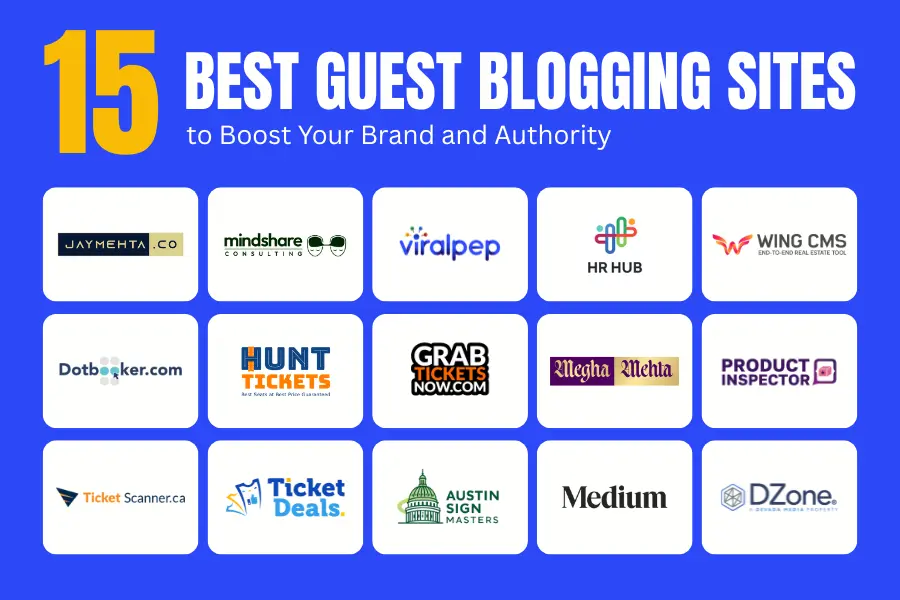
AAWP

  • Core Strength: Automation, Conversion & Compliance
  • Price: $299 Lifetime
  • Geo-Targeting: Yes
  • Comparison Tables: Yes
  • API Required: Yes
  • Verdict: Our top pick for serious affiliates. It’s the ultimate Amazon Associates compliant plugin for power and customization.

Check AAWP Price & Trial Now

Lasso

  • Core Strength: Link Management & Optimization
  • Price: Freemium (starts at $4/mo to $24/mo)
  • Geo-Targeting: Yes
  • Comparison Tables: Limited
  • API Required: No (but supports API)
  • Verdict: Best for Affiliate Link Management and finding new revenue opportunities in existing content.

See Lasso Features

AzonPress

  • Core Strength: Ease of Use & Presentation
  • Price: Starts at $1.91/mo
  • Geo-Targeting: Yes
  • Comparison Tables: Yes
  • API Required: Yes
  • Verdict: Competes closely with AAWP, especially for beginners focused on beautiful product comparison tables.

Get Pricing here

ThirstyAffiliates

  • Core Strength: Cloaking & CTR Tracking
  • Price: Starts at $99.60 Yearly
  • Geo-Targeting: No
  • Comparison Tables: No
  • API Required: No
  • Verdict: Best for Affiliate Link Cloaking and management across all networks (not just Amazon).

ThirstyAffiliates Pricing

WZone

  • Core Strength: WooCommerce Integration
  • Price: $49 Lifetime
  • Geo-Targeting: Yes
  • Comparison Tables: Limited
  • API Required: Yes
  • Verdict: Excellent choice if you use WooCommerce Amazon Affiliates for dropshipping or virtual products.

WZone Plugin

Based on our rigorous testing, AAWP stands out as the definitive best Amazon Affiliate WordPress plugin, particularly for those serious about maximizing Amazon affiliate earnings via automated content displays.

The Definitive Comparison Table: How the Top 5 Plugins Stack Up

Top 5 Plugins

The difference in commission rates often comes down to advanced, revenue-driving features. This detailed list breaks down the essential factors needed to select the best Amazon Affiliate WordPress plugin for your needs.

AAWP

AAWP

  • Core Value: Automation & CRO
  • Amazon API Integration: Required
  • Automatic Price Updates: Yes
  • Geo-Targeting: Yes (Premium)
  • Product Comparison Tables: Advanced
  • Affiliate Link Cloaking: Built-in
  • Bestseller Lists Generation: Yes
  • Custom Amazon Product Boxes: Yes (Templates)
  • Affiliate Link Tracking: Basic Clicks
  • Gutenberg Amazon Affiliate Blocks: Yes
  • TOS Compliance Focus: High
  • Auto-Link Keywords: Yes

Lasso

Lasso

  • Core Value: Link Centralization
  • Amazon API Integration: Optional/Supported
  • Automatic Price Updates: Yes
  • Geo-Targeting: Yes (Premium)
  • Product Comparison Tables: Limited (Display Boxes)
  • Affiliate Link Cloaking: Core Feature
  • Bestseller Lists Generation: No
  • Custom Amazon Product Boxes: Yes (Display Boxes)
  • Affiliate Link Tracking: Advanced (Monetization)
  • Gutenberg Amazon Affiliate Blocks: Yes
  • TOS Compliance Focus: High
  • Auto-Link Keywords: Yes

AzonPress

AzonPress

  • Core Value: Design & Display
  • Amazon API Integration: Required
  • Automatic Price Updates: Yes
  • Geo-Targeting: Yes (Premium)
  • Product Comparison Tables: Advanced
  • Affiliate Link Cloaking: Built-in
  • Bestseller Lists Generation: Yes
  • Custom Amazon Product Boxes: Yes (Templates)
  • Affiliate Link Tracking: Basic Clicks
  • Gutenberg Amazon Affiliate Blocks: Yes
  • TOS Compliance Focus: High
  • Auto-Link Keywords: No

ThirstyAffiliates

ThirstyAffiliates

  • Core Value: Link Organization
  • Amazon API Integration: No
  • Automatic Price Updates: No
  • Geo-Targeting: No
  • Product Comparison Tables: No
  • Affiliate Link Cloaking: Core Feature
  • Bestseller Lists Generation: No
  • Custom Amazon Product Boxes: No
  • Affiliate Link Tracking: Advanced (Pro)
  • Gutenberg Amazon Affiliate Blocks: No
  • TOS Compliance Focus: Low (General)
  • Auto-Link Keywords: Yes

WZone

WZone

  • Core Value: WooCommerce Integration
  • Amazon API Integration: Required
  • Automatic Price Updates: Yes
  • Geo-Targeting: Yes
  • Product Comparison Tables: No
  • Affiliate Link Cloaking: Built-in
  • Bestseller Lists Generation: No
  • Custom Amazon Product Boxes: Yes
  • Affiliate Link Tracking: Sales Data
  • Gutenberg Amazon Affiliate Blocks: No
  • TOS Compliance Focus: High
  • Auto-Link Keywords: No

In-Depth Reviews (Tier 1 – Premium)

The Ultimate Tool for Automated Affiliate Linking and Conversion

AAWP Review: The Ultimate Tool for Automated Affiliate Linking and Conversion

AAWP (Amazon Affiliate WordPress Plugin) is the unchallenged heavyweight champion for serious Amazon affiliates. Its reputation as the best Amazon Affiliate WordPress plugin is rooted in its ability to generate dynamic, high-converting content with minimal effort. If your goal is to have the most reliable Amazon Associates compliant plugin that offers maximum customization, this is your tool.

Key Features and Why They Matter:

  1. Dynamic Data: Using the Amazon API integration, AAWP instantly pulls titles, images, and, most critically, automatic price updates. This is non-negotiable for TOS compliance and building visitor trust.
  2. Four Conversion-Focused Display Types: You can deploy powerful A-B tested formats: clean Product Boxes, high-conversion Bestseller Lists (dynamic top 10 lists for any category), detailed Product Comparison Tables, and simple text links.
  3. Shortcode Flexibility: The plugin uses simple shortcodes, meaning you can inject the same product box into a page, a post, or even a custom widget effortlessly. It also offers dedicated Gutenberg Amazon affiliate blocks for modern editing.
  4. Auto-Link Keywords: This feature is gold for passively generating revenue. It automatically converts specific keywords in your content (e.g., “best coffee maker”) into an affiliate link to the relevant Amazon product. This is true automated affiliate linking.

Pros: Unmatched flexibility in design; perfect Amazon Associates compliant plugin; highly reliable API for price updates; powerful geo-targeting feature.

Cons: Requires an Amazon API key (which can be a hurdle for brand new Associates accounts).

Best Use Case: Large niche sites, established bloggers, and any affiliate focused on high conversion rates and high-volume content.

Boost Affiliate Revenue Now: Start your 15-day trial and see why AAWP is the Best Amazon Affiliate WordPress Plugin.

Advanced Features Deep Dive: The Secrets to Boost Affiliate Revenue

To increase Amazon commissions, you must deploy advanced features that go beyond basic text links. The best Amazon Affiliate WordPress plugin makes these powerful tools accessible via simple shortcodes or Gutenberg Amazon affiliate blocks.

Maximizing Global Revenue with Geo-Targeting

Is your traffic 100% from the US? Probably not. If a user from the UK clicks an Amazon US link, you earn zero. Geo-targeting automatically detects the user’s location and redirects them to their nearest local Amazon storefront (e.g., Amazon.co.uk or Amazon.ca), ensuring you get the commission from their purchase.

Expert Tip: Plugins like AAWP (the best Amazon Affiliate WordPress plugin) and Lasso offer robust geo-targeting. Implementing this is the single fastest way to boost affiliate revenue from international visitors—often resulting in a 10%-20% lift in global earnings.

The Conversion Power of Product Comparison Tables

Users who are ready to buy often skip paragraphs and head straight for the table. The ability to create dynamic, mobile-friendly product comparison tables is the single most important CRO feature. The best Amazon Affiliate WordPress plugin allows you to dynamically populate these tables with:

  • Up-to-date pricing (automatic price updates).
  • Current review ratings.
  • Custom pros/cons cells.
  • High-contrast CTA buttons.

This feature is why AAWP dominates the market for product review sites.

The Non-Negotiable: Automatic Price Updates and API Compliance

The Non-Negotiable: Automatic Price Updates and API Compliance

Amazon strictly forbids manual, outdated pricing. If your price is wrong, you risk suspension, making an Amazon Associates compliant plugin essential.

The best Amazon Affiliate WordPress plugin utilizes a stable Amazon API integration to ensure your prices, stock, and descriptions are updated hourly (or more frequently, depending on the plugin’s caching), thereby saving you time and keeping your account safe. This is the core function of an automated affiliate linking system.

Essential Compliance and Management

The TOS Shield: Being an Amazon Associates Compliant Plugin

For any WordPress plugin for Amazon associates, compliance is the foundation. The key rules are:

  1. Price Accuracy: Managed via automatic price updates through the API.
  2. Disclosure: Clearly stating your use of affiliate links.
  3. Link Cloaking: Amazon requires that the actual amazon.com or amzn.to link be visible when the user hovers over it. The best Amazon Affiliate WordPress plugin handles this “semi-cloaking” correctly, unlike generic tools that might hide the domain completely.

Centralized Affiliate Link Tracking and Cloaking

While Amazon-specific tools are great, you still need to manage other links. Tools like Pretty Links for affiliate marketing and the premium version of ThirstyAffiliates for Amazon specialize in affiliate link cloaking by transforming long URLs into clean, brandable links (e.g., yoursite.com/go/product). Lasso excels by centralizing all of these links, offering superior affiliate link tracking and management for both Amazon and non-Amazon programs.

If you are using WooCommerce Amazon Affiliates (like WZone), the sales data is typically tracked via WooCommerce itself, adding another layer of complexity that advanced plugins simplify.

Final Verdict and Recommendation

After comparing everything from link tracking to API stability, the verdict is clear: The best Amazon Affiliate WordPress plugin for affiliates focused on scale, CTR, and long-term earnings is AAWP.

AAWP’s seamless integration of the most critical revenue-driving features—Amazon API integration, dynamic content, geo-targeting, and product comparison tables—provides the ultimate foundation to maximize Amazon affiliate earnings while remaining an Amazon Associates compliant plugin. The price is an investment, but it pays for itself quickly by generating reliable, automated commissions.

Our Final Recommendation for the Best Amazon Affiliate WordPress Plugin:

Overall Best & Most Powerful

  • Recommended Plugin: AAWP
  • Reason: Unmatched automation, CRO features, and full TOS compliance. This is the true Best Amazon Affiliate WordPress Plugin.

👉 Get AAWP Now

Best Link Management

  • Recommended Plugin: Lasso
  • Reason: Ideal for affiliate link tracking and monetizing existing content across multiple networks.

Best Budget & Tables

  • Recommended Plugin: AzonPress
  • Reason: The top choice for quick and beautiful product comparison tables for the budget-conscious.

This gives a clear, actionable list with direct links for quick decisions and plugin access.

15 Best Guest Blogging Sites to Boost Your Brand and Authority

If you want to grow your authority, build high-quality backlinks, and connect with engaged audiences, contributing to the best guest blogging sites is a proven strategy. These platforms not only expand your reach—they position you as a thought leader, drive targeted traffic, and spark valuable connections in your niche.
Below, we’ve compiled the 15 best guest blogging sites for marketers, entrepreneurs, and creatives, including submission tips and ideal topics to help you get your pitch accepted.

1. Jay Mehta Digital

  • About the Platform

    Jay Mehta Digital is ranked among the best guest blogging sites for those in digital marketing, entrepreneurship, and business growth. The platform emphasizes high quality, data-driven content.

  • Why Contribute

    Your contributions reach a broad, international audience with interests in innovation and strategic brand growth. Published articles are promoted through multiple digital channels.

  • Submission Tips

    Follow their Write for Us guidelines. Thought leadership, how-tos, and well-documented case studies perform best.

  • Ideal Topics

    • SEO tactics and case studies
    • Growth hacking
    • Entrepreneurial journeys
    • Branding and rebranding stories

2. Mindshare Consulting

  • About the Platform

    Mindshare Consulting is a strategic advisory hub that helps readers elevate their digital marketing, branding, and business processes—making it one of the best guest blogging sites for business experts.

  • Why Contribute

    Build alliances with business leaders, and demonstrate your expertise in actionable, step-by-step articles that solve real-world problems.

  • Submission Tips

    Check out their Write for Us requirements. Prioritize clarity and utility, backing up claims with evidence or case studies.

  • Ideal Topics

    • Content marketing blueprints
    • Brand development strategies
    • Digital transformation
    • User experience insights

3. Viralpep

  • About the Platform

    Viralpep is a leading resource for social media, digital marketing, and branding. Recognized as one of the best guest blogging sites, we offer marketers and professionals a space to share actionable insights, fresh trends, and strategic advice with our community.

  • Why Contribute

    Articles published on Viralpep are seen by digital leaders, entrepreneurs, and influencers across industries. Sharing your expertise here boosts your credibility and puts your ideas in front of a highly relevant audience.

  • Submission Tips

    Visit the Write for Us page and submit posts focused on unique strategies, real-world case studies, or tips backed by data. Actionability and originality are highly valued.

  • Ideal Topics

    • Social media strategies
    • Influencer campaign tactics
    • Content marketing innovation
    • Branding and digital trends

4. HR HUB

  • About the Platform

    HR HUB is a top choice among the best guest blogging sites for HR, leadership, and workplace innovation. Its readers include managers, HR professionals, and business owners.

  • Why Contribute

    Share your HR knowledge to help shape the modern workplace and establish yourself as a go-to expert in people management.

  • Submission Tips

    Use their Write for Us portal. Practical case studies, research-backed trends, and solutions to HR challenges are especially popular.

  • Ideal Topics

    • HR technology
    • Talent acquisition
    • Employee engagement
    • Diversity and inclusion

5. WingCMS

  • About the Platform

    WingCMS specializes in real estate technology and property marketing. It is one of the best guest blogging sites for industry professionals looking to share insights on the future of real estate.

  • Why Contribute

    Publishing here gets your advice and innovations in front of property managers, tech developers, and real estate marketers.

  • Submission Tips

    Find complete instructions on their Write for Us page. Articles with actionable tech tips and market insights stand out.

  • Ideal Topics

    • Proptech case studies
    • Property marketing best practices
    • Real estate automation
    • New sales tools

6. DotBooker

  • About the Platform

    DotBooker is a leader in fitness, spa, and wellness industry content—making it one of the best guest blogging sites for professionals in these verticals.

  • Why Contribute

    Writers tap into a community of business owners and consultants looking for operational and growth advice.

  • Submission Tips

    See their Write for Us page for formatting and submission instructions. Actionable guides and personal experience pieces work well.

  • Ideal Topics

    • Spa automation
    • Gym marketing
    • Client management technology
    • Member retention strategies

7. Hunt Tickets

  • About the Platform

    Hunt Tickets is recognized as one of the best guest blogging sites for event, ticketing, and entertainment content. Its readers are passionate about live experiences.

  • Why Contribute

    Get your event strategies, reviews, and advanced ticketing advice in front of concert-goers and event promoters nationwide.

  • Submission Tips

    Check their Write for Us page and pitch articles that deliver unique value or firsthand coverage.

  • Ideal Topics

    • Event guides
    • Ticket-buying tips
    • Concert and show reviews
    • Entertainment trends

8. Grab Tickets Now

  • About the Platform

    Grab Tickets Now is an up-and-coming platform with an audience of event and ticketing enthusiasts, aiming to become one of the best guest blogging sites in entertainment.

  • Why Contribute

    Pitching here lets you reach early adopters and event fans with practical tips and up-to-date entertainment news.

  • Submission Tips

    Check their Write for Us page and pitch articles with concise, original ideas and suggested headlines.

  • Ideal Topics

    • Event access hacks
    • Ticket tech trends
    • Festival and concert tips
    • Fan engagement stories

9. Megha Mehta

  • About the Platform

    Megha Mehta’s blog is among the best guest blogging sites for lifestyle, tech, and personal growth writers.

  • Why Contribute

    Writers connect with an audience seeking practical, positive change in their lives and careers.

  • Submission Tips

    Use their Write for Us guidelines. Focus on authenticity, storytelling, and actionable takeaways.

  • Ideal Topics

    • Productivity
    • Wellness
    • Blogging and tech hacks
    • Self-improvement

10. Product Inspector

  • About the Platform

    Product Inspector stands out as one of the best guest blogging sites for honest product reviews and consumer technology advice.

  • Why Contribute

    Writers establish themselves as trusted resources in the competitive tech review space.

  • Submission Tips

    Submit posts via their Write for Us page. Focus on transparency, hands-on analysis, and helpful comparisons.

  • Ideal Topics

    • Product reviews
    • Tech buying guides
    • Gadget comparisons
    • Consumer trends

11. Ticket Scanner

  • About the Platform

    Ticket Scanner’s audience includes travelers, event-goers, and deal seekers, making it one of the best guest blogging sites for travel and ticketing advice.

  • Why Contribute

    Your content helps readers save money, maximize their experiences, and discover new events.

  • Submission Tips

    Refer to their Write for Us portal. Listicles, tips, and destination-focused posts receive strong engagement.

  • Ideal Topics

    • Travel deals
    • Booking strategies
    • Local event guides
    • How to save on tickets

12. Ticket Deals

  • About the Platform

    Ticket Deals is a top site for news and strategies about travel, entertainment, and savings—definitely among the best guest blogging sites for deal-focused writers.

  • Why Contribute

    Share actionable advice for scoring discounts and discovering must-see events with eager audiences.

  • Submission Tips

    Submission guidelines are at their Write for Us. Value-driven, detailed guides are preferred.

  • Ideal Topics

    • Discount events
    • Festival savings
    • Buying tickets on a budget
    • Event planning

13. Austin Sign Masters

  • About the Platform

    Austin Sign Masters ranks among the best guest blogging sites for branding, signage, and marketing experts.

  • Why Contribute

    Business professionals, marketers, and designers get a chance to showcase their expertise to a regionally focused but highly engaged readership.

  • Submission Tips

    Follow their Write for Us instructions; add visuals where possible.

  • Ideal Topics

    • Small business branding
    • Signage design
    • Local marketing tips
    • Retail promotions

14. Medium

  • About the Platform

    No list of the best guest blogging sites is complete without Medium: the world’s open platform for diverse stories, thought leadership, and ideas that spark conversation.

  • Why Contribute

    Anyone can join and share insights with an enormous global audience. Great for portfolio building and brand storytelling.

  • Submission Tips

    Sign up, follow platform curation guidelines, and review advice from SEO experts at Moz for enhanced reach.

  • Ideal Topics

    • Personal branding journeys
    • Life lessons
    • Marketing and entrepreneurship
    • Technology trends

15. Dzone

  • About the Platform

    Dzone rounds out our list of the best guest blogging sites for developers, software engineers, and tech educators.

  • Why Contribute

    Writers benefit from a specialized, knowledgeable community of peers interested in in-depth tutorials, tips, and industry analysis.

  • Submission Tips

    Learn more at About Dzone. Step-by-step tutorials, use cases, and problem-solving articles work best.

  • Ideal Topics

    • Software development
    • Coding tutorials
    • Best practices in engineering
    • Emerging tech

How to Get Accepted by the Best Guest Blogging Sites

  • Personalize your approach for each platform. Cookie-cutter pitches don’t work.
  • Address the audience’s needs and pain points, not just your own promotional goals.
  • Reference authority sites (like Moz or HubSpot) to support data or claims.
  • Follow each site’s guidelines meticulously, and deliver clear value.

Conclusion

The best guest blogging sites are more than just places to publish—they are communities for thought leaders, growth seekers, and storytellers. Select those that align with your expertise, tailor your content accordingly, and soon you’ll see your influence grow, your network expand, and your authority solidified in your field.

Ready to get started on your guest blogging journey? Begin here at Viralpep and use this list as your go-to resource every time you want to reach new audiences and build your brand.

Social Media Promotion for Musicians: Grow Your Career

In today’s digital age, musicians no longer need to rely solely on record labels or traditional media to find success. Social media platforms have become powerful tools that allow artists to connect directly with fans, showcase their creativity, and reach global audiences. By understanding how to utilize these platforms strategically, musicians can establish a strong presence, attract new listeners, and advance their careers.
Building a strategy that works

SoundCampaign music promotion is one example of how artists can combine organic growth with targeted digital efforts to boost their reach. A social media strategy should begin with clear goals—whether that’s growing followers, increasing streams, or selling tickets to live shows. Musicians need to identify where their target audience spends the most time. For example, TikTok is excellent for short, viral clips, while Instagram and YouTube allow for more visual storytelling and long-form content.

Consistency is equally important. Posting regularly, engaging with comments, and maintaining a consistent brand identity across all platforms helps create trust and familiarity with your audience. Without a clear plan, it’s easy to get lost in the constant noise of social media, but with the right approach, even emerging artists can stand out.

Using content to tell a story

Fans today want more than just music—they want to know the person behind the songs. Sharing behind-the-scenes videos, rehearsal moments, and personal reflections allows audiences to feel connected to the artist’s journey. This sense of authenticity often drives deeper loyalty and word-of-mouth promotion.

Creative content can take many forms. Short clips of unreleased tracks, challenges or duets on TikTok, Instagram Reels with storytelling elements, and live Q&A sessions all create opportunities for engagement. Importantly, musicians should tailor their content to each platform, rather than reposting the same material everywhere.

In this context, services like SoundCampaign music promotion help bridge the gap between creating meaningful content and ensuring that it reaches the right listeners. While organic engagement is robust, having tools that amplify visibility can make a huge difference in connecting with new audiences.

Engaging with fans on a personal level

Social media is not just a broadcast channel—it’s a two-way conversation. Musicians who actively respond to comments, share fan-created content, and show appreciation for their supporters tend to build stronger, more engaged communities. A fan who feels seen is much more likely to become a loyal listener and even promote the artist’s work to friends.

Simple gestures, such as thanking fans for streaming a song, reposting covers, or running interactive polls, can create a sense of community. Artists should think of their social media presence as a digital stage, where every interaction helps strengthen their brand and reputation.

Collaborating for greater reach

Partnerships and collaborations are another way for musicians to grow their audience. Social media makes it easier than ever to connect with other artists, influencers, and brands. A joint livestream, remix challenge, or collaborative playlist can bring two audiences together and expose each artist to new fans.

For independent musicians, collaborations can be especially valuable. Partnering with niche creators or micro-influencers often brings more authentic engagement than chasing celebrity endorsements. When combined with tools like SoundCampaign music promotion, these partnerships ensure that content doesn’t just reach more people—it reaches the right people who are likely to enjoy and support the music.

Measuring results and adapting

Like any digital marketing effort, social media promotion for musicians should be guided by data. Analytics tools on platforms such as Instagram, TikTok, and YouTube provide insights into what content resonates most with audiences. Tracking engagement rates, follower growth, and streaming conversions helps musicians refine their strategies.

For example, if short performance clips receive higher engagement than polished music videos, it may be worthwhile to focus more on authentic, real-time content. The key is to remain flexible and willing to adapt based on the data’s findings. By doing so, musicians ensure that their efforts on social media consistently lead to audience growth and stronger connections.

Conclusion

Social media has transformed the music industry by giving artists the power to share their voice with the world. With the right strategy, authentic content, meaningful engagement, and innovative use of promotional tools, musicians can expand their reach far beyond traditional boundaries. Success comes not just from posting frequently, but from creating genuine connections with fans and making music that resonates. For today’s artists, social media is not just an option—it’s one of the most effective ways to build a lasting career.

How to Avoid Social Media Blocks and Stay Active

In the modern global environment, a well-developed social media presence has become a key factor in both personal branding and business expansion. Nonetheless, online engagement is becoming an uphill task. It’s not uncommon for apps to limit or prohibit people’s activities out of the blue. Maintaining an uninterrupted social media presence is therefore paramount for sustained influence. This article aims to arm you with smart habits to navigate the complexities of social media.

What Are Social Media Blocks?

Social media blocks are a platform’s way of putting you in a digital timeout, limiting or completely halting your activity. They’re applied for a variety of reasons, acting as digital bouncers to keep the online party civil and safe. You may end up on the naughty list for going against the community’s rules. The platforms also monitor any suspicious behavior, including farming followers through bot usage. Copyright infringement is another quick way to get your account frozen. Lastly, your IP address can also get flagged if it’s associated with previous misbehavior.

Temporary blocks restrict certain features, such as commenting for a set period. These are usually for minor infractions. Then, there are permanent bans that are reserved for serious violations. Finally, the mysterious shadow banning occurs when your content becomes practically invisible to others, yet you remain none the wiser. Platforms apply these blocks to ensure their spaces remain enjoyable for everyone.

How to Avoid Blocks and Stay Active on Social Media

Tired of social media blocks? Let’s dive into how to navigate the social media landscape without tripping over those rules and landing yourself in a timeout. Below are ways in which one can avoid this scenario and stay active on social media.

Use Proxies

Proxies are like a friendly middleman between your computer and the internet. Instead of your direct IP address being visible to social media sites, what they see is the proxy’s IP address. There are different flavors:

  • Residential proxies, which utilize confirmed IP addresses from everyday internet users, making them extremely stealthy.
  • Datacenter proxies, which come from data centers and are faster but less organic.
  • Dedicated, shared, rotating, static, transparent, and more complete the list.

They are all like having your own private online phone booth. Their foremost superpower is masking your IP address, which is significant for preventing Instagram IP bans due to suspicious IP activity.

Stay Professional in DMs and Comments

DMs and comments are like public stages, where how you present yourself matters. It’s crucial to avoid abusive or overly promotional messaging to avoid blocks. When a negative comment pops up, respond constructively. Turning a critic into a fan with a thoughtful reply is a social media superpower! Remember to report any harassment you encounter to the platform, since engaging in a slinging match only puts your account at risk.

Strengthen Account Security

Protecting your social media accounts is paramount. The first, almost magical line of defense is to enable two-factor authentication. This measure is used to increase security. It requires individuals to verify themselves through two separate means before logging into an account. Once the password is entered, a code is sent to the person’s phone, which will be used again to confirm their identity. Finally, respond to security notices raised by the platform, as they may signal when your account has been compromised.

What to Do if You Get Blocked

A block is not always the end of your social media journey. The first step is to figure out the reason for the block. Platforms will usually give you some indication, even if it’s vague. Once you have a clue, it’s time for the appealing decision phase. Most social media sites have an appeals process, typically located in their help center.

Finally, learn from the experience. Every block, whether temporary or permanent, is a valuable lesson. What triggered it? How can you adjust your content to avoid a repeat performance? This helps you to be a smarter social media user who knows how to navigate the rules and keep the good times rolling without hitting another roadblock.

Conclusion

We now know the secrets of staying active and block-free! Proxies can serve as your online allies, provided you use them wisely. The sphere of social media is continuously evolving. Thus, people should always be mindful of following best practices. Doing so will allow them not only to avoid those annoying blocks but also to achieve the right kind of healthy online presence they need. Stay relaxed, post, and may your feed be free forever!