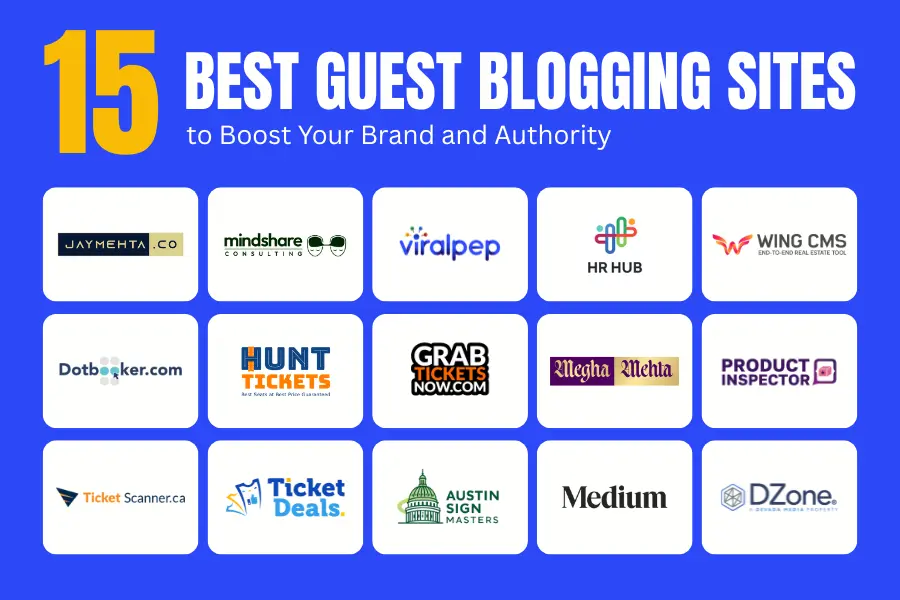
15 Best Guest Blogging Sites to Boost Your Brand and Authority

If you want to grow your authority, build high-quality backlinks, and connect with engaged audiences, contributing to the best guest blogging sites is a proven strategy. These platforms not only expand your reach—they position you as a thought leader, drive targeted traffic, and spark valuable connections in your niche.

Below, we’ve compiled the 15 best guest blogging sites for marketers, entrepreneurs, and creatives, including submission tips and ideal topics to help you get your pitch accepted.

1. Jay Mehta Digital

  • About the Platform

    Jay Mehta Digital is ranked among the best guest blogging sites for those in digital marketing, entrepreneurship, and business growth. The platform emphasizes high quality, data-driven content.

  • Why Contribute

    Your contributions reach a broad, international audience with interests in innovation and strategic brand growth. Published articles are promoted through multiple digital channels.

  • Submission Tips

    Follow their Write for Us guidelines. Thought leadership, how-tos, and well-documented case studies perform best.

  • Ideal Topics

    • SEO tactics and case studies
    • Growth hacking
    • Entrepreneurial journeys
    • Branding and rebranding stories

2. Mindshare Consulting

  • About the Platform

    Mindshare Consulting is a strategic advisory hub that helps readers elevate their digital marketing, branding, and business processes—making it one of the best guest blogging sites for business experts.

  • Why Contribute

    Build alliances with business leaders, and demonstrate your expertise in actionable, step-by-step articles that solve real-world problems.

  • Submission Tips

    Check out their Write for Us requirements. Prioritize clarity and utility, backing up claims with evidence or case studies.

  • Ideal Topics

    • Content marketing blueprints
    • Brand development strategies
    • Digital transformation
    • User experience insights

3. Viralpep

  • About the Platform

    Viralpep is a leading resource for social media, digital marketing, and branding. Recognized as one of the best guest blogging sites, we offer marketers and professionals a space to share actionable insights, fresh trends, and strategic advice with our community.

  • Why Contribute

    Articles published on Viralpep are seen by digital leaders, entrepreneurs, and influencers across industries. Sharing your expertise here boosts your credibility and puts your ideas in front of a highly relevant audience.

  • Submission Tips

    Visit the Write for Us page and submit posts focused on unique strategies, real-world case studies, or tips backed by data. Actionability and originality are highly valued.

  • Ideal Topics

    • Social media strategies
    • Influencer campaign tactics
    • Content marketing innovation
    • Branding and digital trends

4. HR HUB

  • About the Platform

    HR HUB is a top choice among the best guest blogging sites for HR, leadership, and workplace innovation. Its readers include managers, HR professionals, and business owners.

  • Why Contribute

    Share your HR knowledge to help shape the modern workplace and establish yourself as a go-to expert in people management.

  • Submission Tips

    Use their Write for Us portal. Practical case studies, research-backed trends, and solutions to HR challenges are especially popular.

  • Ideal Topics

    • HR technology
    • Talent acquisition
    • Employee engagement
    • Diversity and inclusion

5. WingCMS

  • About the Platform

    WingCMS specializes in real estate technology and property marketing. It is one of the best guest blogging sites for industry professionals looking to share insights on the future of real estate.

  • Why Contribute

    Publishing here gets your advice and innovations in front of property managers, tech developers, and real estate marketers.

  • Submission Tips

    Find complete instructions on their Write for Us page. Articles with actionable tech tips and market insights stand out.

  • Ideal Topics

    • Proptech case studies
    • Property marketing best practices
    • Real estate automation
    • New sales tools

6. DotBooker

  • About the Platform

    DotBooker is a leader in fitness, spa, and wellness industry content—making it one of the best guest blogging sites for professionals in these verticals.

  • Why Contribute

    Writers tap into a community of business owners and consultants looking for operational and growth advice.

  • Submission Tips

    See their Write for Us page for formatting and submission instructions. Actionable guides and personal experience pieces work well.

  • Ideal Topics

    • Spa automation
    • Gym marketing
    • Client management technology
    • Member retention strategies

7. Hunt Tickets

  • About the Platform

    Hunt Tickets is recognized as one of the best guest blogging sites for event, ticketing, and entertainment content. Its readers are passionate about live experiences.

  • Why Contribute

    Get your event strategies, reviews, and advanced ticketing advice in front of concert-goers and event promoters nationwide.

  • Submission Tips

    Check their Write for Us page and pitch articles that deliver unique value or firsthand coverage.

  • Ideal Topics

    • Event guides
    • Ticket-buying tips
    • Concert and show reviews
    • Entertainment trends

8. Grab Tickets Now

  • About the Platform

    Grab Tickets Now is an up-and-coming platform with an audience of event and ticketing enthusiasts, aiming to become one of the best guest blogging sites in entertainment.

  • Why Contribute

    Pitching here lets you reach early adopters and event fans with practical tips and up-to-date entertainment news.

  • Submission Tips

    Check their Write for Us page and pitch articles with concise, original ideas and suggested headlines.

  • Ideal Topics

    • Event access hacks
    • Ticket tech trends
    • Festival and concert tips
    • Fan engagement stories

9. Megha Mehta

  • About the Platform

    Megha Mehta’s blog is among the best guest blogging sites for lifestyle, tech, and personal growth writers.

  • Why Contribute

    Writers connect with an audience seeking practical, positive change in their lives and careers.

  • Submission Tips

    Use their Write for Us guidelines. Focus on authenticity, storytelling, and actionable takeaways.

  • Ideal Topics

    • Productivity
    • Wellness
    • Blogging and tech hacks
    • Self-improvement

10. Product Inspector

  • About the Platform

    Product Inspector stands out as one of the best guest blogging sites for honest product reviews and consumer technology advice.

  • Why Contribute

    Writers establish themselves as trusted resources in the competitive tech review space.

  • Submission Tips

    Submit posts via their Write for Us page. Focus on transparency, hands-on analysis, and helpful comparisons.

  • Ideal Topics

    • Product reviews
    • Tech buying guides
    • Gadget comparisons
    • Consumer trends

11. Ticket Scanner

  • About the Platform

    Ticket Scanner’s audience includes travelers, event-goers, and deal seekers, making it one of the best guest blogging sites for travel and ticketing advice.

  • Why Contribute

    Your content helps readers save money, maximize their experiences, and discover new events.

  • Submission Tips

    Refer to their Write for Us portal. Listicles, tips, and destination-focused posts receive strong engagement.

  • Ideal Topics

    • Travel deals
    • Booking strategies
    • Local event guides
    • How to save on tickets

12. Ticket Deals

  • About the Platform

    Ticket Deals is a top site for news and strategies about travel, entertainment, and savings—definitely among the best guest blogging sites for deal-focused writers.

  • Why Contribute

    Share actionable advice for scoring discounts and discovering must-see events with eager audiences.

  • Submission Tips

    Submission guidelines are at their Write for Us. Value-driven, detailed guides are preferred.

  • Ideal Topics

    • Discount events
    • Festival savings
    • Buying tickets on a budget
    • Event planning

13. Austin Sign Masters

  • About the Platform

    Austin Sign Masters ranks among the best guest blogging sites for branding, signage, and marketing experts.

  • Why Contribute

    Business professionals, marketers, and designers get a chance to showcase their expertise to a regionally focused but highly engaged readership.

  • Submission Tips

    Follow their Write for Us instructions; add visuals where possible.

  • Ideal Topics

    • Small business branding
    • Signage design
    • Local marketing tips
    • Retail promotions

14. Medium

  • About the Platform

    No list of the best guest blogging sites is complete without Medium: the world’s open platform for diverse stories, thought leadership, and ideas that spark conversation.

  • Why Contribute

    Anyone can join and share insights with an enormous global audience. Great for portfolio building and brand storytelling.

  • Submission Tips

    Sign up, follow platform curation guidelines, and review advice from SEO experts at Moz for enhanced reach.

  • Ideal Topics

    • Personal branding journeys
    • Life lessons
    • Marketing and entrepreneurship
    • Technology trends

15. Dzone

  • About the Platform

    Dzone rounds out our list of the best guest blogging sites for developers, software engineers, and tech educators.

  • Why Contribute

    Writers benefit from a specialized, knowledgeable community of peers interested in in-depth tutorials, tips, and industry analysis.

  • Submission Tips

    Learn more at About Dzone. Step-by-step tutorials, use cases, and problem-solving articles work best.

  • Ideal Topics

    • Software development
    • Coding tutorials
    • Best practices in engineering
    • Emerging tech

How to Get Accepted by the Best Guest Blogging Sites

  • Personalize your approach for each platform. Cookie-cutter pitches don’t work.
  • Address the audience’s needs and pain points, not just your own promotional goals.
  • Reference authority sites (like Moz or HubSpot) to support data or claims.
  • Follow each site’s guidelines meticulously, and deliver clear value.

Conclusion

The best guest blogging sites are more than just places to publish—they are communities for thought leaders, growth seekers, and storytellers. Select those that align with your expertise, tailor your content accordingly, and soon you’ll see your influence grow, your network expand, and your authority solidified in your field.

Ready to get started on your guest blogging journey? Begin here at Viralpep and use this list as your go-to resource every time you want to reach new audiences and build your brand.
Social Media Promotion for Musicians: Grow Your Career

In today’s digital age, musicians no longer need to rely solely on record labels or traditional media to find success. Social media platforms have become powerful tools that allow artists to connect directly with fans, showcase their creativity, and reach global audiences. By understanding how to utilize these platforms strategically, musicians can establish a strong presence, attract new listeners, and advance their careers.

Building a strategy that works

SoundCampaign music promotion is one example of how artists can combine organic growth with targeted digital efforts to boost their reach. A social media strategy should begin with clear goals—whether that’s growing followers, increasing streams, or selling tickets to live shows. Musicians need to identify where their target audience spends the most time. For example, TikTok is excellent for short, viral clips, while Instagram and YouTube allow for more visual storytelling and long-form content.

Consistency is equally important. Posting regularly, engaging with comments, and maintaining a consistent brand identity across all platforms helps create trust and familiarity with your audience. Without a clear plan, it’s easy to get lost in the constant noise of social media, but with the right approach, even emerging artists can stand out.

Using content to tell a story

Fans today want more than just music—they want to know the person behind the songs. Sharing behind-the-scenes videos, rehearsal moments, and personal reflections allows audiences to feel connected to the artist’s journey. This sense of authenticity often drives deeper loyalty and word-of-mouth promotion.

Creative content can take many forms. Short clips of unreleased tracks, challenges or duets on TikTok, Instagram Reels with storytelling elements, and live Q&A sessions all create opportunities for engagement. Importantly, musicians should tailor their content to each platform, rather than reposting the same material everywhere.

In this context, services like SoundCampaign music promotion help bridge the gap between creating meaningful content and ensuring that it reaches the right listeners. While organic engagement is robust, having tools that amplify visibility can make a huge difference in connecting with new audiences.

Engaging with fans on a personal level

Social media is not just a broadcast channel—it’s a two-way conversation. Musicians who actively respond to comments, share fan-created content, and show appreciation for their supporters tend to build stronger, more engaged communities. A fan who feels seen is much more likely to become a loyal listener and even promote the artist’s work to friends.

Simple gestures, such as thanking fans for streaming a song, reposting covers, or running interactive polls, can create a sense of community. Artists should think of their social media presence as a digital stage, where every interaction helps strengthen their brand and reputation.

Collaborating for greater reach

Partnerships and collaborations are another way for musicians to grow their audience. Social media makes it easier than ever to connect with other artists, influencers, and brands. A joint livestream, remix challenge, or collaborative playlist can bring two audiences together and expose each artist to new fans.

For independent musicians, collaborations can be especially valuable. Partnering with niche creators or micro-influencers often brings more authentic engagement than chasing celebrity endorsements. When combined with tools like SoundCampaign music promotion, these partnerships ensure that content doesn’t just reach more people—it reaches the right people who are likely to enjoy and support the music.

Measuring results and adapting

Like any digital marketing effort, social media promotion for musicians should be guided by data. Analytics tools on platforms such as Instagram, TikTok, and YouTube provide insights into what content resonates most with audiences. Tracking engagement rates, follower growth, and streaming conversions helps musicians refine their strategies.

For example, if short performance clips receive higher engagement than polished music videos, it may be worthwhile to focus more on authentic, real-time content. The key is to remain flexible and willing to adapt based on the data’s findings. By doing so, musicians ensure that their efforts on social media consistently lead to audience growth and stronger connections.

Conclusion

Social media has transformed the music industry by giving artists the power to share their voice with the world. With the right strategy, authentic content, meaningful engagement, and innovative use of promotional tools, musicians can expand their reach far beyond traditional boundaries. Success comes not just from posting frequently, but from creating genuine connections with fans and making music that resonates. For today’s artists, social media is not just an option—it’s one of the most effective ways to build a lasting career.

How to Build Authority on Social Media: Strategies for Trust & Engagement

The number of active users on social media platforms is increasing constantly. It is one of the reasons why many businesses leverage them to connect with existing and potential customers.

According to a Forbes post, social media is a powerful tool in modern marketing. It can help cultivate a positive brand reputation that goes a long way. For instance, promptly monitoring and responding to customer feedback can demonstrate your dedication to their satisfaction.

Building authority on social media doesn’t depend on having the loudest voice. It depends on consistency, credibility, and creating a space where audiences feel informed and heard. Whether you’re a small or large business owner, your online presence can either support your brand’s reputation or leave it looking unsure and inconsistent.

Authority isn’t something you claim. It’s something your audience grants you over time based on how helpful, relevant, and reliable your posts are. When people trust that your brand delivers value, they’re more likely to return, refer others, and even defend your credibility when challenged.

So, how does a brand earn that level of trust in a space as fast-moving as social media?

Consistency Without Repetition

According to Supply House Times, consistently posting on social media is crucial because it enhances engagement and boosts brand recognition. It helps boost your brand’s visibility and build trust and loyalty among followers.

Even a Shopify article recommends posting three to five times a week on platforms like Instagram. This is an ideal number to start your social media strategy. You can then adjust the frequency according to your audience and engagement levels. Striving for three to five posts initially will offer you benefits such as:

  • Showing up on the Explore page
  • Appearing in top search results
  • Improves your visibility across different content types
  • Let you test what works with your audience

However, this does not mean you have to post similar content every day. While publishing regularly shows reliability, repeating the same types of posts week after week can lead to audience fatigue.

To establish long-term authority, content should be steady yet flexible. It should be capable of responding to seasonal shifts, current events, or changes in audience behavior.

A small business in the health and wellness space, for instance, might post daily tips about nutrition and exercise. However, to hold the audience’s attention, they might also explore adjacent themes, such as work-life balance, digital well-being, or sleep habits.

This variation allows them to stay relevant and helpful without feeling like a content loop. In contrast, when a brand stops posting for weeks and then suddenly returns with a string of self-promotional updates, it creates a disconnect.

How do you maintain a consistent schedule without a dedicated team?

Start by batching content creation during slower work periods and use free scheduling tools like Buffer or Meta Business Suite. Repurpose high-performing posts by updating the visuals or captions to keep your feed active without reinventing the wheel every week.

Focus on Topics That Matter Beyond Sales

Social selling is essential for improving your sales process, whether you are selling products or services. According to Business.com, social media can provide visibility and increase web traffic. With this, you can establish a higher-caliber network that not only increases sales but also provides you with constant feedback.

While important, social selling is not the only thing you should focus on. Building authority requires talking about more than just what you offer. While promotional posts have their place, brands earn respect by addressing genuine concerns and speaking to the broader context of their industries.

For example, law firms can expand their following by discussing recent lawsuits and providing guidance on how people can access legal support. Consider the example of the harm of playing video games for extended hours daily.

According to TorHoerman Law, many game developers employ psychological tactics, such as loot boxes and reward systems, to keep gamers engaged. This can keep the players hooked for more extended periods, leading to video game addiction. Many parents have even filed lawsuits against game developers for using such tactics.

It is evident that potential plaintiffs will want legal support to file a video game lawsuit. Lawyers can help collect evidence, calculate damages, and negotiate with insurance companies. Additionally, they can also represent their clients in court if necessary.

This means that discussing this lawsuit on social media can help law firms get new clients. However, instead of focusing solely on the lawsuit and selling their services, law firms can talk about how video games can impact people. For example, they can talk about how excessive gaming can impact mental health, how parents can spot the signs, and more. This can help build a genuine following and loyalty.

Respond, Don’t React

Authoritative brands also understand the difference between reacting impulsively and responding with purpose. Social media platforms are filled with heated debates, misunderstandings, and swift take-downs.

While staying silent can sometimes feel like the safest move, well-timed and thoughtful replies often earn more respect than rushed defenses. When someone questions your brand or leaves negative feedback, the way you handle it can shape how your entire audience sees you.

Ignoring a valid concern can make you seem dismissive. Overexplaining can come across as defensive. But a calm, direct response that acknowledges the issue and offers a way forward can strengthen your reputation.

Responding publicly also helps others who might be watching quietly. Most followers don’t engage directly with content, but they do notice how you treat those who do. When you lead with clarity, empathy, and a steady tone, your audience is more likely to trust your brand.

Here are some tips listed in a Forbes article to help respond to negative feedback on social media:

  • Use an automated feedback tracking tool to stay updated
  • Acknowledge, appreciate, and assess
  • Treat feedback like a gift
  • Try to respond as quickly as possible
  • Move the feedback offline to prevent it from getting traction
  • Encourage engagement while filtering out trolls

Should I reply to every negative comment on my social media posts?

No, not every negative comment needs a response. Prioritize comments that raise valid questions or reflect misunderstandings. Avoid replying to aggressive or bad-faith remarks. Use your brand’s tone guide to determine when to respond and how to maintain a respectful and clear messaging approach.

Share Results, Not Just Opinions

As noted in a Wiley Online Library study, transparency is crucial amid the numerous product scandals, corporate malpractice, and proliferation of information. These things have made consumers more skeptical about the brands they purchase from. Social media offers a perfect way for brands to establish this transparency.

You can share the results of what you have achieved and the process you followed to achieve them. This doesn’t always mean showcasing dramatic success stories.

It can be as simple as explaining how a particular strategy helped a client improve audience engagement. Transparency builds trust, especially when it’s backed by real examples instead of broad advice.

Too often, brands stick to surface-level commentary or general tips. While that content can be helpful, it doesn’t carry the same weight as sharing your process and the results that came from it.

There’s also an opportunity to highlight client feedback or user behavior changes tied directly to your content or services. Did a series of educational posts increase appointment bookings? Did a shift in content style improve the average watch time on video posts? These aren’t just metrics; they’re proof that your approach is working. Over time, this creates a track record your audience can follow and rely on.

What if I don’t have measurable results to share yet?

If your brand is still gaining traction, focus on documenting your process. Share behind-the-scenes decisions, explain your thinking, or reflect on what you’re experimenting with. Your honesty can build authority by demonstrating that you’re actively learning and applying insights in real time.

Establishing authority online takes time, but steady and consistent efforts on social media can help legal consultants build trust and attract the right audience. Sharing valuable insights, engaging with followers, and staying active on the right platforms all contribute to a stronger online presence. With the right approach, legal professionals can establish themselves as trusted sources of reliable information in their field.

How to Deal With Spam Comments Under Your Instagram Posts

You’ve just posted a great photo or reel on Instagram — maybe a vacation snap, a business update, or a meaningful quote — and within minutes, the comments start rolling in. But instead of genuine engagement, you’re met with “DM me for promo”, suspicious links, or awkwardly worded messages promising overnight fame. Sounds familiar?

Spam comments are a growing annoyance on Instagram, cluttering your posts, distracting your followers, and sometimes even damaging your credibility. But why do people (or bots) leave them in the first place? What’s in it for them, and what can you do to protect your account and maintain a clean, authentic online presence?

In this article, we’ll explore the motives behind Instagram spam comments, the types you’re most likely to encounter, and practical steps to prevent spam comments.

Understanding Spam Comments on Instagram

Spam comments on Instagram are automated messages generated by bots (or sometimes written by real people) that flood the comment section with irrelevant and often offensive content. These comments are typically uninvited and aim to promote something or annoy users. They can range from generic phrases like “Nice post!” to more malicious content containing suspicious links and excessive emojis. The sheer volume of these irrelevant comments can clutter your comment section, which makes it harder for genuine interactions to take place.

The impact of spam comments goes beyond mere annoyance. They can:

  • Pose serious risks to user experience and personal information.
  • Diminish brand reputation for businesses.
  • Misrepresent the success of a post by artificially inflating engagement metrics.

Alarmingly, approximately 10% of Instagram’s user base consists of bots.

Common Types of Spam Comments

Spam comments on Instagram come in various forms, but they can be broadly categorized into three main types: generic comments, excessive emojis, and promotional messages. Understanding these types can help you identify and manage them more effectively.

Generic comments are often automated and include phrases like “Check out my page” or “Nice post”, which lack meaningful engagement. These comments are designed to appear friendly and engaging, but are typically posted by bots or spam accounts. Common phrases used by bots include generic compliments like “Good job” or “Awesome post”, which could apply to any image and do not add value to the conversation.

Another common type of spam comment involves the excessive use of emojis. These comments often contain an abundance of emojis that are unrelated to the post’s theme. While they may look engaging at first glance, they fail to provide any substantial or relevant information.

Lastly, promotional messages are spam comments that include irrelevant promotional content aimed at boosting engagement or directing users to external sites. These messages often clutter the comment section with unwanted advertisements and links.

Why Spammers Target Instagram Specifically

Here’s why Instagram is such a common target for spam:

1. High Engagement Rates

Instagram users tend to engage more with content (likes, comments, shares) than on many other platforms. Spammers exploit this by flooding popular posts with comments in hopes of visibility and clicks.

2. Massive Audience

With users from all age groups and demographics, Instagram provides a wide and diverse audience. Spammers try to cast a wide net, hoping someone will fall for their messages, whether it’s a fake giveaway, a shady link, or a suspicious promotion.

3. Hashtag Discovery

The use of hashtags makes it easy for spammers to find trending content. They often target posts under popular or frequently searched hashtags to gain more exposure.

4. Easy to Automate

Unlike platforms with tighter spam filters, Instagram’s comment sections are still relatively vulnerable to automation tools. Bots can be programmed to leave thousands of generic or promotional comments every day, often without detection, especially on public accounts.

5. Influencer & Brand Exposure

Spammers target influencers, businesses, and creators because their pages are more likely to attract real users. By piggybacking on popular posts, spammers try to redirect attention to their own accounts or scams.

6. Lack of Strict Barriers for New Accounts

Instagram makes it fairly easy to create a new account. When spam accounts are blocked or banned, it only takes a few minutes for spammers to set up a new one and continue their activity.

Who Is Behind These Spam Comments?

Not all spam comments are created by the same type of user. Some are the result of bots programmed by marketers trying to gain attention for low-quality services or products. Others stem from scam operations attempting to lure users into phishing websites or fake investment schemes.

In some cases, growth hackers and small influencers use spammy tactics to promote their profiles and boost visibility quickly, albeit unethically. There are also fake giveaway accounts and impersonators pretending to represent popular brands or celebrities.

Understanding who is behind these comments can help you spot the red flags and avoid falling for misleading or dangerous messages. Some spam comments may include suspicious links, fake promotions, or requests for your phone number. Engaging with these messages or sharing your contact info could lead to unwanted spam calls or phishing attempts. To stay safe, avoid spam calls by never clicking on unknown links and never providing your phone number to accounts you don’t trust.

How to Stop Spam Comments on Instagram

While you can’t prevent spam entirely, Instagram offers several built-in tools to help you reduce or block it. Here’s what you can do:

1. Use Instagram’s Hidden Words Feature

Instagram allows you to automatically hide comments that contain certain words, phrases, or emojis.

  • Go to Settings > Privacy > Hidden Words
  • Enable “Hide comments” and “Advanced comment filtering”
  • Add keywords or emojis often used in spam

This filters out many common spam comments before they even appear.

2. Manually Block or Report Accounts

If certain accounts are repeatedly spamming you, block them or report them directly from the comment or their profile. This helps Instagram improve its spam detection.

  • Tap the three dots next to the comment or profile
  • Choose Block, Report, or Restrict

3. Limit Who Can Comment

You can restrict comments to people you follow or who follow you.

  • Go to Settings > Privacy > Comments
  • Under “Allow Comments From”, choose a more limited audience (e.g., “People You Follow”)

This reduces exposure to random spammers.

4. Turn Off Comments on Specific Posts

If you’re getting spam on certain types of content, consider turning off comments just for those posts.

  • Tap the three dots on the post > Turn off commenting

Impact of Ignoring Spam Comments

Ignoring spam comments can have several negative consequences:

  • The presence of spam comments can obscure genuine user interactions.
  • Engagement metrics on Instagram can be artificially inflated using spam comments, which may lead to algorithmic penalties.
  • Engagement with spam comments can lead to significant credibility loss for influencers and brands.
  • Reduced engagement from real followers can significantly harm the overall reputation of an Instagram account.

Moreover, the use of spam bots on Instagram can risk account suspension, as the platform actively monitors for such activities. Addressing spam comments is crucial for maintaining engagement, credibility, and security on your Instagram account.

Keeping Your Instagram Profile Clean

Maintaining a clean comment section involves:

  • Removing spam comments and managing comment quality.
  • Eliminating spam tags and mentions to maintain a professional account.
  • Reporting spam bots on Instagram to help maintain community standards.
  • Regularly checking and removing suspicious accounts to maintain a clean follower list on Instagram.

The Role of AI in Fighting Spam

Instagram is increasingly relying on artificial intelligence (AI) and machine learning (ML) to detect, filter, and block spam across its platform. These technologies are designed to identify patterns of behavior that are typical of spam accounts. For example, posting the same comment under dozens of different posts, using certain combinations of keywords or links, or commenting excessively within a short time frame. When AI systems recognize this activity, they can automatically flag the comment, remove it, or place it in a hidden section pending review.

These AI tools are constantly evolving. As spammers find new ways to bypass filters, such as using slightly misspelled words, inserting random emojis, or spacing out letters in suspicious phrases, the algorithms must adapt. This is done through continuous learning, where Instagram’s systems are trained on vast amounts of data that help them understand which comments are genuine and which are harmful or disruptive.

To support these automated tools, Instagram also incorporates human moderators and user reports into its strategy. When you report a spam comment, it provides valuable feedback to the algorithm. If enough users report similar content, it signals that the system needs to adjust its filters or tighten its detection thresholds. This combination of machine intelligence and human judgment is what makes Instagram’s spam protection increasingly sophisticated.

AI also plays a role in predictive moderation. Based on your account activity and preferences, Instagram can preemptively block or hide comments that it believes you would consider spammy. For example, if you frequently remove comments with certain emojis or phrases, the platform will learn this behavior and take action earlier in the process. This personalization helps streamline content moderation for creators and businesses who don’t have time to manage every single comment manually.

However, despite the growing effectiveness of AI, it’s not perfect. Some legitimate comments may be mistakenly flagged as spam, especially if they use unusual formatting or slang. That’s why Instagram allows users to review hidden comments and restore any that were incorrectly removed. It’s a delicate balance between protecting users from malicious content and allowing freedom of expression.

Looking ahead, AI’s role in spam detection will only grow stronger. Platforms like Instagram are investing heavily in natural language processing (NLP), which helps machines understand context and tone, allowing them to distinguish between a joke, a compliment, and a deceptive message. Combined with real-time feedback loops, AI is becoming a powerful force in maintaining healthy and respectful online communities.

Summary

Spam comments on Instagram can be a significant nuisance, but by understanding what they are, why they occur, and how to prevent them, you can maintain a clean and engaging profile. Using Instagram’s built-in filters, regularly monitoring and moderating comments, and blocking and reporting spam accounts are some of the effective ways to keep your comment section spam-free.

By taking these steps, you can protect your Instagram account from the negative impacts of spam comments, ensuring a positive and secure experience for you and your followers.

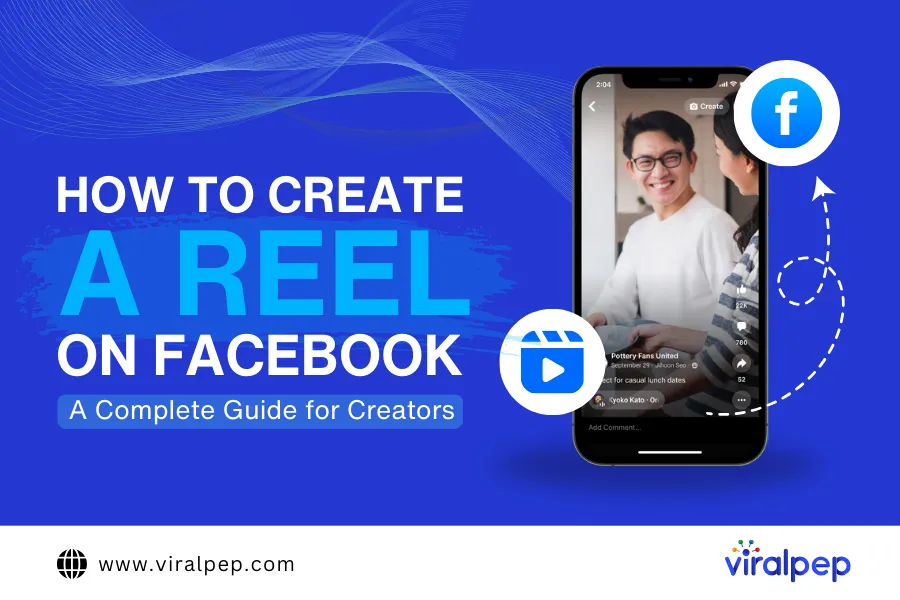
How to Create a Reel on Facebook: A Complete Guide for Creators

Short-form videos are taking over the internet, with platforms like TikTok and Instagram Reels leading the charge. But what about Facebook Reels?

Facebook’s version of short-form video content might have arrived later than its competitors, but it offers a unique advantage for content creators and businesses. With Facebook’s vast user base, Reels can help you reach a broader audience and even repurpose content you’ve already created.

In this guide, we’ll walk you through everything you need to know about Facebook Reels, from creation and optimization to maximizing reach and engagement.

What Are Facebook Reels?

Facebook Reels are short-form vertical videos that can last up to 90 seconds, featuring various creative elements such as music, sound effects, text overlays, and filters. This format is designed for quick consumption and maximum engagement, making it ideal for businesses, influencers, and content creators looking to connect with their audience visually.

Initially launched in the US in September 2021, Facebook Reels expanded globally in 2022 and are now available in over 150 countries. Their increasing popularity has made them an essential tool for brands looking to enhance their social media marketing strategies.

Facebook Reels appear in multiple sections of the platform, ensuring high visibility and discoverability. Users can find Reels in:

  • News Feed – Reels appear as users scroll through their feed, allowing for spontaneous discovery.
  • Facebook Groups – Group members can share Reels, making it easier to explore community-driven content.
  • Dedicated Reels Tab – This section in the main menu features trending and recommended Reels.

Facebook Reels vs. Instagram Reels

Since both platforms are owned by Meta, Facebook and Instagram Reels share several similarities. However, a key difference sets them apart: Facebook Reels reach a broader audience beyond your followers. This distinction makes them an effective tool for brand exposure and audience growth.

On Instagram, Reels are typically seen by your followers or those engaging with similar content, whereas Facebook Reels have the potential to appear in the feeds of users who have never interacted with your content before. This feature makes Facebook Reels an excellent option for businesses looking to expand their reach organically.

Where to Find Facebook Reels

Facebook has strategically placed Reels across various sections of its platform to enhance visibility. Here’s where users can discover them:

  1. News Feed: As users scroll through Facebook, Reels appear in a dedicated section. Tapping on a Reel will initiate a continuous viewing experience with more suggested videos.
  2. Facebook Groups: If a Reel is shared within a group, it will be highlighted under the “Reels” tab, providing easy access to community-driven video content.
  3. Menu Section: The “Reels” button in the main menu allows users to browse trending and recommended Reels, offering more exposure for creators and businesses.

Facebook Reels Video Specs & Requirements

To ensure your Reels are high-quality and optimized for engagement, follow these recommended specifications:

  • Aspect Ratio: 9:16 (Vertical Format)
  • Resolution: 1080p
  • Frame Rate: 24-60 FPS
  • Duration: 3-90 seconds
  • File Size: Up to 1GB
  • Format: MP4

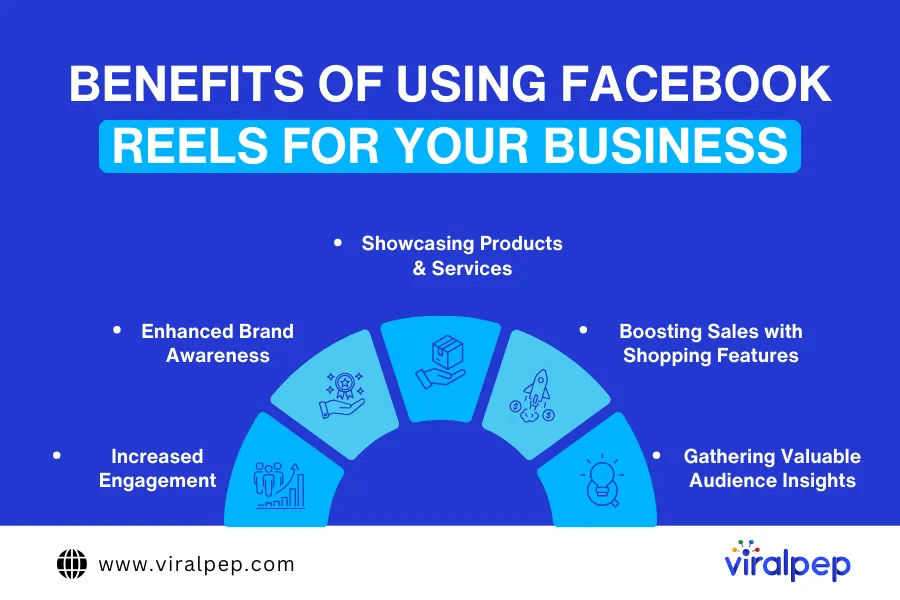
5 Benefits of Using Facebook Reels for Your Business

Facebook Reels have quickly emerged as a powerful tool for businesses to boost facebook engagement, reach a wider audience, and increase brand visibility. With the growing popularity of short-form videos, businesses can leverage Facebook Reels to enhance their marketing strategy.

Benefits of Using Facebook Reels

Here are five key benefits of using Facebook Reels for your business.

  1. Increased Engagement: Short-form videos are inherently more engaging than static posts. Facebook’s algorithm prioritizes Reels, making it easier to gain visibility.
  2. Enhanced Brand Awareness: Reels are shown to a broader audience beyond your followers, helping businesses expand their reach and attract new customers.
  3. Showcasing Products & Services: Demonstrate how your products work, share behind-the-scenes insights, or highlight customer testimonials through engaging video content.
  4. Boosting Sales with Shopping Features: Facebook allows businesses to tag products within Reels, enabling direct purchases and increasing conversions.
  5. Gathering Valuable Audience Insights: Monitor engagement metrics such as likes, shares, and comments to refine your content strategy and create more compelling videos.

Understanding the Facebook Reels Algorithm

Facebook’s algorithm prioritizes content that is engaging, high-quality, and original. To maximize your reach, focus on:

  • Creating Entertaining & Valuable Content: Videos that evoke emotions, educate, or entertain perform better.
  • Encouraging Engagement: The more likes, comments, shares, and watch time your video receives, the higher it ranks in the algorithm.
  • Leveraging Trends: Incorporate trending audio, hashtags, and topics to increase discoverability.

To maximize visibility, focus on storytelling, humor, educational content, and trending topics.

How to Create a Facebook Reel in 6 Simple Steps

Facebook Reels have become a powerful way for businesses, influencers, and content creators to engage audiences with short, dynamic videos. Whether you want to showcase products, share behind-the-scenes content, or entertain viewers, creating a Facebook Reel is simple and highly effective. Follow these six easy steps to create engaging and high-quality Facebook Reels.

  • Step 1: Open Facebook & Log in to Your Business or Personal Account

    To start creating a Facebook Reel, ensure you are logged into your Facebook account. If you are managing a business page, switch to your business profile to access additional features, such as audience insights and engagement tracking.

    Once logged in, navigate to your home feed or the Reels section in the menu. Facebook offers an easy-to-use interface that allows both personal and business accounts to create Reels effortlessly.

  • Step 2: Tap on “Create Reel”

    In the Facebook app, locate the “Reels” section in the main menu or your home feed. Tap the “Create Reel” button to start the process.

    If you don’t see the option, ensure your Facebook app is updated to the latest version, as Meta frequently introduces new features and updates.

  • Step 3: Select or Record a Video

    Facebook allows you to either upload pre-recorded clips or record a video directly within the app. When selecting a video, keep the following best practices in mind:

    • Duration: Facebook Reels can be between 3 to 90 seconds long.
    • Aspect Ratio: Use a 9:16 vertical format for the best viewing experience.
    • Resolution: Upload videos in 1080p HD quality to ensure crisp visuals.

    If recording within the app, you can start and stop multiple times, allowing you to create seamless transitions and more engaging content.

  • Step 4: Edit Your Video

    Editing plays a crucial role in making your Facebook Reel stand out. Facebook provides built-in tools to enhance your video, including:

    • Music & Sound Effects: Add trending music or original sound to make your content more engaging.
    • Text & Captions: Include overlays and captions to highlight important messages.
    • Filters & Effects: Apply visual enhancements, such as color filters, speed adjustments, and AR effects.
    • Trimming & Rearranging: Cut unnecessary parts and reorder clips for a more dynamic flow.

    Spending a little extra time on editing can significantly improve the quality and engagement of your Reels.

  • Step 5: Add a Caption & Optimize for Reach

    Before publishing, optimize your Reel by adding a compelling caption and relevant hashtags. This helps your content get discovered by a broader audience. Key optimization tips include:

    • Use Trending Hashtags: Incorporate popular and niche-specific hashtags to increase visibility.
    • Geotag Your Location: Tagging locations can help boost local reach.
    • Tag Collaborators & Pages: Engage with influencers and brands by tagging them.
    • Add a Call-to-Action (CTA): Encourage viewers to like, comment, share, or visit your website.
  • Step 6: Publish or Schedule Your Reel

    Once your Reel is finalized, you have two options:

    • Publish Immediately: Tap the “Share” button to post your Reel instantly.
    • Schedule for Later: Use Facebook’s scheduling tool or third-party tools like Viralpep to post at optimal times when your audience is most active.

    By scheduling Reels strategically, you can maintain consistency and maximize engagement.

Top 3 Tips for Creating High-Performing Facebook Reels

Facebook Reels have emerged as a powerful tool for businesses, influencers, and content creators to engage audiences and boost visibility. To make your Reels stand out and maximize their impact, you need a solid content strategy. Here are the top tips for creating high-performing Facebook Reels that drive engagement and reach a broader audience.

  1. Create Attention-Grabbing Content in the First Few Seconds

    With the short-form video format, first impressions matter. The initial 3–5 seconds of your Reel should be captivating enough to hook viewers instantly. Start with eye-catching visuals, a compelling question, or an intriguing statement. This keeps users watching and signals to the Facebook algorithm that your content is engaging.

    Additionally, adding bold text overlays and expressive gestures can enhance the visual appeal. Since most users watch videos on mute, consider using captions to ensure accessibility and retain viewer interest.

  2. Use Trending Music and Sound Effects

    Facebook’s algorithm prioritizes Reels that incorporate trending music and sound effects. The platform provides an extensive library of audio tracks, making it easy to add popular sounds that align with your content. Using trending audio increases discoverability, as users who engage with a specific sound are more likely to see Reels featuring the same track.

    If you’re showcasing your brand, consider blending trending audio with an original voiceover to maintain authenticity while still leveraging popular trends.

  3. Optimize Video Quality and Format

    High-quality videos perform better on Facebook Reels. Follow these essential specifications to ensure optimal playback:

    • Aspect Ratio: 9:16 (Vertical format)
    • Resolution: 1080p or higher
    • Frame Rate: 24–60 FPS
    • Duration: 3–90 seconds
    • File Size: Up to 1GB

    Avoid blurry, pixelated, or poorly lit videos, as they can negatively impact engagement and reach. Well-lit visuals, vibrant colors, and smooth transitions can make your Reels more appealing and professional.

  4. Post at the Right Time for Maximum Engagement

    Posting your Reels when your audience is most active can significantly boost visibility and engagement. Analyze your Facebook Insights to determine peak hours and schedule your content accordingly. In general, the best times to post on Facebook are:

    • Weekdays: 12 PM – 3 PM (Lunch breaks) and 7 PM – 9 PM (After work hours)
    • Weekends: 10 AM – 12 PM (Morning engagement window)

    Using a social media scheduling tool like Viralpep can help automate your posting schedule for optimal engagement.

  5. Include Clear Calls-to-Action (CTAs)

    A well-crafted call-to-action (CTA) encourages viewers to engage with your content. Whether you want users to like, comment, share, or visit your website, make your CTA clear and compelling. Examples include:

    • “Follow for more tips!”
    • “Tag a friend who needs to see this!”
    • “Click the link in the bio to learn more!”
    • “Comment below with your thoughts!”

    You can incorporate CTAs within the video, in text overlays, or in the caption to maximize audience interaction.

  6. Leverage Facebook Reels Analytics

    Tracking the performance of your Reels is crucial to refining your strategy. Facebook Reels Insights provide valuable data on metrics such as views, watch time, engagement rates, and audience demographics. Regularly reviewing these analytics helps identify what type of content resonates best with your audience, allowing you to optimize future Reels for higher performance.

  7. Stay Consistent and Experiment with Different Styles

    Consistency is key to building an engaged audience. Posting regularly keeps your content visible and strengthens your brand presence. Try different Reel formats, such as:

    • Educational content (quick tips, tutorials)
    • Behind-the-scenes clips
    • Customer testimonials
    • Product showcases
    • Fun challenges and trends

    Experimenting with different styles helps identify what works best for your audience and ensures your content remains fresh and engaging.

Boost Your Facebook Reels Strategy with Viralpep

Managing social media content can be time-consuming, but Viralpep simplifies the process by allowing you to:

  • Schedule and automate posts for optimal engagement
  • Track performance analytics to refine your strategy
  • Engage with your audience in real time

Conclusion

Facebook Reels have become a game-changer for content creators and businesses looking to expand their reach. By following best practices and leveraging tools like Viralpep, you can maximize engagement, increase brand awareness, and drive sales.

Take your Facebook Reels strategy to the next level start using Viralpep today!

The Ultimate Guide to AI-Powered Content Marketing: Tools, Benefits, and Best Practices

In the fast-paced world of content marketing, staying ahead of the competition is essential. From market research and content creation to SEO optimization and distribution, managing these tasks efficiently can be overwhelming. Falling behind means losing opportunities to competitors who leverage the latest technology. This is where AI-powered content marketing tools come in, revolutionizing the way marketers create, manage, and optimize content.

Powered by artificial intelligence, these tools bring automation, speed, and precision, making content marketing more effective than ever. AI can help streamline workflow, enhance content quality, and provide valuable insights to boost engagement and conversions.

In this guide, we’ll explore the top three benefits of AI in content marketing and introduce 11 must-have AI tools to optimize your marketing strategy in 2024.

What is AI Content Marketing?

AI content marketing refers to the integration of artificial intelligence technologies in content creation, optimization, distribution, and analysis. AI tools use machine learning algorithms and natural language processing (NLP) to help marketers automate tasks, generate ideas, improve SEO, and personalize content for target audiences. These AI-driven tools assist in various aspects of content marketing, such as:

  • Content Generation: AI can produce high-quality blog posts, social media captions, and video scripts in seconds.
  • SEO Optimization: AI tools help identify high-performing keywords, optimize content, and track rankings.
  • Personalization: AI enables marketers to tailor content based on audience preferences and behavior.
  • Data Analysis: AI tools analyze customer interactions and content performance to provide actionable insights.

By leveraging AI, businesses can enhance content quality, predict consumer behavior, and maximize engagement with data-driven strategies. AI tools are designed to complement human creativity, allowing marketers to focus on strategy while automating repetitive tasks.

Three Biggest Advantages of Using AI for Content Marketing

If you are involved in content marketing, AI tools can help you simplify your workflow, save time, and increase your impact. Whether you are a writer, digital marketer, social media manager, or business owner, AI-powered solutions can be a valuable asset to your marketing efforts. Here are 3 biggest advantages of using AI for content marketing.

  1. Enhanced Content Quality and SEO Optimization

    AI-driven tools can analyze vast amounts of data to suggest trending topics, optimize keywords, and refine content for better readability and engagement. These tools help ensure that every piece of content is search engine-friendly, improving visibility and ranking.

    Key Benefits

    • Automated keyword research for SEO-friendly content
    • AI-generated topic suggestions based on audience interests
    • Content optimization for readability and engagement

    With AI-powered keyword research, content marketers can stay ahead of the competition and ensure their content reaches the right audience.

  2. Increased Productivity and Time-Saving Automation

    AI allows marketers to automate tedious tasks like social media scheduling, content editing, and performance tracking. This frees up valuable time for strategic planning and creative content development.

    Key Benefits

    • Automates scheduling and publishing of content
    • Speeds up content creation and editing processes
    • Reduces manual effort with AI-powered insights
  3. Better Audience Targeting and Personalization

    AI helps businesses understand consumer behavior and tailor content accordingly. Personalized recommendations, automated audience segmentation, and AI-driven analytics ensure content reaches the right audience at the right time.

    Key Benefits

    • AI-driven customer insights for targeted marketing
    • Personalization of content based on user preferences
    • Improved engagement through tailored messaging

11 AI Tools to Streamline Your Content Marketing Workflow

AI-driven tools have become essential for marketers looking to enhance efficiency, accuracy, and engagement. Below are some of the best AI content marketing tools that are transforming the industry and optimizing workflows.

  1. AI Tools for Content Creation and Editing

    • ChatGPT by OpenAI

      ChatGPT is an advanced AI model designed to generate human-like text, making it ideal for content creation. It can help with blog posts, social media copy, and even email marketing.

      Use Cases:

      • Creating blog content, scripts, and marketing copy
      • Generating creative writing and story ideas
      • Brainstorming social media captions

      Not ideal for:

      • Industry-specific technical writing requiring deep expertise
      • Content that needs up-to-date news or real-time trends

      Pricing: Free and paid subscription tiers available.

    • Jasper.ai

      Jasper.ai is an AI writing assistant that helps generate high-quality marketing content. It specializes in creating persuasive copy and engaging blog posts.

      Use Cases:

      • Writing ad copy and email campaigns
      • Generating SEO-friendly blog posts
      • Automating content ideation

      Pricing: Paid plans tailored to different content creation needs.

    • Grammarly

      Grammarly is an AI-powered tool that improves grammar, punctuation, and style in writing. It ensures that content is polished and error-free.

      Use Cases:

      • Enhancing readability and tone
      • Checking for plagiarism
      • Improving writing clarity and engagement

      Pricing: Free basic version with premium plans for advanced features.

    • Plagiarismdetector.net

      Plagiarismdetector.net offers a free paraphrasing tool that is an AI-powered solution, helping users paraphrase text while maintaining its original meaning. It’s designed to improve sentence structure, enhance readability, and make content unique for different use cases.

      Use Cases:

      • Rephrasing academic papers and essays.

      • Refreshing blog posts and website content.

      • Generating alternative versions of marketing copy.

      Not ideal for:

      • Producing entirely new ideas from scratch.

      • Highly technical or research-based writing that requires subject expertise.

      Pricing: Free of cost

  2. AI Tools for Content Distribution

    • Viralpep

      Viralpep is a powerful social media management platform that helps brands schedule, manage, and distribute content across multiple channels effortlessly.

      Use Cases:

      • Automating social media post scheduling
      • Managing content across various digital channels
      • Tracking content performance with analytics

      Pricing: Paid plans based on business needs.

    • Buffer

      Buffer is a social media management tool that helps schedule and analyze posts across different platforms, ensuring consistent engagement.

      Use Cases:

      • Scheduling posts across multiple social media channels
      • Tracking engagement metrics and analytics
      • Collaborating with teams on content strategy

      Pricing: Free and paid subscription plans available.

    • ContentStudio

      ContentStudio simplifies content discovery, scheduling, and social media management, making it a great tool for marketers looking to optimize their online presence.

      Use Cases:

      • Discovering trending topics and relevant content
      • Managing social media automation and publishing
      • Monitoring brand mentions and audience engagement

      Pricing: Paid plans with different tiers.

  3. AI Tools for SEO and Keyword Research

    • Ahrefs

      Ahrefs provides comprehensive SEO analysis, including keyword research, backlink tracking, and competitive analysis.

      Use Cases:

      • Conducting keyword research for SEO optimization
      • Tracking backlinks and domain authority
      • Analyzing competitor SEO strategies

      Pricing: Paid subscription plans available.

    • SEMrush

      SEMrush is an all-in-one digital marketing tool that provides insights into SEO, PPC, content marketing, and social media performance.

      Use Cases:

      • Conducting competitive analysis and keyword research
      • Optimizing content for higher search rankings
      • Tracking website performance metrics

      Pricing: Free and premium subscription options.

    • Ubersuggest

      Ubersuggest, developed by Neil Patel, offers free SEO tools for keyword research, backlink analysis, and site audits.

      Use Cases:

      • Generating keyword ideas and content topics
      • Conducting basic SEO analysis
      • Tracking website rankings and improvements

      Pricing: Free version with additional paid features.

  4. AI Tools for Social Media and Visual Content Creation

    • Lumen5

      Lumen5 is an AI-powered video creation tool that transforms blog posts and text-based content into engaging videos.

      Use Cases:

      • Converting articles into social media videos
      • Creating branded video content for marketing
      • Automating video editing and production

      Pricing: Free and premium subscription plans.

    • Canva

      Canva is a graphic design tool that leverages AI to create stunning visual content for marketing purposes.

      Use Cases:

      • Designing social media graphics and presentations
      • Customizing templates for marketing campaigns
      • Collaborating with teams on creative projects

      Pricing: Free with paid Pro plans.

AI Content Marketing Statistics for 2025

  • 80% of marketers believe that AI will significantly improve content marketing strategies by 2025.
  • AI-generated content is projected to account for over 30% of all marketing content by 2025.
  • Brands using AI-powered SEO tools have seen a 40% increase in organic traffic compared to manual SEO strategies.
  • AI-driven personalization has been shown to increase customer engagement rates by 60%..

Common Content Marketing Mistakes Made with AI

  1. Over-relying on AI Without Human Input – AI-generated content still requires human review to ensure quality, accuracy, and brand alignment.
  2. Ignoring SEO Best Practices – AI tools enhance SEO, but content should always be optimized using proper keyword strategies and search intent.
  3. Using AI Without Understanding the Target Audience – AI insights are valuable, but marketers must align content with audience needs and preferences.
  4. Focusing Only on Automation Without Creativity – AI tools streamline processes, but creativity and storytelling remain crucial for audience engagement.

Final Thoughts

AI-powered tools like Viralpep are revolutionizing content marketing by automating tedious tasks, optimizing content for SEO, and enhancing engagement across digital platforms. Whether you’re a content marketer, social media manager, or business owner, integrating AI into your strategy can improve efficiency, boost audience reach, and drive better results.

As AI continues to evolve, marketers who leverage its power will stay ahead of the competition and create more impactful content. Ready to take your content marketing to the next level? Start integrating AI tools like Viralpep into your workflow today!

The Best Time to Post on LinkedIn for Maximum Reach

Since its launch in 2002, LinkedIn has transformed from a simple job-searching platform into a powerful brand-building tool. Today, it serves as a hub for professionals, businesses, and industry leaders to share insights, network, and establish their thought leadership.

Statistics reveal that 91% of executives rank LinkedIn as their top choice for consuming professionally relevant content. With over 1 billion active members and 67 million companies vying for attention, standing out on LinkedIn requires more than just well-crafted posts. One crucial factor that determines the success of your LinkedIn content is timing—posting at the right time can significantly boost engagement and visibility.

However, finding the best time to post on LinkedIn isn’t always straightforward. Fortunately, after analyzing data from over 50,000+ LinkedIn accounts, we have identified the optimal posting times that can help you enhance your LinkedIn marketing strategy. In this blog, we’ll explore the best times to post on LinkedIn, backed by data and expert insights from Viralpep.

Why Timing Matters on LinkedIn

You might have written an engaging LinkedIn post with trending hashtags, but if you post it at the wrong time, it might not receive the attention it deserves. LinkedIn’s algorithm prioritizes content with high engagement—likes, comments, shares, and reposts. The more engagement a post receives, the more likely it is to be visible in other users’ feeds.

To maximize impressions and engagement, scheduling your LinkedIn posts strategically is essential. Posting at the right time ensures your content reaches your audience when they are most active, increasing the likelihood of meaningful interactions.

What is the Best Time to Post on LinkedIn?

The ideal time to post on LinkedIn depends on various factors, including the day of the week, geographic location, audience demographics, and user behavior. Just like any other social media platform, there are peak hours when engagement is high and off-peak times when your post might get lost in the feed.

While there’s no universal formula for success, industry trends and user activity patterns suggest that certain days and times yield better visibility and interaction. Understanding these trends can help you maximize your reach and engagement.

  • General Best Posting Times on LinkedIn

    Based on the analysis of over 50,000+ LinkedIn accounts, the best engagement occurs between 10 AM and 12 PM on Tuesday, Wednesday, and Thursday. However, here’s a more detailed breakdown of the best times to post on LinkedIn throughout the week:

    • Monday: 9 AM, 2 PM, 4 PM
    • Tuesday: 12 PM, 2 PM, 4 PM
    • Wednesday: 10 AM, 12 PM, 2 PM
    • Thursday: 10 AM, 2 PM, 4 PM
    • Friday: 8 AM, 1 PM, 3 PM
    • Saturday: 4 AM – 7 AM
    • Sunday: 8 AM – 2 PM

Best Times to Post on LinkedIn by Day

Want to maximize engagement and visibility on LinkedIn? Posting at the right time can help you connect with professionals when they’re most active. Here’s a breakdown of the best times to post each day:

  • Best Time to Post on LinkedIn on Monday

    9 AM, 2 PM, 4 PM

    Monday mornings are when professionals settle into their workweek, check emails, and look for industry updates. Posting at these times ensures your content catches their attention during their breaks.

  • Best Time to Post on LinkedIn on Tuesday

    12 PM, 2 PM, 4 PM

    By midday Tuesday, professionals are actively browsing LinkedIn for fresh content and motivation. Posting at these peak hours helps your insights reach a highly engaged audience.

  • Best Time to Post on LinkedIn on Wednesday

    10 AM, 12 PM, 2 PM

    Lunchtime and early afternoon are prime times for LinkedIn activity. Professionals take a break and catch up on industry news, making this the perfect window to share your content.

  • Best Time to Post on LinkedIn on Thursday

    10 AM, 2 PM, 4 PM

    Thursday afternoons are ideal for engagement as people wrap up tasks and seek valuable insights. Posting during these hours helps you connect with professionals during their breaks.

  • Best Time to Post on LinkedIn on Friday

    8 AM, 1 PM, 3 PM

    As the weekend approaches, professionals check LinkedIn early to stay updated before winding down. Posting at these times helps your content reach those reflecting on their week’s achievements.

  • Best Time to Post on LinkedIn on Saturday

    4 AM – 7 AM

    Entrepreneurs and early risers often check LinkedIn before starting their day. Posting in the early morning hours increases the chance of engaging this focused audience.

  • Best Time to Post on LinkedIn on Sunday

    8 AM – 2 PM

    Sunday is a time for planning and preparation. Many professionals browse LinkedIn to get a head start on the upcoming week, making this a great time to share content that offers insights and inspiration.

    By posting at these strategic times, you can increase engagement, boost visibility, and make a lasting impact on LinkedIn. Happy posting!

Best Times to Post on LinkedIn by Industry

Different industries have unique audience behaviors, meaning the best posting times may vary. Here’s when you should post based on your industry:

  • Technology & Software: Tuesday to Thursday, 9:00 AM – 11:00 AM
  • Healthcare & Pharmaceuticals: Wednesday, 8:00 AM – 10:00 AM; Thursday, 2:00 PM – 4:00 PM
  • Finance & Banking: Tuesday & Wednesday, 7:00 AM – 11:00 AM
  • Education & Nonprofits: Monday & Wednesday, 10:00 AM – 12:00 PM
  • Marketing & Advertising: Tuesday to Thursday, 9:00 AM – 12:00 PM
  • Manufacturing & Construction: Tuesday & Wednesday, 8:00 AM – 9:00 AM
  • Retail & E-commerce: Wednesday, 9:00 AM – 11:00 AM
  • Human Resources & Recruitment: Tuesday & Thursday, 10:00 AM – 12:00 PM
  • Legal & Consulting: Tuesday & Thursday, 9:00 AM – 11:00 AM
  • Travel & Hospitality: Tuesday to Thursday, 10 AM – 4 PM

By following these industry-specific insights, you can better target your LinkedIn audience and maximize engagement.

How to Identify Your Best Posting Times on LinkedIn

While general recommendations provide a solid starting point, the best way to determine your optimal posting time is through data analysis. Here’s how you can pinpoint the best time to post on LinkedIn for your audience:

  1. Use LinkedIn Analytics

    LinkedIn’s built-in analytics tool provides valuable insights into your post performance. By analyzing your past content’s engagement metrics, you can identify patterns and adjust your posting schedule accordingly.

  2. Track Engagement Manually

    If you prefer a more hands-on approach, maintain a LinkedIn engagement tracking spreadsheet. Record the date, time, and engagement levels (likes, comments, shares) of each post to determine which time slots yield the best results.

  3. Leverage Viralpep’s Scheduling & Analytics Features

    While LinkedIn provides basic analytics, third-party social media tools like Viralpep can offer advanced insights and automated scheduling to help optimize your LinkedIn posting strategy. Viralpep’s AI-powered features analyze engagement trends and suggest the best posting times to maximize visibility and interaction.

Maximize LinkedIn Engagement with Viralpep

Understanding the best times to post on LinkedIn is only the first step. To truly enhance your social media strategy, you need a tool that helps you schedule posts efficiently, analyze audience engagement, and adapt to changing trends.

With Viralpep, you can:

  • Automate LinkedIn post scheduling to ensure your content is published at optimal times.
  • Analyze engagement trends to refine your LinkedIn marketing strategy.
  • Utilize AI-driven insights for smarter content planning and distribution.
  • Monitor industry conversations to stay ahead of competitors and engage with trending topics.

Final Thoughts

Optimizing your LinkedIn posting schedule can significantly boost your content’s reach, visibility, and engagement. While general time slots provide a solid starting point, analyzing your audience’s behavior and using tools like Viralpep can help you find the best posting times tailored to your brand.

Are you ready to supercharge your LinkedIn marketing strategy? Start scheduling smarter with Viralpep today!

How to Repost on Instagram: A Complete Step-by-Step Guide

Instagram is one of the largest social media platforms in the world, making it an essential tool for businesses and individuals looking to boost their online presence. A crucial part of Instagram marketing involves reposting content, which allows you to share relevant and engaging posts with your audience. But how exactly do you repost on Instagram?

Unlike some social media platforms that offer built-in sharing options, Instagram does not have a native “repost” button for feed posts. However, there are several ways to share content, whether it’s a Story, a feed post, or a Reel. If you’re new to reposting on Instagram, don’t worry—it’s easier than it seems. This comprehensive guide will walk you through different reposting methods and best practices.

Why Reposting on Instagram is Important

Reposting is a valuable social media strategy for businesses, brands, and content creators. Here’s why it matters:

  1. Boosts Engagement: Sharing user-generated content encourages audience interaction and strengthens brand loyalty.
  2. Increases Visibility: Reposting relevant content can expose your brand to a wider audience and improve your reach.
  3. Saves Time: Instead of creating fresh content daily, reposting helps you maintain an active presence with less effort.
  4. Encourages Community Growth: Featuring customer photos, collaborations, or brand mentions strengthens relationships with your audience.
  5. Leverages Viral Content: If a post is already performing well, reposting it allows you to capitalize on its success.

Now, let’s explore the different ways to repost on Instagram.

How to Repost an Instagram Story

Reposting Instagram Stories can be beneficial for businesses and individuals who want to engage with their audience, highlight user-generated content, or promote an event. There are a few different ways to do this, depending on whether or not you’ve been tagged in the Story.

  • Reposting a Story You’re Tagged In

    When someone tags you in their Instagram Story, Instagram makes it simple to repost the Story to your own account. Here’s how:

    1. Check Your Notifications: You will receive a direct message (DM) notifying you that you’ve been tagged in a Story.
    2. Tap “Add to Your Story”: In the message, there will be an option to share the Story directly to your own Story.
    3. Customize Your Story: You can add stickers, GIFs, text, and even mention the original poster before publishing it.
    4. Tap “Your Stories”: Once you’re happy with the customization, click the “Your Stories” button to share it with your followers.

    If the “Add to Your Story” option is missing, it means the original poster has disabled sharing.

  • Reposting a Story You’re Not Tagged In

    If you aren’t tagged in a Story but still want to share it, Instagram’s native features won’t allow you to repost it directly. However, you can still do so using these methods:

    1. Take a Screenshot: Open the Story, press and hold your screen to hide the Instagram UI elements, and take a screenshot.
    2. Crop the Image: Edit the screenshot to remove any unnecessary parts.
    3. Post the Image as a New Story: Open Instagram, start a new Story, and upload the edited screenshot.
    4. Tag the Original Creator: Give credit by tagging the original poster in your Story.

    Alternatively, you can use third-party apps like Repost Stories for Instagram to download stories and repost Stories.

How to Share Someone Else’s Instagram Post to Your Story

Sometimes, you may want to share an interesting feed post or Reel to your Story. Here’s how you can do that:

  1. Find the Post You Want to Share: Scroll through your feed or search for a post that aligns with your brand.
  2. Tap the Paper Airplane Icon: Below the post, you’ll find a small paper airplane icon (next to the like and comment icons).
  3. Select “Add to Your Story”: This will open the Story creation interface.
  4. Customize the Story: Move the post, add text, stickers, or GIFs as needed.
  5. Tap “Your Stories”: Once ready, share it with your followers.
  • Why Can’t I Share a Post to My Story?

    If you don’t see the “Add to Your Story” option, it could be due to one of these reasons:

    • The account that posted it is private (you can only share posts from public accounts).
    • The user has disabled post sharing to Stories.
    • Your Instagram app is not updated to the latest version.

How to Repost an Instagram Post to Your Feed

Reposting feed posts can help extend the lifespan of valuable content and boost engagement. However, Instagram doesn’t offer a built-in way to do this. Here are some methods to repost content to your feed.

  • Reposting Your Own Instagram Post

    There are multiple reasons you might want to repost your own content—perhaps an old post is still relevant, or you want to bring more attention to a particular product or announcement.

    1. Take a Screenshot of the Original Post: Open your Instagram profile and take a screenshot of the post.
    2. Crop the Image: Edit the screenshot to focus only on the photo.
    3. Create a New Post: Open Instagram, tap the “+” icon, and upload the cropped screenshot.
    4. Write a New Caption: You can either reuse the original caption or modify it to reflect current updates.
    5. Post It: Once you’re satisfied with the caption and tags, share it with your followers.
  • Reposting Someone Else’s Post Using Third-Party Apps

    There are several apps that allow you to easily repost Instagram posts while giving credit to the original creator. Some popular apps include:

    • Repost for Instagram
    • InstaRepost
    • Regram App

    Here’s how to use these apps:

    1. Copy the Post’s Link: Tap the three dots on the post and select “Copy Link.”
    2. Open the Repost App: The app will detect the copied link and allow you to repost the content.
    3. Customize the Post: Most apps let you add attribution (credit to the original creator) and customize the post.
    4. Repost to Instagram: Share the post as you normally would.

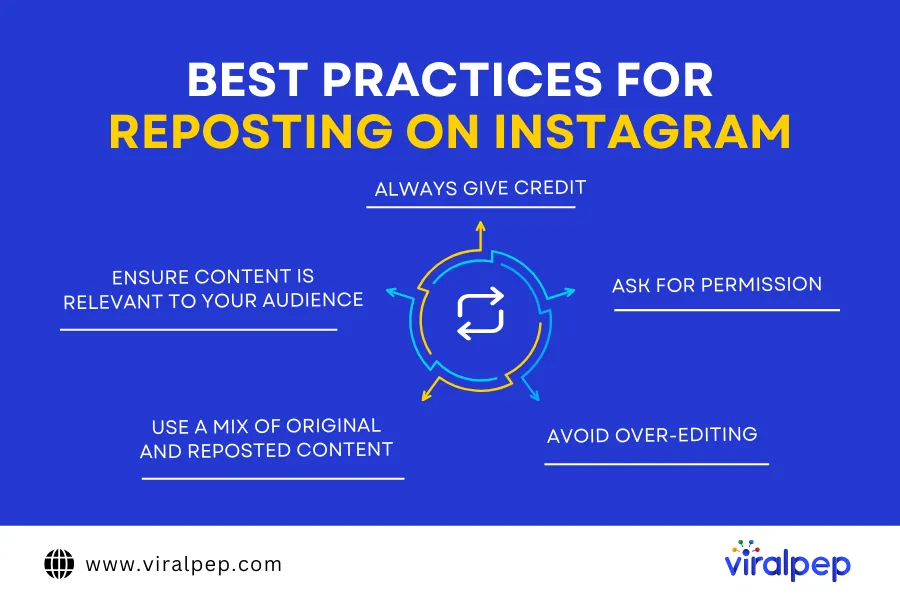
Best Practices for Reposting on Instagram

Reposting content can be a great strategy for engaging with your audience, but it’s important to do it properly.

Best Practices for Reposting on Instagram

Here are some best practices to follow:

  1. Always Give Credit

    Instagram’s policies state that the original photographer owns the rights to their photos. Always tag and mention the original poster in your caption or Story.

  2. Ask for Permission

    If you’re reposting a feed post, always ask for permission first. You can:

    • Comment on the post asking if you can repost it.
    • Send a direct message to the original creator.
    • Look for user-generated content under Instagram hashtags and reach out before sharing.
  3. Avoid Over-Editing

    Try to keep the reposted content as close to the original as possible. Over-editing or cropping can take away from the creator’s intent.

  4. Use a Mix of Original and Reposted Content

    A balanced feed is key. If your Instagram feed is only made up of reposted content, it might not reflect your brand’s unique voice.

  5. Ensure Content is Relevant to Your Audience

    Repost content that adds value to your followers. If it doesn’t align with your brand or niche, it may not perform well.

Final Thoughts

Reposting on Instagram is a powerful way to engage with your audience, highlight valuable content, and strengthen relationships with influencers or brands. Whether you’re sharing Stories, feed posts, or Reels, following best practices ensures you maintain credibility while expanding your reach.

Now that you know how to repost Instagram Stories, posts, and Reels, start experimenting with these techniques to enhance your social media strategy!

How to Add a Link in an Instagram Story: A Comprehensive Guide

Learn exactly how to add a link in an instagram story to boost your engagement and drive traffic. Instagram has made it easier than ever to add links to stories with link stickers, available to all users. While these stickers are a great way to drive traffic to your website, they may not be the most intuitive to use. For those wondering how to add a link to instagram story, this guide has you covered.

This article will also show you the best practices for a link in instagram story, ensuring maximum visibility. Continue reading to understand how to add a link in an instagram story and effectively convert viewers into visitors.

What is an Instagram Link Sticker?

A link sticker is an interactive element that allows you to add an active link to your Instagram story. It appears as a sticker with a link icon and a shortened URL, making it easy for users to tap and visit your website. Link stickers exemplify how to add a link in an instagram story in a seamless and interactive manner.

Instagram stories offer various stickers, including static images, GIFs, and interactive polls. However, when it comes to link stickers, you can only add one per story image or reel. The good news is that you can customize the text to make the link more engaging.

For instance, if your link points to a longer URL (e.g., https://www.viralpep.com/blog/instagram-story-downloader/), the sticker will only display the domain. When users tap the sticker, they’ll be directed to the full link.

Previously, Instagram required accounts to have 10,000 followers or be verified to use link stickers. Now, this feature is available to all users. However, if your account violates Instagram’s community guidelines (such as posting inappropriate content), you may temporarily lose access to link stickers.

Why Use Instagram Link Stickers?

Instagram stories don’t just keep users scrolling—they’re a powerful tool for engagement and business growth. Link stickers help you:

  • Drive traffic to your website.
  • Boost sales by linking directly to product pages.
  • Promote content like newsletters and podcasts.
  • Encourage engagement with clear calls to action.
  • Maintain brand consistency with customizable sticker designs.
  • Improve user experience by reducing the steps to take action.

Understanding how to add a link in an instagram story can significantly enhance your marketing efforts.

How to Add a Link Sticker to Instagram Story

Follow the steps below to learn how to add a link in an instagram story effortlessly:Follow the steps below to learn how to add a link in an instagram story effortlessly:

  1. Step 1: Open the Story Creator

    Tap your profile image in the top-left corner of your Instagram home screen or profile page. You can also swipe right from the home screen to open the story creator.

  2. Step 2: Choose an Image or Video

    Capture a new photo/video using the camera button or swipe up to select from your gallery. Adjust the media as needed.

  3. Step 3: Open the Sticker Menu

    Tap the sticker icon (a small square with a smiley face) in the top-right corner.

    Open the Sticker Menu

  4. Step 4: Select the Link Sticker

    Find the link sticker in the menu (it has a link icon and the word “Link”). If it’s not visible, use the search bar to find it.

  5. Step 5: Add Your Link and Customize the Text

    When you tap the link sticker, you’ll see two fields:

    1. URL Field – Enter the full link.
    2. Custom Text Field (Optional) – Customize the sticker text to make it more engaging.

    Once done, tap “Done” and position the sticker on your story.

    Add Link and Customize the Text

These steps outline not only how to add a link in an instagram story but also how to put a link in instagram stories for a smooth user experience. Once done, tap “Done” and position the sticker on your story.

How to Enhance Your Instagram Link Sticker Design

Link stickers aren’t just functional; they can be customized to enhance your story’s appeal.

  • Customizing Sticker Text

    By default, the link sticker displays the domain name. However, this may not be compelling enough. Instead, use the “Customize Sticker Text” option to create an engaging call to action (up to 46 characters).

    To do this:

    1. Tap the link sticker before placing it in your story.
    2. Select “Customize Sticker Text” and enter your desired text.
    3. Tap “Done” to finalize.
  • Changing Sticker Colors

    You can modify the text color to match your brand or make it stand out. There are two ways to do this:

    • Tap the sticker multiple times to cycle through default color options (blue, white, black with a pink icon).
    • Hold and drag the sticker to the color selector tool to match any color in your background image.
  • Creating a Custom Link Sticker

    For a more branded look, you can overlay a custom text or image on your link sticker. Here’s how:

    For a Custom Text Overlay:

    1. Place your link sticker on the story.
    2. Tap the text icon and type your custom text (e.g., “Read More!”).
    3. Adjust the font, size, and color.
    4. Drag the text over the link sticker to create a seamless look.

    For a Custom Image Overlay:

    1. Design a custom sticker in Canva or another graphics editor.
    2. Save the image to your phone.
    3. Add the image to your Instagram story and place it over the link sticker.
  • Best Practices for Link Sticker Placement

    Strategic placement of your link sticker can improve click-through rates and engagement. Follow these tips:

    • Position the link in a visible spot without covering key story elements.
    • Keep branding consistent—avoid overly large or distracting stickers.
    • Ensure the sticker is large enough to tap easily.
    • Avoid placing it near Instagram’s interface buttons, which may make it harder to click.

Effective Uses of Instagram Link Stickers

Instagram stories are more than just temporary posts—they’re a direct gateway to boosting your engagement and conversions. When you know how to add a link in an instagram story effectively, you unlock a world of marketing potential.By strategically using link stickers, you create seamless pathways for your audience to discover products, read blog posts, sign up for newsletters, explore multimedia content, and grab exclusive deals. Below are five dynamic strategies that transform your instagram link in story into a conversion powerhouse:

  1. Promoting Products and Launches

    Leverage link stickers to showcase new product launches or limited-edition items. By adding a link directly to a dedicated landing page or product detail page, you reduce friction in the buying process.

    Use engaging visuals along with a clear call-to-action such as “Shop Now” to drive conversions. This method is especially effective for e-commerce brands looking to maximize impulse purchases and generate buzz around new releases.

  2. Sharing Blog Posts and Articles

    Drive traffic to your content by linking directly to your latest blog posts or articles. This strategy not only increases readership but also enhances your SEO by encouraging longer session times on your website. Consider using intriguing teaser text in your story along with a swipe-up call-to-action (or a tapable link sticker) that invites followers to “Read More” or “Discover the Full Story.” This way, you transform your Instagram audience into dedicated website visitors.

  3. Driving Newsletter Signups

    Utilize link stickers to boost your email marketing efforts. By directing users to a well-designed sign-up page, you can grow your subscriber base effortlessly. Craft a compelling message like “Join Our Newsletter for Exclusive Tips” to capture interest. An effective signup funnel not only increases your email list but also enables deeper engagement with your audience through regular, personalized content.

  4. Directing Traffic to Podcasts and Videos

    Instagram is an excellent platform for cross-promoting multimedia content. Use link stickers to guide your audience to your latest podcasts, YouTube videos, or other video content platforms. Provide context in your story with a brief description or a teaser clip, encouraging users to tap the sticker and watch or listen to the full episode. This approach is particularly useful for content creators looking to build a multi-platform presence and drive higher engagement across channels.

  5. Running Exclusive Promotions

    Create a sense of urgency and exclusivity by using link stickers for time-sensitive offers, discounts, or flash sales. Promote special deals with a call-to-action like “Grab This Deal Now” or “Limited Time Offer,” which not only drives immediate traffic but also encourages quick conversions. By linking directly to the promotional page, you simplify the user journey and make it easier for gain followers to take advantage of your offers.

Conclusion

Instagram link stickers are a game-changer for driving traffic and engagement. By customizing your sticker text, optimizing its design, and placing it strategically, you can enhance your social media strategy and make the most out of every story.

Using Viralpep, you can schedule, manage, and optimize Instagram content with ease, making it a must-have tool for brands and influencers.

Try Viralpep 15-day free trial today and take your Instagram marketing to the next level!

How to Become a Social Media Manager: A Complete Guide

If you’ve ever wondered how to become a social media manager, you’re in the right place. While platforms and consumer preferences are constantly evolving, core principles remain crucial for building a successful career in social media management.

To gain insights, we interviewed four experienced social media managers about their career paths, the realities of the job, and how aspiring professionals can break into the field—even without prior experience. Here’s what they shared.

What is a Social Media Manager?

A social media manager represents a company across various social channels, acting as the voice of the brand. Their responsibilities include:

  • Monitoring audience engagement
  • Developing and executing campaigns
  • Creating content strategies
  • Providing expert guidance to enhance online presence

The title “social media manager” is often an umbrella term for various roles within the field. Many professionals start as social media coordinators, specialists, or content creators before stepping into a management position.

Why Become a Social Media Manager?

Each individual’s motivation for pursuing social media management varies based on career aspirations and personal fulfillment. Here’s what three professionals had to say about why they chose this path:

  1. Develop Essential Skills

    To succeed, you need a mix of technical and soft skills:

    • Content Creation – Craft engaging posts, captions, and visuals.
    • Analytics & Data Interpretation – Understand insights to optimize strategy.
    • SEO & Hashtag ResearchImprove visibility and engagement.
    • Customer Engagement – Interact with audiences professionally.
    • Graphic Design – Basic skills in Canva or Photoshop.
  2. Gain Experience & Certifications

  3. Build an Online Presence

    • Optimize your LinkedIn profile and showcase your expertise.
    • Start a blog or create a personal brand on Instagram/Twitter.
    • Share case studies and success stories.
  4. Apply for Jobs or Start Freelancing

    • Find opportunities on Indeed, LinkedIn, and Upwork.
    • Pitch your services to small businesses and startups.
    • Use Viralpep’s Social Media Scheduling Tool to streamline client work.
  5. Stay Updated

    • Follow social media news 
    • Join Facebook groups and LinkedIn communities.
    • Experiment with new platform features.

What Do Social Media Managers Do?

A social media manager is responsible for planning, implementing, managing, and monitoring a brand’s social media presence. They ensure that a company’s social channels align with its goals and engage the right audience.

Key Responsibilities of a Social Media Manager

 Let’s dive into the key responsibilities of this dynamic role:

  1. Crafting a Winning Social Media Strategy

    A successful social media manager starts with a solid strategy. This involves setting clear goals, understanding the target audience, and choosing the right platforms for the brand. They create a structured content calendar that ensures consistent posting, engagement, and alignment with business objectives.

    For instance, a company targeting young audiences might focus more on Instagram and TikTok, while a B2B brand might prioritize LinkedIn and Twitter. Understanding platform-specific algorithms and audience behavior is crucial in shaping a winning strategy.

  2. Content Creation and Curation

    Creating engaging content is the foundation of effective social media management. A social media manager must craft visually appealing and compelling content that captures audience attention and drives engagement. Key aspects of content creation include:

    • Writing captivating captions and posts that align with the brand’s voice and messaging.
    • Designing eye-catching graphics and videos to enhance visual appeal.
    • Curating relevant industry news and user-generated content to keep the audience informed and engaged.
    • Maintaining brand consistency across all platforms with a cohesive content strategy.

    To achieve high-quality visuals, social media managers rely on graphic design tools like Canva, Adobe Express, and Photoshop for creating polished graphics. For video editing and short-form content, tools such as CapCut, InShot, and Adobe Premiere Rush are essential. By leveraging these tools, social media managers ensure their content stands out in a competitive digital landscape.

  3. Community Engagement and Growth

    Social media is all about interaction. A social media manager is responsible for engaging with followers by responding to comments, messages, and mentions. They also:

    • Monitor brand reputation and address customer concerns
    • Build relationships with influencers and industry leaders
    • Organize interactive content like polls, Q&A sessions, and giveaways

    By actively engaging with the audience, social media managers help foster a loyal community, which leads to higher brand trust and visibility.

  4. Paid Social Media Advertising

    Organic reach can only take a brand so far, which is why paid advertising is an essential aspect of social media management. Social media managers create and optimize ad campaigns on platforms like Facebook Ads, Instagram Ads, LinkedIn Ads, and Twitter Ads. Their job includes:

    • Defining the target audience and demographics
    • Creating high-converting ad creatives
    • Monitoring and adjusting ad performance to maximize ROI

    A well-planned ad campaign can drive traffic, increase conversions, and boost brand awareness significantly.

  5. Analytics and Performance Tracking

    Data is key to refining social media strategies. Social media managers use analytics tools to track key performance indicators (KPIs) such as engagement rate, click-through rate, follower growth, and conversion rate. Some of the commonly used tools include:

    • Google Analytics
    • Facebook Insights
    • Instagram Analytics

    Regular performance tracking helps in identifying what’s working and what needs improvement, allowing managers to adjust strategies for better results.

  6. Staying Ahead of Trends

    The social media landscape is ever-evolving. Platforms frequently update their algorithms, and new trends emerge constantly. A social media manager must stay updated with:

    • Algorithm changes on platforms like Facebook and Instagram
    • Emerging content formats such as Instagram Reels, YouTube Shorts, and TikTok trends
    • Industry news and competitive strategies

    Keeping up with these changes ensures that a brand remains relevant and continues to engage its audience effectively.

  7. Reputation Management

    Handling customer feedback and managing crises are crucial aspects of social media management. Many professionals use tools to monitor reviews and comments across platforms like Yelp, Google My Business, and TrustPilot.

How to Become a Social Media Manager

If you’re wondering how to become a social media manager, follow these steps:

  1. Step 1: Develop Your Skills

    A social media manager needs a mix of creativity, analytics, and communication skills. To get started:

    • Learn about different social media platforms and their best practices
    • Gain expertise in content creation tools like Canva and Photoshop
    • Understand analytics and performance-tracking tools
  2. Step 2: Gain Experience

    Hands-on experience is crucial. Start by:

    • Managing social media accounts for small businesses or nonprofits
    • Taking up internships in marketing agencies
    • Building your own personal brand on social media
  3. Step 3: Get Certified

    While formal education isn’t mandatory, certifications can give you an edge. Some recommended courses include:

    • HubSpot Social Media Certification
    • Facebook Blueprint Certification
    • Google Digital Marketing Certification
  4. Step 4: Build a Portfolio

    A strong portfolio can help showcase your skills to potential clients or employers. Include:

    • Case studies of successful campaigns
    • Engagement and growth metrics
    • Diverse content formats such as videos, infographics, and blog posts
  5. Step 5: Apply for Jobs or Start Freelancing

    Once you have the right skills and experience, start looking for job opportunities. Some popular platforms for social media jobs include:

    • LinkedIn
    • Upwork
    • Fiverr

    Freelancing is also a great option if you prefer flexibility in your career.

Essential Tools for Social Media Managers

Social media managers rely on various tools to streamline their workflow:

  • Content Creation: Canva, Adobe Spark
  • Scheduling & Management: Viralpep 
  • Analytics: Google Analytics, Social Media Analytics
  • Advertising: Facebook Ads Manager, Google Ads

Challenges Social Media Managers Face (And How to Overcome Them)

  1. Keeping Up with Algorithm Changes

    Social media algorithms are constantly evolving, making it challenging to maintain reach and engagement. Solution:

    • Follow industry blogs and updates
    • Regularly experiment with new content formats
  2. Handling Negative Comments

    Managing negative feedback requires professionalism. Best practices include:

    • Responding politely and offering solutions
    • Avoiding arguments and escalating issues privately
  3. Managing Multiple Platforms

    Juggling several platforms can be overwhelming. To stay organized:

    • Use scheduling tools like Viralpep
    • Prioritize platforms based on target audience engagement

Conclusion

A social media manager plays a crucial role in digital marketing. If you’re ready to become a social media manager, start by learning the skills, gaining experience, and building a portfolio.

Want to streamline your social media management? Try Viralpep today and take your strategy to the next level!