The Power of Niche Marketing: A Look at a Construction SEO Case Study

Standing out online is about speaking directly to those who care most. When brands zero in on a specific group, they forge stronger bonds, attract better-fit visitors, and boost conversions. Focusing on a narrow slice of the market also lets companies shape their messages, resources, and tactics for maximum effect. This clarity not only raises awareness, but also builds loyalty, giving smaller players an edge over broad-appeal rivals.

In addition, tactics like search optimization, tailored write‑ups, local targeting, and sponsored posts work best when you know exactly who you are talking to. Rather than hoping for random clicks, top performers craft campaigns that hit home with their ideal crowd. Getting this right means seeing real growth, elevated reputation, and lasting relationships.

Why Niche Marketing Is Key to Digital Growth

Focusing on a broad audience often waters down your message and wastes effort. Zeroing in on a select group means you can spend time where it counts. You are able to reach people who are ready to engage, buy, and stick around. By truly understanding what the audience wants, brands can further produce content that speaks directly to major pain points and goals.

A tight focus also makes marketing more cost‑effective. Instead of vying for attention in an overstuffed arena, targeted players can claim their corner and often outshine bigger names. Over time, a reputation for expertise becomes a powerful asset, drawing even more interest. Targeted segments also enable faster feedback loops.

When you speak directly to a specific group, responses come quicker and clearer, letting you iterate your messaging or offers in near real-time. This agility accelerates optimization cycles and keeps your marketing fresh. Overall, focusing on a niche streamlines product development. Insights gathered from a tight community guide feature enhancements, new service ideas, and even brand partnerships that resonate deeply.

Essential Digital Marketing Strategies for Niche Success

Develop Audience-Centered Content

Your posts and guides should dig into topics that matter most to your crowd. Step‑by‑step tutorials, detailed how‑tos, and deep‑dive resources position you as the go‑to source. This kind of value not only pulls people in but also encourages shares and repeat visits. Moreover, building a content calendar keyed to audience questions keeps your pipeline full and your readers engaged.

By mapping seasonal trends or common challenges, like “preparing for a home renovation” in spring, help you stay relevant and top-of-mind. Interactive formats, such as quizzes, calculators, or downloadable checklists, boost engagement further. They turn passive readers into active participants, fueling longer dwell times and repeat traffic.

Optimize for Local and Regional Search Visibility

Ensure your site shows up when nearby prospects look for help. Tuning your profile, weaving in city or state names, and earning links from local groups can drive more visitors through your front door or request forms. For businesses chasing regional growth, this approach often outperforms broad, unfocused campaigns.

In addition, hyperlocal tactics (like creating content around neighborhood case studies or sponsoring local events) amplify this effect. When searchers see your brand tied to their own community, trust spikes and click-through rates soar. Do not overlook geo-tagged media either. Embedding location data in your images, videos, and social posts creates extra signals that reinforce your local relevance to search engines and users alike.

Leverage Social Media to Expand Reach

Social networks open direct routes to chat with the exact crowd you need. Posting useful content, running focused push campaigns, and using scheduling apps like Viralpep keeps your presence steady and on point. Platforms like Instagram, LinkedIn, and others also help brands spark conversations, answer questions, and grow a loyal following. The best part is that these channels further provide instant feedback. Reactions, comments, and re‑shares allow you to see what really clicks. By watching each signal closely and using analytics tools, you can tweak your approach and stay memorable to the right people.

Furthermore, experimenting with live streams or short-form reels can deepen engagement by adding a human touch to your niche expertise. Direct Q&A sessions or quick tips videos also provide real-time value and showcase your authority. Paid social ads sharpen this reach further by letting you target look-alike audiences who match your best customers. Combined with organic efforts, this blend drives both immediate awareness and sustained community growth.

Blend Organic SEO with Paid Advertising

Relying only on natural search can take time, especially in crowded sectors. Pairing unpaid tactics with paid placements speeds up exposure and lets you appear in multiple spots online. Adverts also give you instant exposure for high‑value terms while SEO builds a steady stream of traffic that lasts.

Running retargeting campaigns alongside SEO efforts ensures you stay in front of visitors who failed to convert the first time. This layered approach nudges prospects toward action, boosting overall conversion rates. Testing different ad formats—text, display, or video—also reveals which messages resonate best. This feeds insights back into your organic content strategy for more cohesive brand messaging.

Build Domain Authority Through Credibility and Backlinks

Links from respected sites signal trust to search engines and people alike. Craft shareable pieces, team up with influencers, or guest‑post on top blogs to earn those valuable referrals. Each solid link amps up your reputation and lifts your visibility in searches.

Joining industry associations or sponsoring niche podcasts can further earn you mentions on authoritative platforms, multiplying your backlink potential. This approach also cements your status as a pillar in the community. In addition, it is a wise idea to develop original research or data studies that give journalists and bloggers a reason to link back to you. The best part is that unique insights may drive press coverage and maximize your domain’s perceived value in just a few days.

Applying Strategies in the Real World: Byrd Design and Build’s Success Story

The Client and Their Goals

Byrd Design and Build, a high‑end home construction company in Baltimore, wanted to boost their natural search rankings, break into Delaware, and capture more inquiries for new home projects. Even with a strong local name, they needed a digital push to find more qualified leads.

They also aimed to position themselves as thought leaders in luxury remodeling by showcasing their expertise through online guides and project galleries. Overall, Byrd sought to reduce reliance on paid referral channels by building an owned audience that could be nurtured over time, lowering their cost per acquisition in the long run.

Strategies Implemented

Audience-Focused Content

  • They rolled out detailed write‑ups on custom homes, renovation tips, and style trends, giving readers exactly the information they needed.
  • Complementary videos and photo tours highlighted real projects, letting potential homeowners visualize the transformation and increasing site engagement.
  • Email newsletters distilled top blog insights into quick reads, keeping Byrd top-of-mind for subscribers considering future renovations.

Local SEO and Geographic Targeting

  • The website was fine‑tuned with Maryland and Delaware keywords, plus content tailored to each area’s rules and design tastes.
  • State-specific landing pages detailed local building codes, boosting relevance for searches like “Delaware home building regulations.”
  • Partnering with Delaware-based architects and suppliers earned local backlinks that further solidified regional authority.

SEO and Paid Ads Synergy

  • Organic efforts were paired with Google Ads aimed at high‑intent searches, delivering both quick visibility and lasting ranking gains.
  • By setting up call-only campaigns for urgent home-build inquiries, Byrd captured on-the-spot leads directly from search results.
  • A/B testing ad copy and landing pages refined messaging, improving click-through rates by double digits over three months.

Results Achieved

The SEO case study showed the impact was clear: a 70% jump in new project leads year over year, a 1200% spike in unpaid site visits, and a 900% surge in Delaware traffic. These gains prove what happens when targeted tactics meet a hungry audience.

Domain authority also climbed significantly, moving from a modest score to double digits within six months, opening doors to even more competitive keywords. Return on ad spend exceeded 1000%, allowing Byrd to reinvest savings into additional content initiatives and expand their digital footprint further.

What Marketers in Any Industry Can Learn

Know and Understand Your Audience Deeply

  • Start by mapping out what really matters to your niche audience; pain points, goals, and questions. These insights fuel messages that land precisely.
  • Conducting regular surveys or informal social media polls uncovers emerging challenges and trends, keeping your content roadmap aligned with audience needs.
  • Building buyer personas based on real customer interviews adds depth to your targeting and personalizes outreach across all channels.

Use a Mix of Short-Term and Long-Term Tactics

  • Pair quick‑hit methods like adverts with strategies that build over time, such as search optimization. A combo keeps momentum steady.
  • Short-term promotions (like limited-time design consultations) can drive immediate spikes, while evergreen resources like how-to blogs sustain traffic year-round.
  • Linking one-off campaigns back to cornerstone content strengthens SEO while addressing urgent market demands.

Do Not Underestimate the Power of Localized Efforts

  • Even if you sell nationally, dialing in on regions or cities can uncover loyal pockets of customers and boost overall performance.
  • Hosting local webinars or partnering with community organizations demonstrates commitment to specific markets and generates region-focused buzz.
  • Geo-fencing ads and localized social posts tailor messaging to local events or weather, creating timely relevance that national campaigns cannot match.

Continuously Measure and Refine Your Strategies

  • Keep an eye on your metrics, spot what is working or lagging, and tweak as you go. This habit turns good campaigns into great ones.
  • Setting up custom dashboards consolidates key performance indicators from SEO, ads, and social channels, giving you a clear view of overall health.
  • Regular strategy reviews (monthly or quarterly) ensure small wins are celebrated and underperformers are addressed before they become major issues.

Conclusion

Zeroing in on a well‑defined segment lets you stretch your budget, spark real connections, and see clear gains. By combining focused write‑ups, regional search tweaks, paid placements, and credibility‑building, any brand can mirror the success of smart companies. With persistent effort, smart goals, and deep audience insight, you will further set the stage for growth that lasts.

The AI Revolution in Shared Hosting: Speed, Security & Smarts

Shared hosting has long been the budget-friendly cornerstone of the web, powering everything from personal blogs to small business websites. But until recently, it came with a reputation for slowdowns, overcrowded servers, and unpredictable security. That’s rapidly changing—thanks to artificial intelligence.

AI is quietly transforming shared hosting from a risky compromise into a smarter, more reliable foundation for online growth. From real-time resource management to predictive security and always-on customer support, intelligent systems are redefining what’s possible—even on the most affordable plans.

this blog, we’ll explore how AI is reshaping shared hosting: boosting performance, minimizing risks, and opening doors for businesses to scale confidently without the cost of premium hosting solutions. Whether you’re launching your first site or managing multiple properties, understanding this evolution could change how you think about your hosting strategy.

Why AI Is Making Shared Hosting Smarter and Less Risky

Key takeaways

  • AI monitors server resources in real time and predicts traffic spikes
  • Advanced machine learning algorithms optimize resource allocation across shared environments
  • AI-powered security systems detect anomalies in milliseconds, enhancing protection
  • Intelligent customer support systems provide 24/7 assistance without human limitations
  • Environmental benefits emerge as AI optimizes server efficiency and reduces energy consumption
  • Shared hosting risks persist but are dramatically reduced through intelligent monitoring
  • Businesses can leverage AI-enhanced hosting for improved performance without premium costs
  • The Evolution of Shared Hosting Through Artificial Intelligence

Remember the days when shared hosting meant accepting inevitable slowdowns and crossing your fingers that your site wouldn’t crash during busy periods? Those frustrations are becoming a thing of the past.

The shared hosting world has undergone quite a transformation lately. Where we once had to deal with performance problems and security headaches (thanks to cramming multiple users onto one server), things have taken a surprising turn.

What’s behind this shift? AI systems are now watching over server resources 24/7, shuffling CPU power and memory around as needed. They’re even getting pretty good at seeing traffic spikes coming before your site starts to crawl.

A Hosting Tribunal report from earlier this year showed something interesting: companies that switched to AI-based load balancing cut their downtime by nearly a third and boosted site speeds by about 25% compared to old-school setups.

This might be the biggest change we’ve seen in web hosting in years. These smart algorithms study how people use their sites and can anticipate resource needs before they become problems. It’s completely changed what small businesses can expect even from basic hosting packages.

These intelligent systems continuously learn from server behavior, becoming more effective at preventing the resource constraints that once plagued shared hosting environments.

How AI Resource Management Works in Modern Shared Hosting

The magic behind AI-enhanced shared hosting lies in its ability to manage resources through predictive analysis rather than reactive measures. Traditional shared hosting would simply allocate fixed resources to each account, leading to the “bad neighbor effect” where one site’s traffic spike could slow down all websites on the server. Modern AI systems take a different approach:

  • Continuous Monitoring: AI constantly analyzes server metrics including CPU usage, memory allocation, disk I/O, and network traffic across all accounts.
  • Finding the Patterns: AI algorithms learn how each website behaves over time, spotting when traffic typically jumps up based on what’s happened before.
  • Staying One Step Ahead: Instead of scrambling when resources get tight, these systems adjust allocations before problems even start.
  • Smart Throttling When Needed: The system can dial back resource-hungry processes during crunch times without disrupting the important parts of your website.

This technology gives business owners websites that stay responsive even when unexpected crowds show up. We’re seeing more reliable user experiences without forcing anyone to shell out for expensive hosting upgrades. Many hosting providers have embraced this AI approach to resource management, which has been a game-changer for online stores that deal with unpredictable traffic surges during sales and promotions.

Shared Hosting: Growing Greener and Stronger

Shared hosting continues to dominate the market, with industry watchers expecting it to grow about 15% in the coming years. The numbers are impressive – we’re looking at a market value approaching $72.2 billion by 2026. Most of us can get started with shared hosting for just $2-$8 monthly, making it an accessible option for businesses of all sizes.

GoDaddy currently holds about 75% of the shared hosting world, though they only handle 21% of websites using VPS hosting. Their strong position comes partly from owning both Host Europe Group and Media Temple – two major players in the hosting game. This market concentration has pushed many businesses to explore alternatives, including eco-friendly hosting services that throw in extras like AI website builders.

The ongoing growth isn’t just about affordable prices – it reflects the dramatic improvements in reliability and performance that AI has brought to shared hosting. Several companies have found success by focusing on environmentally sustainable hosting practices optimized by AI, appealing to our collective environmental concerns while keeping prices competitive.

Environmental Impact of AI-Optimized Hosting

The environmental benefits of AI in shared hosting extend beyond marketing appeal. By optimizing server resource usage, these systems significantly reduce energy consumption in data centers. Traditional hosting often operates servers at low efficiency, keeping resources available “just in case” they’re needed. AI-driven systems can reduce unnecessary power consumption through:

  • Smart Scaling: Automatically adjusting available resources based on actual demand rather than worst-case scenarios.
  • Workload Consolidation: Intelligently grouping compatible websites to maximize server efficiency without compromising performance.
  • Smarter Cooling: AI models predict when servers will heat up and adjust cooling systems just when needed, not running full blast all the time.

These smart optimizations can slash the carbon footprint of hosting operations by 30-40% compared to old-school data centers. For businesses wanting to go greener, simply choosing a host that uses AI for resource management is an easy win for your sustainability goals.

You can take this a step further by choosing companies like Viralpep that implement AI analytics in other areas of your business, like social media management.

Security: The Game Has Changed

The security landscape has transformed dramatically thanks to AI-powered threat detection. Gone are the days of relying just on scheduled scans or human oversight – today’s systems spot unusual activity in milliseconds. Whether it’s strange login attempts or suspicious data movements, the lightning-fast response helps stop breaches before they happen.

According to what we’ve seen in recent Cybersecurity Ventures research, hosting providers using AI-based intrusion detection dealt with 40% fewer data breaches and responded to threats 50% faster. As hackers get cleverer, AI keeps our shared hosting environments safer, more reliable, and worthy of our trust.

These security improvements go way beyond simple malware scanning. Modern systems watch how people and programs behave, catching potential threats before vulnerabilities can be exploited.

How Multi-Layer AI Security Works

Today’s AI security doesn’t just work on one level – it protects your site across several fronts:

  • Network Watchdogs: These systems analyze traffic patterns to catch DDoS attacks and suspicious connection attempts while they’re happening.
  • Application Guardians: They examine requests coming into your web applications, blocking SQL injection attempts, cross-site scripting, and other common attacks.
  • Behavior Monitors: The system learns what normal user activity looks like and raises flags when something doesn’t fit the pattern.
  • Quick-Response Teams: When threats appear, affected accounts or processes get immediately isolated to keep problems from spreading throughout the shared server.

Thankfully, AI-enhanced security goes beyond hosting services. For example, the AI-powered software Viralpep can increase your social media security by tracking activities through the platforms.

Customer Experience Transformation Through AI

Perhaps the most visible impact of AI on shared hosting for everyday users comes through enhanced customer support systems. Intelligent chatbots and automated troubleshooting have dramatically improved response times and solution accuracy:

  1. 24/7 Intelligent Customer Support: Unlike human support teams limited by working hours, AI-powered support systems can address issues around the clock with consistent quality.
  2. Predictive Problem Resolution: By analyzing common patterns in customer issues, AI systems can often diagnose and resolve problems before customers become aware of them.
  3. Personalized Assistance: Modern support systems remember previous interactions and account-specific details, providing more relevant assistance without requiring customers to repeat information.

Other ways AI can improve customer experience are by reminding you to respond to queries and the right time to post helpful content, following a set schedule. Audiences like this level of consistency, something you can ensure from Viralpep.

Choosing the Right AI-Enhanced Hosting Provider

When evaluating shared hosting providers that advertise AI capabilities, businesses should consider several factors:

  1. Transparency about Technology: Look for providers that clearly explain how their AI systems work and what specific benefits they provide.
  2. Performance Metrics: Request data on uptime, average load times, and how the system handles traffic spikes.
  3. Security Track Record: Research the provider’s history with security incidents and their response protocols.
  4. Scalability Options: Ensure the hosting service can grow with your business without requiring a complete migration.
  5. Support System Quality: Test the AI support system with questions relevant to your business needs before committing.

Leaders in the AI hosting space typically offer free trial periods that allow businesses to evaluate these factors firsthand before making a commitment.

The Future of AI in Shared Hosting

As artificial intelligence continues to evolve, we can expect even more sophisticated implementations in shared hosting environments. Several emerging trends point to the future direction:

  • Predictive Maintenance: AI systems that can anticipate hardware failures before they occur, allowing for zero-downtime server migrations.
  • Automated Performance Optimization: Scripts and databases that automatically restructure themselves based on usage patterns to maintain peak efficiency.
  • Advanced Threat Intelligence: Security systems that share information across hosting networks to create industry-wide protection against emerging threats.

Personalized Hosting Environments:

Resources and features that automatically adjust based on each customer’s specific needs and usage patterns.

FAQ

In what other ways is AI improving web hosting?

People use the internet at all hours, but it’s not economically viable for a shared hosting company to pay for 24/7 human support, not to mention they might not have human support at all. Those who need help with hosting setup or reach out to the provider for another reason can get immediate answers from an AI chatbot, no matter what time they reach out. AI can also improve web hosting by personalizing user experiences. It increases satisfaction and engagement by analyzing user behavior and preferences to tweak content and recommendations.

You can use such data to easily create social media content that resonates with your audience using Viralpep.

What are the risks of shared hosting?

Multiple system users are logged in at the same time, sharing the same kernel and file system, which renders any one file space or user instance vulnerable to various attacks, like traversal-type ones. VPS hosting, on the other hand, has a virtualized file system or kernel per user. Other people can access your data if a vulnerability is detected. There is the risk of employees accessing your data, but that risk exists with other types of hosting, as well.

What are the pros and cons of AI-powered website builders?

AI website builders are much more affordable than hiring a professional developer, which makes them an appealing choice for individuals, startups, and small businesses on a tight budget. There may be hidden costs down the line, especially related to refining or redesigning the website, which may or may not make up for the lower upfront costs.

Another advantage is the speed at which the builder can create the website. Again, this might require costly changes or redesigns in the future.

Boost Marketing Data Handling: How to Manage Data Like a Pro

In the digital age, marketing success hinges on your ability to manage data efficiently. Collecting data without knowing how to organize, clean, transform, or analyze it is like owning a gold mine and never digging. To truly unlock its power, you must master Data Integration, Data Cleaning, Data Transformation, Data Visualization, Data Encryption, and Data Archiving.

At Viralpep, we understand the challenges modern businesses face with marketing data management. That’s why our platform doesn’t just offer content scheduling and publishing—we deliver deep, actionable insights through powerful social media analytics. (Psst: We’re currently offering a flat 20% off all annual plans!)

Let’s dive into how you can turn your marketing data into your brand’s biggest asset.

The Current Data Struggle

Marketing teams today collect vast amounts of data, but often, it’s managed in silos across CRMs, social media platforms, email marketing tools, and spreadsheets. Without Data Integration, teams operate with fragmented, unreliable insights. CRM systems, social media APIs, and third-party tools all use different data structures, leading to errors, friction, and latencies during extraction.

Imagine preparing a quarterly report, only to find discrepancies between the numbers pulled from different tools. Or worse, sluggish spreadsheets that don’t reflect the latest KPIs.

Microsoft Excel, a tool many teams still rely on, uses cache to store temporary data from various files. A full cache can dramatically affect performance. If you’re working on a Mac and have full admin rights, here’s a quick tip:

  • Open the document, click File > Options > Save.
  • Scroll down to Cache Settings.
  • Click Delete cached files and confirm your deletion.

Alternatively, you can use a notarized third-party tool to clear all system junk from your Mac in a single click, ensuring faster, smoother data handling. To learn how to do this effectively, follow these steps.

The bottom line: messy data leads to missed opportunities.

Principles of Smart Data Handling

To build a resilient, insight-driven marketing system, here are the six pillars you must prioritize:

1. Data Integration

Combine data from multiple sources into a single, cohesive dataset. Data Integration eliminates silos and provides a “single source of truth” across all your marketing channels.

Tip: Viralpep’s built-in analytics pull in performance data across Instagram, Facebook, Twitter, LinkedIn, and Pinterest—all on one dashboard.

2. Data Cleaning

Before you can trust your data, you need to clean it. Data Cleaning involves removing inaccuracies, resolving duplicates, and filling in missing information. Cross-referencing data with trusted external sources helps ensure high accuracy.

For example, cleaning your campaign datasets before analysis can improve your targeting precision by up to 35%.

3. Data Transformation

Raw data is often unstructured and difficult to use directly. Data Transformation involves normalizing variables, summarizing findings, and reformatting data for seamless analysis.

When done right, transformation helps marketing teams quickly extract actionable insights from otherwise complex datasets.

4. Data Visualization

Presenting data visually—through charts, graphs, or dashboards—makes it easier to spot trends and correlations. Data Visualization helps marketers identify patterns and optimize future campaigns.

Tools like Viralpep offer insightful analytics dashboards so you can visualize post engagement, audience growth, and campaign ROI in just a few clicks.

5. Data Encryption

Marketing data often contains sensitive information. Data Encryption ensures that customer information, campaign performance metrics, and internal documents stay protected from breaches and cyber threats.

Marketers must prioritize encryption to build customer trust and maintain GDPR, CCPA, and HIPAA compliance.

6. Data Archiving

Data Archiving stores historical data securely over the long term. Whether it’s campaign performance logs or social media engagement records, maintaining accessible archives helps you track long-term trends, audit past decisions, and fuel machine-learning algorithms for predictive marketing.

With Viralpep, your campaign data is securely stored and easily retrievable, making long-term analysis effortless.

Recommended Tools for Marketing Data Handling

Your toolkit can make or break your data strategy. Here’s a curated list:

  • HubSpot, Buffer, and Viralpep: All-in-one social media management platforms that offer scheduling, analytics, and performance optimization. (And remember, Viralpep is currently 20% off for annual plans!)
  • CRM Systems (like Salesforce or Zoho CRM): Manage customer relationships and centralize data collection.
  • Customer Data Platforms (like Segment or Treasure Data): Build unified customer profiles.
  • Business Intelligence Platforms (like Microsoft Power BI): Create dynamic dashboards and reports.
  • ETL Tools (like Hevo, Rivery, and Airbyte): Automate Data Integration, Data Cleaning, and Data Transformation across multiple platforms.
  • Consent Management Platforms (like Usercentrics or CookieYes): Ensure your marketing is compliant with data privacy regulations.

Smarter Workflows: Optimizing Your Data Pipeline

Data Mapping is crucial for transferring and integrating data efficiently. It connects fields between disparate systems—for example, syncing lead data between your CRM and your email marketing software.

Workflow automation tools can simplify and optimize the entire marketing operation. Examples include:

  • Cflow: Automates repetitive tasks and improves team efficiency.
  • Zapier: Seamlessly connects your favorite apps without manual coding.
  • Google Data Studio: Free, user-friendly tool for building beautiful, interactive dashboards.

Imagine creating a smart workflow where Viralpep automatically schedules posts based on your CRM’s customer activity data—no manual intervention needed.

Privacy, Compliance, and Risk Management

Data privacy laws are becoming more stringent. Regulations like GDPR, CCPA, and HIPAA enforce how organizations must handle personal data.

Many legacy systems aren’t equipped to manage these rules, making Consent Management Platforms a must-have. Tools like Usercentrics and Osano can automate consent tracking and data deletion processes.

Marketers must also ensure third-party vendors and cloud services comply with these standards—because one weak link can lead to hefty fines.

Real-World Success Stories

Tetra Pak

Tetra Pak, a leading food packaging solutions provider, achieved €12.820 billion in sales in 2024. However, reactive maintenance practices were costing the company heavily. By investing in Data Analytics and predictive maintenance, Tetra Pak significantly reduced downtime and maintenance costs, improving operational efficiency across its plants.

Avon

Avon, a global cosmetics company, harnessed customer data insights to personalize product recommendations. By analyzing customer behavior and intent, they targeted users who were about to exit the website with tailored offers. The result? A remarkable 78% increase in conversions.

These stories prove that strategic data handling doesn’t just make marketing easier—it drives real business impact.

Conclusion: Make Your Data Work for You

Data isn’t just numbers; it’s your brand’s most valuable currency. Implementing best practices around Data Integration, Data Cleaning, Data Transformation, Data Visualization, Data Encryption, and Data Archiving is non-negotiable if you want to future-proof your marketing strategy.

Ready to elevate your data game? Viralpep is here to help—with powerful social media analytics, post scheduling, and marketing workflow automation.

Get started today and enjoy a flat 20% off our annual plans!

Maximize your marketing insights. Optimize your content strategy. And most importantly—turn your data into decisions that drive growth.

How To Protect Your Content and Brand in the Digital World

For businesses and content creators, keeping their material and brand identity safe is especially hard. Security of digital assets is more important than ever as instant sharing, online plagiarism, and cyber threats become more widespread. No matter if you’re a business owner, blogger, or creative worker, making sure your work is properly protected can stop theft, misuse, and damage to the image of your brand.

You can keep control of your intellectual property while lowering the risks by using the key strategies in this guide to protect your content and business in the digital world.

Why Digital Protection Matters

There are a lot more risks of intellectual property theft and brand impersonation now that more people do business and share material online.

  1. Common Threats to Digital Assets

    • Plagiarism and Content Theft – Others copying and republishing your text, images, or videos without permission.
    • Brand Impersonation – Fake accounts or duplicated websites misrepresenting your brand.
    • Trademark Infringement – Unauthorized use of your business name, logo, or tagline.
    • Cybersecurity Risks – Website breaches, data leaks, and phishing attacks targeting your digital presence.

    These threats can hurt your reputation, trick your audience, and cost you money, so businesses and content makers need to be proactive about protecting themselves.

  2. The Rise of Digital Theft in Social Media

    Social media platforms have become prime targets for content theft, brand impersonation, and identity fraud. Many brands experience:

    • Fake social media profiles pretending to be them, scamming followers.
    • Stolen viral content republished without credit.
    • Unauthorized ads using brand names to mislead customers.

    A well-known example is brands facing fake customer service accounts on Twitter/X and Facebook, where scammers mislead users into sharing personal details.

  3. How to Protect Your Social Media Content

    • Use social media verification badges to prove authenticity.
    • Regularly monitor mentions and tagged posts for impersonation.
    • Report fake accounts to platforms immediately.

    With Viralpep, businesses can track their social media activity and maintain content security efficiently.

Copyright and Intellectual Property Protections

Claim legal ownership of your materials. This is one of the best ways to protect your content and business.

  1. Registering Copyrights for Your Content

    • Copyright protection applies to original works, such as blog posts, photography, videos, and graphic designs.
    • Registering for official copyright status provides stronger legal grounds against unauthorized use.
    • Tools like Google Alerts and Copyscape help monitor plagiarism attempts.
  2. Trademarking Your Brand Identity

    • Trademarks cover business names, slogans, logos, and distinctive branding elements.
    • Trademark-search tools can help businesses check if their name is already in use.
    • Once registered, trademarks protect your brand’s uniqueness and allow legal action against infringements.
  3. Licensing Your Content for Controlled Use

    • Licenses allow you to control how others use your content instead of outright restricting access.
    • Open-source and Creative Commons licenses define usage rights while maintaining ownership.

If you’re unsure about protecting your brand, a legal template can provide professionally drafted agreements for trademark use, copyrights, and licensing rights. Lawrina offers various customizable legal documents that help businesses and creators safeguard their intellectual property with minimal hassle. Whether you need a trademark agreement, content licensing document, or copyright disclaimer, Lawrina provides reliable solutions to guarantee your rights are protected in compliance with legal standards.

Preventing Unauthorized Content Use on Social Media

The social media repost culture makes it easy for content to be shared without credit. Here’s how to safeguard your content:

  • Watermark original graphics with subtle branding.
  • Use branded templates for posts, so even if copied, your brand stays visible.
  • Add copyright disclaimers in captions, making ownership clear.

Social media managers using Viralpep can schedule posts in advance, ensuring content is consistently protected and properly attributed.

Strengthening Online Security and Brand Protection

  1. Monitor and Prevent Brand Impersonation

    • Use Google search tools to check for duplicate websites using your business name.
    • Report fake accounts or spoofed profiles on Instagram, Facebook, LinkedIn, and other platforms.
    • Register all relevant domain extensions of your business name to prevent impersonation.
  2. Secure Your Website With Strong Cybersecurity Measures

    • Install SSL certificates to protect websites from hackers and data theft.
    • Use two-factor authentication (2FA) on business accounts for additional security.
    • Employ watermarks or metadata to track original content.
  3. Create Clear Legal Policies for Your Website and Business

    • Terms of Service outline rules for content usage and user interactions.
    • Privacy Policies detail how customer data is stored and used, ensuring compliance with data protection laws.
    • Non-disclosure agreements (NDAs) protect business secrets when collaborating with vendors or freelancers.

A legal template makes drafting these essential documents faster and easier, ensuring your business operates securely and lawfully.

Legal Steps to Protect Your Social Media Content

If your brand’s content is stolen or misused:

1️⃣ Send a DMCA Takedown Request to platforms like Instagram, YouTube, or Facebook.

2️⃣ Issue a Cease-and-Desist Notice to demand removal.

3️⃣ Enforce Copyright & Trademark Rights through legal action if needed.

How Viralpep Enhances Brand Protection and Content Security

Managing your social media content securely and efficiently is just as important as protecting it. Viralpep provides a comprehensive solution for businesses and content creators looking to streamline content distribution while maintaining security and brand integrity.

Key Benefits of Using Viralpep

  • Scheduled Content Posting: Plan and automate social media posts across multiple platforms, ensuring brand consistency.
  • Real-Time Content Monitoring: Track how and where your content is being shared to detect potential impersonation or misuse.
  • Secure Content Management: Protect and manage your digital assets with an intuitive platform that reduces the risk of unauthorized sharing.
  • Improved Brand Presence: Maintain a professional and consistent online identity that discourages impersonation and plagiarism.

With Viralpep, businesses and content creators can fully control their online visibility while safeguarding their intellectual property across the digital space.

Enforcing Your Rights: What to Do If Your Content Is Stolen

If you discover that someone has copied, republished, or impersonated your brand, follow these steps:

  1. Send a DMCA Takedown Notice

    • The Digital Millennium Copyright Act (DMCA) allows website owners to demand content removal for copyright violations.
    • Many platforms, including Google, YouTube, and Facebook, honor DMCA requests.
  2. Contact the Infringing Party

    • A polite cease-and-desist letter requesting content or branding removal often resolves minor cases.
  3. Take Legal Action If Necessary

    • Hiring a trademark lawyer or filing a civil lawsuit may be required if violations persist.
    • Having a copyright or trademark registration strengthens your claim in legal proceedings.

For handling infringements effectively, referencing legal document templates can simplify protecting and enforcing your rights.

Future-Proofing Your Brand: Social Media Security Trends

As digital risks evolve, businesses should prepare for:

  • AI-generated brand impersonation (deepfake accounts, chatbot fraud).
  • Automated content scraping that repurposes social media posts without permission.
  • Fake customer interactions driven by AI bots.

To stay ahead, use real-time monitoring tools, strengthen password security, and invest in social media management solutions like Viralpep (new users get an exclusive 20% discount) to maintain control over your brand’s content.

Your business and content will be safe from long-term threats if you take these steps. You can keep your intellectual property safe and prevent it from being misused by making strong legal deals. When contracts, trademarks, and copyright registrations are checked on a regular basis, problems can be found before they become big problems. A business or person who makes content can keep control of their brand name and digital assets by being alert and taking action.

Final Thoughts

It’s not a one-time thing to keep your content and business safe in the digital world; you need to take ongoing legal, security, and strategic steps. You can keep your business honest and protect your valuable assets by using formal agreements, improving cybersecurity, and registering copyrights and trademarks.

Look into legal resources that offer pre-written contracts and security templates to make the legal process easier and make sure your business stays safe and in line with the rules in today’s fast-paced digital world.

By taking action now, you can protect your brand identity, internet presence, and creativity in the future.

Creative Video Marketing Ideas That Will Drive Traffic to Your Website

Imagine scrolling through your feed, bombarded with generic content that barely catches your eye — until you stumble upon a video so stunning that you can’t look away. That’s the power of video marketing.

But how can you make videos that stand out? This is the question we’d like to answer today.

The Role of Video in Marketing

It’s difficult to even imagine a successful marketing campaign without video nowadays. There are countless marketing statistics that prove the effectiveness of video content in advertising.

Users tend to engage more with videos than with other types of content. Videos give marketers a good ROI and help brands generate leads, increase awareness, web traffic, and sales. From social media clips to long-form educational videos, the right approach to online video marketing can significantly impact conversions and customer loyalty.

But it’s not where the power of video marketing ends. It is also extremely effective for SEO. Search engines like Google prioritize video content, which means it’s easier for businesses to rank higher on results pages.

Well-optimized videos can improve site dwell time, decrease bounce rates, and lead to increased organic traffic. When executed right, a video strategy can enhance brand authority while keeping audiences interested and entertained.

Creative Online Video Marketing Ideas for Driving Traffic

Now that we’ve discussed why video content is so important, let’s take a look at some great video marketing tips that can help your brand drive traffic to your website.

  1. Short-Form Videos

    Creating short-form content is still the best way to handle video marketing. But why is it so great, you may ask?

    The beauty of short videos is that they are brief, get straight to the point, and, most of the time, mobile optimized. Viewers can watch dozens of them in one go, so the chances of them stumbling upon yours are quite high. Moreover, they often tend to go viral. The rise of the short form video app platforms has made it even easier for businesses to create engaging content that reaches wider audiences.

    All you have to do is keep your short videos engaging to pique the audience’s interest and encourage them to visit your website. Research modern trends and use them in your content, include popular music, add a couple of memes, and you’ll see the full power of short videos.

  2. Interactive and Shoppable Videos

    Interactive videos are a game-changer in video marketing for business.

    By incorporating clickable elements, you encourage viewers to engage with the content directly and lead them to explore your products or services on your website. Shoppable videos, for example, allow users to purchase items directly from the video itself, streamlining the customer journey and boosting conversions. Plus, with the right tools, you can easily create text to ai voice and integrate it into your videos and make them even more dynamic and accessible. As a result, your brand can build stronger connections with customers while driving more traffic and sales.

  3. User-Generated Content and Customer Testimonials

    Not every potential customer can be convinced by a professionally made ad. Sometimes the thing they need is a genuine review of another customer.

    That’s why encouraging your buyers to create content around your brand is an excellent way to generate buzz. Ask users to share their experiences to compel potential customers to visit your site.

    It’s even better if they can do it in a short video form, such as Instagram Reels or TikTok clips. You can then download Reels or TikToks and make a compilation of reviews to use in your marketing campaign.

  4. Livestreaming

    Audiences love authenticity, and live videos are a great way to show it. They include real people behind the brand and allow viewers to interact with them in real time.

    You may host live Q&A sessions, do live product demos, or just invite the audience to watch your team’s workday. Such genuine content fosters real-time engagement and makes people interested in your brand, which drives traffic as viewers seek more information on your website.

  5. How-To and Educational Videos

    One of the most effective ways to establish expertise in your industry is by creating how-to videos. These could be tutorials, DIY guides, or step-by-step instructions relevant to your niche.

    For example, if your brand develops software, you may learn how to capture video on PC and record a small guide to show the software’s useful features. And a beauty brand can share make-up tutorials and fitness training how-to clips. If your goal is to educate users at scale, exploring the best eLearning software can also help you turn your video tutorials into structured learning experiences. This not only boosts engagement but also keeps users returning to your website for more in-depth guidance.

  6. Video Challenges and Contests

    Running video contests or challenges is also a good idea for sparking interest and driving traffic.

    Encourage users to participate by submitting their own video content for a chance to win prizes or get discounts. This type of campaign increases brand awareness and brings more visitors to your website when users check contest details, rules, or announcements.

  7. Short Films

    Instead of focusing solely on promotional content, consider telling a story that resonates with your audience.

    To do so, you have to learn more about your viewers first. Find a topic that they’re interested in or worried about, and create a short movie on it. Craft a powerful narrative, make it emotional and inspirational, and you’ll notice that the audience’s connection with your brand becomes stronger. And this connection will definitely prompt them to explore your brand further.

  8. Collaborations with Influencers

    Influencer marketing remains one of the most effective ways to amplify your video content’s reach. Partnering with influencers or industry experts to create videos can expose your brand to a broader audience.

    Influencer collaborations can range from product reviews to guest appearances in your videos, helping drive traffic from their followers to your website.

  9. Repurposing Blog Content into Video Format

    Transforming high-performing blog content into videos is a great way to expand your reach.

    Animated explainers, voice-over slideshows, or condensed video summaries can be engaging alternatives for users who prefer watching to reading. This repurposed content can be shared across multiple platforms, boosting traffic to your original blog posts.

  10. Creative Video Series

    Instead of standalone videos, consider creating a video series that keeps your audience coming back for more.

    It can be a weekly industry insight, a mini-documentary, or an ongoing product showcase, for example. Such content creates anticipation and encourages viewers to visit your website regularly.

  11. Incorporating Humor and Unique Concepts

    People tend to love memes, and a little humor goes a long way in making your brand memorable.

    Fun, lighthearted videos that entertain while subtly marketing your brand can leave a lasting impression on viewers. Think viral challenges, comedic skits, or witty product promotions — anything that makes your content shareable and engaging.

  12. Effective Video Distribution Strategies

    Creating great videos is just one part of the equation — the other is distribution. Don’t limit yourself to one platform — share your content everywhere you can. This way, your video will have a higher chance of reaching the right audience.

    Effective Video Distribution Strategies

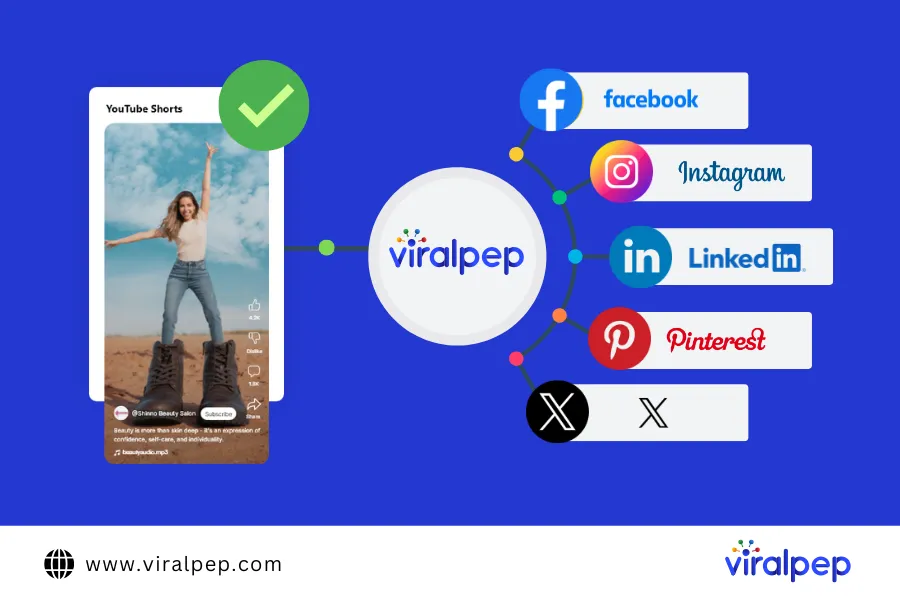
    A social media scheduling tool like Viralpep can help streamline this process, allowing you to schedule and publish your videos across multiple platforms effortlessly. By planning your video content in advance and ensuring it reaches your audience at optimal times, you maximize engagement and drive more traffic to your website.

Final Thoughts

It’s getting harder to create content that stands out. But with the right video marketing strategy, you have the chance to be heard.

From interactive experiences to compelling storytelling, your videos should do more than just exist — they should engage, inspire, and drive action. The key is to be intentional and creative, always seeking new ways to connect with your audience. Experiment, improve, and adapt because in online video marketing, innovation is the fuel that keeps your brand visible.

Viral Videos vs. Evergreen Content: What’s the Right Choice in 2025?

Content creation is no longer just about creating assets that are optimized to engage with the audience and invoke emotions. It’s also about jumping on trends, persistence, and connecting with individuals to build authentic relationships.

In a recent Fobes column, Electrify Video Partners CEO Ian Shepherd opined that we’re currently in a “golden age of content creators,” thanks to a heady mix of diverse monetization channels, global accessibility, and AI-powered tools reducing barriers to entry.

However, these factors also lead to stiff competition, with marketers and creators constantly striving to produce videos with the potential to capture attention in a crowded space. At this point, we often struggle to choose between viral content and evergreen content.

Viral videos that achieve rapid popularity and widespread sharing often overshadow their evergreen counterparts, which remain relevant for the long haul. Both have pros and cons, and a balance between them is the key to an effective marketing strategy.

In this article, we will compare these two types of content and explain the right mix for 2025 and beyond.

Why Everyone Wants to Go Viral

Popularity is the primary reason for brands and individuals seeking virality. According to Statista, memes, comedy, and viral videos combined to be the second most popular category of video content in the first quarter of 2024. Nearly 35% of online users watched these videos, only trumped by music videos that took 50% of the reach share.

Further, instant awareness and visibility are the benefits of viral videos. A single viral hit can propel a brand into the spotlight. The Sky High Mascara Express campaign did it for Maybelline last summer, garnering 67.2 million views, 2.4 million likes, and over 19,000 comments on Instagram.

viral video in the train

Videos often go viral because they resonate emotionally with audiences, with the added benefit of forging a stronger connection with consumers and improving brand recall. If your video content manages to go viral on social media, chances are good that people will start to recognize your brand instantly.

  1. Risks of Focusing Only on Viral Videos

    While viral videos can serve as brand awareness catalysts, there are some risks of relying exclusively on them. A short shelf-life is the primary concern, as viral content often has a fleeting relevance. Viewer interest may vanish into thin air once the trend fades.

    Viral content is also hard to repurpose, rendering it useless for future marketing efforts. A business that spends thousands of dollars on these campaigns may not build a sustainable marketing asset.

    Another downside is that viral videos may have limited effectiveness for lead generation, even if they can attract views. The wider the appeal, the less focused your videos will be on addressing the needs of your niche audience.

  2. Tips to Create Videos that Go Viral

    A Search Engine Journal article suggests that the odds of a video going viral are shockingly low at 3,192 to one. The numbers show how challenging creating such videos can be. You can follow these tips to create ones with the potential to go viral.

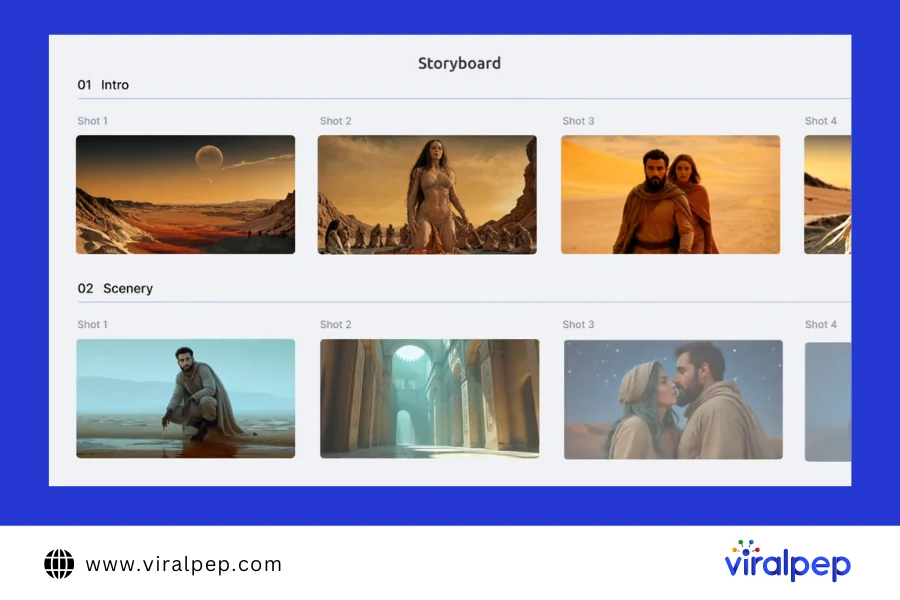
    First up, feeding the social platforms’ newsfeed algorithms requires rapid iteration on multiple ideas. It’s generally a good idea to experiment with various concepts to see what resonates with your audience. Using LTX Studio for storyboard prototypes, you can transform a rough concept into a visual story with the help of AI. Quick visualization of your concepts can help you decide on what gives you the best chances to achieve your virality goals.

    ltx studio for storyboard

    LTX Studio developers Lightricks estimate that using the app makes for 200% faster creative iterations and 300% faster team collaboration flows.

    Secondly, make sure you stay updated on industry trends relevant to your audience. Being an early adopter of trends gives you a better chance of creating viral content.

    Also, simply creating great video content does not guarantee that it will become viral. You can add a secret sauce by collaborating with influencers to further diversify creative input, also amplifying reach and credibility.

    Content formats can be a game-changer when it comes to virality. Focus on short-form content like Reels, TikToks, and Stories as they are tailored to win. The reason is clear: shorter attention spans make bite-sized pieces more attractive to viewers. We at Viralpep recommend diving deep into data to analyze content performance, understand engagement trends, and design a strategy accordingly.

    viralpep dashboard

Why Evergreen Content Makes Sense

Evergreen content, like evergreen pines and firs, stays green all year round. In the language of content strategy, these are the pieces that remain fresh and useful over a long period of time. The best options for YouTube evergreen content include educational videos, instructional videos, travel videos, biographies of famous people, and overviews of holiday traditions.

The long-lasting impact is perhaps the best benefit of evergreen content as it continues to attract viewers and provide sustained traffic. Additionally, consistent delivery of valuable information through such pieces establishes a brand as a niche authority.

Since evergreen topics often align with customer needs throughout their journey, they also have better lead generation and nurture potential. What’s more, these assets are easy to update and repurpose into different formats without compromising relevance.

The cost of creating a video with a semi-pro team has been estimated to range between $1,500 and $3,000 per minute. Hiring a professional video marketing company means spending between $5,000 and $20,000 per minute. While it’s certainly possible to create videos without hiring a proper production team, these benchmarks are certainly eye-opening when it comes to the relatively high threshold on video content ROI, and evergreen videos have the most potential to drive business value impact over time.

  1. Limitations of Evergreen Videos

    Apart from the benefits, evergreen content also has its drawbacks. Creating it requires intensive research and planning. Marketers need to dig deep into audience expectations and market trends to ensure relevance for the long haul.

    When compared with viral videos, evergreen ones may yield slower results. Brands cannot expect immediate views as evergreen videos may take longer to build an audience.

    The good thing, though, is that the results are sustainable.

  2. Tips to Create Evergreen Video Content

    Creating evergreen content sounds challenging, and it requires a great deal of patience and foresight. We will list a few strategies to help.

    First up, topic relevance means half the battle is won. Instincts alone will not work. Creators should utilize tools like AnswerThePublic to identify topics that resonate with their audience.

    answer the public

    Next, remember that nothing matters more than quality visuals when it comes to creating quality content, specifically evergreen pieces that you hope will resonate with audiences for years to come. Invest in high-quality production values to enhance viewer engagement.

    Repurposing long-form content into bite-sized videos is a good idea. Viralpep can help you create short-form videos like Reels and Shorts and even cross-promote them on different platforms.

    Finally, partnering with industry leaders can lend credibility and attract viewers, just as with viral videos.

Choosing the Right Approach for Your Video Marketing Strategy

Now that you know the upsides and downsides of viral and evergreen content, it is time to answer the big question: what will work for your brand? The answer isn’t black and white.

You need to strike a balance between both for a successful video marketing strategy. Both serve distinct purposes within a broader marketing framework, making them apt for different situations.

For example, viral videos can give brands the much-needed push when introducing new products or services. They are also great for seasonal campaigns tied to holidays or events as they can leverage current trends for maximum impact.

Conversely, evergreen topics win the brand storytelling game. Sharing a brand’s history or mission with such videos fosters deeper connections over time. Likewise, educational content like tutorials and how-to guides become lasting assets for brands.

The Final Verdict

As we step into 2025, brands will have to rely on a mix of viral and evergreen content to shape effective marketing strategies. The combination promises the best of both worlds, with viral content driving immediate engagement and visibility and evergreen content ensuring sustained relevance and authority. A thoughtful integration promises the best results for short-term success and long-term growth.

Happy Holidays from Viralpep: A Year of Growth and Success

The holiday season is here, and it has arrived faster than expected! We hope you’re surrounded by your loved ones, savoring every moment of the festive cheer.

For some, this year’s holidays may feel a little different, with fewer of the familiar traditions or a sense of Christmas magic in the air. If this resonates with you, why not try something new? Gather your family, grab your favorite snacks, queue up a collection of holiday classics, and brew a cup of your favorite hot chocolate. This could be the perfect opportunity to create a brand-new tradition to cherish for years to come.

In times like these, we’re reminded that challenges also present us with opportunities to grow, innovate, and evolve. At Viralpep, we’ve embraced this mindset throughout the year, especially as we continue to grow our social media management platform. Our team has worked tirelessly to improve Viralpep, and we’re proud to say that this year, it’s more powerful and user-friendly than ever. With features like advanced scheduling, real-time collaboration, and analytics, we’ve been able to help our clients create and manage their social media content more efficiently.

Reflecting on the year, we’re proud of what we’ve accomplished. Thanks to the support of our incredible clients, Viralpep has achieved significant milestones. We’ve seen incredible growth and been recognized for our efforts to simplify and enhance social media workflows. Viralpep has become a go-to solution for businesses looking to streamline their social media presence, and it’s truly been an honor to be a part of your journey.

This year, we’ve published over 102 blogs, redefining and reviving our social media strategy to better connect with and support social media managers using Viralpep. We’ve also achieved an exciting milestone by getting verified on X / Twitter, further strengthening our brand’s credibility and reach. Additionally, our users have published 25000+ posts on social media via Viralpep, showcasing the powerful impact our platform has had in helping businesses grow their online presence.

Viralpep Team

A special thanks to our clients for your continued trust in us. Your feedback and dedication inspire us to keep pushing forward, and we’re excited for the opportunities the new year will bring for your business. We look forward to helping you further grow your online presence in 2025.

Now, it’s time to relax, recharge, and enjoy the holiday season. Wishing you a Merry Christmas and a Happy New Year from all of us at Viralpep. May the holidays bring joy, peace, and new opportunities for success in the year ahead!

Halloween Social Media Post Ideas: Tricks and Treats for Your Audience

Halloween is one of the most anticipated times of the year. It’s not only about who wears the spookiest costume but also a prime opportunity to stock up on candies and chocolates.

Interestingly, it’s not just children who look forward to trick-or-treating and collecting sweets from neighbors. Businesses, digital marketers, and social media agencies also eagerly prepare to share Halloween-themed social media posts.

Why? Halloween brings both a festive atmosphere and valuable business opportunities for brands.

Halloween Celebrations and Spending Over the Years

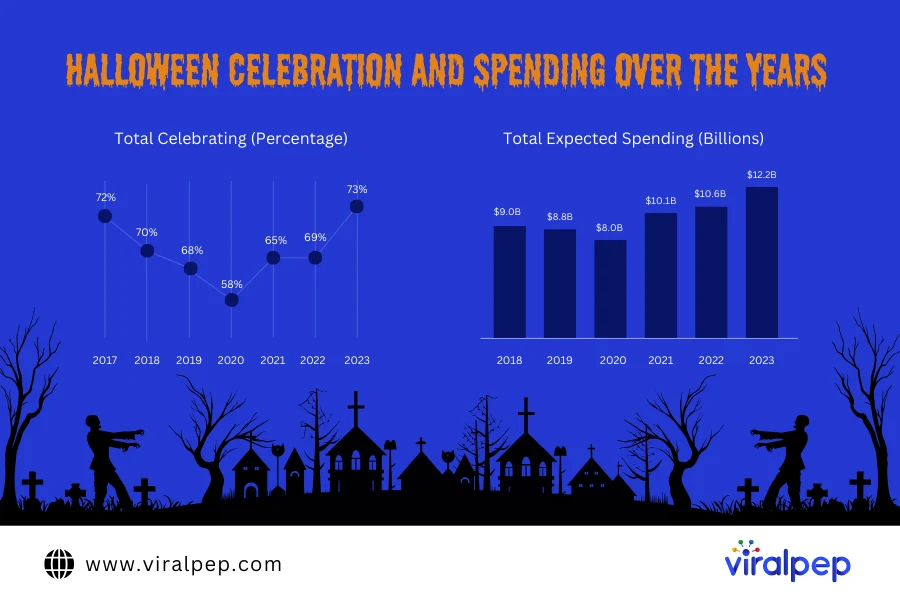
According to NRF reports, Halloween spending in the U.S. reached a record $12.2 billion in 2023, eclipsing the previous year’s $10.6 billion. This surge is attributed to several factors, including a rise in participation—73% of U.S. consumers took part in Halloween activities, up from 69% in 2022. Notably, spending on costumes, decorations, and candy saw the most substantial growth, with consumers averaging $108.24 each.

In this guide, we’ll equip you with everything you need to create and optimize your Halloween social media content, from campaign ideas to post suggestions. Whether you’re looking for inspiration for Instagram or crafting the perfect Halloween caption, this guide will help make your content both impactful and delightfully spooky.

Why Creative Halloween Social Media Posts Matter?

Halloween social media posts are essential for capturing attention during this festive season, especially when everyone’s in full preparation mode.

Just like with Halloween decorations and costumes, creativity is key for Halloween-themed posts. Brands, influencers, and marketers eagerly work to craft standout Halloween posts to drive social media engagement and boost conversions.

With Halloween growing bigger each year, businesses develop sales strategies, launch advertising campaigns, and plan discounts for this occasion. Halloween spending in the U.S. was expected to surpass $12 billion in 2023, following a record-breaking $10.6 billion in 2022, and this number is only set to increase in 2024. Costumes, candies, and decorations are the top spending categories, with food and drinks seeing a sales spike as well.

Here are some of the most creative Halloween social media post ideas for brands and influencers to try out:

Best Practices for Halloween Social Media Posts

To maximize the effectiveness of your Halloween posts, consider these best practices:

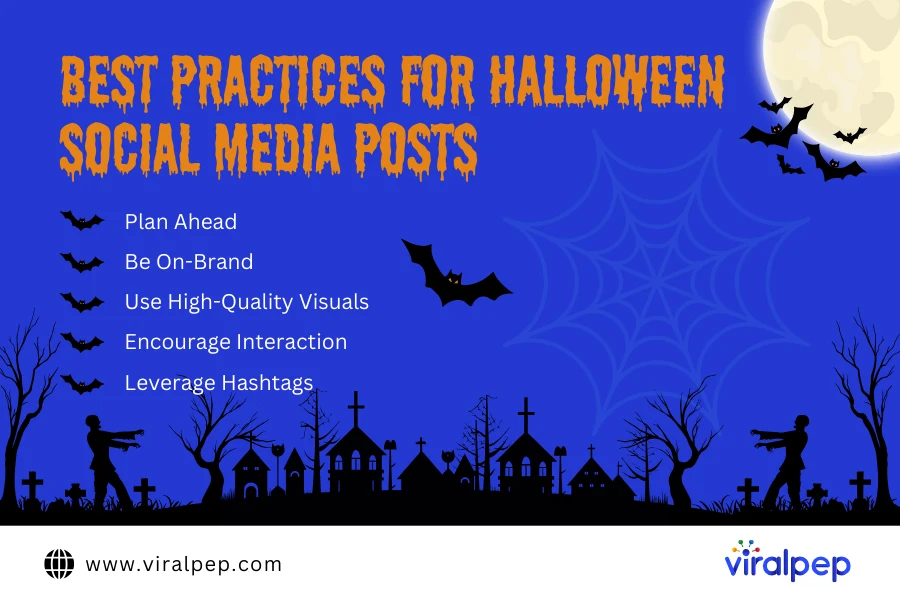
Best Practices for Halloween Social Media Posts

  • Plan Ahead: Start planning your Halloween content weeks in advance to ensure a smooth execution.
  • Be On-Brand: Ensure your posts align with your brand’s tone and values while incorporating Halloween themes.
  • Use High-Quality Visuals: Eye-catching images and graphics can significantly enhance engagement.
  • Encourage Interaction: Ask questions, create polls, or invite users to share their Halloween photos to increase engagement.
  • Leverage Hashtags: Utilize relevant hashtags to expand your reach, such as #Halloween2024, #SpookySeason or #HalloweenWithViralpep.

Tip: Use #HalloweenWithViralpep and get your posts featured on our social media platforms.

Top Halloween Social Media Marketing Trends

Staying updated on Halloween marketing trends can give your campaigns a competitive edge. Here are some current trends:

  • Augmented Reality (AR) Filters: Brands are using AR filters to create fun, interactive experiences. Think spooky effects or costume try-ons.
  • Video Content: Short, engaging videos—like DIY costumes or Halloween recipes—are gaining popularity. Platforms like TikTok and Instagram Reels are perfect for this.
  • Themed Giveaways: Halloween-themed giveaways can drive engagement and attract new followers. Consider partnering with other brands for cross-promotions.
  • Cause-Related Marketing: Many brands are incorporating social causes into their Halloween campaigns, resonating with consumers who value corporate social responsibility.

How to Create a Halloween Social Media Post?

When creating Halloween posts, follow these simple steps:

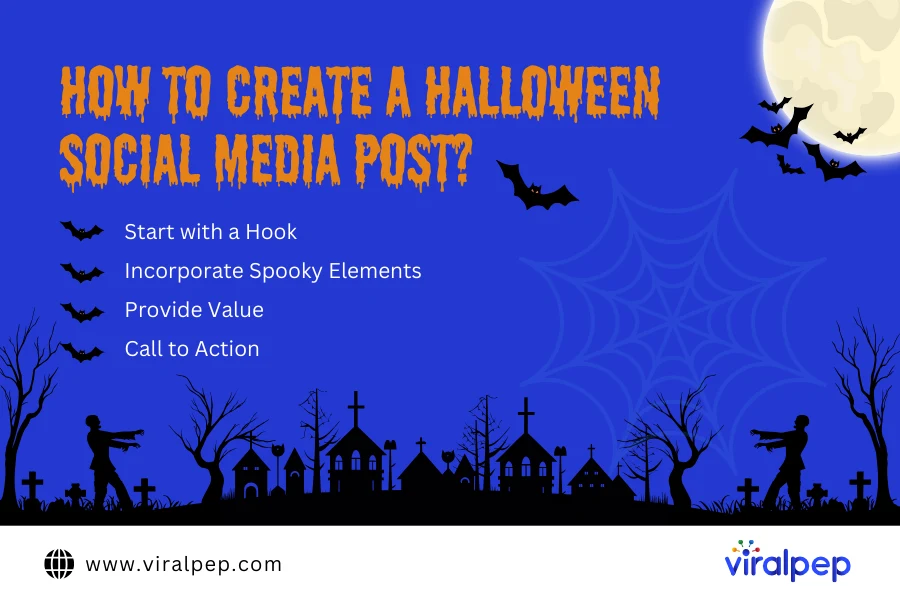
Create a Halloween Social Media Post

  1. Start with a Hook: Grab your audience’s attention with a catchy line or question.
  2. Incorporate Spooky Elements: Use Halloween-related themes, emojis, or puns to make your post festive.
  3. Provide Value: Whether it’s tips, fun facts, or engaging questions, ensure your post provides value to your audience.
  4. Call to Action: Encourage engagement by asking followers to comment, share, or participate in your campaign.

Example Post

“🎃 What’s your favorite Halloween candy? 🍬 Comment below for a chance to win a spooky surprise! #HalloweenFun #CandyContest #HalloweenWithViralpep”

Tip: Follow @viralpephq on Instagram to stay updated with social media trends.

Creative Halloween Social Media Campaign Ideas for 2024

Halloween is becoming more than just a holiday—it’s also a fantastic opportunity to capture your audience’s attention across social media channels. In October, platforms brim with spooky, interactive posts as brands get creative. This year, you can elevate your social media presence with thrilling Halloween campaign ideas to engage and delight.

Explore these 19 creative social media ideas for Halloween:

  1. Host a Halloween Throwback Contest

    Get your audience in the spirit by running a Halloween #ThrowbackThursday contest. Invite followers to share their funniest or spookiest old Halloween photos. Let fans vote on their favorites, with the winner receiving a prize, like a gift card or free product. Add themed hashtags and encourage tagging to spread the word.

  2. Create Halloween Hashtags

    Effective hashtags are crucial for visibility. Brainstorm witty, spooky hashtags that fit your brand. Consider puns and pop culture references to stand out. Some ideas include #BooItForward, #PumpkinSpiceEverything, #LifeisGourd and #HalloweenWithViralpep.

  3. Share Halloween Tips and Tricks

    Help followers make the most of Halloween by sharing helpful ideas—whether it’s DIY costume tips, spooky décor ideas, or party planning hacks. Personal anecdotes can enhance your posts, making them relatable and engaging.

  4. Spooky User-Generated Content (UGC)

    Encourage followers to share photos of their Halloween costumes or decorations featuring your product. Reward creativity by resharing the top entries on your accounts, and add themed emojis and hashtags for a festive touch.

  5. Offer “Oogie Boogie” Discounts

    Boost sales with Halloween-themed discounts. To drive urgency, make it a limited-time offer or run a countdown. Highlight the offer with bold visuals and Halloween-inspired language.

  6. Spook-ify Your Website

    Give your site a Halloween makeover! Add themed icons, spooky colors, and eerie animations. A decorated website adds festive spirit and makes your brand memorable during the season.

  7. Post Freaky Halloween Quotes

    Share spooky or humorous Halloween quotes as captions to bring festive cheer. Classics like “Trick or treat, smell my feet!” can bring nostalgia and fun to your social feed.

  8. Share Halloween Recipes

    Inspire your followers with recipes for Halloween treats, from “mummy” wrapped desserts to ghostly cupcakes. Snap photos and share recipes, appealing to Halloween foodies and families alike.

  9. Horror Movie Recommendations

    Help followers get into the Halloween spirit by suggesting horror movies. List popular picks or lesser-known gems with a brief description, and ask followers for their own recommendations.

  10. Run Spooky Polls & Quizzes

    Use polls or quizzes to boost engagement. Ask followers to choose their favorite Halloween treat or answer fun trivia about the holiday. Polls on Instagram Stories can be especially engaging.

  11. Host a Social Media Challenge

    Challenge followers to try spooky dares, like carving a pumpkin with a unique twist or visiting a haunted house. Encourage them to tag your brand and share their experiences for a chance to win a prize.

  12. Suggest Haunted Places

    Share recommendations for haunted locations, including local ghost tours or famous spooky landmarks. Invite followers to share their own creepy experiences.

  13. Show Behind-the-Scenes Festivities

    If you’re celebrating Halloween at the office, take your followers along for the ride. Show costume preparations, pumpkin carving, or spooky decorations, giving a glimpse into your brand’s Halloween spirit.

  14. Share Halloween Décor Inspiration

    Inspire your followers by sharing photos of your Halloween decorations. Show off any DIY touches and invite them to share their own décor with a hashtag you create.

  15. Email Trick-or-Treat Promotions

    Send themed emails to engage customers with holiday offers, fun content, and spooky visuals. Include a catchy subject line to ensure high open rates.

  16. Create a Spooky Promo Video

    Get creative with Halloween-themed video content. Keep it short, add eerie music, and include a memorable call-to-action to capture attention and drive engagement.

  17. Tap into Nostalgia Marketing

    Use throwback Halloween imagery and traditions to connect emotionally with followers. Host a contest featuring favorite childhood costumes or ask for classic movie recommendations.

  18. Collaborate with Other Brands

    Partner with other brands to create joint Halloween content, doubling your reach. Plan posts that showcase both brands in a Halloween setting for a mutually beneficial campaign.

  19. Run a Countdown to Halloween

    Build excitement with a Halloween countdown. Post daily “spooky tips” or costume ideas, adding urgency if promoting a holiday discount or event.

Create and Schedule Your Halloween Posts with Viralpep

From spooky promotions to festive social media contests, Viralpep makes it easy to plan, create, and schedule social media posts for all your Halloween content in one go. Keep your followers engaged with ghostly posts, eye-catching images, and hauntingly creative captions—scheduled exactly when you want them.

Why Choose Viralpep for Your Halloween Posts?

  • Easy Content Creation: Quickly design Halloween-themed posts, add captions, and customize visuals to match the season’s vibe.
  • Flexible Scheduling: Plan your posts for peak engagement times, ensuring maximum reach and spooky interaction.
  • Unified Dashboard: Track all your Halloween campaigns in one place, whether they’re contests, spooky polls, or themed promotions.

This Halloween, skip the last-minute rush and focus on delivering content that thrills your audience. With Viralpep, you’re equipped to keep the Halloween spirit alive on your social media channels all season long.

And That’s a Wrap!

Halloween is a special time for everyone—from customers to business owners. It’s more than just fun and festivities.

People of all ages, from the young to the young at heart, find their unique ways to celebrate Halloween. And whether you’re a business owner, marketer, or Halloween enthusiast, it’s also a great chance to connect with your audience.

But remember, your goal is to attract leads and grow your brand effectively.

Take advantage of this season to engage new audiences and inspire them with these spooktacular Halloween social media post ideas and tips.

Pro-tip: Use a social media scheduler to plan your posts in advance and fully enjoy the holiday with your loved ones.

Select some of your favorite Halloween post ideas to craft a week’s worth of themed content.

Viralpep is a top-notch social media scheduling tool designed for brands, agencies, influencers, and bloggers. It allows you to post, schedule, manage, and analyze your content across all major platforms—sign up for a 15-day free trial today!

Witching you a Happy Hallo-ween!

FAQs

What types of Halloween posts engage audiences the most?

Interactive posts like contests, polls, and user-generated content tend to drive the most engagement.

How can I incorporate my brand into Halloween posts?

Tailor Halloween themes to fit your brand’s identity, such as using brand colors in spooky visuals.

What platforms are best for Halloween marketing?

Visual platforms like Instagram, TikTok, and Pinterest are great for creative Halloween content.

How can I measure the success of my Halloween campaign?

Track engagement metrics such as likes, shares, comments, and website traffic during your campaign.

Should I use Halloween hashtags?

Yes! Using relevant hashtags can increase your reach and visibility among users interested in Halloween content.

What is the best time to post Halloween content?

Aim for the weeks leading up to Halloween, peaking around the week of the holiday itself.

Can I use Halloween themes for non-Halloween products?

Absolutely! You can creatively tie Halloween themes into your product messaging.

From Nano to Mega: Choosing the Right Influencers for Your Brand

Influencer partnerships have emerged as a powerful tool for brand growth. And that’s because they’re effective—63% of consumers are likely to purchase products recommended by a trusted influencer, indicating the significant impact influencers have on consumer buying behavior. But with influencers ranging from niche experts to global celebrities, how do you choose the right ones for your brand? This article will guide you through selecting influencers, from nano to mega, ensuring your marketing efforts yield maximum impact.

Understanding Influencer Tiers

Before we delve into the strategies for each influencer tier, it’s crucial to understand the distinctions between them. Influencers are typically categorized based on their follower count:

Influencer type Follower count Average cost per post
Nano influencers 1,000 – 10,000 $20 – $200
Micro influencers 10,000 – 100,000 $35 – $450
Macro influencers 100,000 – 1 million $350 – $7,000
Mega influencers 1 million+ Starting at $1,200

Each tier offers unique advantages and challenges. The key is to find the right balance that aligns with your brand’s goals, budget, and target audience.

Key Factors in Choosing the Right Influencers

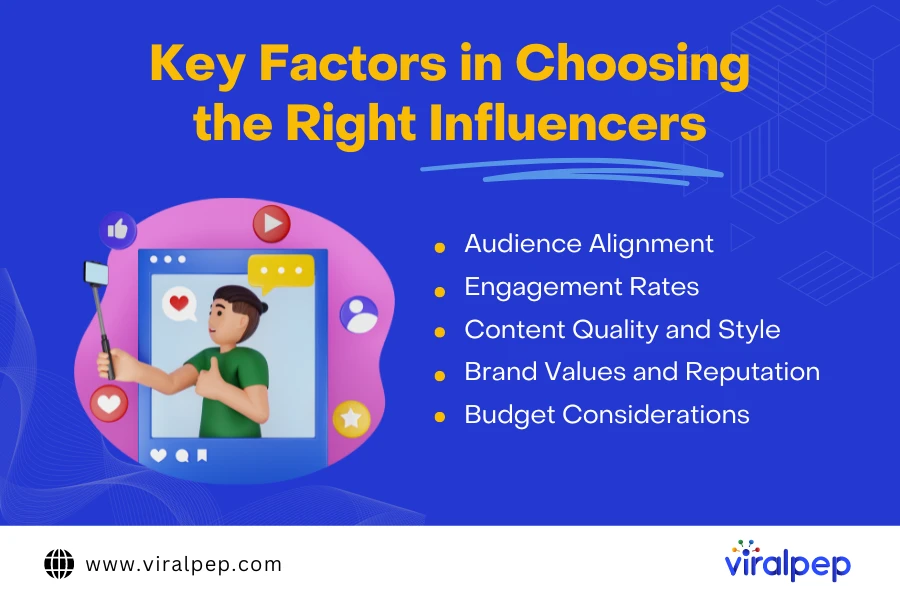
Selecting the right influencers goes beyond mere follower counts. Here are 5 critical factors to consider: Key Factors in Choosing the Right Influencers

  1. Audience alignment: Does the influencer’s audience match your target market?
  2. Engagement rates: How actively does their audience interact with their content?
  3. Content quality and style: Does their content align with your brand’s image and values?
  4. Brand values and reputation: Does the influencer embody principles that resonate with your brand?
  5. Budget considerations: Can you afford to work with this influencer sustainably?

For those involved in training and development, exploring educational opportunities such as top online PsyD programs can provide additional insights and strategies for effective influencer marketing. By carefully evaluating these factors, you’ll be better equipped to make informed decisions about your influencer partnerships.

Nano Influencers: The Hidden Gems

Nano influencers may have smaller followings but often boast highly engaged audiences. These individuals are typically seen as relatable experts in their niche, making them valuable assets for B2B and SaaS brands. For example, 65% of influencers on Instagram are classified as nano-influencers, who typically boast the highest engagement rates due to their close-knit relationships with their audience.

  1. Advantages of working with nano influencers

    • Higher engagement rates
    • More affordable partnerships
    • Niche expertise and credibility
    • Authentic, word-of-mouth style promotion
  2. Best practices for nano influencer partnerships

    • Provide clear guidelines while allowing creative freedom
    • Offer product trials or exclusive access to your software
    • Encourage long-term relationships for sustained impact
    • Leverage their content across your marketing channels

Micro Influencers: The Sweet Spot

Micro influencers often represent the ideal balance between reach and engagement. They’ve built a significant following while maintaining a strong connection with their audience.

  1. Benefits of collaborating with micro influencers

    • Substantial reach with high engagement rates
    • Cost-effective compared to larger influencers
    • Specialized knowledge in specific industries or niches
    • Ability to create more in-depth content about your product
  2. Strategies for effective micro influencer partnerships

    • Develop co-created content that showcases your software’s features
    • Sponsor podcast episodes or video series relevant to your target audience
    • Offer exclusive discounts or extended trials for the influencer’s followers
    • Invite them to participate in product development or feedback sessions

Macro Influencers: Expanding Your Reach

Macro influencers can significantly boost your brand’s visibility, but they come with both advantages and challenges.

  1. Pros and cons of partnering with macro influencers

    Pros:

    • Substantial reach with high engagement rates
    • Cost-effective compared to larger influencers
    • Specialized knowledge in specific industries or niches
    • Ability to create more in-depth content about your product

    Cons:

    • Develop co-created content that showcases your software’s features
    • Sponsor podcast episodes or video series relevant to your target audience
    • Offer exclusive discounts or extended trials for the influencer’s followers
    • Invite them to participate in product development or feedback sessions
  2. Tips for maximizing macro influencer collaborations

    • Focus on creating high-quality, evergreen content
    • Leverage their expertise for thought leadership pieces
    • Utilize their reach for product launches or major updates
    • Combine their influence with targeted ad campaigns for maximum impact

Mega Influencers: The Big Players

Mega influencers can offer unparalleled reach but are not always the best fit for every B2B or SaaS brand.

  1. When to consider mega influencers for your brand

    • You’re launching a product with mass appeal
    • You’re entering a new market and need rapid brand recognition
    • You have a significant marketing budget and can sustain the partnership
  2. Challenges and opportunities of mega influencer partnerships

    Challenges:

    • Extremely high costs
    • Less targeted audience reach
    • Potential for overshadowing your brand message

    Opportunities:

    • Massive exposure and potential for viral content
    • Association with a well-known personality or brand
    • Possibility of breaking into new markets or industries

Tools and Platforms for Influencer Discovery and Management

Effective influencer marketing requires the right tools. Here are some key features to look for:

  1. Influencer discovery based on niche and audience demographics
  2. Engagement rate analysis and fake follower detection
  3. Campaign management and performance tracking
  4. Contract and payment processing

Leveraging resources like Viralpep can enhance your social media marketing strategy. Viralpep provides comprehensive solutions for scheduling, tracking, and analyzing social media posts, making it easier to manage your influencer campaigns efficiently. These tools can streamline your influencer marketing efforts and provide valuable insights for optimization.

Measuring ROI and Success in Influencer Marketing

To ensure your influencer partnerships are delivering results, focus on these key performance indicators (KPIs):

  1. Engagement rates (likes, comments, shares)
  2. Website traffic and referrals
  3. Lead generation and conversion rates
  4. Brand mention sentiment and reach

Utilize UTM parameters, unique discount codes, and landing pages to track the performance of individual influencers. Regularly analyze this data to refine your strategy and maximize ROI.

Conclusion

Choosing the right influencers for your B2B or SaaS brand is a critical step in leveraging the power of influencer marketing. From nano influencers with their highly engaged niche audiences to mega influencers with massive reach, each tier offers unique benefits and challenges. Are you ready to take your B2B or SaaS marketing to the next level with influencer partnerships? Start by identifying your goals, researching potential influencers, and taking that first step toward a more dynamic and engaging marketing strategy. The right influencers are waiting to help your brand shine – it’s time to find them.

The Right Way to Promote Your Software Product on Social Media

The process of advertising a software product on social media is not an easy one, and it needs a lot of planning and strategising. Today, there are more than 5 billion users of social networks globally; thus, appealing to these platforms is an opportunity to increase popularity, interest, and sales.

Graph of Internal User and Social Media Users

However, it also means that one needs to know when it is best to apply certain tactics and what tools are perfect for the task.

This piece gives a detailed account of how best to use social media to market software products. It includes aspects such as choosing the right platforms and target groups, selecting appropriate content formats, using influencers, aiming for conversion and evaluating the results. Furthermore, it illustrates how solutions such as Viralpep can complement and optimize the promotion of software applications.

Choosing the Optimal Social Media Platforms

With a range of social media sites to consider, prioritizing channels based on software user demographics and product aligns outreach to relevant communities.

  1. Popular Platforms

    Platforms with significant market penetration, such as Facebook, Instagram, LinkedIn and Twitter, provide access to vast, diverse user bases. However, dedicated development team services need to segment audiences on each site.

    For instance, while Facebook reaches over 2.9 billion people globally, its users span ages, locations and interests. Successfully connecting with potential software customers relies on targeted content and ads directed toward relevant groups.

  2. Niche Platforms

    Specialized social platforms frequented by software users represent additional promotion channels.

    GitHub now has over 100 million developers sharing and collaborating on its code-hosting site. Promoters can build connections through shared repositories and by highlighting valuable open-source contributions.

    Stack Overflow is a question-and-answer site used by over 200 million coders monthly. Contributing helpful technical advice organically raises product awareness among its engaged user base.

    Reddit contains over 100,000 subreddits on specific topics, including software development channels like /r/programming, /r/webdev and /r/gamedev. Participating in discussions is an authentic way to reach over 70 million daily Reddit users.

  3. Emerging Platforms

    Newer apps also show promise for software promotion by attracting digitally savvy users through unique formats.

    For example, TikTok has over 1.5 billion active users monthly who are drawn to its short video content. Creative ads on development tools or coding tutorial clips can educate and inspire viewers.

    Twitch live streams games and other content to over 35 million daily visitors. Sponsoring developers on channels focused on making apps and modding titles spreads awareness to engaged fans.

  4. Choosing Platform Mix

    The ideal social media combination depends on the software product and target demographics. Business tools need a different approach than mobile games or web applications.

    First, identify core customer personas and their key platforms for content consumption. Then, develop a presence across suitable sites to reach them through multiple touchpoints.

Crafting Compelling Social Media Content

Simply creating accounts across social platforms is insufficient for software promotion. The content shared must captivate audiences and compel them to engage further.

  1. Educational Content

    Informative social media content builds value with software users. Development tutorials, insider techniques, eBook giveaways and webinars demonstrate the expertise people seek.

    For example, threads explaining coding best practices or version control draw developers. Designers engage with tips on creating interfaces and assets.

  2. Entertaining Content

    Balancing educational posts with lighter, enjoyable content varies the user experience. Polls, challenges, memes and relevant videos prompt community interactions and sharing.

    Game developers can share humorous bug reels or fan art contests. Tools for enterprise teams might post polls asking about remote work struggles.

  3. Industry Insights

    Commentaries on software news and innovations show followers that your product aligns with current market needs and trends. These insights establish thought leader positioning.

    For instance, development companies can analyze new languages and frameworks, while collaboration apps examine the impacts of hybrid work models. Commentaries should take a specific angle that matches product focus areas.

  4. Customer Testimonials

    User reviews lend credibility while demonstrating real-world applications for software. Collecting and sharing great feedback quotes and case studies is highly valuable social content.

  5. Behind-the-Scenes

    Give audiences a look “behind the curtain” at product development and company happenings to foster emotional connections. Photos/videos from conferences, charity events or idea hackathons build affinity.

  6. Promotions and Contests

    Rewarding fans for engaging with branded content incentivizes them to stay involved. Free trial giveaways, access to new features and prize contests encourage shares and help convert users.

Optimizing Social Media for Lead Generation

Promoting software products where the focus is on generating quality sales leads is one of the major objectives of advertising. Make sure social media marketing is consistent with acquiring visitor data and driving conversions.

  1. Landing Pages

    Including links to dedicated landing pages in the social posts helps the visitors to get more information. These pages emphasize on the value that the products bring to the table, offer demonstrations and capture the prospect’s details using lead capture forms.

    Effective landing page practices include:

    • Emphasizing the primary capabilities of software and aligning the main advantages with the requirements of users

    • One of the suggestions for improving the product is to provide an option for a demonstration sign-up to enable users to interact with the product physically.

    • Obtaining contact information from the audience at the first stages, for example, through lead generation forms

    • Offering peer content such as customer success stories and other relevant cases.

    • Ensuring mobile responsiveness for optimal experience across devices

    The tailored landing pages built with high quality and specific to social traffic sources increase conversion rates significantly.

  2. Conversion Ads

    Social platforms like Facebook and LinkedIn enable the creation of ads focused specifically on getting conversions to landing pages. Their advanced targeting facilitates cost-efficient promotion to interested leads.

    To optimize conversion ads:

    • Test ad variations with different text/images

    • Adjust targeting parameters to hone-in on buyer personas

    • Measure conversion event completions like email sign-ups

    • Assess click-through-rates on ads

    • Evaluate cost per conversion metric

    Conversion ads allow granular campaign customization to convert social platform users into sales-qualified leads cost-effectively.

  3. Retargeting Pixels

    Installing tracking pixels on websites then enables uploading contact lists to social platforms for targeted retargeting. This reminds users across networks to return and complete desired actions.

  4. Clickable Links

    Linking call-to-action buttons and mentions of free trials/demos throughout social content to conversion destinations streamlines visitor sign-ups.

  5. Hashtags

    Incorporating strategic hashtags into posts facilitates discovery by interested prospects searching or following trending topics. For example, #softwaredevelopment or #gamedev hashtags extend reach.

Leveraging Influencers and Advocates

Influential developers, brands and fans sharing positive software experiences amplify credibility and awareness. Seek their organic advocacy or sponsor partnerships.

  1. Brand Ambassadors

    Loyal customers who actively promote products across their social channels make great unofficial evangelists. Identify and empower standout advocates with access and incentives to broaden their reach.

  2. Micro-influencers

    Industry experts and lead developers with smaller, targeted followings often resonate more than celebrity influencers. Connect for co-marketing content like review videos or contributed articles.

  3. Referral Programs

    Rewarding existing users for referrals and social shares unlocks exponential growth by activating peer advocacy. Referral promo codes, discounts, and statuses work well.

  4. Hashtag Campaigns

    Encouraging followers to share branded hashtagged images/stories fosters user-generated content and greater visibility as compositions spread across networks.

  5. Reviews

    Both app store and social media reviews influence purchase decisions. Politely request satisfied users to post feedback on sites like G2 and Capterra, in addition to ratings on App store/Play store.

Tracking Performance and Optimization

Measuring social media analytics provides the critical data to refine tactics and demonstrate ROI on software promotion investments.

  1. Monitoring Mentions

    Tracking brand mentions, hashtags, and handle tags across social platforms reveals customer sentiment, influencer commentary and competitive actions for monitoring.

  2. Engagement Metrics

    Evaluate efforts based on community growth, post reactions, click rates, contest entries and referral sign-ups. Compare types of content and calls to action to discover what resonates.

    Leading indicators of engagement to track:

    • Follower growth rates

    • Click-through-rates on links

    • Comments and reactions per post

    • Contest and offer participation

    • Content sharing frequency

    These benchmarks quantify content resonance and audience responsiveness.

  3. Lead and Sales Data

    Matching social initiatives to conversion rates and sales provides accountability. Gauge sales-qualified leads from traffic sources and highlight social referrals closing deals.

  4. ROI Calculations

    Factor campaign expenses, including ad spend and influencer partnerships against quantified leads and sales for return-on-investment accountability. Demonstrate concrete bottom-line value.

    Helpful formulas for social media ROI include:

    • Sales Revenue from Social ÷ Total Social Costs

    • (Revenue Attributed to Social – Social Costs) ÷ Social Costs

    • Number of Leads/Customers from Social ÷ Total Social Spend

    • Value Per Acquired Customer from Social Channels

  5. Optimization Adjustments

    Let data guide decisions on platform mix, ad targeting and content formats. Double down on social initiatives, generating real traction and recalibrating underperformers.

Streamlining Software Promotion with Viralpep

As highlighted, orchestrating an impactful presence across multiple social media channels is essential yet demanding. Solutions like Viralpep greatly simplify and amplify these efforts.

  1. Unified Social Media Management

    Viralpep enables easily managing every social platform and account from one intuitive dashboard. This consolidated control saves substantial time while allowing consistent branding across networks.

    Software developers often juggle a company page, separate product pages, profiles for staffers, brand hashtags, influencer partnerships and more. Keeping coordinated across these touchpoints is enormously simplified within Viralpep.

  2. Multi-Channel Content Distribution

    Creating compelling social content is only the first challenge. Distributing posts timed to multiple platforms and audiences requires heavy lifting.

    Viralpep eliminates cumbersome copy-and-paste actions. Content composers can map distribution to target pages and profiles based on preferences like demographics and engagement levels.

    This multi-channel amplification ensures wider visibility for software promos, reviews, release announcements and branded visuals.

  3. Automated Post Scheduling

    Maintaining frequent social communication amid resource constraints is difficult. Viralpep’s social media scheduling tool releases this burden via automated timing and placements.

    Software promoters build content calendars, aligning posts to product roadmaps and campaigns. Viralpep then handles programmed publishing even while teams focus elsewhere. Set optimal timing based on algorithmic insights for best exposure.

  4. Performance Analytics

    Determining the real ROI from social media software promotion requires monitoring meaningful metrics. Viralpep’s analytics dashboard tracks key engagement and conversion performance indicators.

    Review hot leads by traffic source, including breakdowns for different social media accounts. Gauge content resonance based on respective post-performance. Viralpep quantifies efforts against bottom-line sales results.

  5. Community Management

    Beyond distribution, engaging audiences in conversations across networks is fundamental yet challenging. Social media management tools enables rapid response across channels through a unified inbox.

    Timely replies to software questions, support issues, partnership inquiries and other messages build community loyalty. Assign responses to multiple team members to strengthen outreach capabilities.

  6. Competitor Benchmarking

    Social media management platforms also enable the evaluation of rival software brand strategies, including their key platforms, influencers, engagement levels, content types, and pacing.

    These insights help creators refine what makes their social content and activities stand out while avoiding overly mimicking competitors. Authenticity with audiences is crucial.

Conclusion

Marketing software products on social media platforms open up enormous but yet unexplored potential to drive awareness, interest and demand. This guide provides best practices for each element of the strategies with the focus on the main aspects.

Also, social media management solutions such as Viralpep, which scales up efforts through scheduling, analytics, and the management of multiple channels, are game-changers for developers.

These recommendations and tactics constitute a roadmap to success that is hard to come by. These foundations are important for creators as social media and softwares keep on changing, this will help them maintain relevance and effectiveness.