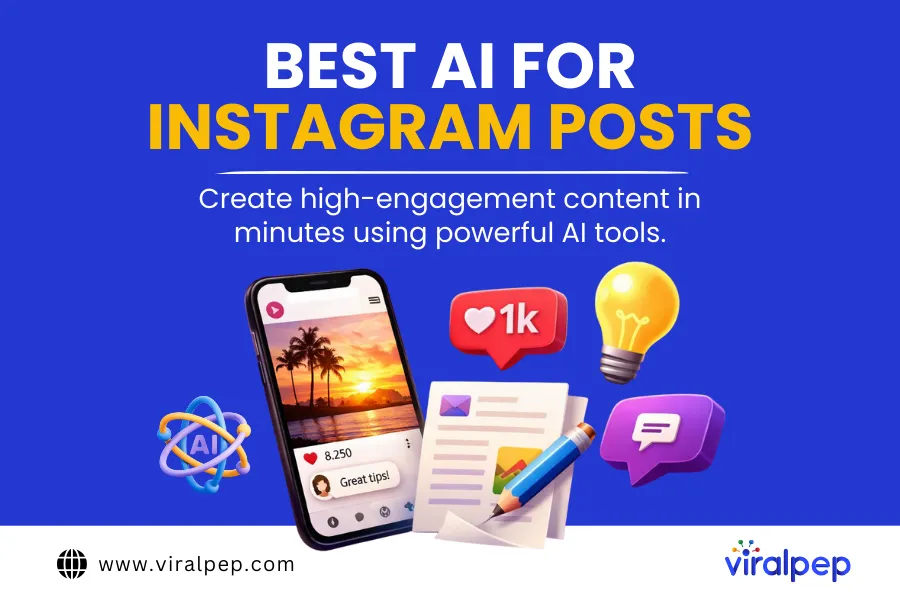


Artificial intelligence is fundamentally reshaping how brands develop and deploy content across social platforms. By automating tasks like ideation, visual design, caption writing, and performance analysis, AI enables marketers to produce more relevant, timely, and engaging material with far less manual effort. This shift not only accelerates workflows but also enhances personalization and strategic decision-making – making AI social media content creation faster, smarter, and increasingly indispensable for staying competitive in today’s digital landscape.
Picture this: a construction site in the middle of a bustling Canadian neighbourhood. While crews work behind the scenes, the surrounding barriers quietly broadcast a vision – of innovation, community, and what’s to come. Just as Hoarding Construction Advertising turns physical boundaries into storytelling opportunities, artificial intelligence is redefining the boundaries of digital expression.
In an era where audiences scroll past generic posts in milliseconds, standing out demands more than creativity – it requires precision, speed, and deep insight. That’s where AI in social media marketing shines. From small agencies to national brands, Canadian marketers are turning to intelligent systems to craft content that doesn’t just capture attention but sustains it. This article explores how AI tools for content creation are transforming everything from brainstorming to analytics – and why understanding how AI transforms social media is no longer optional, but essential.
How AI Is Transforming Social Media Content Creation
Gone are the days when social media success hinged solely on catchy captions and well-lit photos. Today, AI social media content creation is a multidimensional process where data, automation, and creativity converge to produce content that’s not only visually compelling but also strategically optimized. From ideation to analytics, artificial intelligence is redefining every phase of the content lifecycle – making it faster, more adaptive, and deeply aligned with audience behaviour.
Automating Content Ideation and Planning
One of the most time-consuming stages of content creation is deciding what to post. AI tools now analyze millions of data points – trending hashtags, competitor performance, seasonal patterns, and even regional conversations across Canada – to suggest high-potential topics. Platforms like Predis.ai or Lately scan your past top-performing posts and auto-generate a 30-day content calendar that balances brand voice with algorithmic preferences. This means less guesswork and more confidence that your content will resonate before you even hit “publish”.
Generating Visuals and Copy at Scale
Creating platform-specific visuals used to require design skills or outsourcing. Now, AI tools for content creation like Canva’s Magic Studio or Adobe Firefly let marketers generate on-brand graphics, carousels, and short videos in minutes. Need a Reel thumbnail that matches your campaign palette? Done. Want a bilingual caption for English and French Canadian audiences? AI can draft both versions while maintaining tone and intent. These capabilities are especially valuable for teams managing multiple accounts or regional campaigns without dedicated creative staff.
Enhancing Personalization and Audience Targeting
Generic posts get scrolled past. As a guest on Viralpep, I’ve seen firsthand how AI-driven personalization is changing the game for marketers. Personalized ones get saved, shared, and acted on. AI excels at segmenting audiences not just by age or location, but by behaviour – such as how long they watch videos, which links they click, or what time of day they’re most active. This enables dynamic content delivery: for example, showing eco-conscious messaging to users who engage with sustainability content, while highlighting speed and convenience to others. The result? Artificial intelligence social media posts that feel tailor-made, even at scale.
Optimizing Posting Times and Platform Algorithms
Algorithms change constantly – sometimes weekly. What worked on Instagram last month might now be deprioritized. AI monitors these shifts in real time and adjusts recommendations accordingly. Tools like Buffer or Sprout Social use machine learning to predict not just when your audience is online, but when they’re most receptive to specific content types. Post a carousel at 11 a.m. on Tuesday? AI might suggest switching to a short-form video at 7 p.m. on Thursday for better reach. This proactive optimization is key to staying visible without constant manual tweaking.
Measuring Performance with Predictive Analytics
Traditional analytics tell you what already happened. AI tells you what’s about to happen. By analyzing engagement velocity, sentiment signals, and cross-platform behaviour, AI can forecast whether a post will trend, plateau, or underperform – often within the first few hours of publishing. Marketers can then pivot quickly: boost a surging post, tweak a lagging caption, or pause a campaign before budget is wasted. This shift from reactive to predictive analytics is one of the most powerful ways how AI transforms social media from a guessing game into a precision discipline.
AI Capabilities Across Social Media Functions: A Quick Comparison
|
Function |
Traditional Approach |
AI-Enhanced Approach |
|
Content Ideation |
Manual brainstorming, trend watching |
Real-time trend analysis + predictive topic scoring |
|
Visual Creation |
Hiring designers or using static templates |
Instant AI-generated, brand-compliant visuals |
|
Caption & Hashtag Writing |
Drafted by copywriters |
Context-aware, tone-matched copy with multilingual support |
|
Scheduling |
Fixed calendar based on past data |
Dynamic scheduling using live engagement signals |
|
Performance Review |
Weekly or monthly reports |
Continuous predictive insights + auto-optimization |
Real-World Applications Beyond Digital: Integrating Offline and Online Branding
While much of the conversation around AI focuses on digital feeds and algorithmic performance, the most forward-thinking Canadian brands are using these insights to bridge the gap between online engagement and physical-world presence. The synergy between digital intelligence and tangible marketing surfaces – like construction site hoardings – offers a powerful, often underutilized opportunity.
Consider a mixed-use development rising in a mid-sized Canadian city. Social listening tools powered by AI might reveal that local residents are particularly interested in green spaces, walkability, or local art integration. These insights don’t just inform Instagram captions – they can directly shape the visual narrative on the site’s perimeter. Instead of generic renderings, the hoarding could feature community-inspired design elements, QR codes linking to interactive project timelines, or even rotating digital panels that reflect real-time updates based on social sentiment.
This isn’t about slapping a logo on plywood. It’s about using artificial intelligence social media posts and audience data to craft a cohesive, responsive brand story that lives both online and on the street. For instance, if AI detects rising interest in sustainability among followers, the physical hoarding might highlight eco-friendly building materials or energy-efficient design – reinforcing consistency across channels and building trust through alignment.
Moreover, offline touchpoints like hoarding advertising can feed back into digital strategies. A QR code on a construction barrier might lead to a landing page where user behaviour is tracked, allowing AI to refine future social content based on who scanned it, what they clicked, and how long they stayed. In this loop, physical and digital marketing inform each other in real time – creating a dynamic, omnichannel presence that feels unified, intentional, and locally relevant.
For Canadian developers, real estate firms, or infrastructure projects, this integration turns a regulatory requirement into a strategic asset. The hoarding becomes more than a fence – it’s a conversation starter, a brand ambassador, and a data-generating interface, all while meeting safety and municipal standards.
Final Thoughts: Embracing AI Without Losing Authenticity
As AI social media content creation becomes increasingly sophisticated, a common concern emerges: Will automation strip away the human connection that makes social media meaningful? The answer lies not in resisting AI, but in using it wisely. Artificial intelligence excels at processing data, spotting patterns, and executing repetitive tasks – but it doesn’t understand community values, cultural nuance, or the quiet pride Canadians take in local identity. Those elements remain firmly human.
The most effective strategies treat AI as a collaborator, not a replacement. For example, while AI might suggest posting about “urban innovation,” a human marketer knows to frame it through the lens of inclusive design, environmental stewardship, or support for local artisans – themes that resonate deeply across provinces. Similarly, how AI transforms social media is less about flashy tech and more about enabling brands to listen better, respond faster, and show up more thoughtfully.